The network for creativity
Join 1.25M professional creatives like you
Connect with clients, get discovered, and run your business 100% commission-free
Creatives on Contra have earned over $150M and we are just getting started
Back to feedPost

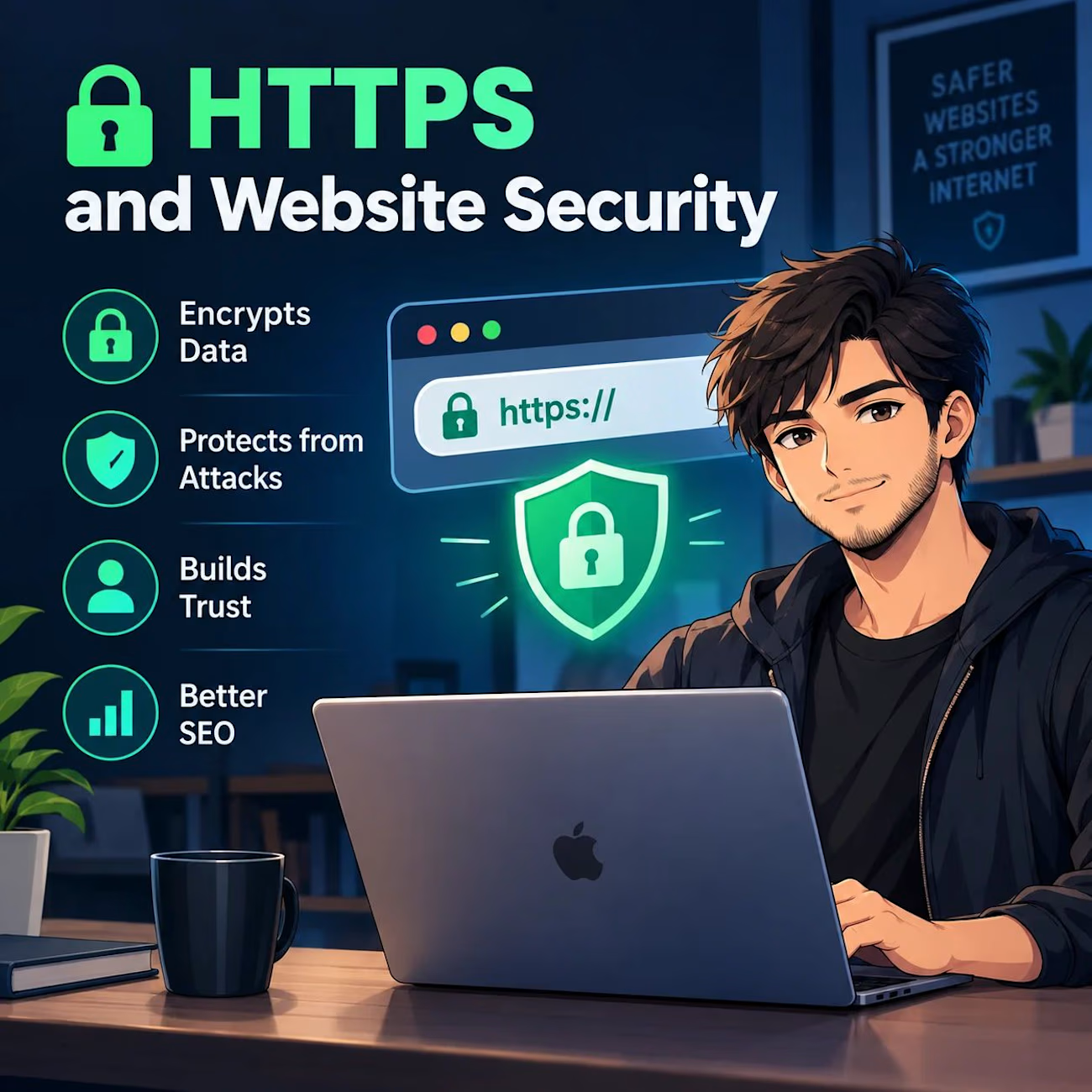
🔒 HTTPS and Website Security: Why It Matters for SEO
HTTPS (Hypertext Transfer Protocol Secure) is an essential part of website security. It protects the data exchanged between a website and its visitors, helping create a safer and more trustworthy browsing experience.
If you're working on SEO, website security should be an important part of your technical SEO strategy. Here's why HTTPS matters. 👇
✅ 1. Encrypts Data
HTTPS encrypts information exchanged between users and your website, helping protect sensitive data from being intercepted.
🛡️ 2. Improves Website Security
It helps protect data from tampering and certain types of attacks during transmission.
🤝 3. Builds User Trust
The secure connection indicator in a browser helps visitors feel more confident when browsing your website or submitting information.
📈 4. Supports SEO Performance
HTTPS is a Google ranking signal. Although it is a lightweight signal, having HTTPS is an important part of maintaining a secure, technically sound website.
⚡ 5. Supports Modern Web Features
Many modern browser features and web technologies require a secure connection.
🔍 Best Practices for HTTPS Implementation
Install a valid SSL/TLS certificate.
Redirect HTTP URLs to their HTTPS equivalents using permanent redirects.
Update internal links to use HTTPS.
Fix mixed-content issues involving HTTP resources.
Update your XML sitemap and canonical tags to use HTTPS URLs.
Monitor certificate expiration and website security regularly.
💡 SEO Tip: Simply switching to HTTPS does not guarantee higher rankings. Make sure the migration is implemented correctly to avoid redirect issues, duplicate URLs, and indexing problems.
A secure website builds trust, protects visitors, and provides a stronger technical foundation for SEO.
Is your website fully secured with HTTPS, or are you still using HTTP?
Share your thoughts in the comments! 👇
#SEO #TechnicalSEO #HTTPS #WebsiteSecurity #SSL #CyberSecurity #GoogleSEO #SEOTips #DigitalMarketing #WebsiteOptimization
The network for creativity
Join 1.25M professional creatives like you
Connect with clients, get discovered, and run your business 100% commission-free
Creatives on Contra have earned over $150M and we are just getting started







Related posts


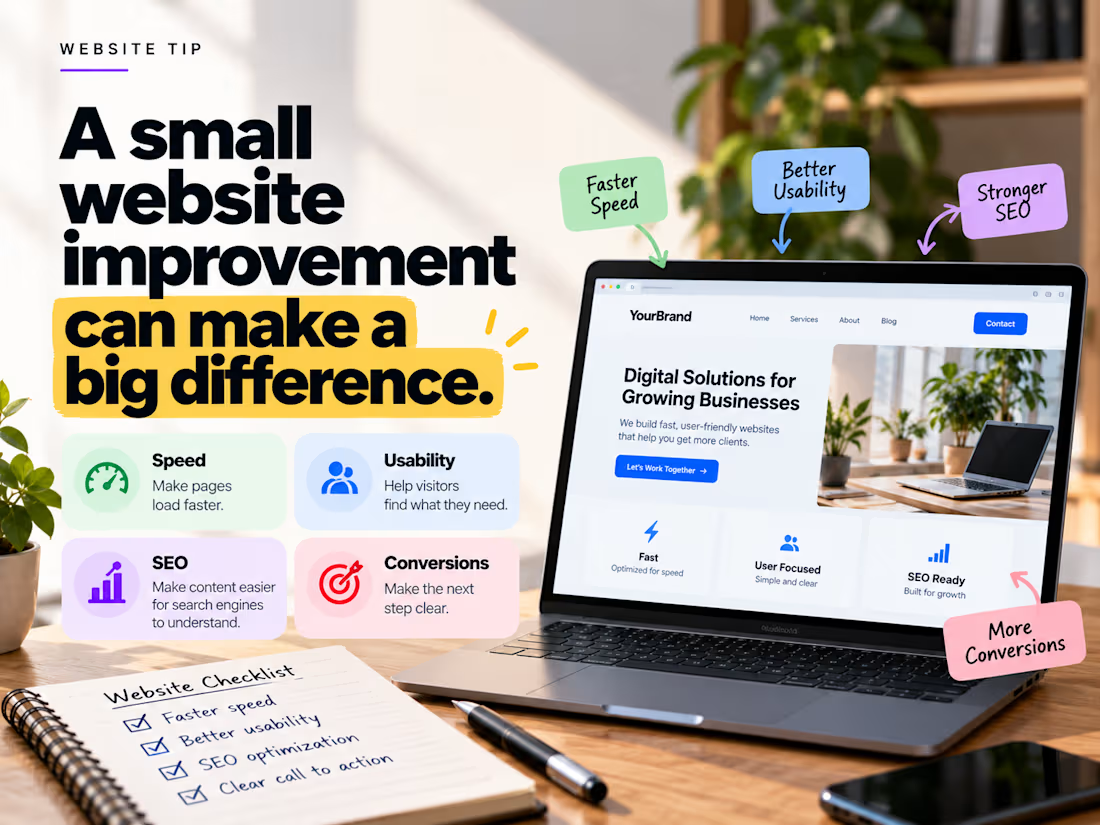
A small website improvement can make a big difference. 💡
When building or improving a website, it's easy to focus only on how it looks.
But great websites need more than good design.
Here are 4 things I always consider:
→ Speed: Make pages load faster.
→ Usability: Help visitors find what they need.
→ SEO: Make content easier for search engines to understand.
→ Conversions: Make the next step clear.
You don't always need a complete redesign.
Sometimes, fixing a few important issues can create a much better experience.
Build smarter. Improve continuously. Make every change count. 🚀
What’s the first thing you check when auditing a website?
#WordPress #WebDevelopment #SEO #WebsiteOptimization #Contra



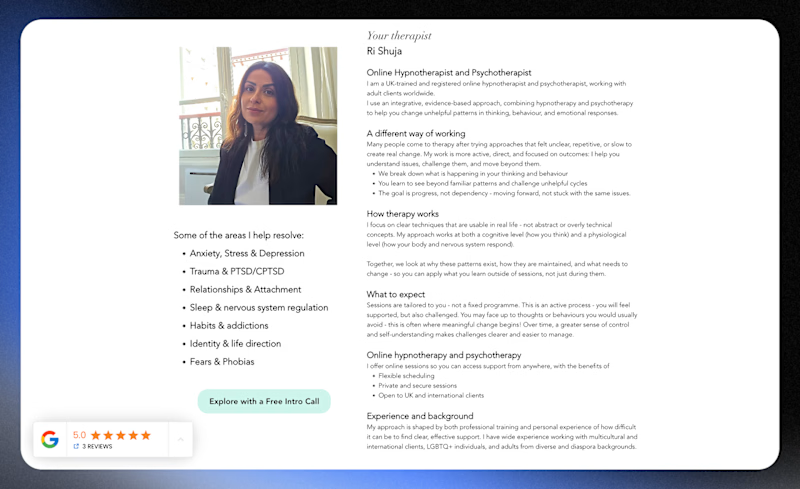
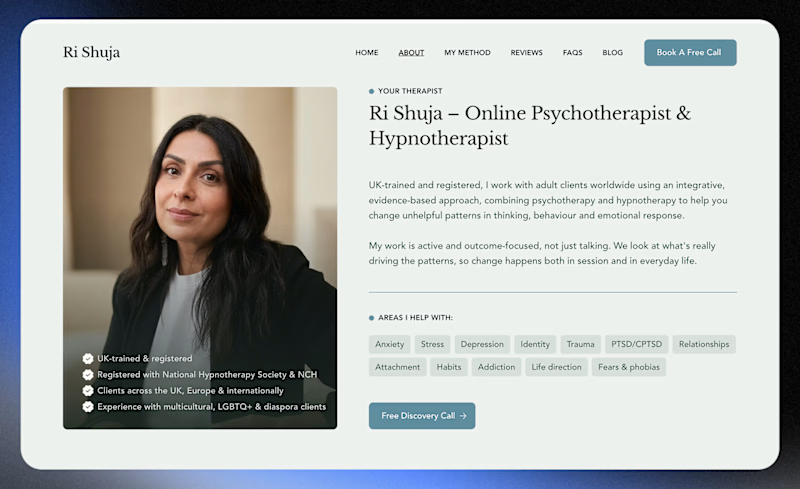
My client’s website before and after the redesign 👇
Which version feels more welcoming and trustworthy for someone looking for therapy?
For Ri Shuja, an online psychotherapist and hypnotherapist, I redesigned the site to create a calmer first impression, make her approach clearer, and help visitors take the next step with confidence.

0 voted
0%
9 voted
100%
9 votes
Closed

The After design is so much better. The old version felt like reading a long essay. The new one feels calm, friendly and very easy on the eyes.

Hi, I'm Farwa Shah an SEO Specialist passionate about helping businesses grow their online presence and achieve better visibility on search engines.
My journey into SEO has been filled with challenges, learning, and personal growth. Through dedication, consistency, and a strong desire to improve, I've worked hard to develop my skills and build my place in the digital marketing world.
My expertise includes Keyword Research, On-Page SEO, Off-Page SEO, Competitor Analysis, Link Building, and Website SEO Audits.
I believe SEO is not just about rankings; it's about understanding a business, reaching the right audience, and creating long-term growth opportunities.
I'm always excited to connect with business owners, agencies, and professionals who are ready to take their online presence to the next level.
✨ Let's connect, collaborate, and grow together!




Yes SEO id very crucial