The network for creativity
Join 1.25M professional creatives like you
Connect with clients, get discovered, and run your business 100% commission-free
Creatives on Contra have earned over $150M and we are just getting started
Back to feedPost

Banned Blueprint isn’t a typical self-help book. It’s narrated in the first person by “The Programmer,” the voice behind the reader’s patterns, with no warmth and no coaching tone. It sells only through its own store, not on Amazon, at premium prices. The page had to make a cold reader feel the book before they ever opened it, then turn that feeling into a purchase.
The challenge
Selling a $97–$197 book to people who’ve already bought and abandoned plenty of self-help titles
Setting it apart from that whole category without looking like another guru funnel
Explaining three formats and their bonuses clearly
Handling a provocative tone responsibly, with clear warnings and a real guarantee
Keeping a very long page easy to buy from at any point
Design direction
The page is dark and cinematic: black, deep burgundy and signal red, set against clean off-white reading sections. Headlines use a typewriter-style monospaced font, so they read like a confession or a classified file. The visuals are surreal, sculptural images of things breaking apart, such as a burning film reel, a hamster wheel on fire, cracked glasses, a melting padlock and a knotted rope. Each one stands in for a pattern the book takes apart. Chains run through the page as a recurring motif, from the book cover through to the closing sections.
Key sections
Hero: the book’s cover art (an eye wrapped in burning chains) leads into the hook, “You think you are choosing.” A format picker sits right above the fold:
Ebook: $97
Audiobook: $147, with a free ebook
Hardcover: $197, with a free ebook and audiobook
The CTA reads
“Refuse to stay programmed”
and sits next to a 90-day guarantee and a “Not available on Amazon” badge.
Quick-scan accordions: What it’s for, Who it’s for, Who it’s not for, Why this, why now, How it works, and Table of contents. Skimmers get the facts fast, and readers who want the long version keep scrolling.
“I call myself the Programmer”: a burgundy card that introduces the narrator and sets the book apart from every therapist- or coach-led title.
Long-form narrative: centred editorial copy, with key phrases in red to pull the eye through the argument.
Clinical disclaimer: a full-width warning panel that tells readers in crisis to step away or read only with professional support. It’s responsible, and it also makes the book feel serious.
“Four parts. One dismantling.”: image cards for each part: Installation, Deprogramming, Weapons and Running.
Interactive loop diagram: Trigger → Default fires → Window → Exit, looping back through “Story.” When you click “Window,” the loop breaks into a “New output” node, which shows the book’s core idea in a single interaction.
Who it’s for vs. who it’s not for: side-by-side persona lists with check marks and crosses.
“What every other book left running”: a comparison table of Banned Blueprint against other self-help books.
“Your Programmer is watching you read this”: a dark interrupt section that speaks directly to the urge to close the tab.
“The ones who refused the exit”: a carousel of verified-reader reviews.
“The guarantee I’d rather not offer”: a 90-day guarantee that pays out only if the reader completes and documents every chapter’s requirement. The terms read like a challenge rather than a safety net.
Final offer and FAQ: the format picker repeats with a delivery-slot timer, followed by an FAQ that answers objections like “Isn’t this just another self-help book?” and “Is this manipulative?”
Conversion details
A sticky add-to-cart bar stays on screen through the whole page, with the format selector built in, so readers can buy from any section.
Bundle-first pricing: each higher tier includes the formats below it, which makes the hardcover the obvious best value.
Scarcity and exclusivity cues: reserved delivery slots, “Not on Amazon,” and direct-only availability.
Objections handled throughout: the comparison table, the who-it’s-not-for list, the disclaimer, the guarantee and the FAQ each take on a different reason not to buy.
Outcome
The finished page sells the book’s voice as much as the book. Every section is written as the Programmer speaking to the reader, which makes the page feel like the first chapter rather than an ad. Buying stays one tap away the whole time, and the premium prices are backed by clear format value, trust signals and a guarantee with real conditions.


The network for creativity
Join 1.25M professional creatives like you
Connect with clients, get discovered, and run your business 100% commission-free
Creatives on Contra have earned over $150M and we are just getting started



Related posts

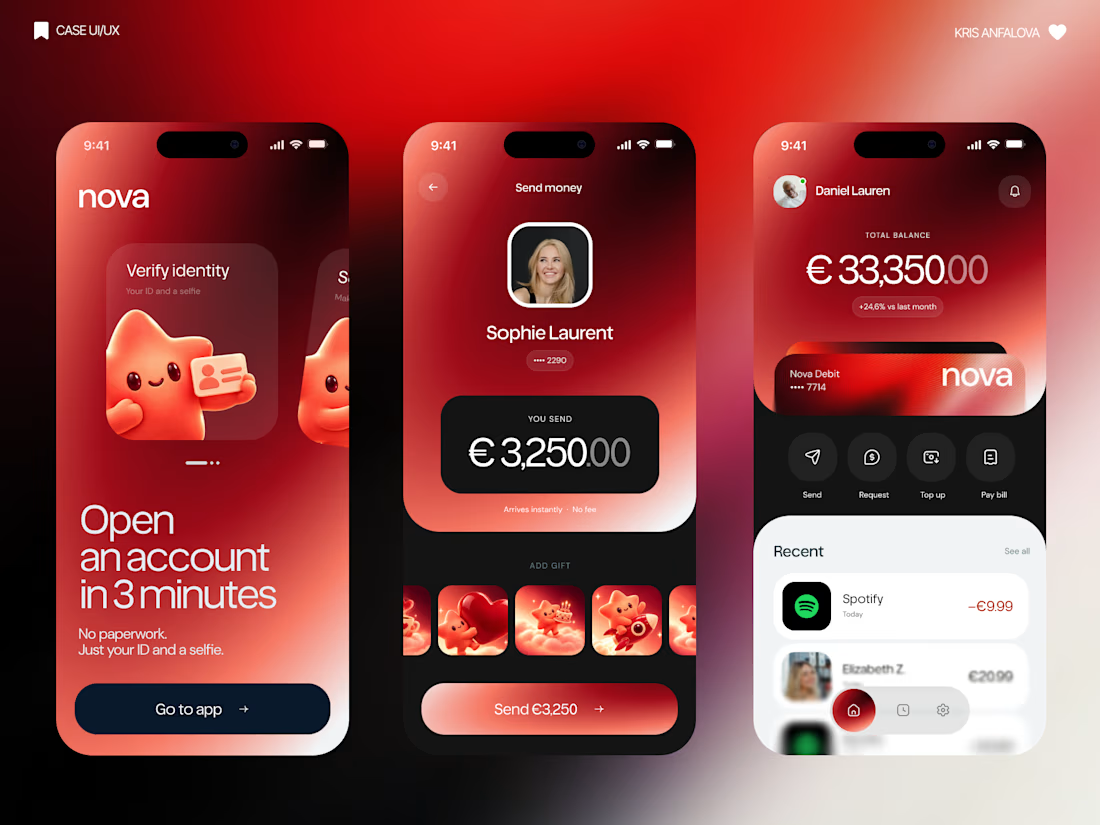
What if sending money felt a little more like giving a gift?
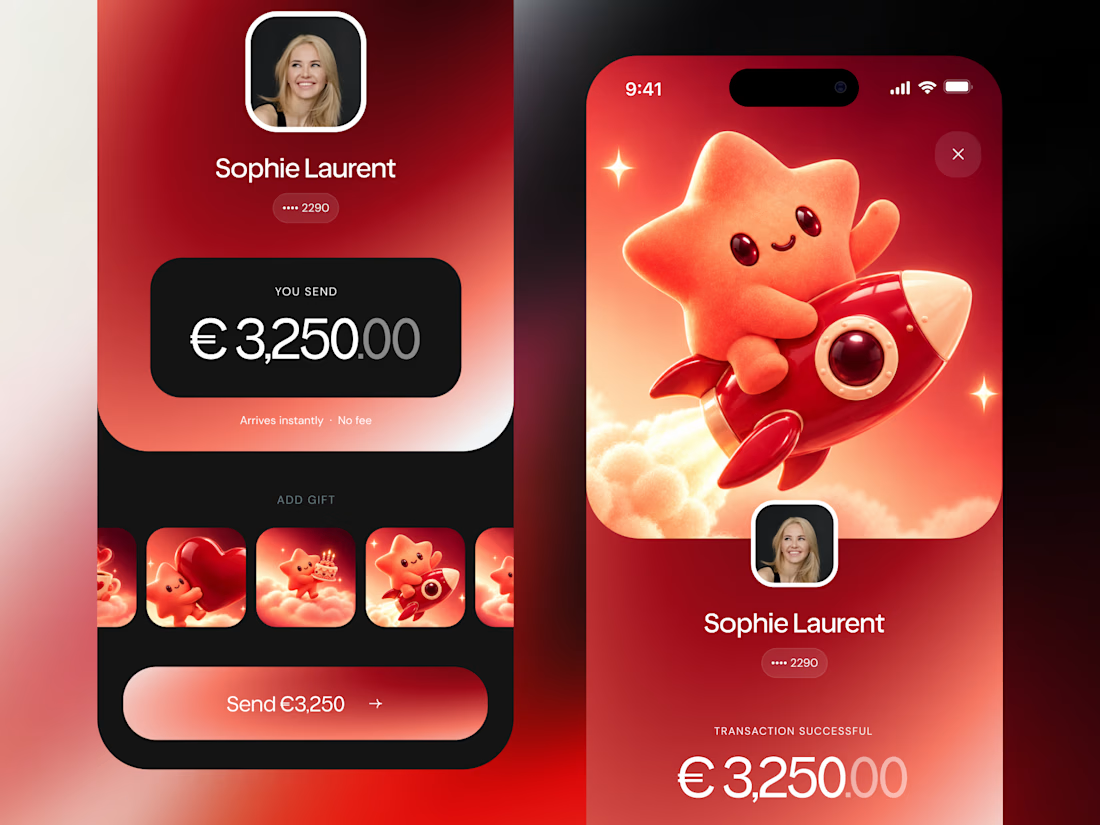
For Nova, I explored a banking app that brings payments, cards, and a bit of personality together. You can check your balance, browse recent transactions, send or request money, top up, and pay bills.
My favorite part is the digital postcard feature. Before sending a transfer, you can add a little illustrated card—a heart, a birthday greeting, or a playful character. A simple way to make birthday money or a thank-you feel more personal.
I carried that same 3D character into onboarding, pairing it with bold red gradients and large, clear payment details. There’s room for play, while the recipient and amount stay easy to check.
Would you add a postcard to a transfer? I’d love to know what occasion you’d use it for.




Redesigned the ModaZ fashion e-commerce storefront with a clean, modern shopping experience focused on product discovery and brand presentation. The project included a refreshed homepage, curated product collections, new arrivals, best-selling sections, and responsive layouts.
I also focused on improving navigation, product visibility, and the overall shopping journey to create a more engaging online store.
Have a fashion brand that needs a storefront upgrade? Let's talk.


I love the layout. Impressive work

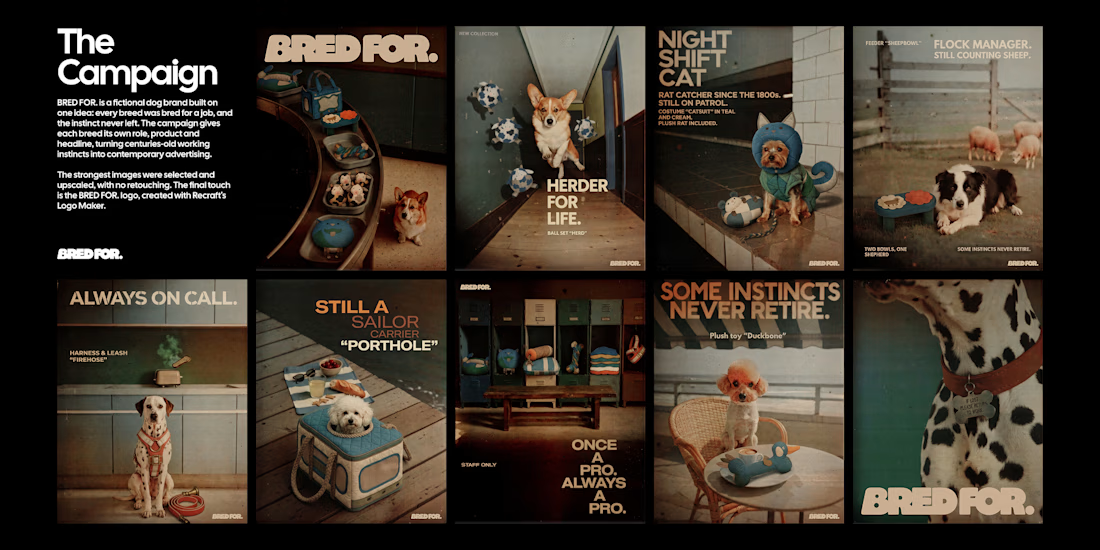
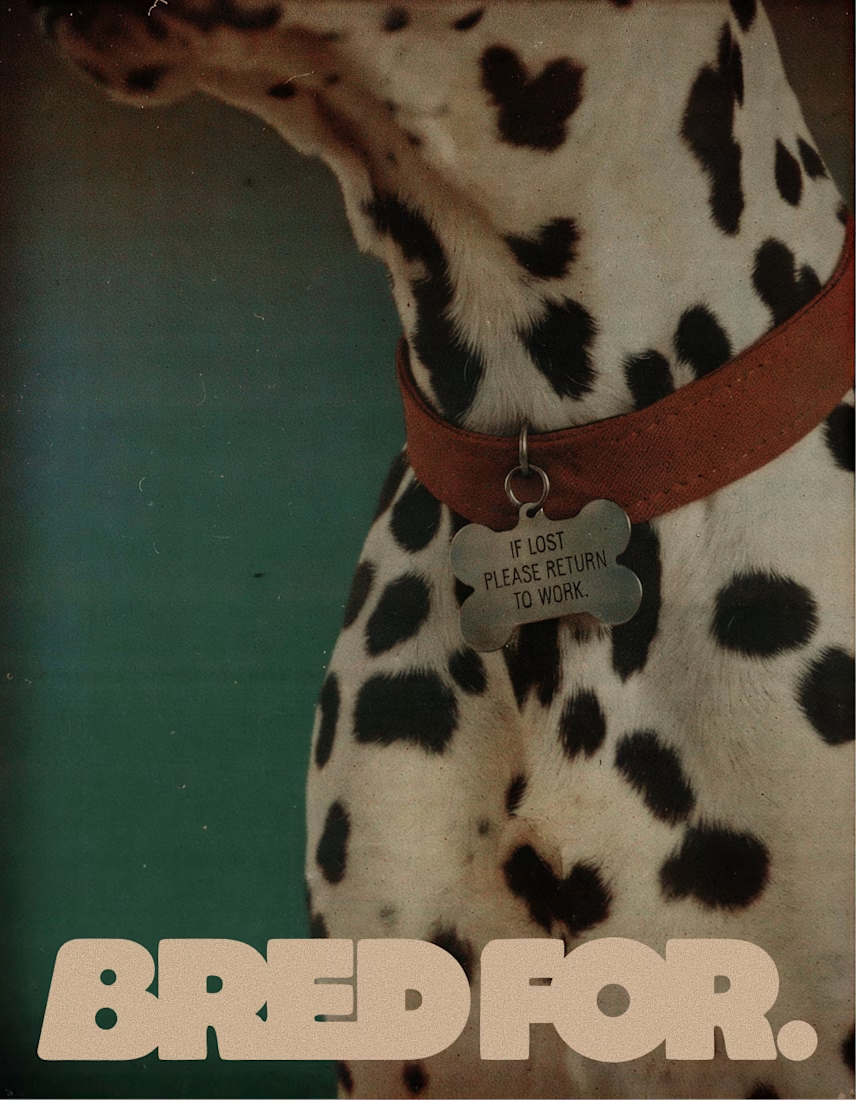
BRED FOR. is a fictional dog brand built on one idea: every breed was bred for a job, and the instinct never left. Collies herded sheep, poodles retrieved ducks, Yorkies hunted rats, Dalmatians ran beside fire carriages, so each product turns a breed's original work into an everyday object.
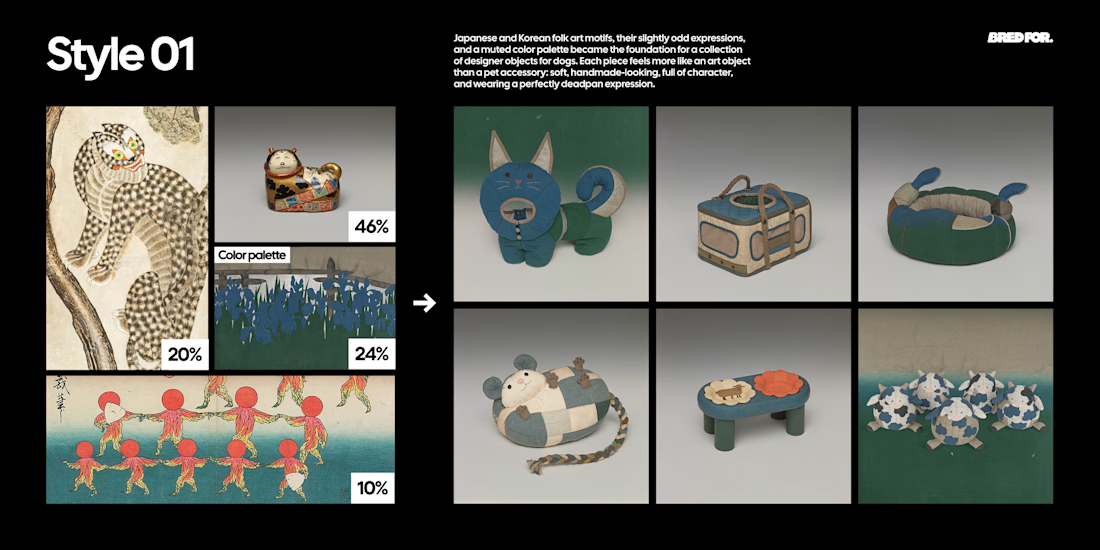
Style 01 is built from Japanese and Korean folk art found at the Cleveland Museum of Art, The Met, LACMA and the Rijksmuseum, and designs the products as soft, deadpan designer objects.
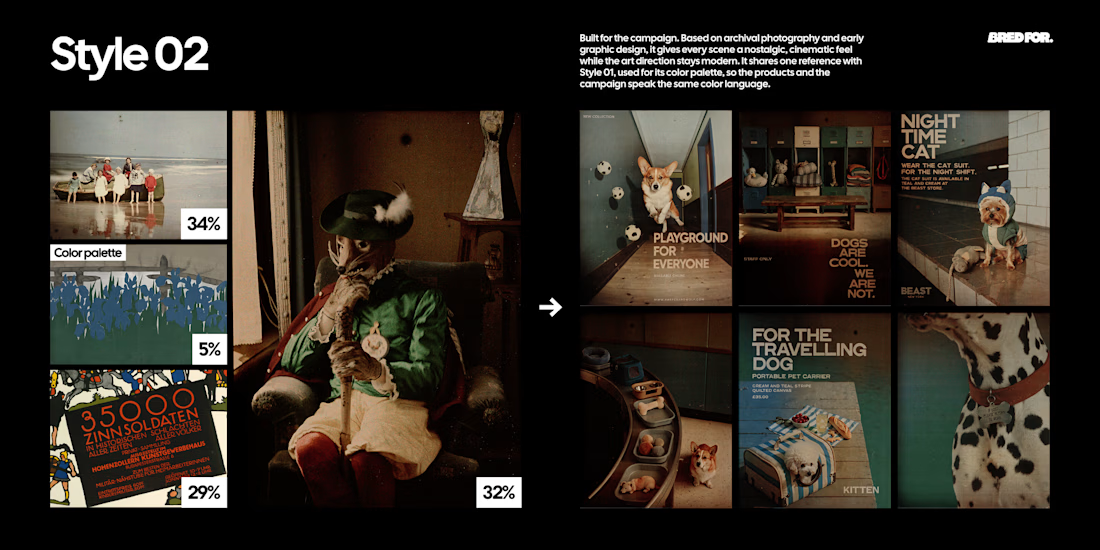
Style 02 is built from early colour autochromes and a 1914 lithographic poster from the Rijksmuseum and the Albertina, and turns every scene into a modern fashion campaign with an archival feel.
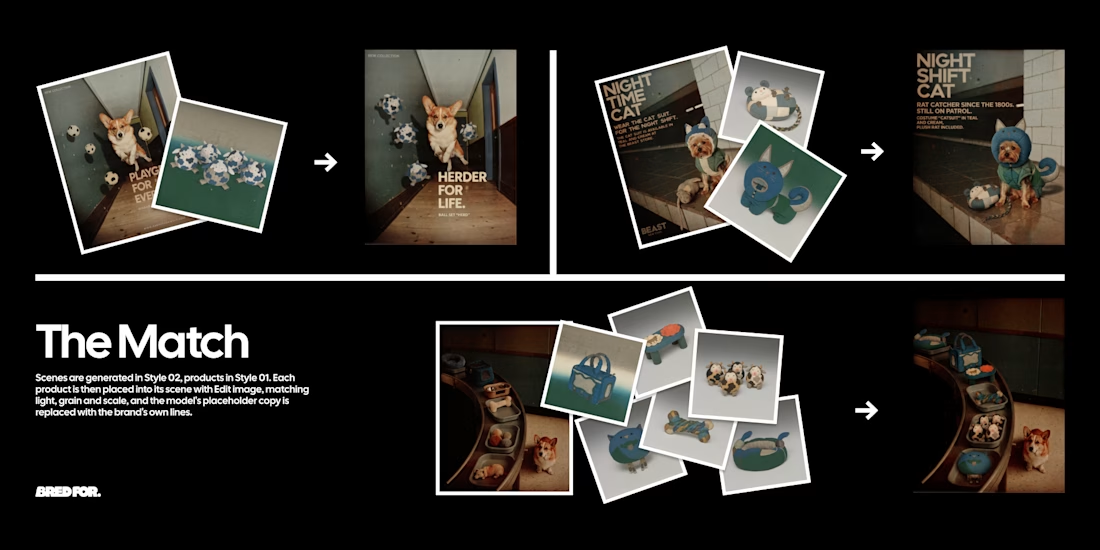
The two Styles were chained with Edit image: Style 01 products placed into Style 02 scenes, every headline rewritten in the brand's dry, deadpan voice. The strongest images were selected, upscaled and finished with a logo made in Recraft Logo Maker.
Style 01 (products): https://www.recraft.ai/styles/b8e1a6b6-ae61-49db-907d-74229530b596
Style 02 (campaign): https://www.recraft.ai/styles/7f2a89de-d69a-4fad-aa0d-ba6302c9a2f3