The network for creativity
Join 1.25M professional creatives like you
Connect with clients, get discovered, and run your business 100% commission-free
Creatives on Contra have earned over $150M and we are just getting started
Back to feedPost

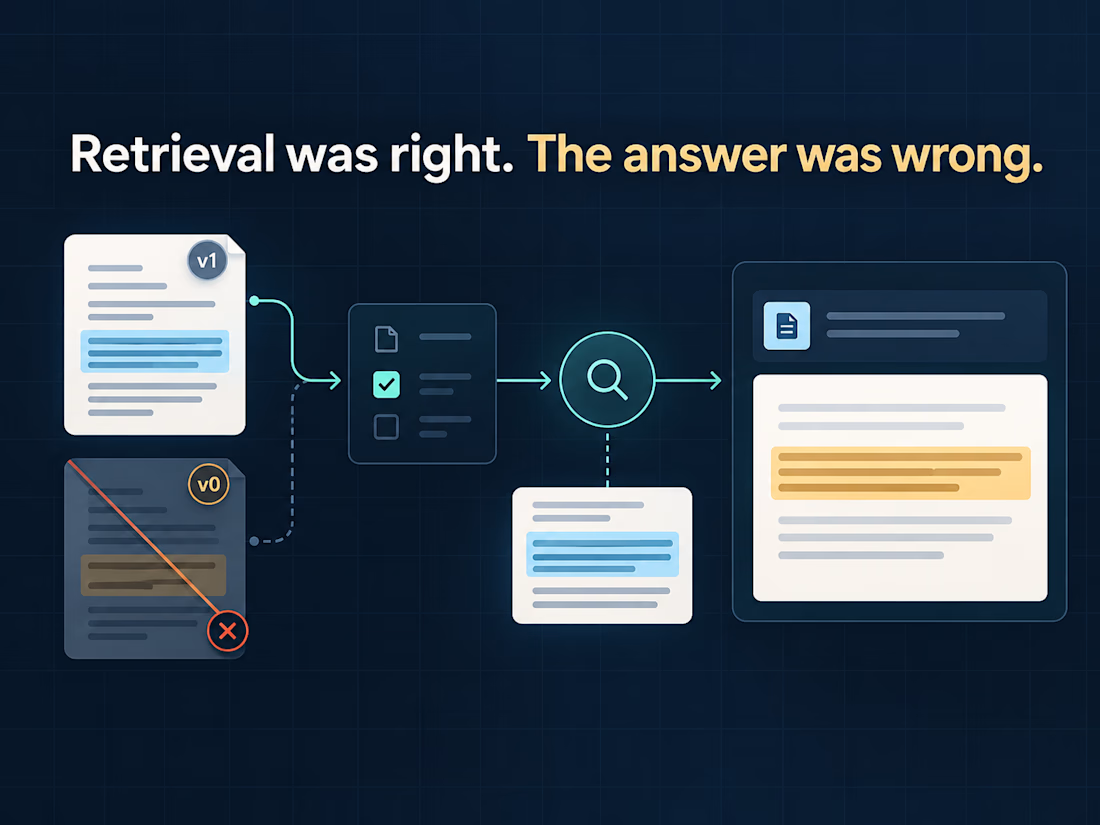
Retrieval was right. The answer was wrong.
I spent part of today stress-testing a small document Q&A prototype with synthetic policy documents. I deliberately added two versions of the same refund policy: an older one with a 30-day window and a newer one with 14 days.
The retriever did its job. It found the relevant paragraph. The assistant still answered 30 days.
The problem wasn’t the model. It was the product’s definition of “relevant.” Semantic similarity had no idea which document was active.
What fixed it:
• version metadata during ingestion
• active/inactive filtering before vector search
• a published-date tie-breaker
• citations that expose the source version
• an abstain path when active sources conflict
This looked like an AI problem, but it was really a data-contract problem.
If you’re building RAG into a SaaS product, how are you handling superseded documents?
#RAG #AIEngineering #SaaS

retrieval grabbing the right docs but the answer quoting the old 30-day rule is such a sneaky failure
The network for creativity
Join 1.25M professional creatives like you
Connect with clients, get discovered, and run your business 100% commission-free
Creatives on Contra have earned over $150M and we are just getting started



Related posts

Building an SEO SaaS? You might not need another expensive keyword API subscription.
A question for indie hackers and developers:
How do you currently access keyword data for your applications?
If you're building programmatic SEO pages, content research automation, keyword discovery tools, or an AI-powered marketing product, you probably need structured search data.
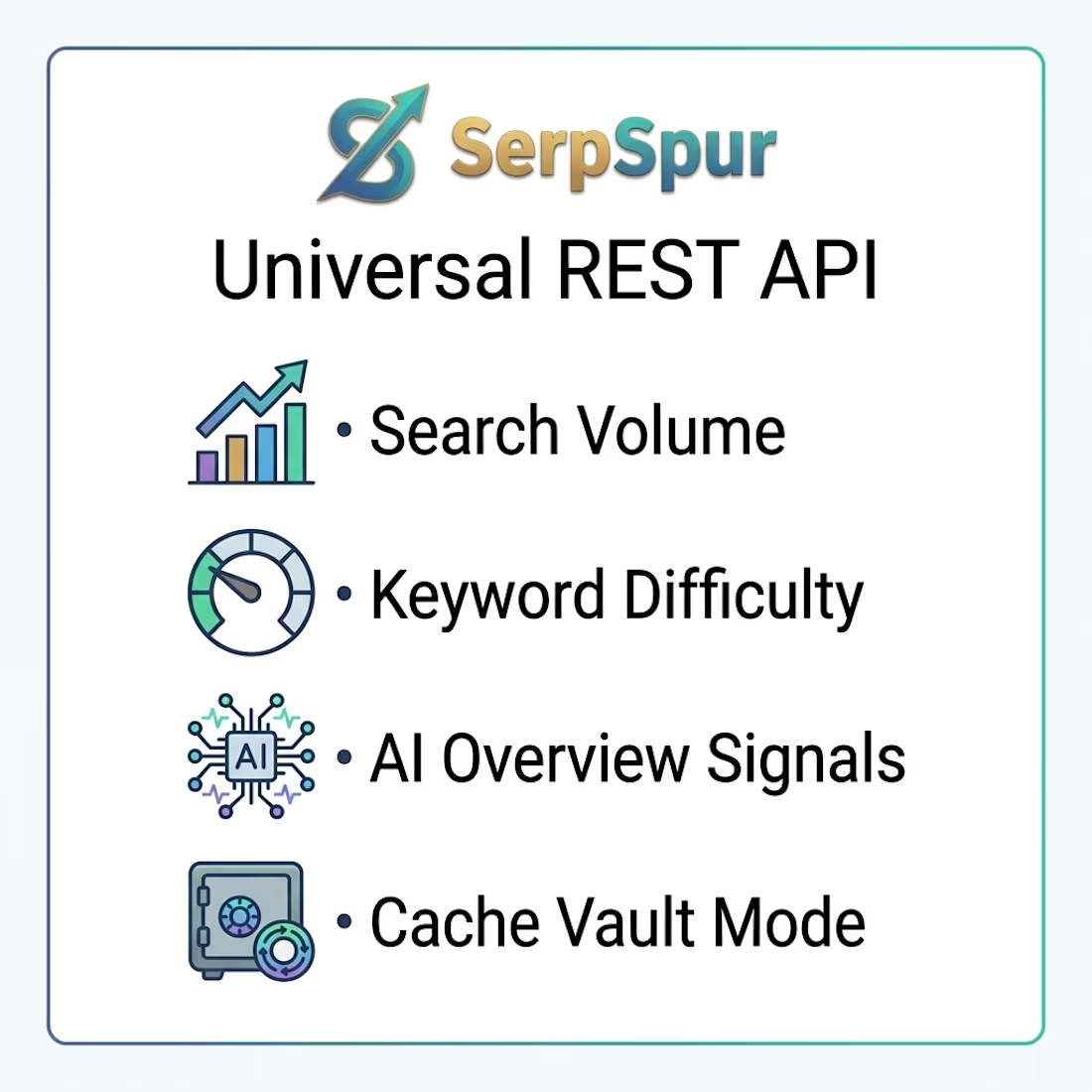
We developed the SerpSpur Universal REST API to make this workflow more flexible.
The API provides access to:
Search volume and historical trends.
Keyword difficulty and backlink competition.
CPC and advertising competition.
Search intent and parent topics.
Related keyword clusters.
SERP features and forum weakness signals.
AI Overview-related information.
Bulk keyword enrichment.
It also supports different research depths, from a single keyword to larger semantic clusters.
One feature worth exploring is the 30-day cache Vault mode: cached lookups cost credits, while cache misses return without a credit deduction.



Great work! I appreciate how clearly the design prioritizes usability without compromising its visual appeal.

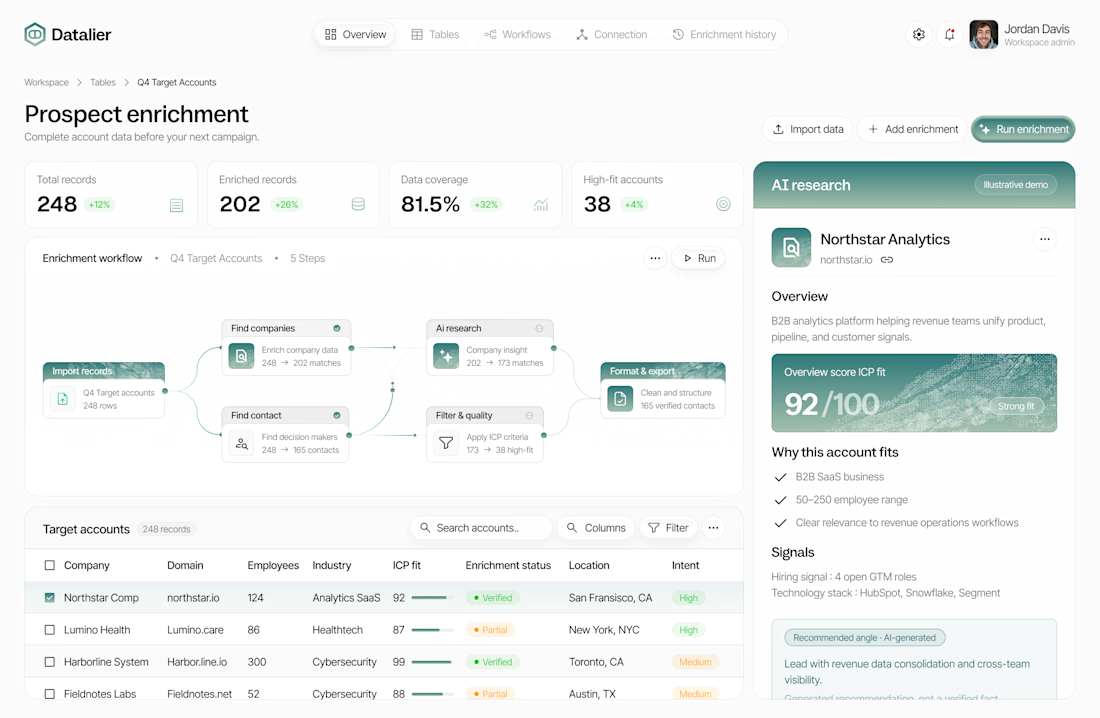
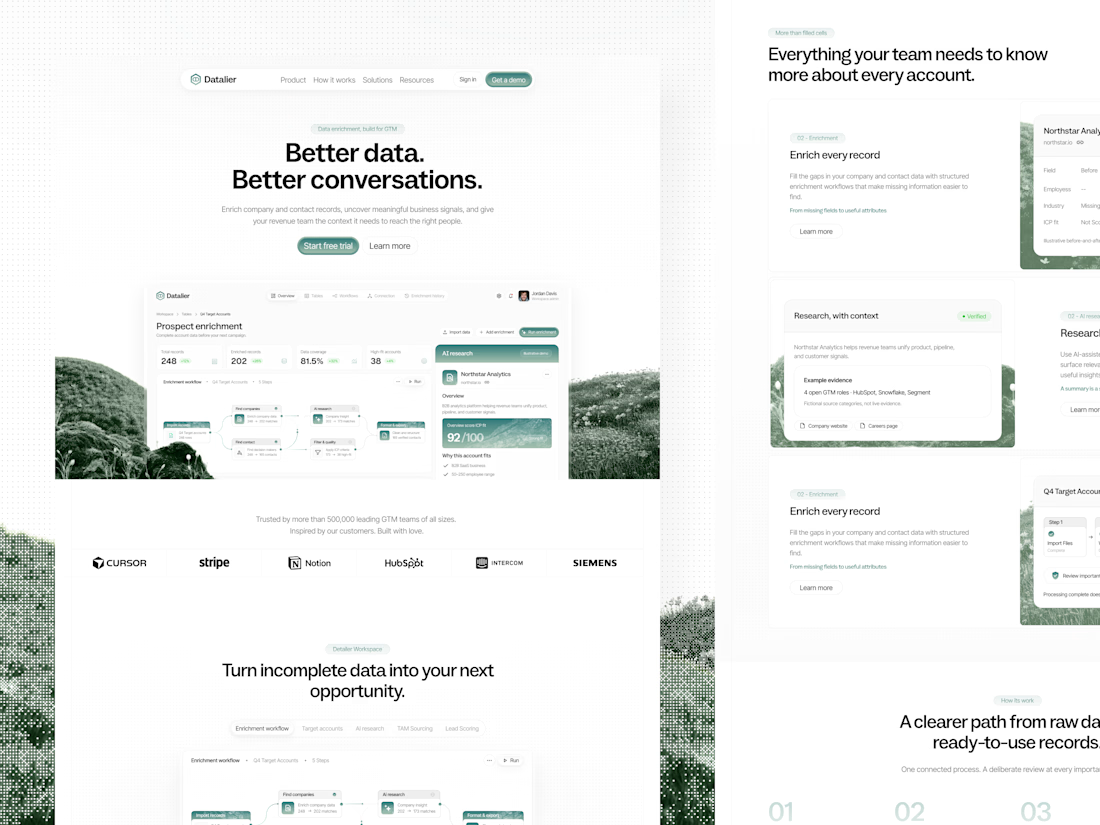
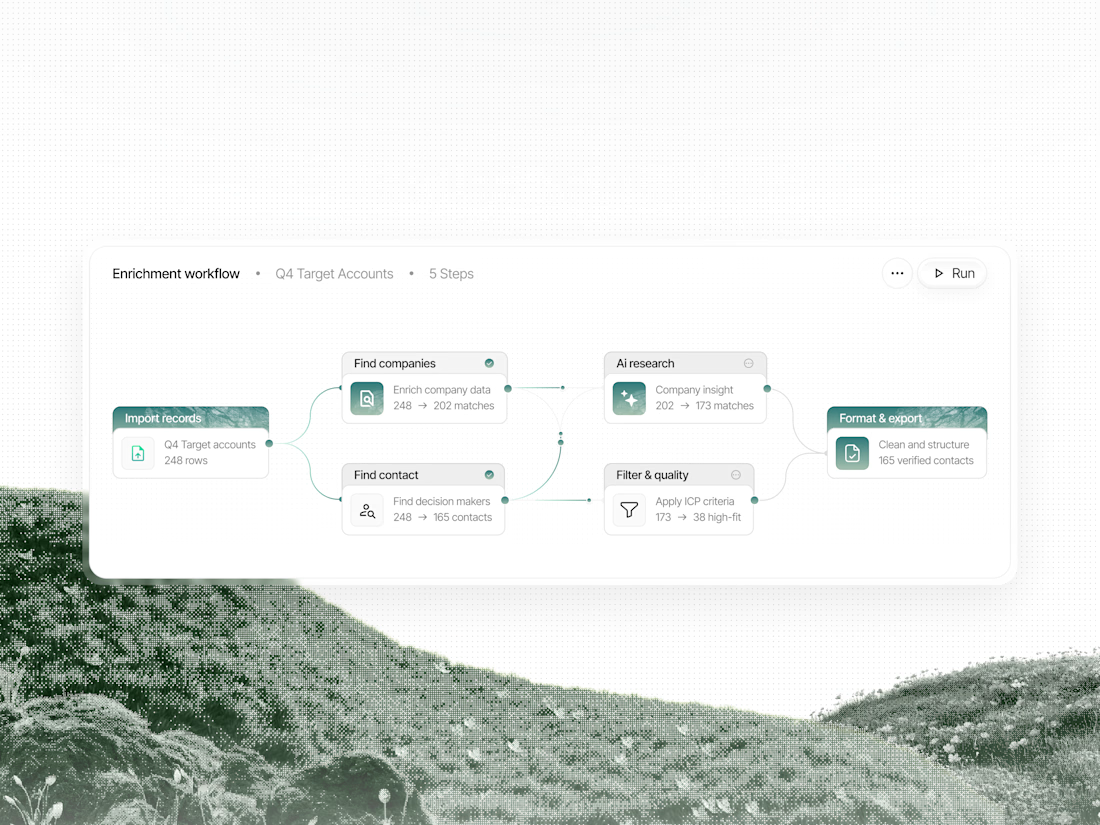
Datalier — AI-Powered Data Enrichment
Incomplete records make it harder to find the right people. Datalier turns scattered account data into clear insights, helping go to market teams focus on the right conversations.


Nice way to surface account gaps.

Building a robotics startup? Meet Torq Robot, a new template on shadcnspace ⚡


Cool template for robotics.