The network for creativity
Join 1.25M professional creatives like you
Connect with clients, get discovered, and run your business 100% commission-free
Creatives on Contra have earned over $150M and we are just getting started
Back to feedPost

Brands are starting to put trust signals up on the performance dashboard — clear AI-content labeling, privacy explanations, sustainability claims — tracked right alongside the clicks and conversion metrics that used to stand alone.
Plenty of reporting frameworks weren't built for that. They were meant to answer "did it convert," not "did people believe us." Integrating that second layer in now — before it's a compliance requirement instead of a choice — is the step that's easy to skip and expensive to retrofit.
If your dashboards only tell you what happened and not whether people trusted you while it happened, that's a blind spot worth checking before someone points it out.

The network for creativity
Join 1.25M professional creatives like you
Connect with clients, get discovered, and run your business 100% commission-free
Creatives on Contra have earned over $150M and we are just getting started


Related posts

If your website doesn't inspire trust, you're losing clients
"Thanks, Sherlock!", I hear you say, "Not that I didn't know that before. Better tell me how to build that trust."
Well, let's start with not ruining what you have in the first place. These are mistakes I've seen legit businesses make:
1. Logos without context
Especially if these are big names. What could do the heavy lifting for you now raises suspicion.
Are these your clients? Partners? Did you take the same elevator as a suspicious communist lady who is often seen together with the CEO of that company and consider yourself related now?
Just add one line explaining your relationship - trust earned.
2. Quantity over quality in testimonials
Some of your clients don't have a LinkedIn or X because... they have a life, I guess. They might have left you amazing reviews, and I understand the desire to show all of them.
But if people cannot google the person who left that review, they might assume this person doesn't exist.
Better have fewer, but verifiable testimonials.
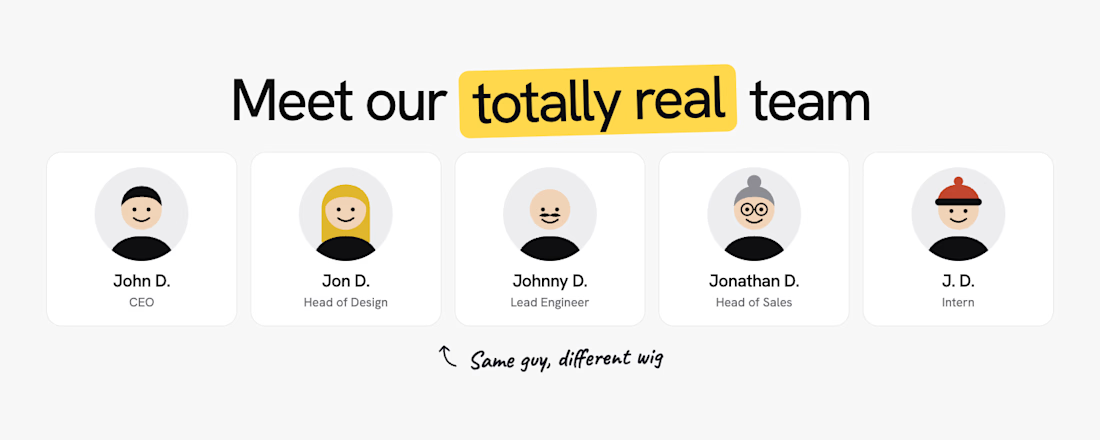
3. Fake team photos
I worked with a legitimate, successful business with a small team. To appear more trustworthy, they decided to add AI-generated team members to their About page.
Please, don't do that. I have astigmatism, myopia and a lazy eye. If I can see it's fake, everyone can.
Tell the truth or just leave that part out - either works.
That’s the “don’t ruin it” part. Do you want to take it to the next level?
I've helped some of the USA's national brands, Silicon Valley companies with their websites, including Grindr, Village Global, Zencastr.

The logos without context point is so true. One line on how you worked together fixes it.

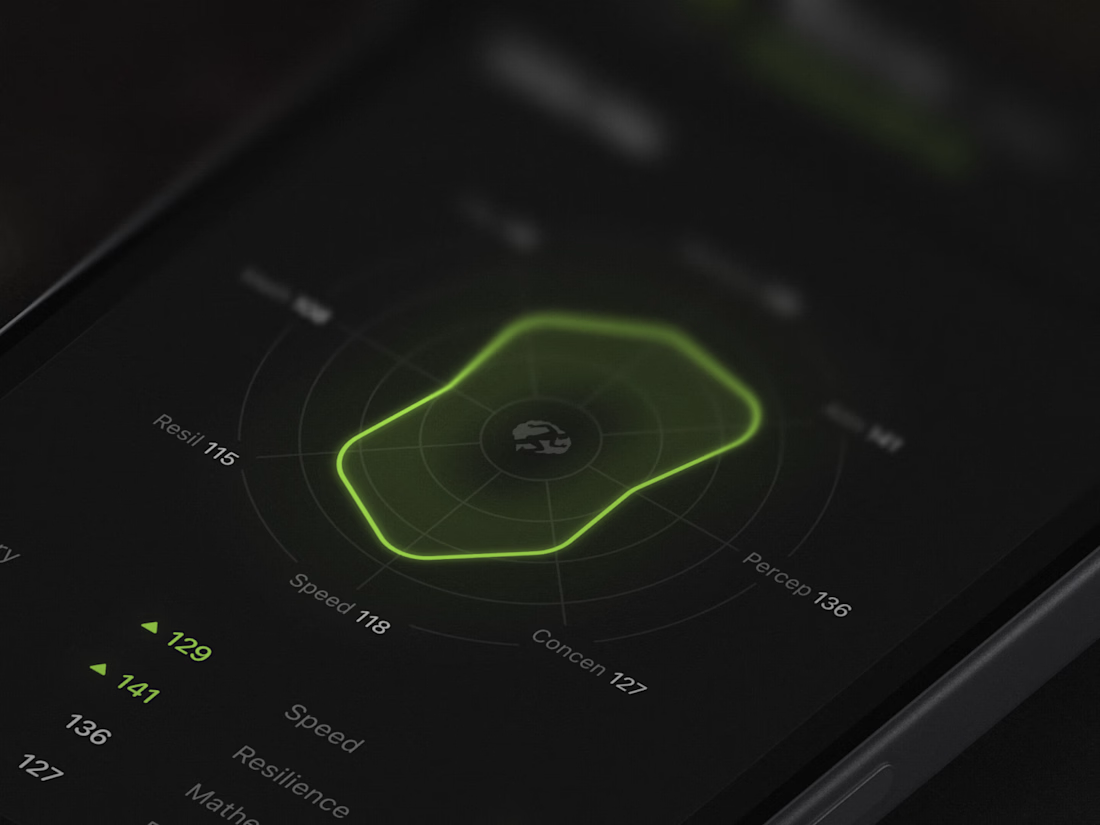
Designed the analytics dashboard screen that users get after finishing a brain training session 🔥


Working on a revived product we did branding for a while back. Excited to show more
The big percentages with the thin progress bar make the odds readable at a glance. Did the green carry over from your original branding?