The network for creativity
Join 1.25M professional creatives like you
Connect with clients, get discovered, and run your business 100% commission-free
Creatives on Contra have earned over $150M and we are just getting started
Back to feedPost
My recent client is an Australian printing firm.
They already had clients coming in.
The problem was what happened after the agreement.
When a client agrees to payment terms, every delay matters.
A payment process that sits waiting for someone to follow up can slow down the entire client journey. And when clients experience unnecessary delays, it can affect more than cash flow. It can affect their confidence in the business.
So I built an Agreed Payment System in Make.com designed around the client journey.
The goal wasn’t simply to automate emails.
It was to create a process that keeps agreed payments moving, keeps communication consistent, and reduces the amount of manual follow-up required from the team.
The workflow takes the agreed payment process and routes it through the appropriate steps, conditions, and Gmail communications.
The system helps keep the process moving.
And this is where my background in sales development and client retention comes into the automation work.
I don’t look at automation as:
Trigger → Action → Done.
I look at it as:
Lead → Sale → Client → Experience → Retention → Repeat business.
Because getting a client is only part of the job.
You also need systems that make it easy for that client to keep doing business with you.
Sales development + client retention + workflow automation.
That’s the intersection I build around.

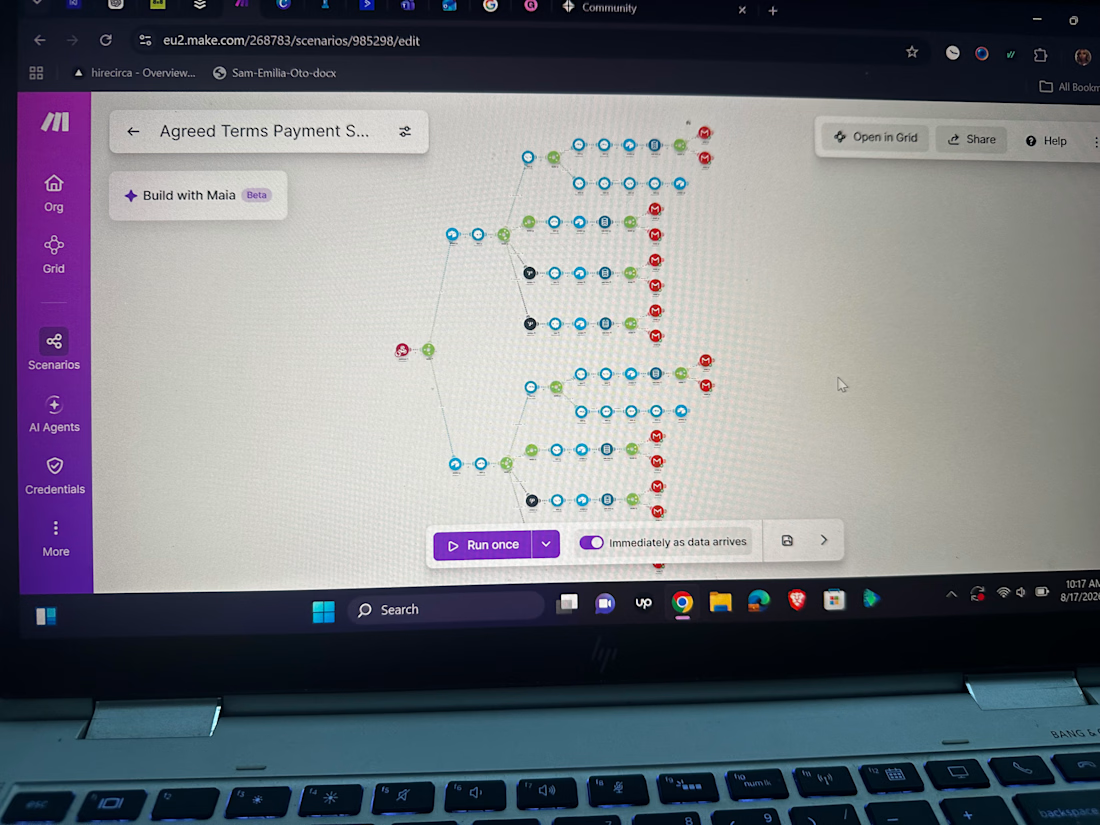
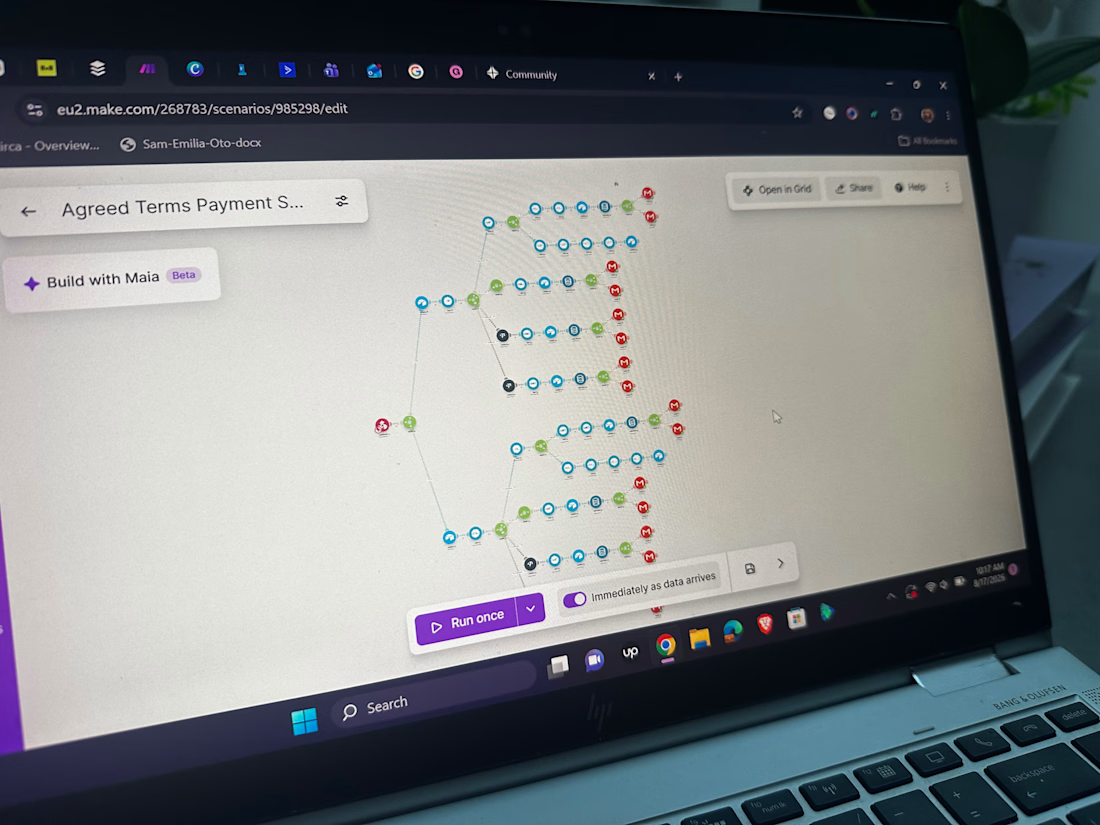
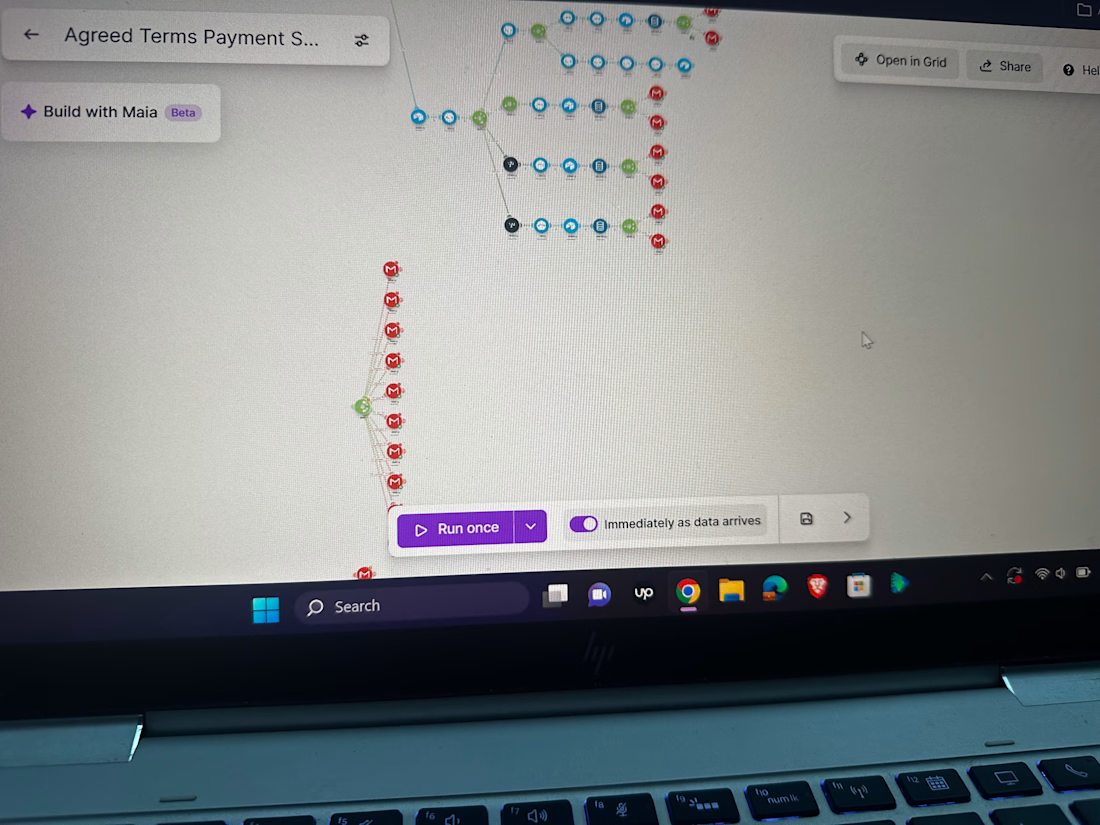

The handoff after a client agrees to terms is where many service businesses leak cash flow. Automating follow-up there is a practical B2B wedge because it ties the workflow directly to revenue.

Exactly. That’s the part I was trying to solve.
Once a client says yes, I don’t want the process to depend on someone remembering to follow up. I wanted the workflow to keep things moving


How do you handle edge-case delays when Gmail API rate limits hit mid-collection sequence?
I make the workflow resumable rather than allowing the rate limit to break the collection sequence.
If Gmail hits a rate limit mid process, I catch the error, pause the affected operation, apply exponential backoff with jitter, and retry after the appropriate delay. That way,...

Can any extra client we will build and team work
also interested?
I’m not sure I understand your question
The network for creativity
Join 1.25M professional creatives like you
Connect with clients, get discovered, and run your business 100% commission-free
Creatives on Contra have earned over $150M and we are just getting started



Related posts

Clients often start with the same request: "Let's build an AI agent."
My counter-question is always: which manual process actually costs you time, errors, or money right now?
My selection rule: remove it first. If it can't be removed, simplify it. If it's still needed, automate it with a plain script. Only then add an integration or an agent. Often the best result is the process that no longer exists.
Safe automation means real scenarios, error handling, and alerts. Without alerts, a workflow can silently lose data for weeks. I always define what stays with a human and what goes to the system.
Question for you: which process would you automate first, and why is it still manual?
Service for audit and implementation: https://contra.com/s/BmWLbgFU-ai-automation-from-your-dream-to-working-implementation?r=auto_booster



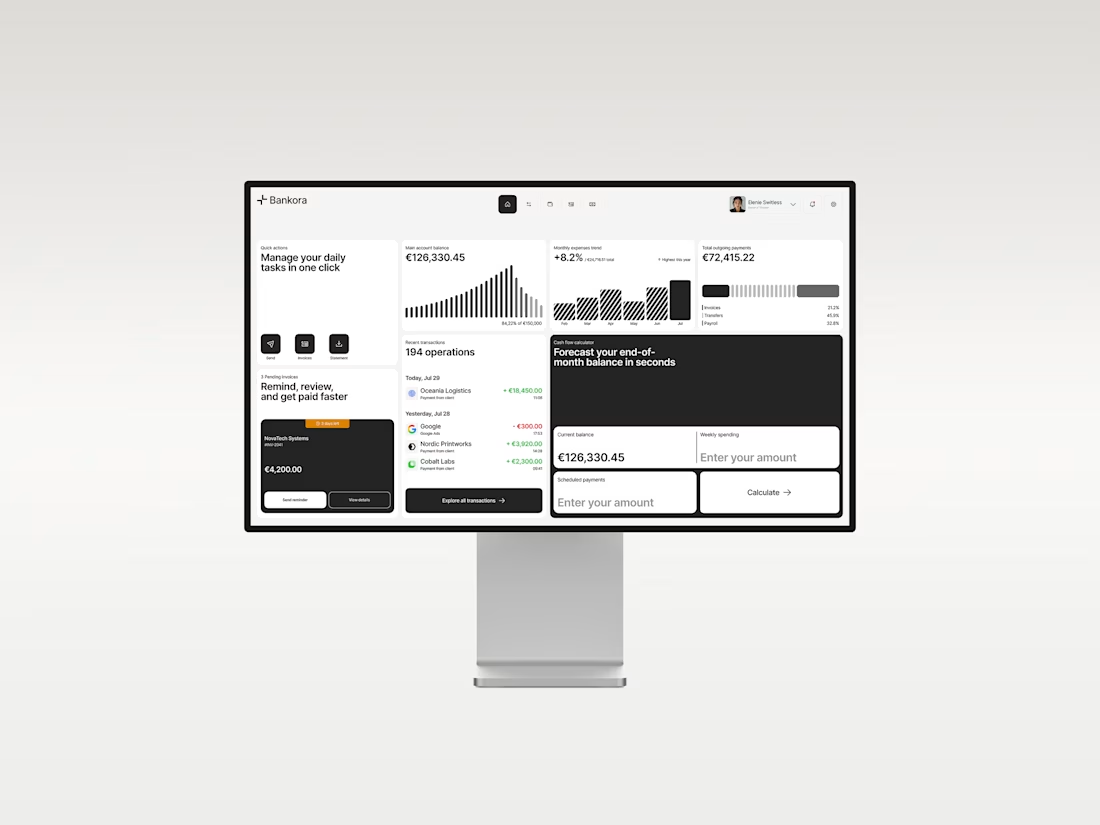
Business banking is already complex. The product shouldn’t make it feel even harder.
That was the thinking behind Bankora.
Payments, invoices, cash flow, financial overview. These are things business teams deal with constantly, yet many banking products still bury simple actions under dense data, long paths, and complicated navigation.
So I started with the workflows, not the screens.
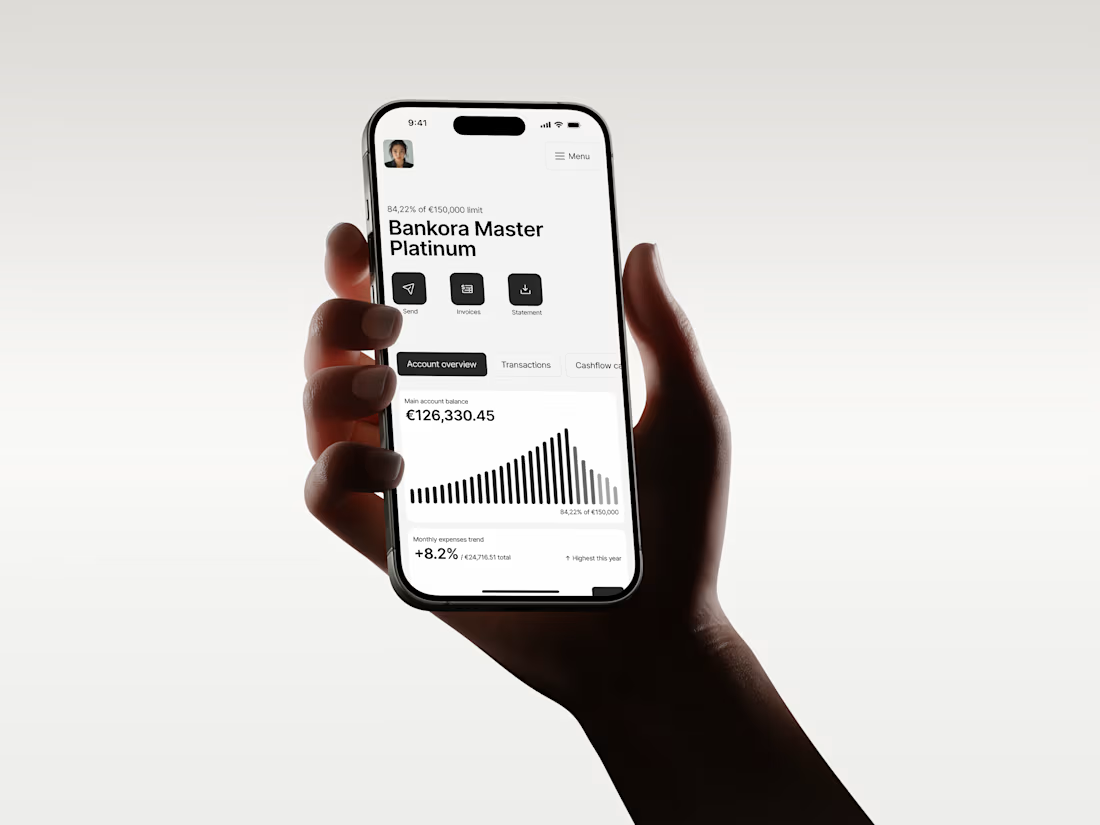
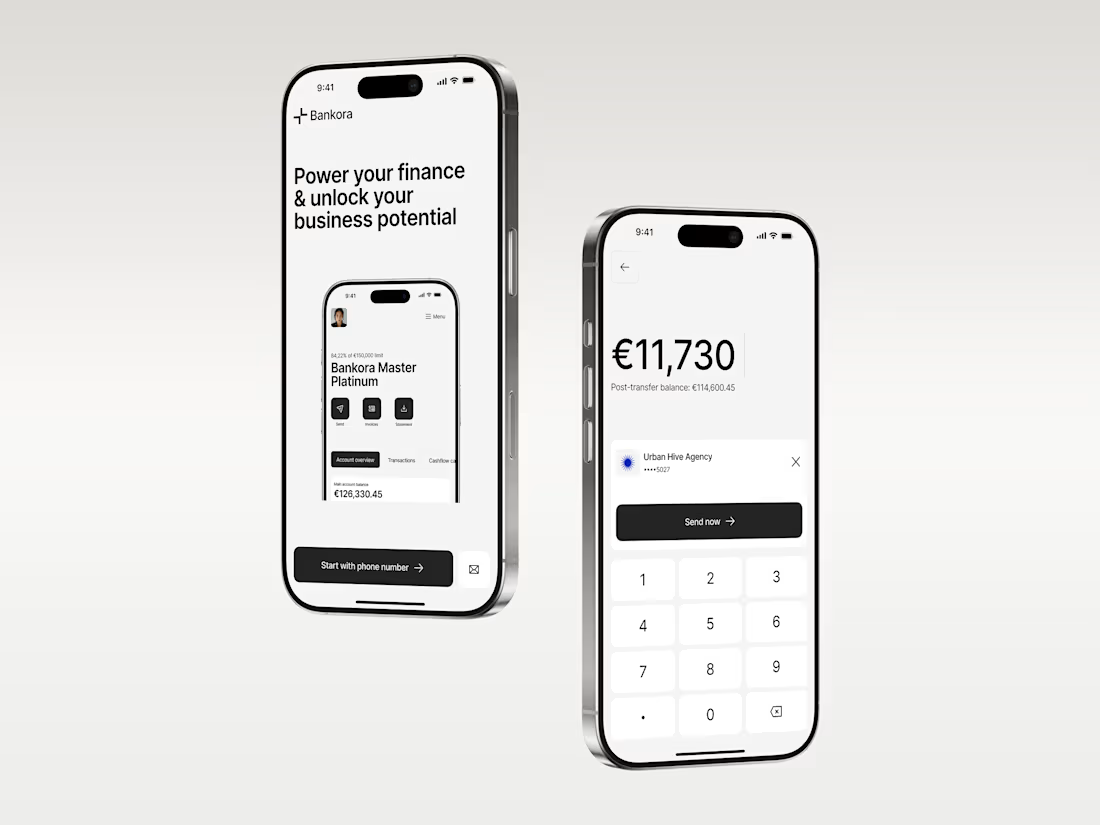
I looked at the tasks people need to complete most often, where unnecessary steps appear, and what information actually needs attention first.
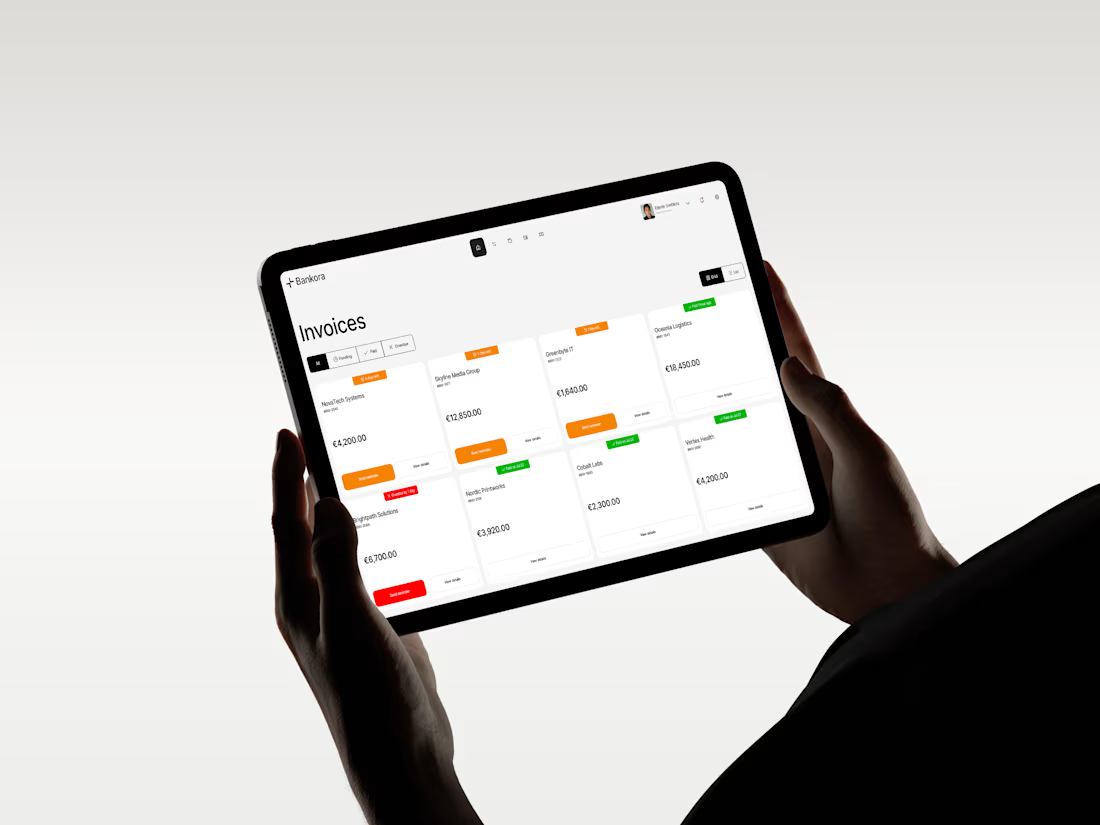
From there, I built the experience around clearer priorities: key actions available quickly, predictable navigation, structured financial data, and modular UI that makes things like pending and overdue invoices easier to understand at a glance.
I also designed an interactive cash flow calculator to help users see where the business may be heading, not just what has already happened.
The goal wasn’t to make financial operations simpler than they really are.
It was to make interacting with them feel simpler.
Less searching. Less cognitive load. More confidence in what to do next.
And it was especially nice to see Bankora later featured by Contra.


Lovely!

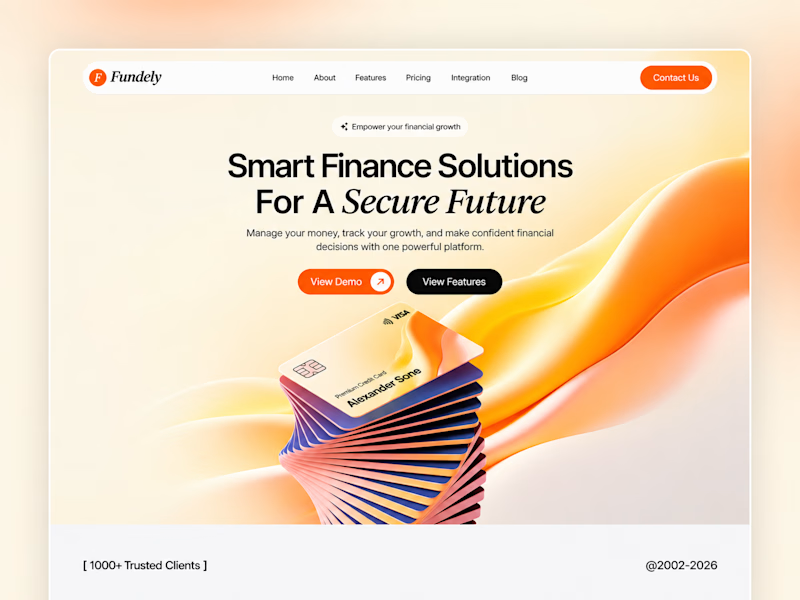
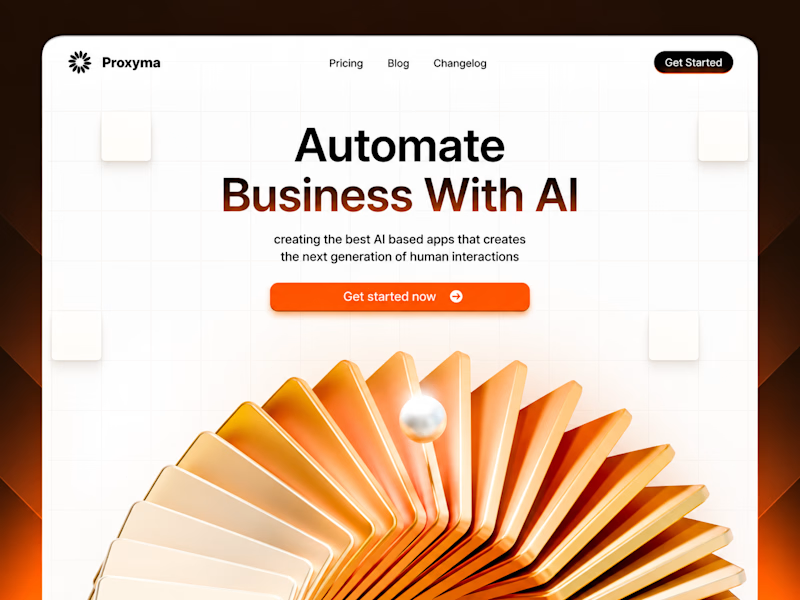
Two concepts. Two different first impressions.
Exploring two visual directions for a finance and AI platform.
Option A | Fundely
Warm gradients, soft curves, and a clean layout. Designed to make finance feel simple, approachable, and easy to trust.
Option B | Proxyma
Bold typography, a structured grid, and a striking 3D visual. Designed to make AI feel confident, modern, and forward-thinking.
Both share the same goal: create a strong first impression through design.
But which direction communicates better?
A or B? I'd love to hear your perspective.
5 voted
50%
5 voted
50%
10 votes
Closed

Adorable
Thumbs up