The network for creativity
Join 1.25M professional creatives like you
Connect with clients, get discovered, and run your business 100% commission-free
Creatives on Contra have earned over $150M and we are just getting started
Back to feedPost

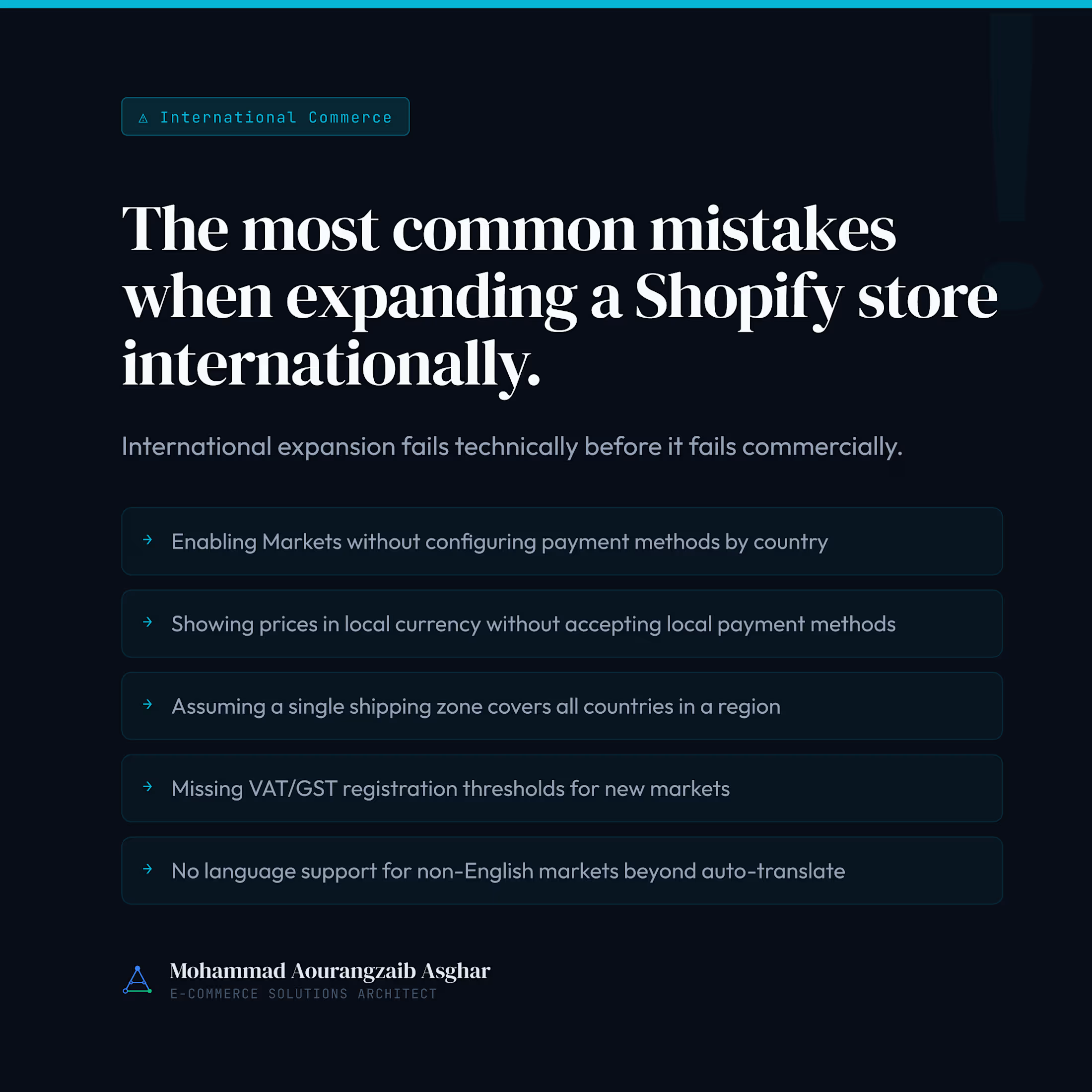
International Shopify expansion is rarely just a matter of turning on a new market.
The store may look ready.
The checkout may work.
The products may be translated.
And yet the expansion can still fail.
Why?
Because international commerce introduces a completely different layer of technical and operational complexity:
→ Payments need to work for the target market
→ Currency display must align with actual checkout capabilities
→ Shipping rules need to reflect individual countries
→ VAT/GST obligations can change the economics of the market
→ Localization goes far beyond translating product descriptions
One of the biggest mistakes I see is treating international expansion as a marketing task instead of an e-commerce infrastructure project.
Before launching a new Shopify market, I’d want to validate:
Payments → Currency → Tax → Shipping → Localization → Inventory → Checkout → Compliance
A beautiful storefront doesn't matter much if the infrastructure behind it isn't ready to support the customer.
I’ve put the most common mistakes into the graphic below.
For Shopify developers, e-commerce managers, and founders:
What’s the most overlooked technical issue you’ve encountered when expanding a Shopify store internationally?
I’d be particularly interested in hearing examples from real stores.

The network for creativity
Join 1.25M professional creatives like you
Connect with clients, get discovered, and run your business 100% commission-free
Creatives on Contra have earned over $150M and we are just getting started

Challenges
View all


Related posts


𝗜’𝘃𝗲 𝗹𝗲𝗮𝗿𝗻𝗲𝗱 𝘀𝗼𝗺𝗲𝘁𝗵𝗶𝗻𝗴 𝘄𝗼𝗿𝗸𝗶𝗻𝗴 𝘄𝗶𝘁𝗵 𝗦𝗵𝗼𝗽𝗶𝗳𝘆 𝘀𝘁𝗼𝗿𝗲𝘀: 𝗺𝗼𝗿𝗲 𝘁𝗿𝗮𝗳𝗳𝗶𝗰 𝗱𝗼𝗲𝘀𝗻’𝘁 𝗮𝗹𝘄𝗮𝘆𝘀 𝗺𝗲𝗮𝗻 𝗺𝗼𝗿𝗲 𝘀𝗮𝗹𝗲𝘀.
Your Shopify store may NOT need more traffic.
It might need a better reason for visitors to buy.
I see this all the time:
A store is getting visitors.
People are viewing products.
Some are even adding to cart.
But sales? Still low.
So the first thought is:
“We need more ads.”
Not always.
Before spending more money on traffic, check these 6 things:
→ Is your offer clear within 5 seconds?
→ Does your product page answer the buyer’s biggest questions?
→ Are reviews and trust signals easy to find?
→ Is the Add to Cart button obvious on mobile?
→ Are shipping and returns explained clearly?
→ Is there a strong reason to buy NOW instead of “maybe later”?
More traffic sent to a weak buying experience can simply mean paying for more people to leave.
Fix the leaks first. Then scale the traffic.
I’m curious:
What’s the biggest challenge with your Shopify store right now?
A) Traffic
B) Add to carts
C) Checkout abandonment
D) Low conversion rate
E) Not sure yet
Drop the letter below 👇
I’ll reply with one thing I’d check first.


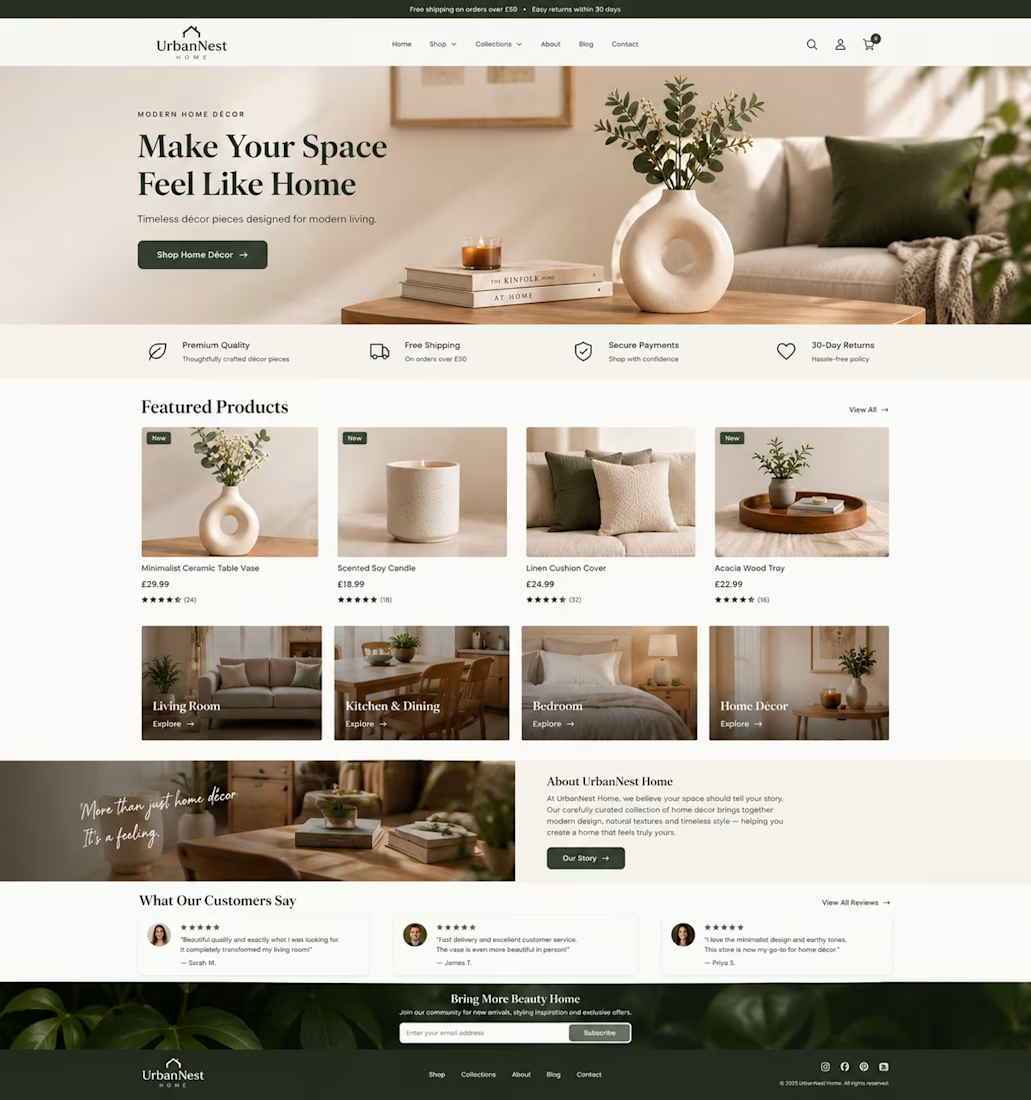


HAKD Health partnered with GreenBerry to migrate their existing WordPress website to Shopify, with subscriptions forming the central focus of the new ecommerce experience.
The project included the migration and restructuring of products, content and key pages, alongside the development of a responsive Shopify storefront designed to make discovering, purchasing and subscribing to HAKD Health products simple across mobile and desktop.
The new website provides a streamlined subscription journey while giving the HAKD Health team an easier way to manage products, recurring orders and website content. It also establishes a scalable foundation to support the brand’s continued growth.
https://hakdhealth.com/
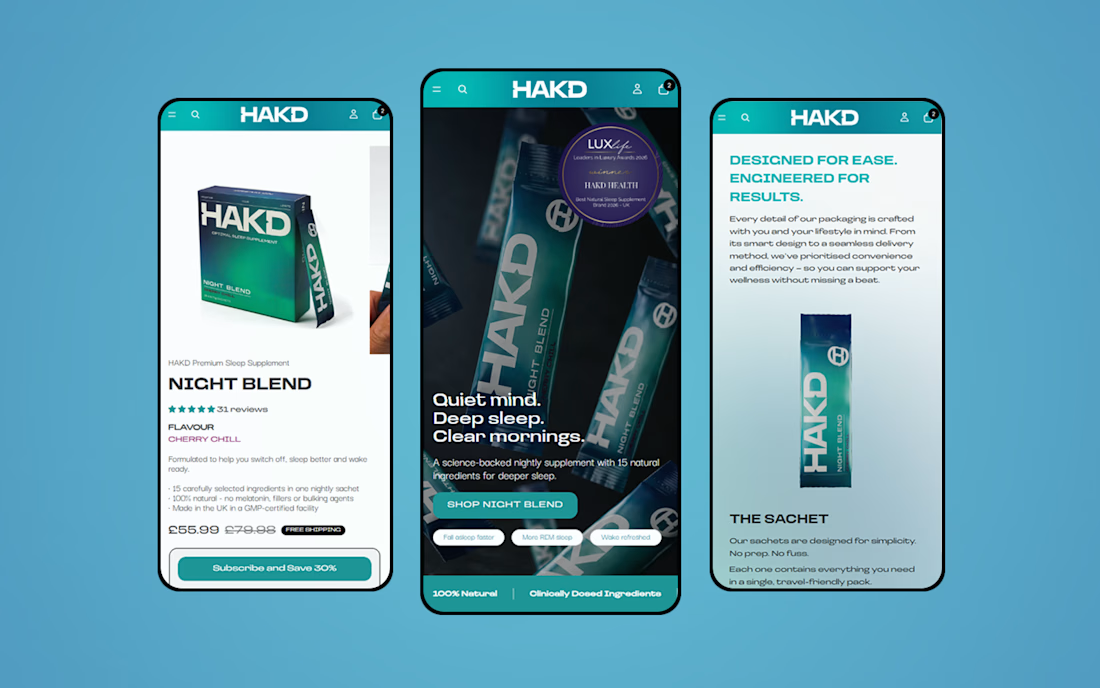

The subscription-first framing makes the migration feel grounded in the business model, not just the platform switch. The mobile product views also make the new shopping flow easy to understand at a glance.