The network for creativity
Join 1.25M professional creatives like you
Connect with clients, get discovered, and run your business 100% commission-free
Creatives on Contra have earned over $150M and we are just getting started
Back to feedPost

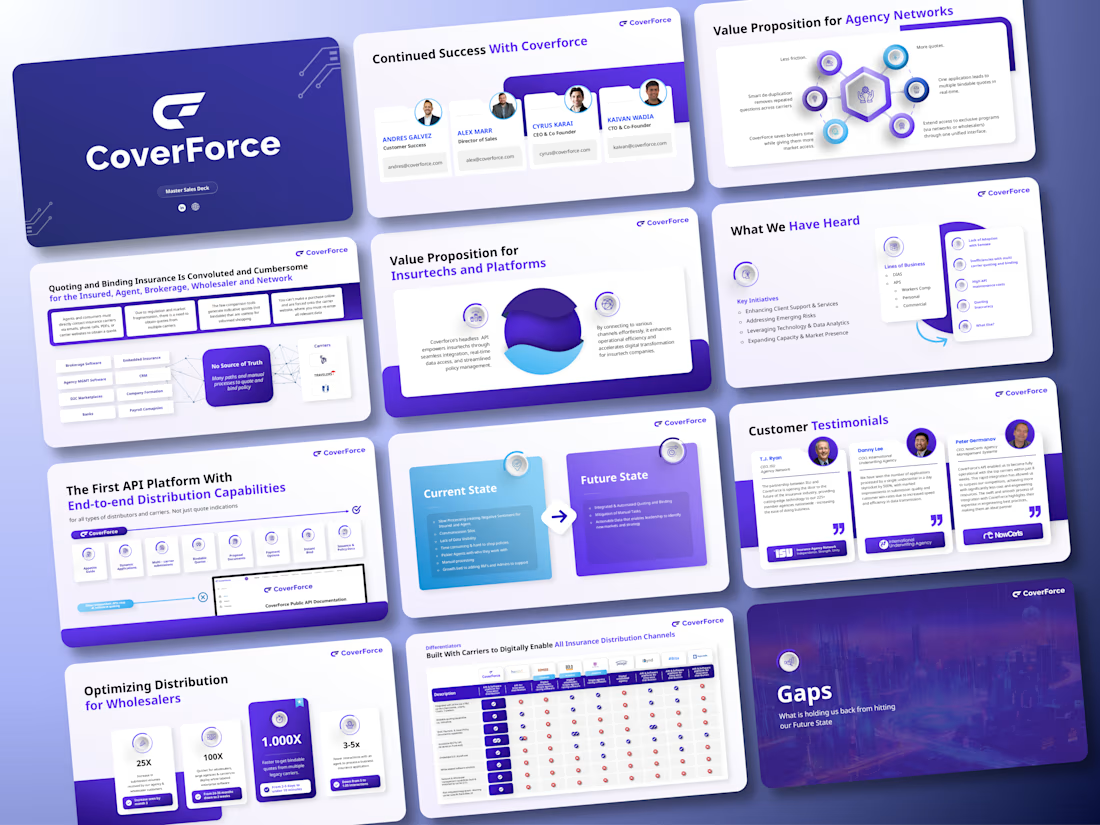
Your deck gets judged before anyone actually reads it.
Busy investors, buyers, and partners decide fast. A slide gets a few seconds to prove it belongs, and most readers are already judging whether to keep going before they've reached the second line.
Most decks lose that first scan the same three ways: too much text on one slide, no clear order between the ideas, or a layout generic enough to belong to any company in the space. A generic slide makes even a strong opportunity feel generic too.
We give every slide one job, prove traction, explain the market, show the team is credible, and cut anything that doesn't earn its place.
AI can give you a fast first draft now, genuinely useful as a starting point. Turning that draft into something that earns real trust from someone deciding whether to write a check is still where the actual work happens.
We've reviewed decks for 400+ clients across 30 countries over the last 4 years. Most had a solid idea buried under too much text and no clear structure underneath it.
Send us your deck. It's free, and we'll actually read the whole thing: what's working, what's weak, and what we'd fix first.
The network for creativity
Join 1.25M professional creatives like you
Connect with clients, get discovered, and run your business 100% commission-free
Creatives on Contra have earned over $150M and we are just getting started

Challenges
View all


Related posts

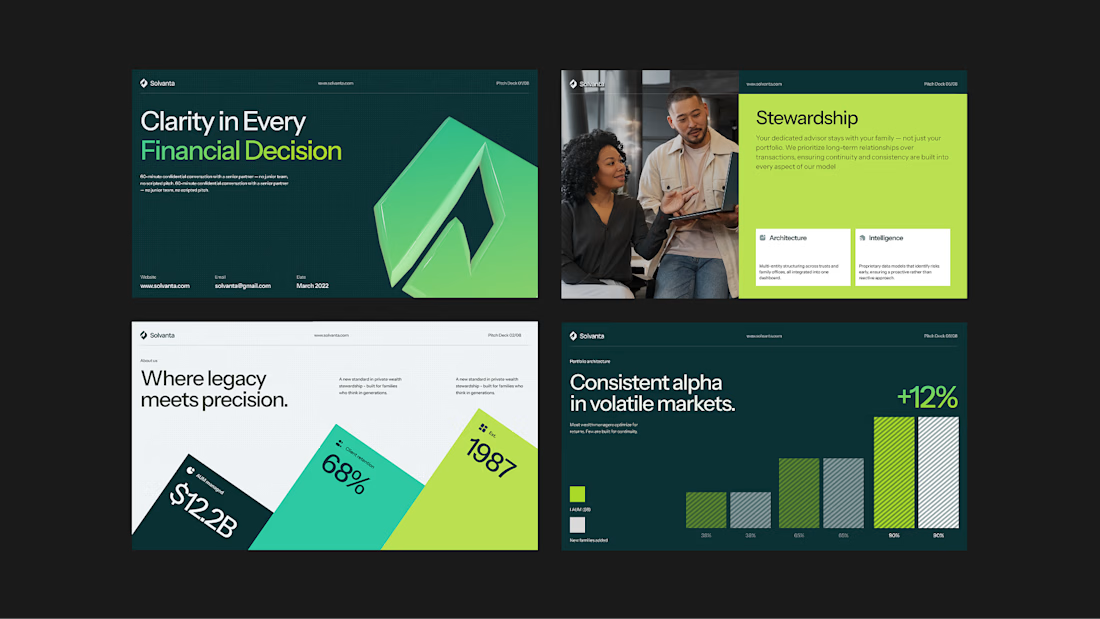
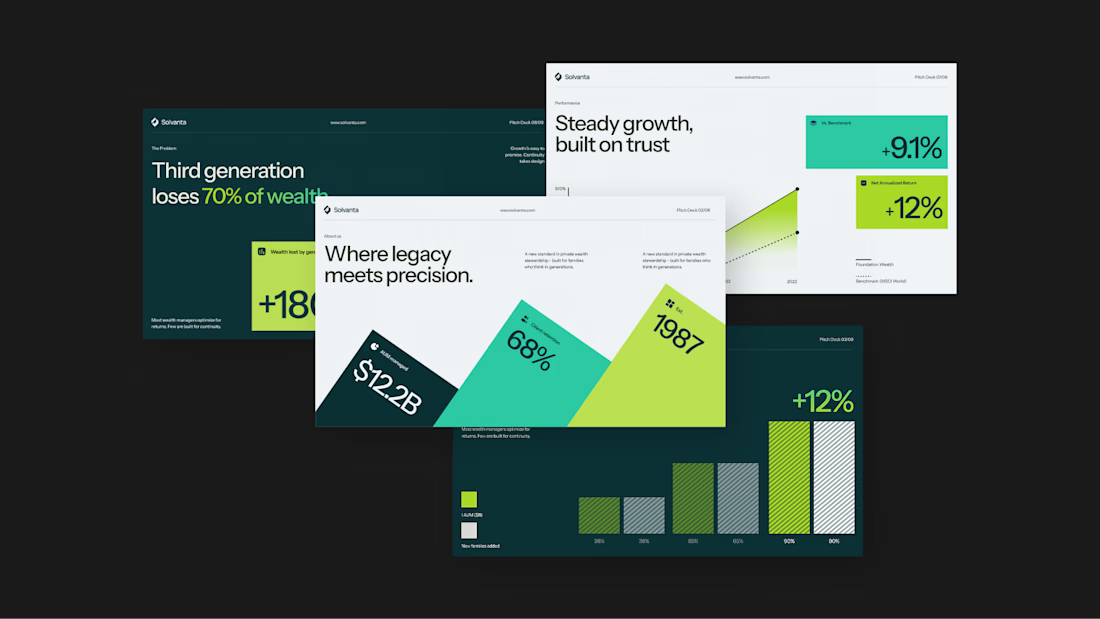
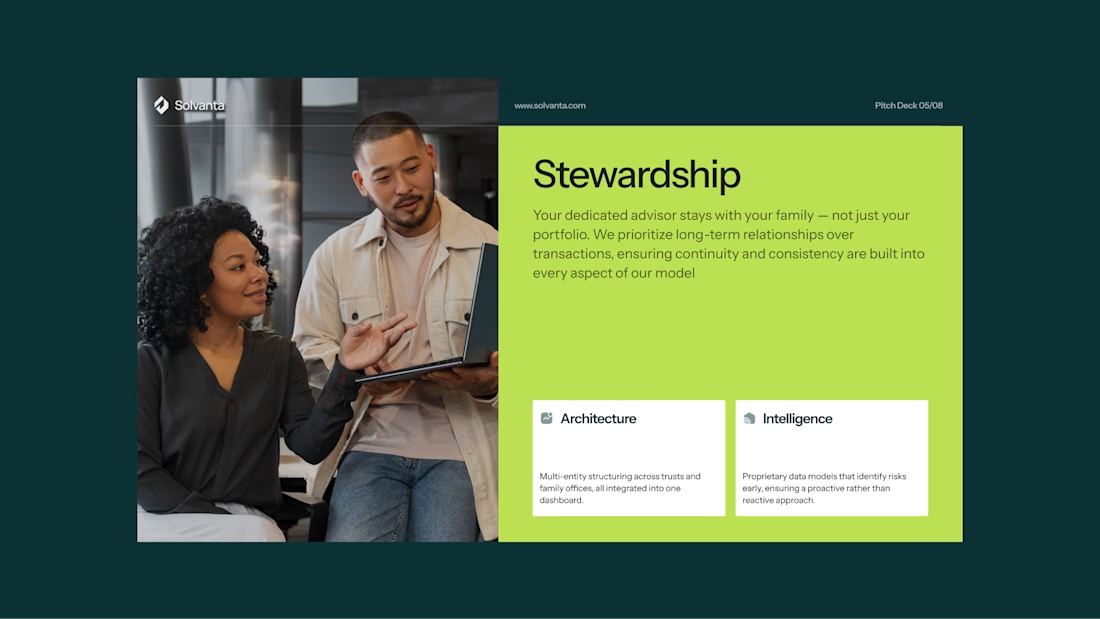
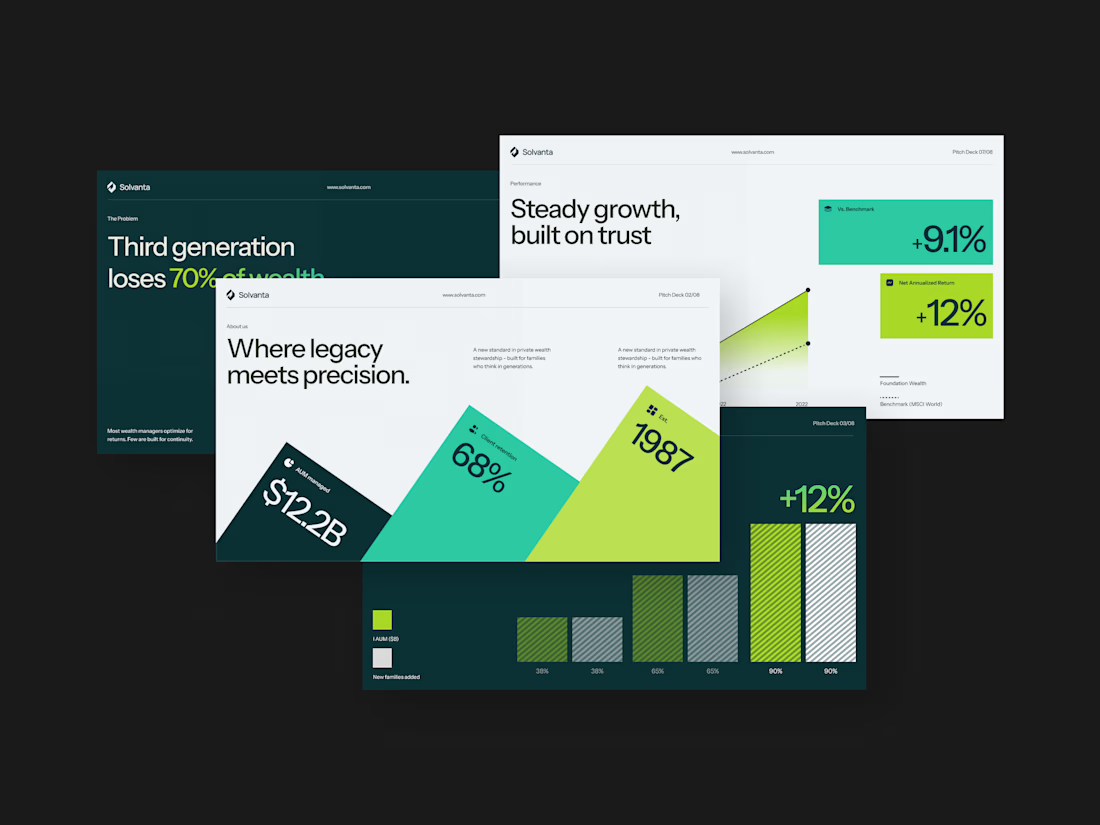
Solvanta — Wealth Management Pitch Deck
A sleek, modern pitch deck that makes complex financial concepts easy to understand while conveying credibility and confidence.
Want to create something like this?
Let's Talk!


Guess my presentation stack!
Most people build decks in Google Slides or Canva. I wanted something clean, developer-friendly, and interactive.
Take a scroll through this live presentation:
Clues:
Markdown + HTML native editing
Smart diagrams & live formatting
Web-first preview
Who can guess the app behind this? Drop your answers below! 👇
Solvanta — Wealth Management Pitch Deck
A refined presentation combining clean layouts and modern visuals to communicate long-term financial value.
Want to create something like this?
Let's Talk!