The network for creativity
Join 1.25M professional creatives like you
Connect with clients, get discovered, and run your business 100% commission-free
Creatives on Contra have earned over $150M and we are just getting started
Back to feedPost

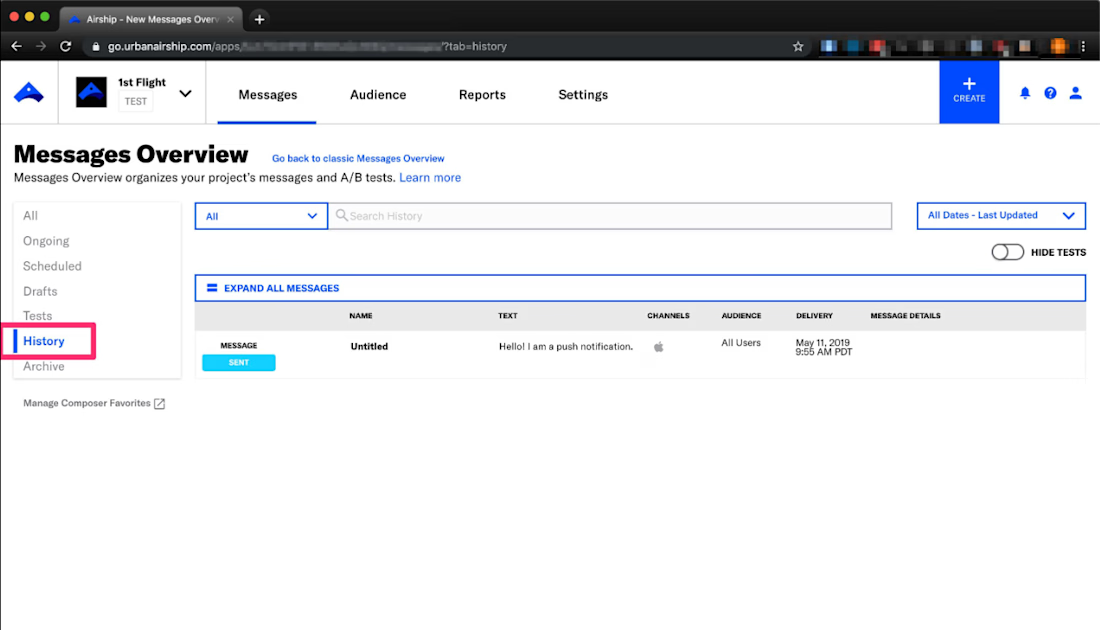
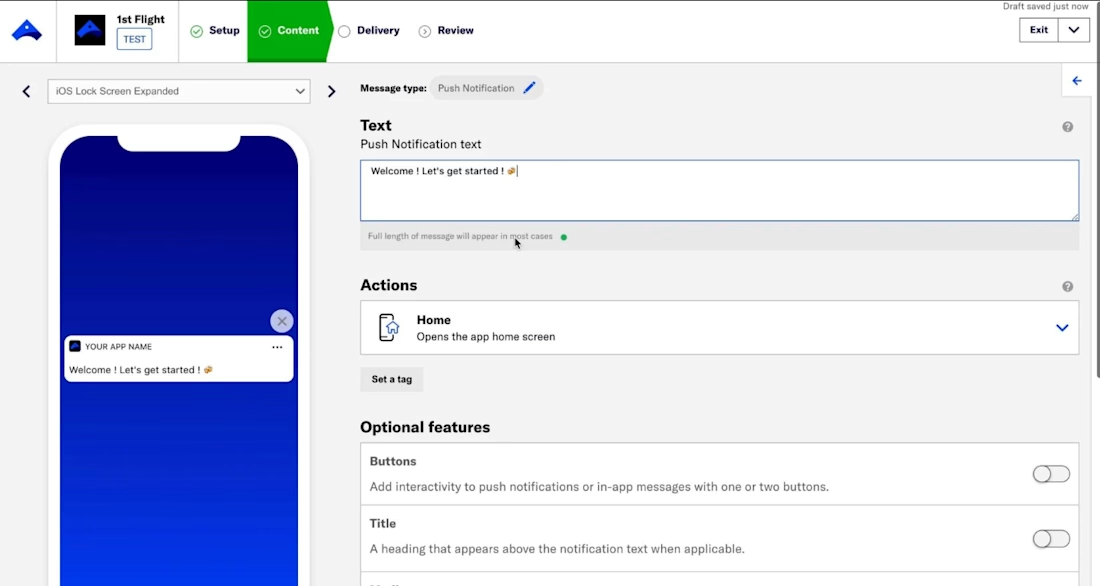
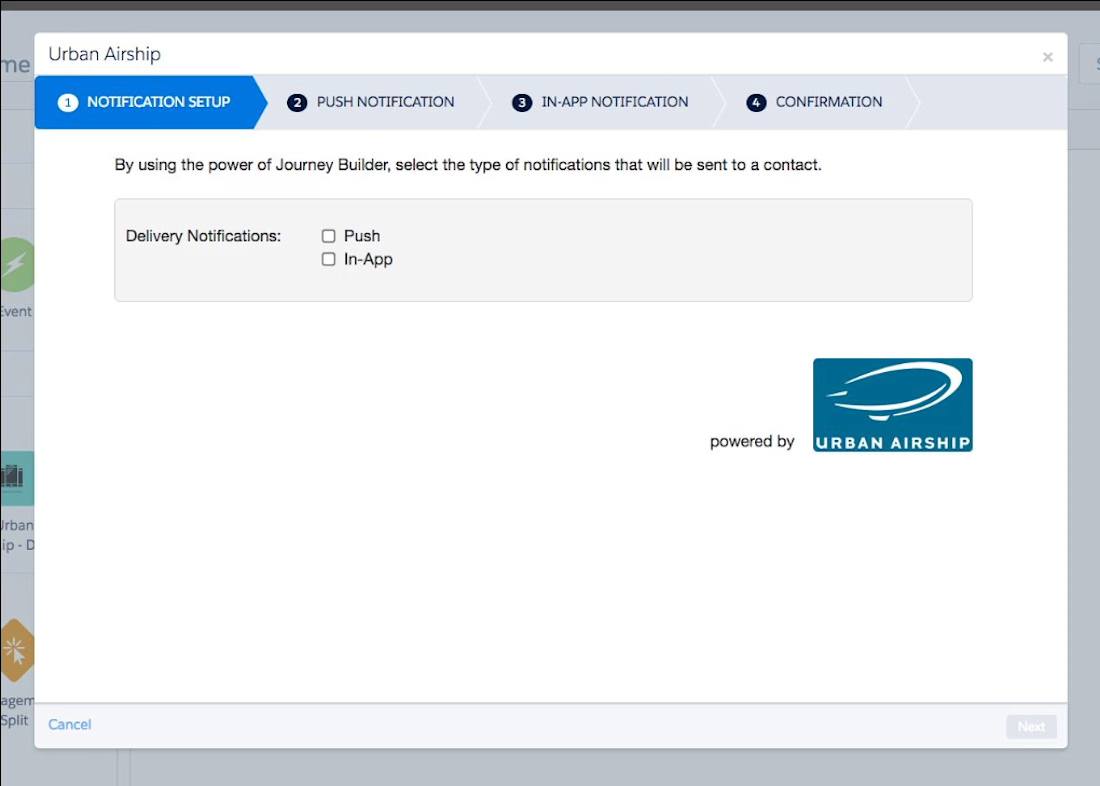
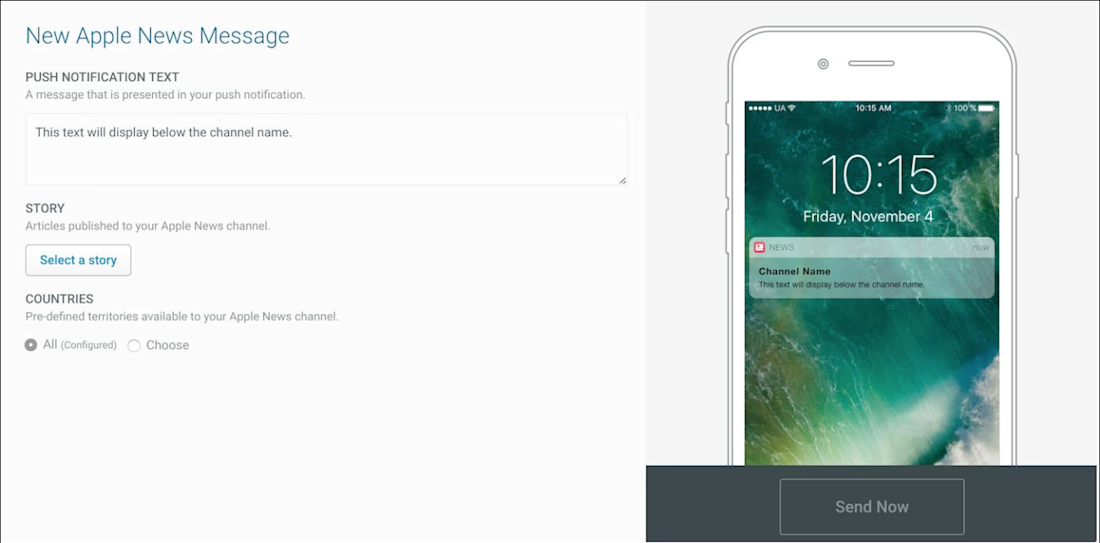
Airship is a real-time engagement platform that uses APNs to deliver event-driven, stateful user experiences. It manages multi-stage lifecycles (pre-event, active, post-event) and continuously updates user-facing content through push-based triggers and scheduled workflows.
The system combines APNs updates, event processing, and time-based orchestration to keep user data in sync across a session.
This directly aligns with Apple Wallet requirements, where a pass or Live Activity needs to be updated dynamically over time via APNs, based on events like trip status, timing, and user activity.



oh, great
The network for creativity
Join 1.25M professional creatives like you
Connect with clients, get discovered, and run your business 100% commission-free
Creatives on Contra have earned over $150M and we are just getting started
Related posts

13:40: a finished Figma frame. 15:48: this, live on Vercel
Claude wrote every line of the code. I spent those two hours on the part clients actually pay for: looking at each version and saying what's off
17 commits, each one deployed. My notes went in as screenshots with red circles:
→ make the button edges look like ticket cutouts
→ replay the story chips every time you scroll past them
→ spacing 156, then 92, then back to 156
What made it fast was one Figma frame called "Ready for Dev". Every size, color and gap came from there, so nobody had to guess what the mockup meant
For a founder this means a real link on day one, and a fix you ask for at lunch is live by the afternoon


which is better one
6 voted
100%
0 voted
0%
6 votes
Closed

Been freelancing on Contra and building a tool for freelancers at the same time lol.
It's called ProposalForge. You give it a client brief and your rate and it drafts the proposal, and I use it on my own drafts too.
It's live now and free to try (3 proposals, no card). The video shows a free checker I made along the way that marks the phrases that make a proposal sound like ChatGPT. No sign-in: proposalforge.site/check
I'm trying to see where people actually get stuck. What part of writing a proposal takes you the longest? The opening, scoping and pricing, or just getting started?


