The network for creativity
Join 1.25M professional creatives like you
Connect with clients, get discovered, and run your business 100% commission-free
Creatives on Contra have earned over $150M and we are just getting started
Back to feedPost

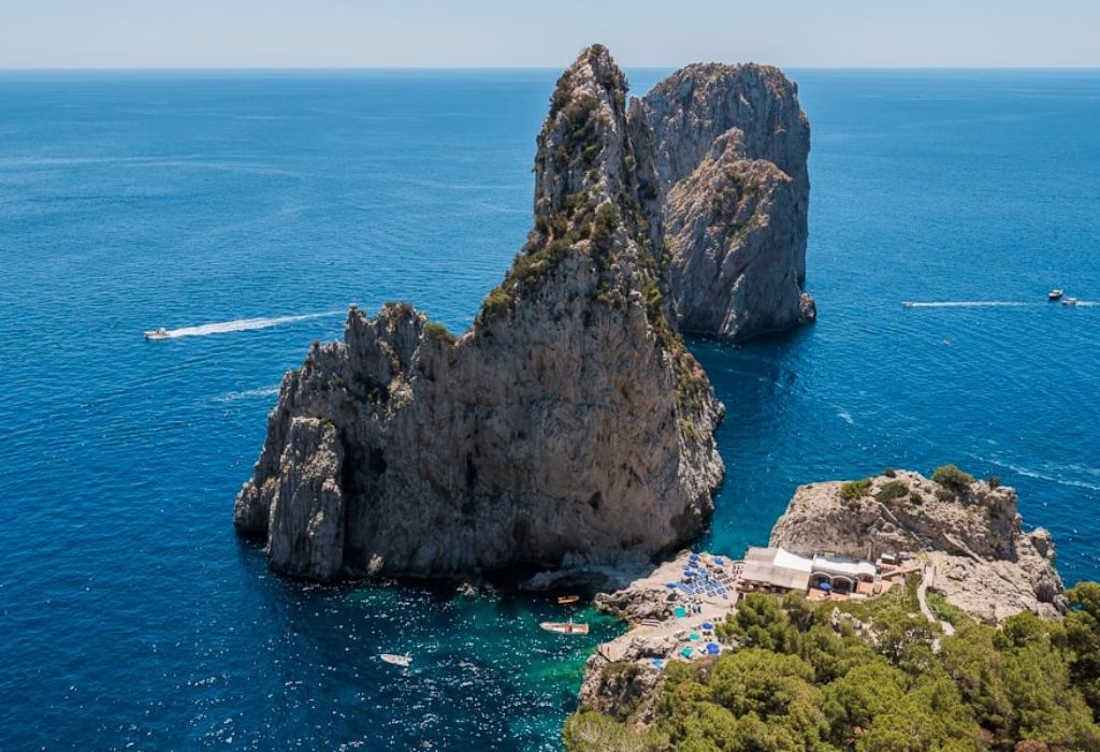
Wrote a destination-driven dining guide to Capri, showcasing key restaurants and culinary experiences tailored to luxury travelers and yacht charter guests. Combines local insight, atmosphere, and practical recommendations to support itinerary planning and onshore experiences.


The network for creativity
Join 1.25M professional creatives like you
Connect with clients, get discovered, and run your business 100% commission-free
Creatives on Contra have earned over $150M and we are just getting started





Related posts

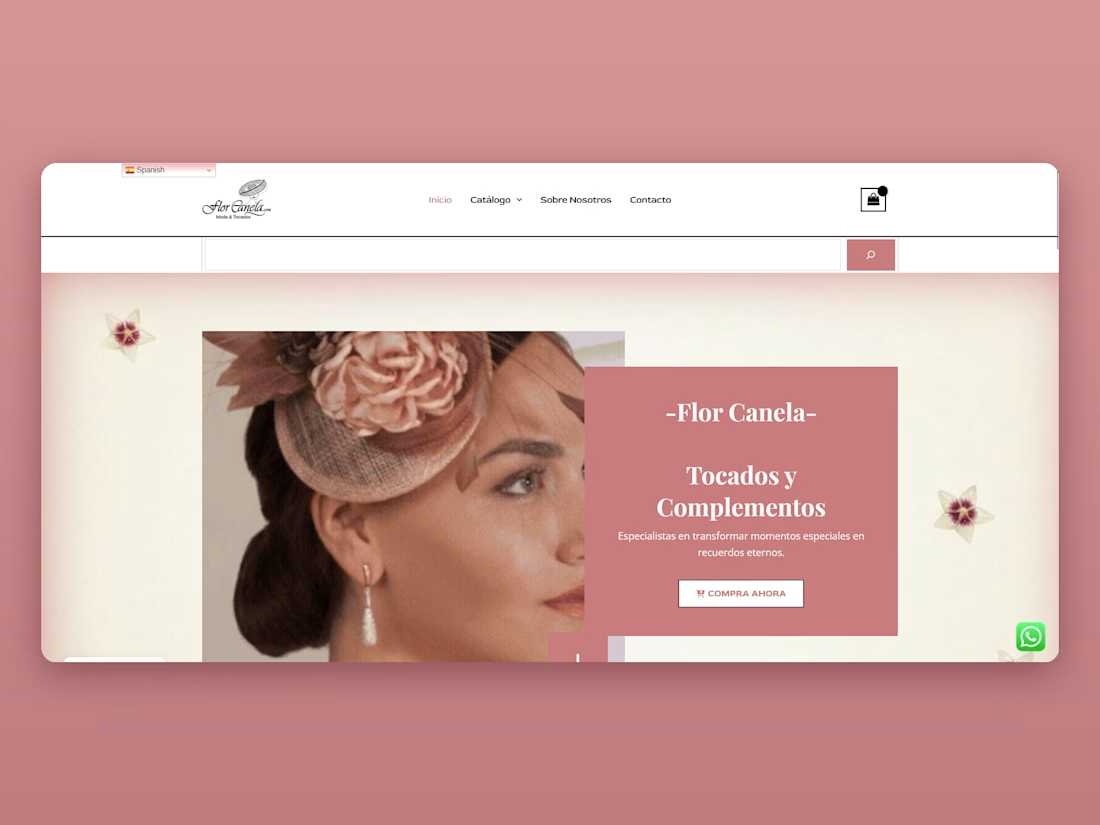
Online store for Flor Canela, a fashion accessories brand: bags, belts, headbands, earrings and handmade headpieces for special events. 🌸
Live: florcanela.com
What I built:
Elegant custom design aligned with the brand
Product catalog with categories, search and sale prices
Shopping cart and secure checkout with WooPayments
Legal pages (privacy, terms, returns, cookies)
Easy self-management: the client updates products, orders and content from the WordPress dashboard
Fully responsive, mobile-first design
Tech stack:
WordPress · WooCommerce · Astra · Spectra · WooPayments · Hostinger



Beautiful setup. The combination of elegant design and easy product management is a strong win for the client.

MatStore — High-Converting E-commerce Sales Page
Designed and developed a conversion-focused product sales page for MatStore, with a strong emphasis on visual storytelling, product presentation and a clear purchasing journey.
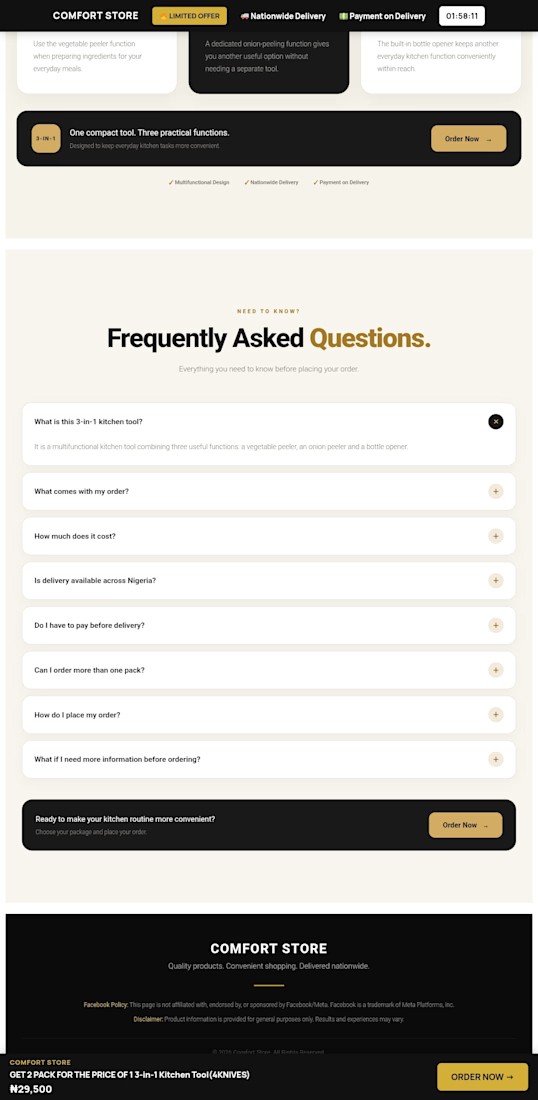
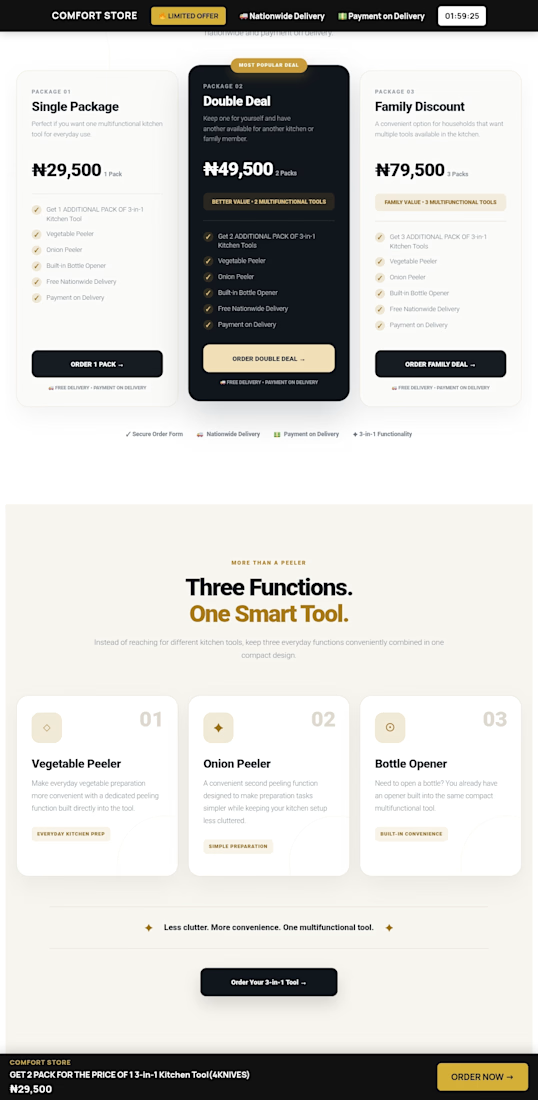
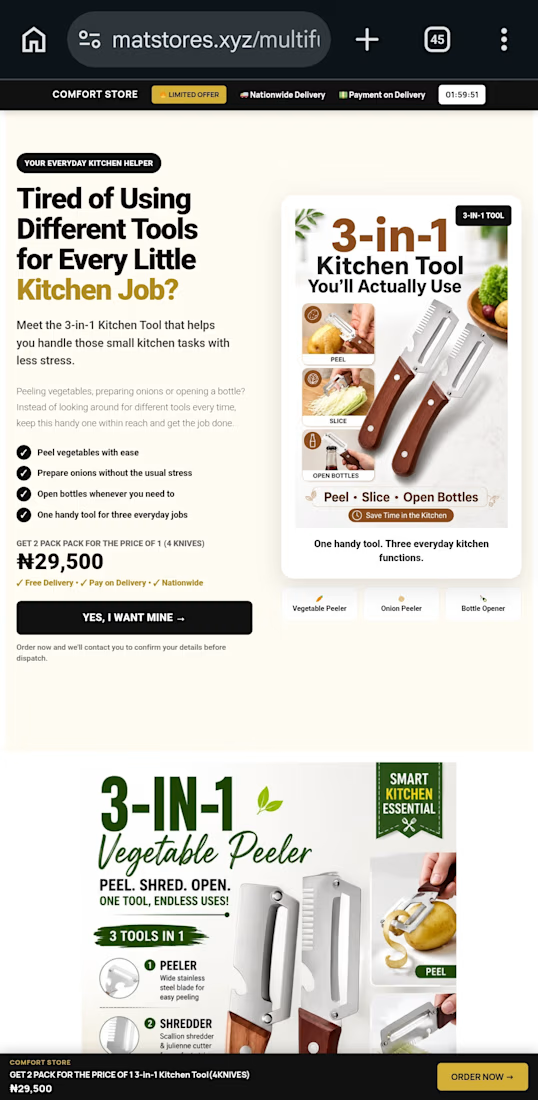
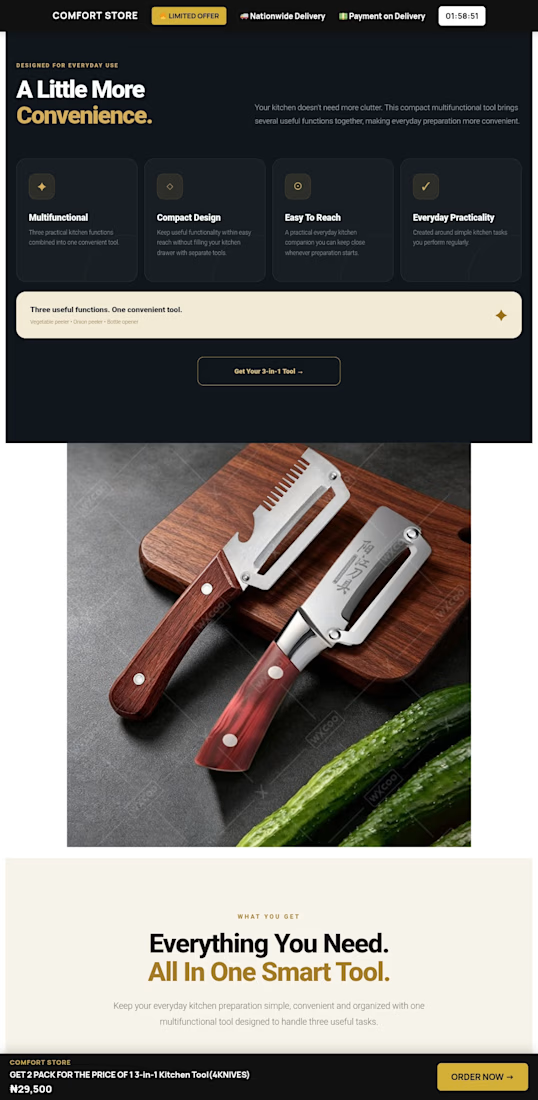
Clean approach. Strong product presentation and a clear buying journey can make a big difference.

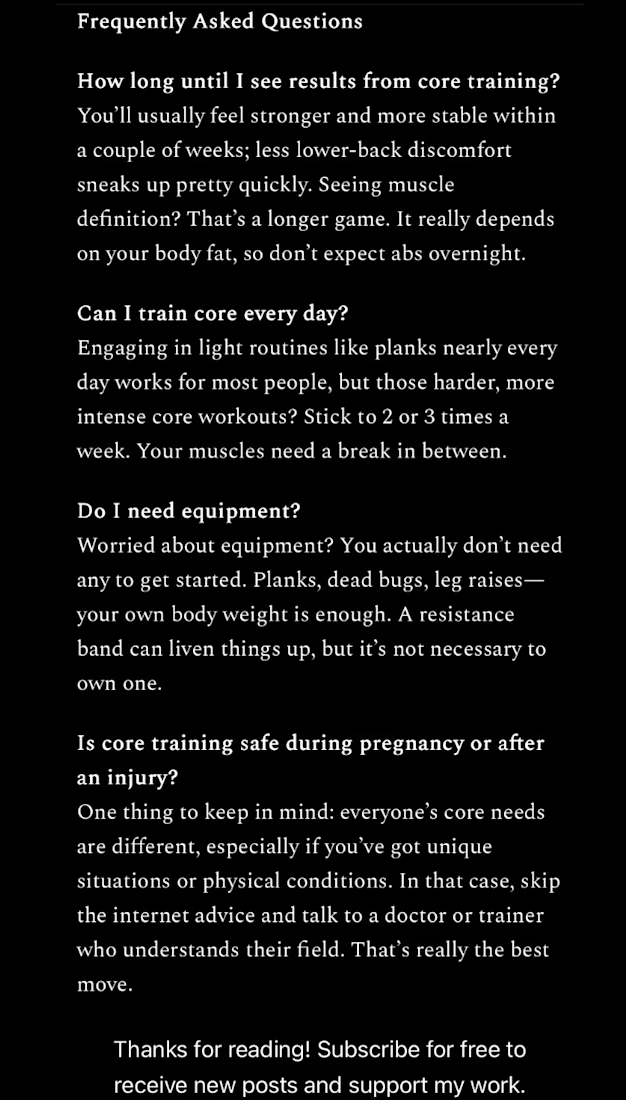
Core Strength Blog Post — SEO Content Sample
An SEO-style blog article written to correct a common fitness misconception: that core training means endless crunches. The piece breaks down what the core actually involves, the five exercises that matter most, training frequency, and a diet-myth section addressing visible abs vs. core strength — closing with an FAQ section built for search visibility. Written in a conversational, personality-driven voice rather than generic listicle tone.
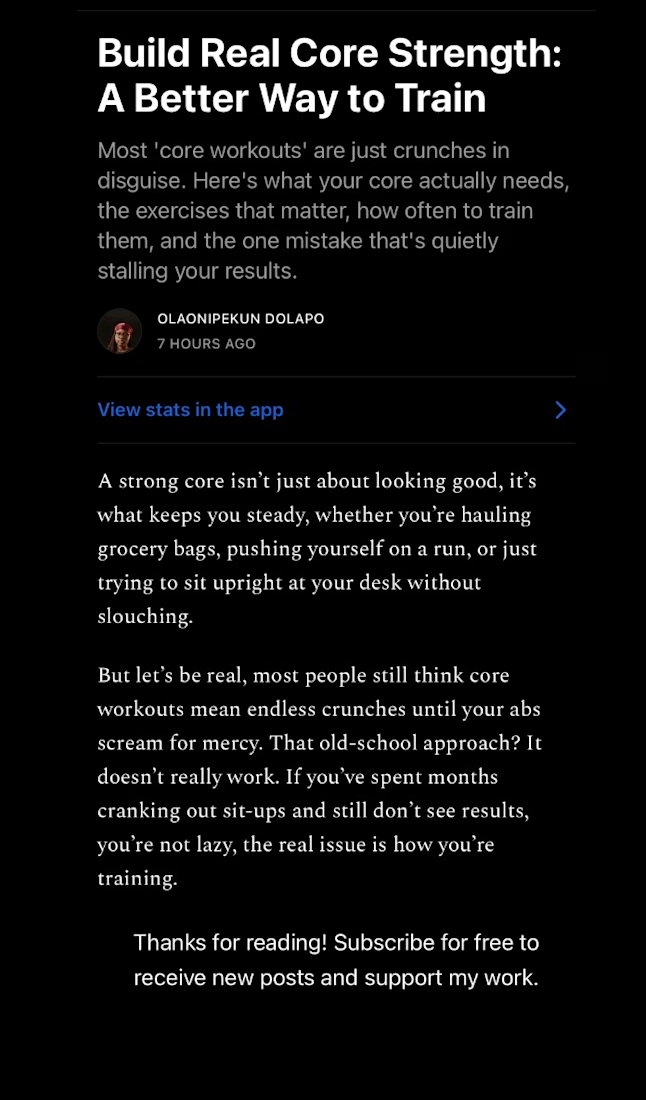
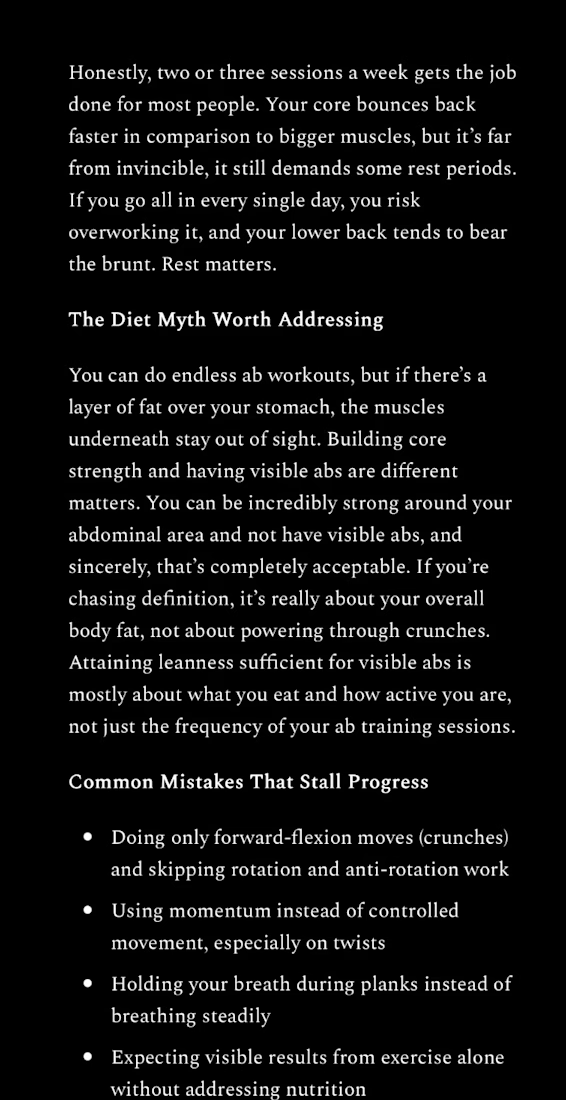
Great piece! Love how it breaks down core training myths in a clear and engaging way. 👏