The network for creativity
Join 1.25M professional creatives like you
Connect with clients, get discovered, and run your business 100% commission-free
Creatives on Contra have earned over $150M and we are just getting started
Back to feedPost

I never thought this would ever be possible, seriously..
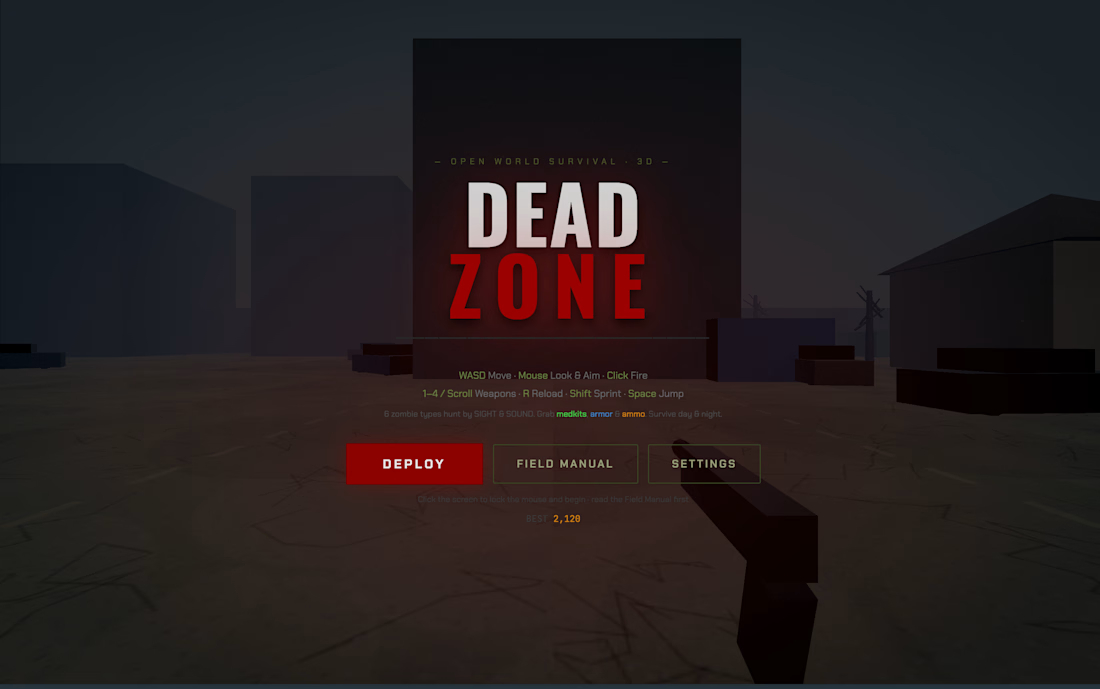
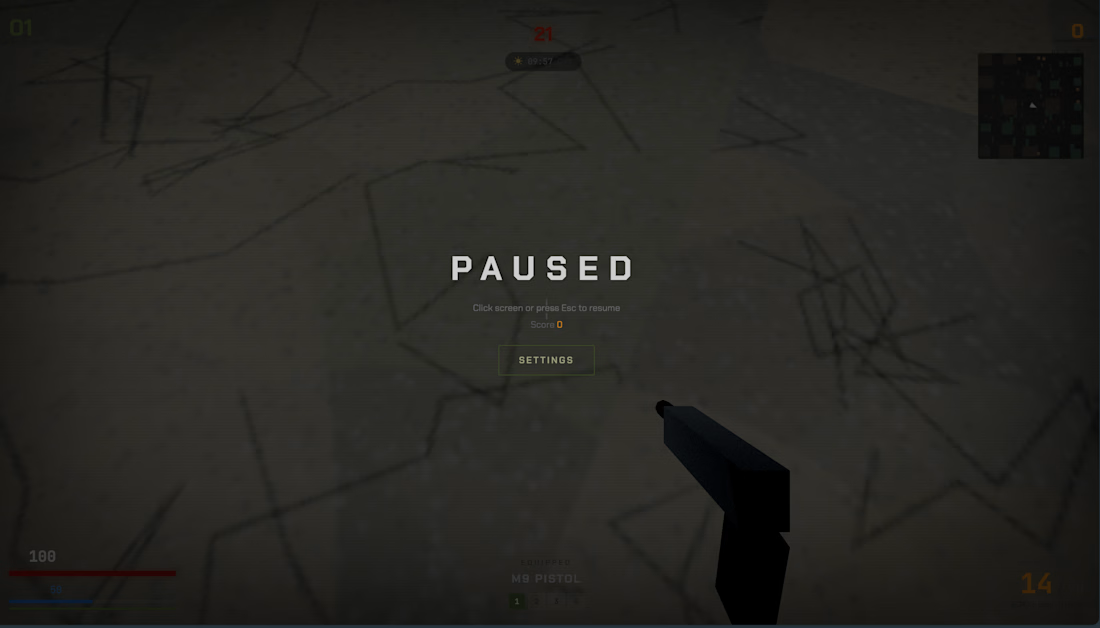
I built a 3D zombie survival shooter inside Figma Make, a tool that is meant for designing websites. It is called DEAD ZONE and it runs in the browser.
You drop into an open apocalyptic city with houses, abandoned cars, dead trees, and thousands of blades of grass moving in the wind. A full day and night cycle runs over it, so the sky moves from daylight to dusk to moonlight to dawn while the fog and shadows shift with it.
There are six types of zombies, and they do not charge you on spawn. They wander until they see or hear you. Gunshots pull them in, sprinting is quieter, and if you break line of sight they search your last position before giving up.
The waves never stop, every fifth one is a boss wave, and you fight through them with four weapons, real headshots, and medkits, armor, and ammo you scavenge along the way.
It started as a flat 2D raycaster and I kept pushing until it became this.
Play it here: zombieshooter.figma.site
Built with @Figma Make. #ConfigMakeathon


A 3D zombie shooter with a day/night cycle, sound-based AI detection, and line-of-sight logic, built inside Figma Make. That's genuinely absurd in the best way. The part about zombies searching your last known position before giving up is proper game AI thinking. Did the...

Love everything about this.
The network for creativity
Join 1.25M professional creatives like you
Connect with clients, get discovered, and run your business 100% commission-free
Creatives on Contra have earned over $150M and we are just getting started





Related posts

I’ve always liked products that solve a very specific problem instead of trying to do everything.
So for the Lovable Challenge, I picked a simple question that event-tent rental businesses hear all the time:
“Can I book a tent for my wedding?”
The problem is… a tent can’t really be booked until you know if the whole event will work.
How many guests?
How much usable space?
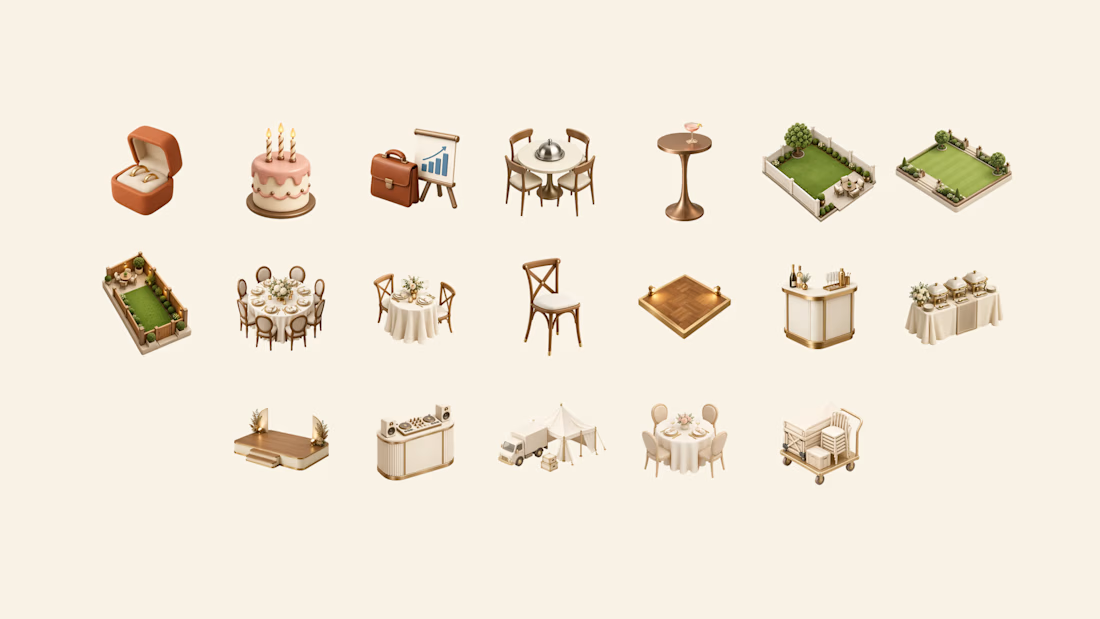
Tables? Dance floor? Bar? Stage?
Will the layout actually fit?
Can the crew set it up and pick it up on time?
Usually, the owner has to figure all of that out manually through messages, calls and calendar checking.
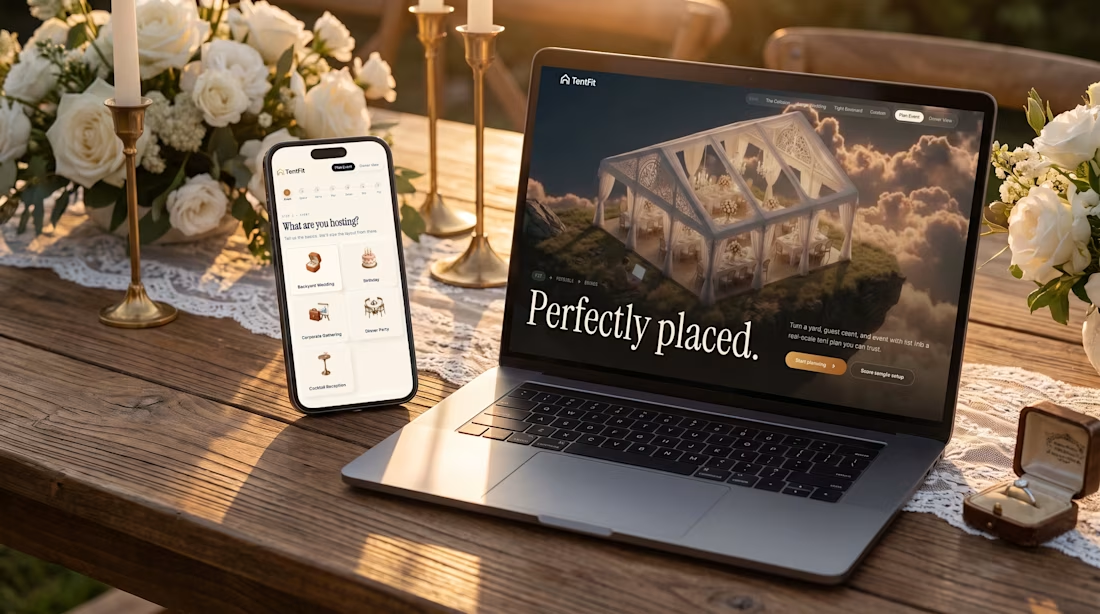
So I built TentFit — a spatial booking experience for event tent rentals.
The customer starts by planning the event, then maps out the space and everything they want inside it. TentFit checks the layout and highlights conflicts.
And instead of just saying “doesn’t fit,” it helps solve the problem:
Switch the tent. Move the layout. Remove an element.
Once everything works, TentFit checks the logistics and turns the final setup into a booking.
The goal was simple:
Make the customer’s decision easier, and make the owner’s job easier.
The flow is basically:
FIT → FEASIBLE → BOOKED
I had a lot of fun building the spatial planning part of this one.
X/Twitter post: https://x.com/brjanov/status/2105630218492731501?s=20
Built with @Lovable
#LovableChallenge #ProductDesign #UXDesign #NoCode #SaaS #WebDesign



Nice stuff!

Nike × Champions League Ball Concept
An independent concept exploring what a Champions League ball could look like through Nike’s visual language.
The idea starts with a star containing a Swoosh in the negative space, then extends into a complete ball system using Nike’s existing panel construction.
Designed and animated with Spline, After Effects, and a custom 3D ball tool built for the project.
Unofficial concept. Not affiliated with Nike or UEFA.


This is very well thought of and creative


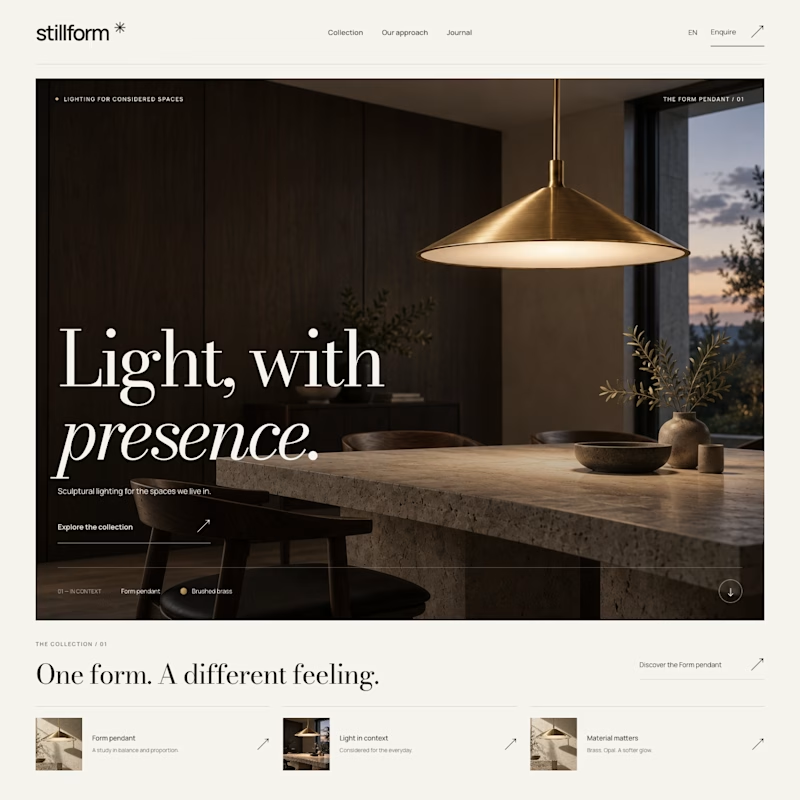
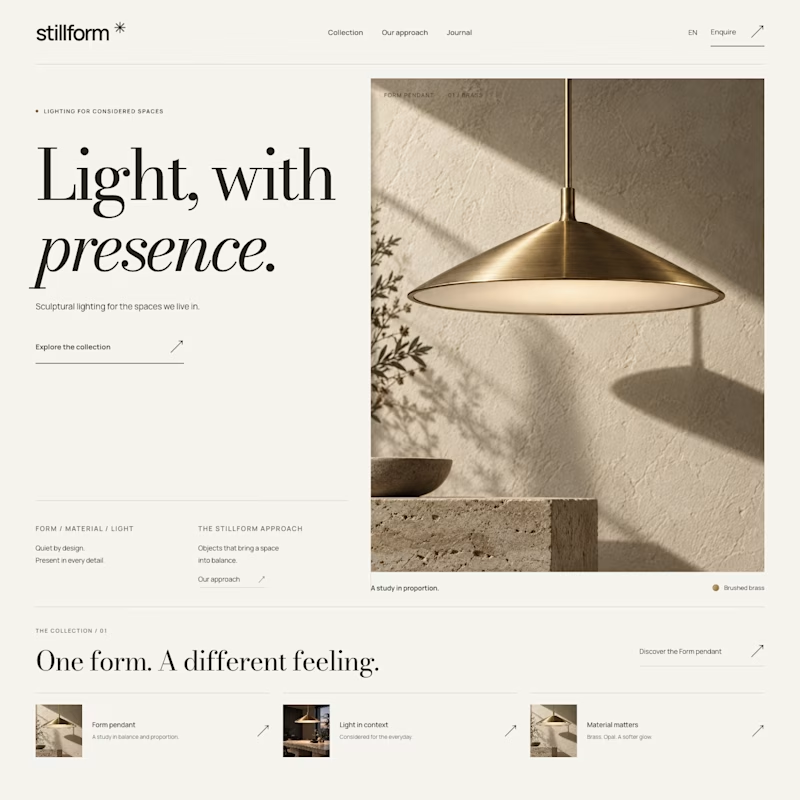

Atmospheric, and it was the photography that decided it. A lamp is a product you buy for what it does to a room, so seeing the warm glow pooling across a dark surface sells the feeling before the layout even registers. Sculptural is gorgeous but shows the object, Atmospheric shows the outcome.