The network for creativity
Join 1.25M professional creatives like you
Connect with clients, get discovered, and run your business 100% commission-free
Creatives on Contra have earned over $150M and we are just getting started
Back to feedPost

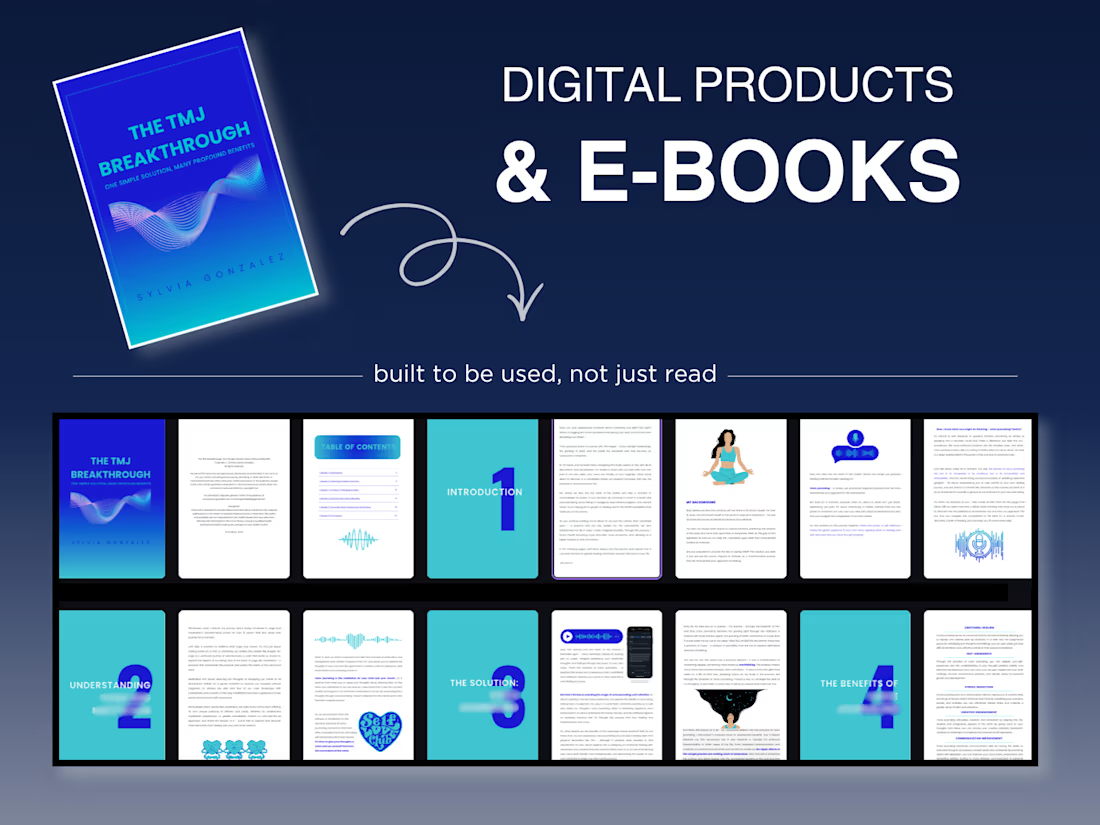
Created short-form e-books and digital assets designed to solve specific problems through clear, structured, and visually engaging content.
Led the full process from concept to final product, combining writing, layout, and user experience design to produce assets that are both functional and market-ready.
Deliverables include interactive PDFs with clickable navigation, embedded resources, and clean, conversion-focused design suitable for digital storefronts like Gumroad and Etsy.
Context
A short-form digital guide offering a non-medical, root-cause-informed approach to TMJ, designed for individuals seeking alternatives beyond conventional treatments. The content focuses on addressing underlying behavioral and psychological patterns that may contribute to chronic tension and jaw pain.
What This Demonstrates
◦ Ability to translate a personal insight into a structured, solution-focused digital product
◦ Strong content organization and clarity in presenting a non-traditional approach
◦ End-to-end ownership: concept development, writing, design, and distribution
◦ Visual layout and user experience design, including clickable navigation and embedded resources
◦ Positioning and packaging of a niche solution for a specific, motivated audience


The network for creativity
Join 1.25M professional creatives like you
Connect with clients, get discovered, and run your business 100% commission-free
Creatives on Contra have earned over $150M and we are just getting started



Related posts

Paid social ads and a 24-page research report for Conversion, the agentic marketing automation platform replacing Marketo and HubSpot.


Bold pizza hook sells the report well.

Dashboard design for AllWays Holiday.
Clarity is what makes a good dashboard.
Every section, metric and action should help users understand what's happening and what needs their attention.
Designed to make managing travel operations easier.
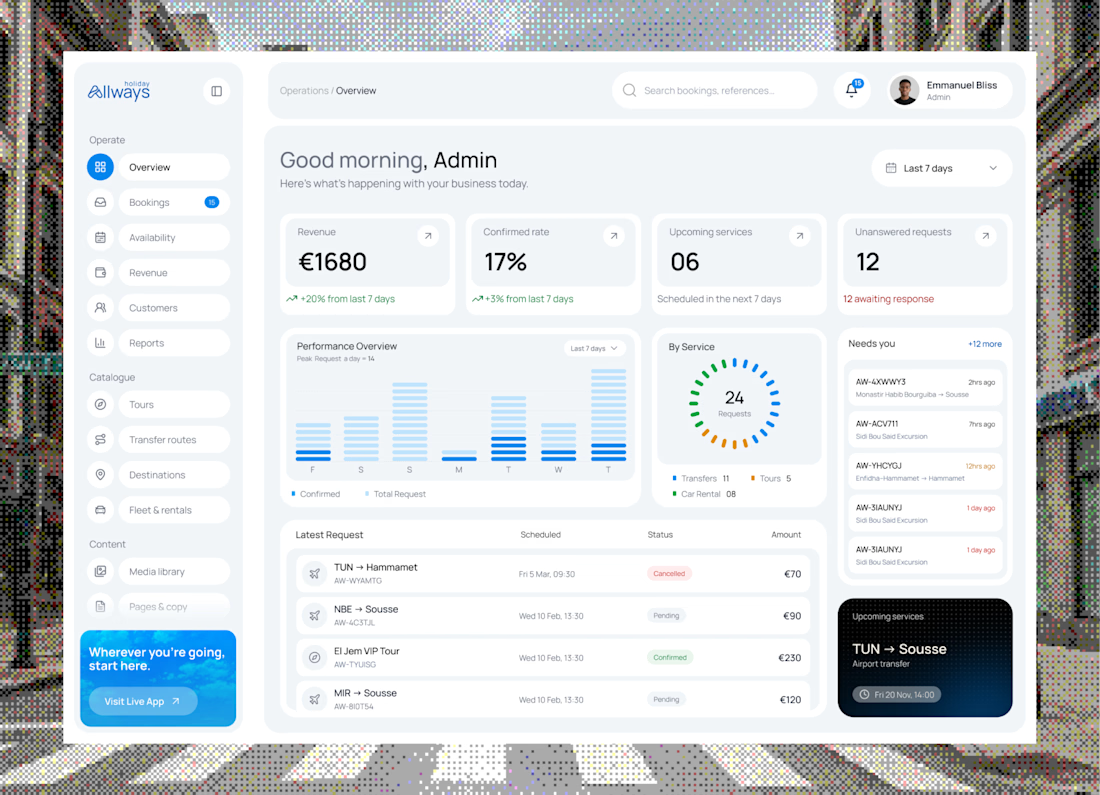

"What needs their attention" is the part most dashboards miss. Clean KPI cards up top, then the list below makes it easy to act. Did you consider pulling urgent bookings or issues into their own highlighted block, so ops teams see problems before they scroll?

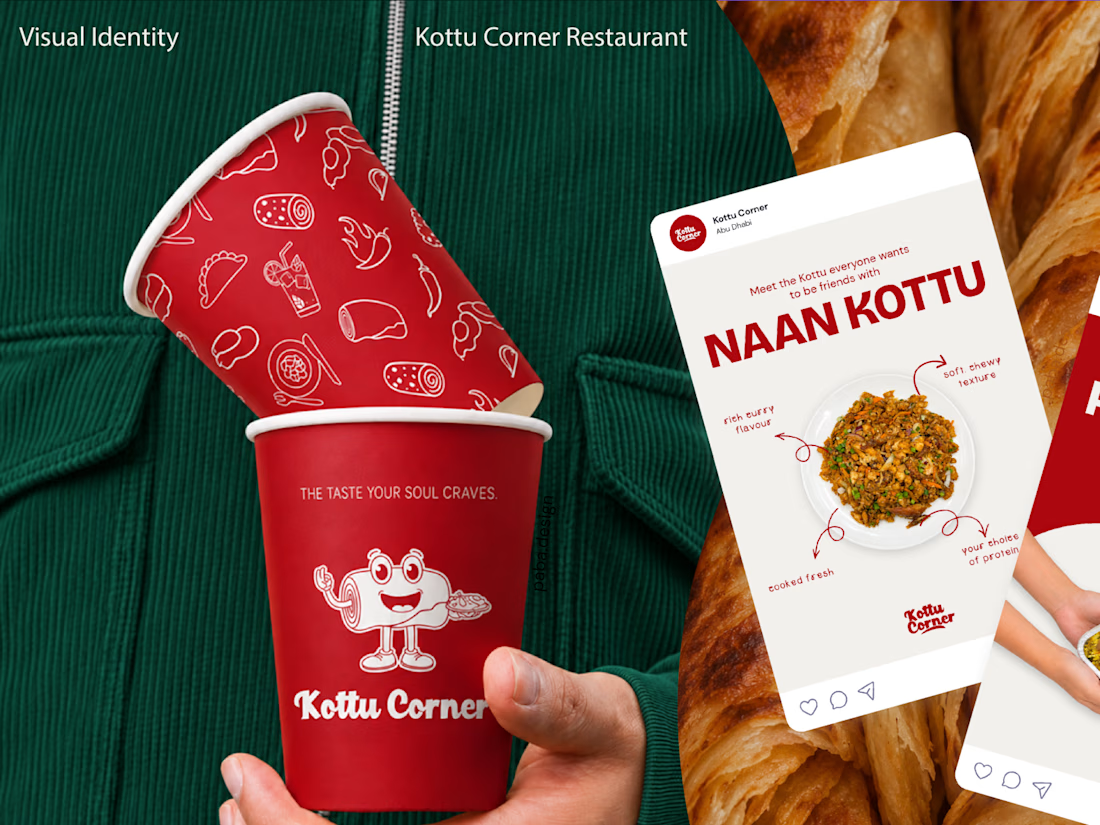
What if your business already has a logo, but nothing else that makes it recognizable as a brand?
That was the starting point for my recent branding project for Kottu Corner, a restaurant in the UAE.
They came to me with an existing logo, but without a complete visual identity to support it.
Redesigning the logo simply for the sake of change wouldn't have been a smart business decision. With the brand preparing for a major transformation, the existing logo was the one familiar element customers could still recognize. Changing it alongside everything else would risk losing that connection and making the brand feel unfamiliar to the very people who already knew and trusted it.
Instead, I focused on developing a cohesive brand identity around it, guided by the restaurant's audience, business goals, and plans for future franchise growth.
From brand strategy and visual direction to packaging, merchandise, and other brand touchpoints, the goal was to create an identity that feels recognizable, consistent, and true to the business.
Because sometimes, good branding isn't about changing what already exists. It's about building on it.
Explore the full case study! ❤️


Cool work!!