The network for creativity
Join 1.25M professional creatives like you
Connect with clients, get discovered, and run your business 100% commission-free
Creatives on Contra have earned over $150M and we are just getting started
Back to feedPost
Killed my Webflow service a month ago.
Most of the inbound was looking for a designer, not a developer. The slice that did want a developer was thinning every quarter as AI made site builds cheaper to ship.
A Hormozi line pushed the call: focus is what you say no to.
I'm now an AI automation engineer for marketing agencies.
3 weeks: 4 signed, 3 active.


ericforte.com
I Killed My Webflow Service. Here’s What Happened in 30 Days.
For years I hunted Webflow leads. The work kept thinning as AI commoditized site-builds. A month ago I switched to AI automation only. Four signed in three weeks.

What I cut:
-Webflow from the new site
-Webflow rebuilds from outreach
-Site-only inquiries from discovery calls
-Website line items from pricing
Hardest pass mid-pivot: a Senior Webflow Dev full-time role someone reached out about. Not looking for a job, looking for client work. Stung in a different way than the rest.
30 days in: 4 paying clients across 3 verticals (AI consulting, credit-repair, 3D/XR studio).
Same shape of work in all three: manual repetition that needed to be turned into a workflow, with AI doing the judgment calls.
Most pivot stories treat AI as the threat. The move was...
The network for creativity
Join 1.25M professional creatives like you
Connect with clients, get discovered, and run your business 100% commission-free
Creatives on Contra have earned over $150M and we are just getting started
Related posts


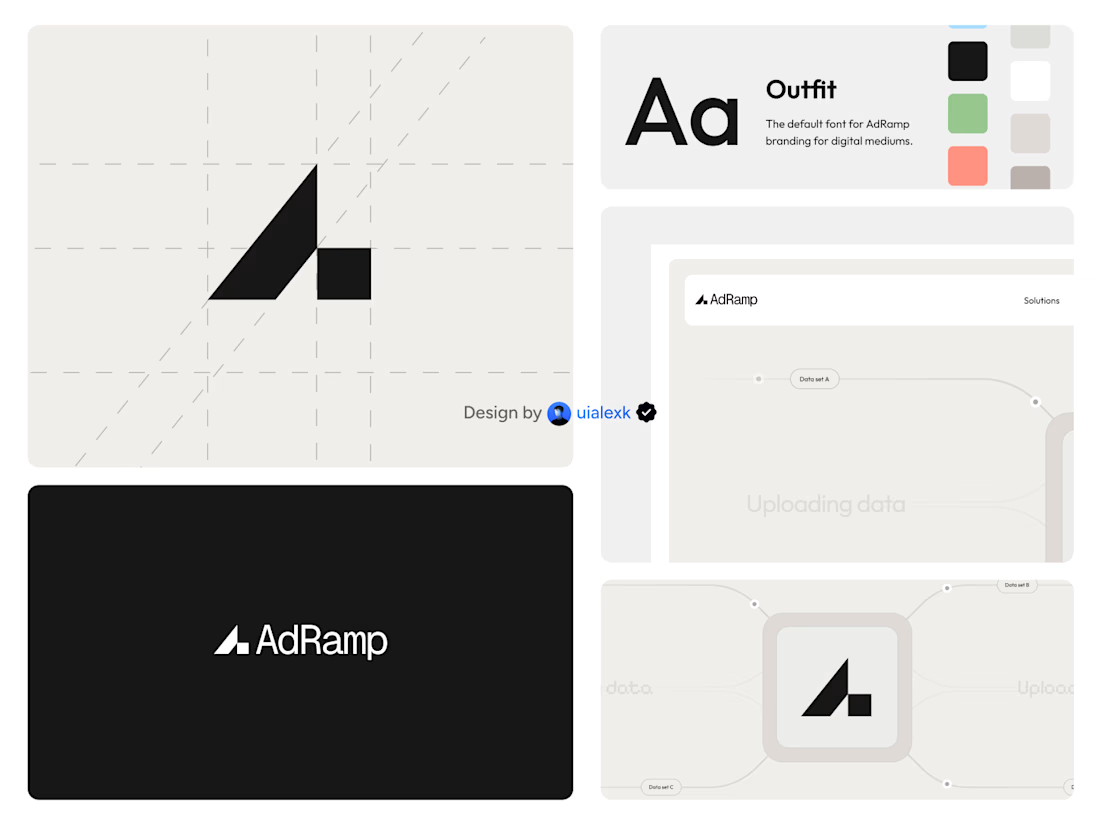

The A mark built on a diagonal grid, with the ramp stepping up on the right, is simple and holds up on the black AdRamp card. My challenge: the palette shows green and salmon swatches next to the black, but every application tile is black, white or grey. If the accent colours...


Feels like a lot of companies are trying their luck with AI instead of hiring designers right now.
I think it's going to backfire on them in a few months.
Trying to stay optimistic about it.

I can't wait for them to start hiring designers again. No matter how good AIs are, Human Intelligence will always supercede it.


You need a strong starting point for a sales-tech brand without trying too hard.
A generic SaaS template won’t work in this case.
What you need are:
• Sales-focused product UI
• Personalized outreach with follow-up and reply intelligence
• Pricing, testimonials, FAQs, and integrations
• CMS for blog posts, feature pages, and case studies
• Clear paths to demos and trials
That’s how we designed Avina, our new Framer template.
Built for AI sales products, outbound automation tools, and sales-focused SaaS products.
Avina is designed around a real outbound sales journey.
So visitors understand quickly.
Check the link in the comment.


What I like here is the focus on the actual sales journey, not just the visual design. For AI sales tools, showing how outreach, follow-ups, and reply handling connect to real outcomes can make a big difference. Curious how you approached that in Avina?