The network for creativity
Join 1.25M professional creatives like you
Connect with clients, get discovered, and run your business 100% commission-free
Creatives on Contra have earned over $150M and we are just getting started
Back to feedPost

Front-End UI & Responsive Design
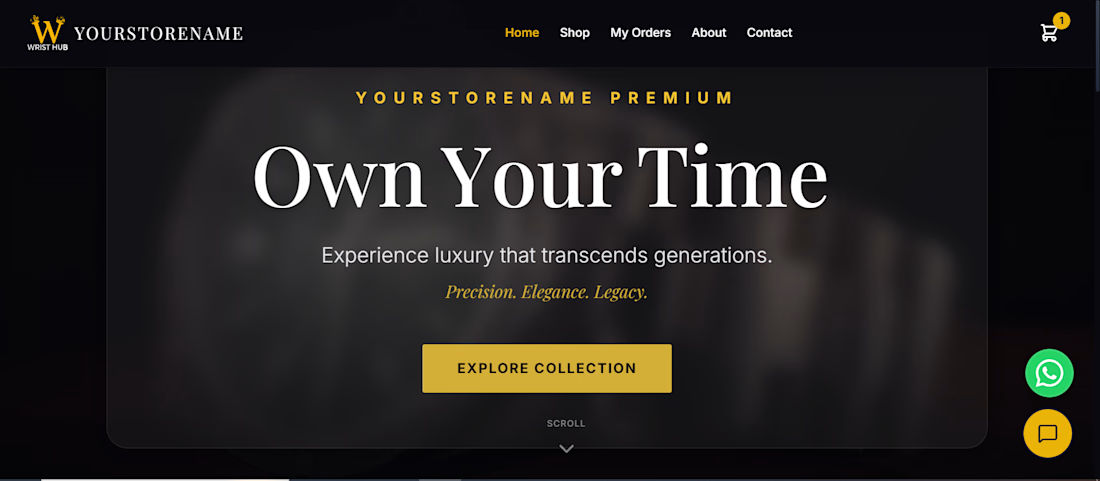
A look at the WristHub storefront. Built with React and styled entirely with Tailwind CSS, the focus here is on a highly responsive, modern user interface. The layout is engineered to load instantly via Vite and provide a premium browsing experience for luxury watches across all device sizes.


The network for creativity
Join 1.25M professional creatives like you
Connect with clients, get discovered, and run your business 100% commission-free
Creatives on Contra have earned over $150M and we are just getting started





Related posts

What if you could explore a basketball arena in 3D before booking your seat?
You found the game. But before you pay, how do you know which seat is worth it? A flat seating chart gives you a section and a number, but it can be hard to picture your position relative to the court.
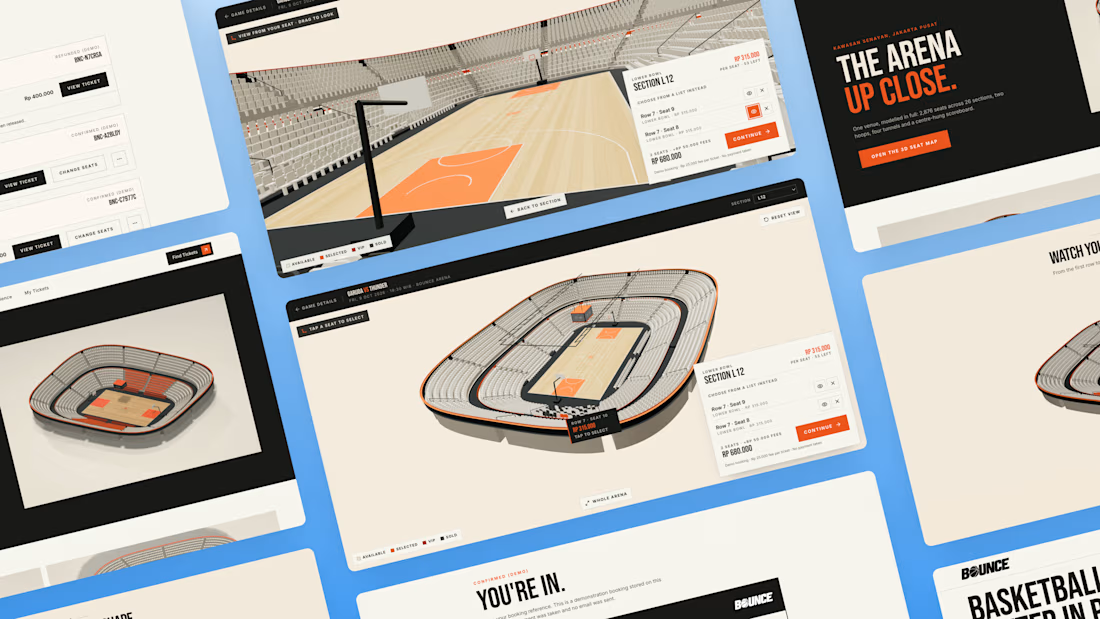
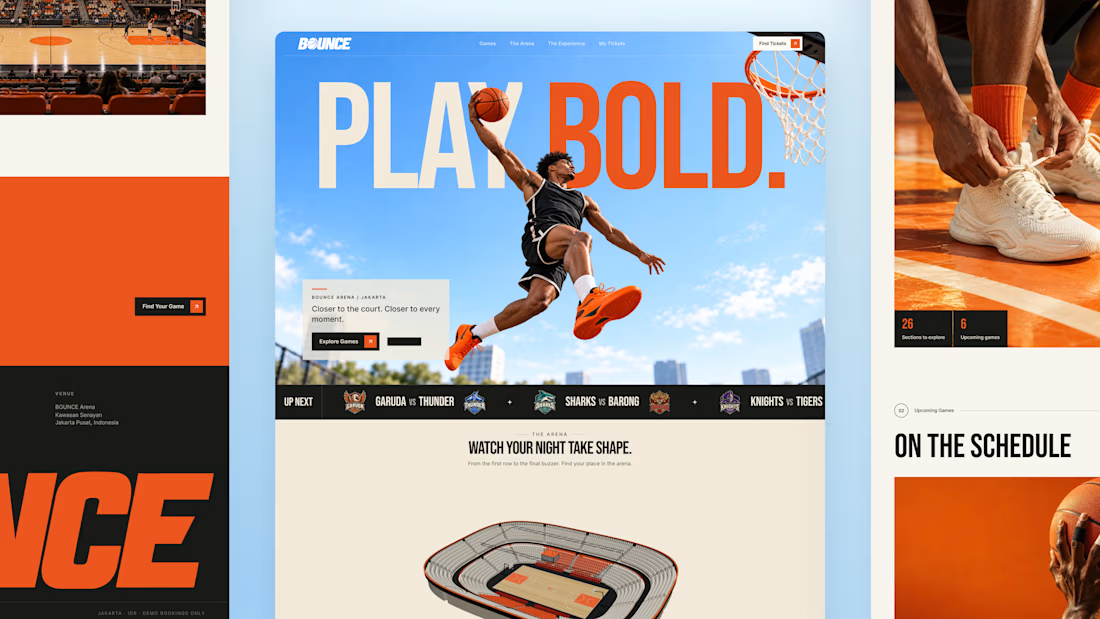
So I built BOUNCE with Lovable, a basketball ticketing concept centered around interactive 3D seat selection.
Rotate the stadium, zoom into the stands, explore different sections, and compare prices before choosing your seats directly inside the 3D arena. The goal is simple: help fans feel more confident about where they’re sitting before they book.
From there, complete checkout and get a ticket you can view, save, or print. My Tickets brings bookings together, with a one-time seat change for the same game and refund requests for eligible bookings.
Bold orange, oversized typography, and scroll driven motion bring the energy of basketball into the experience.
Try the demo: https://bouncebasketball.lovable.app/
Fictional teams. Simulated payments. No real charges.
Less guesswork. More game. BOUNCE. Your game. Your view.



The 3D elements, especially seat pov idea is very interesting🔥

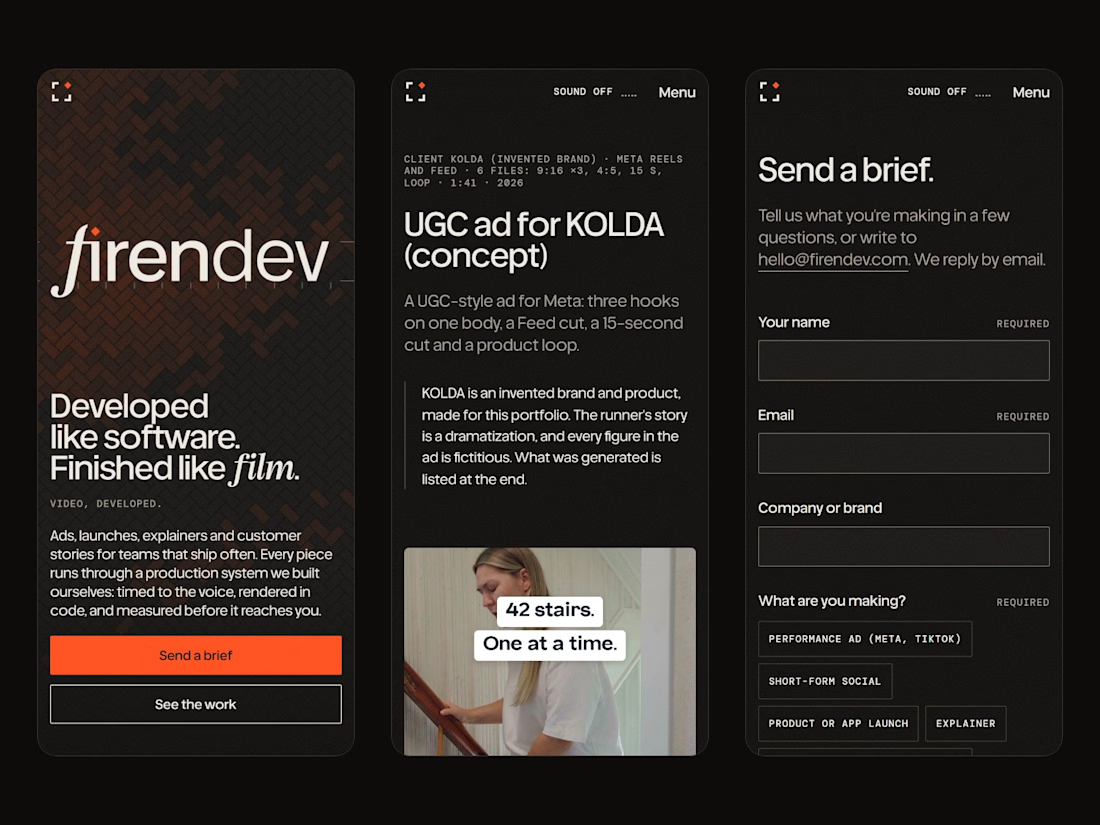
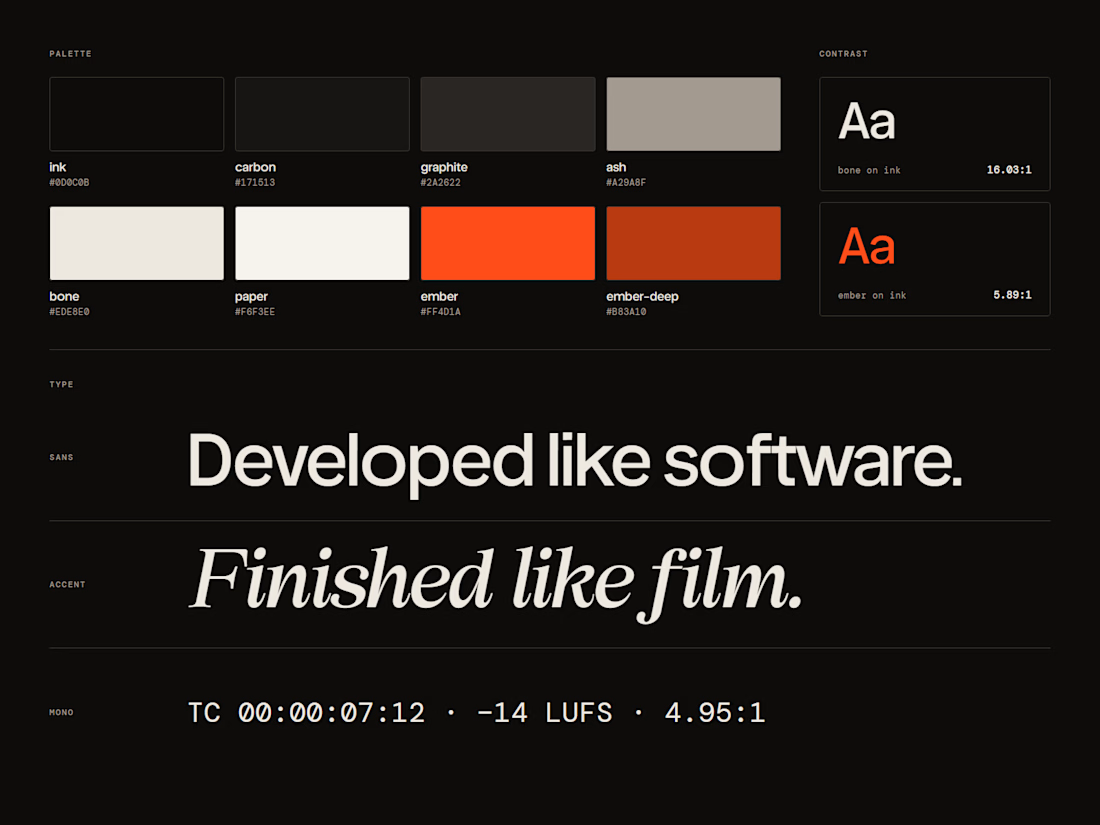
firendev: brand identity and website.
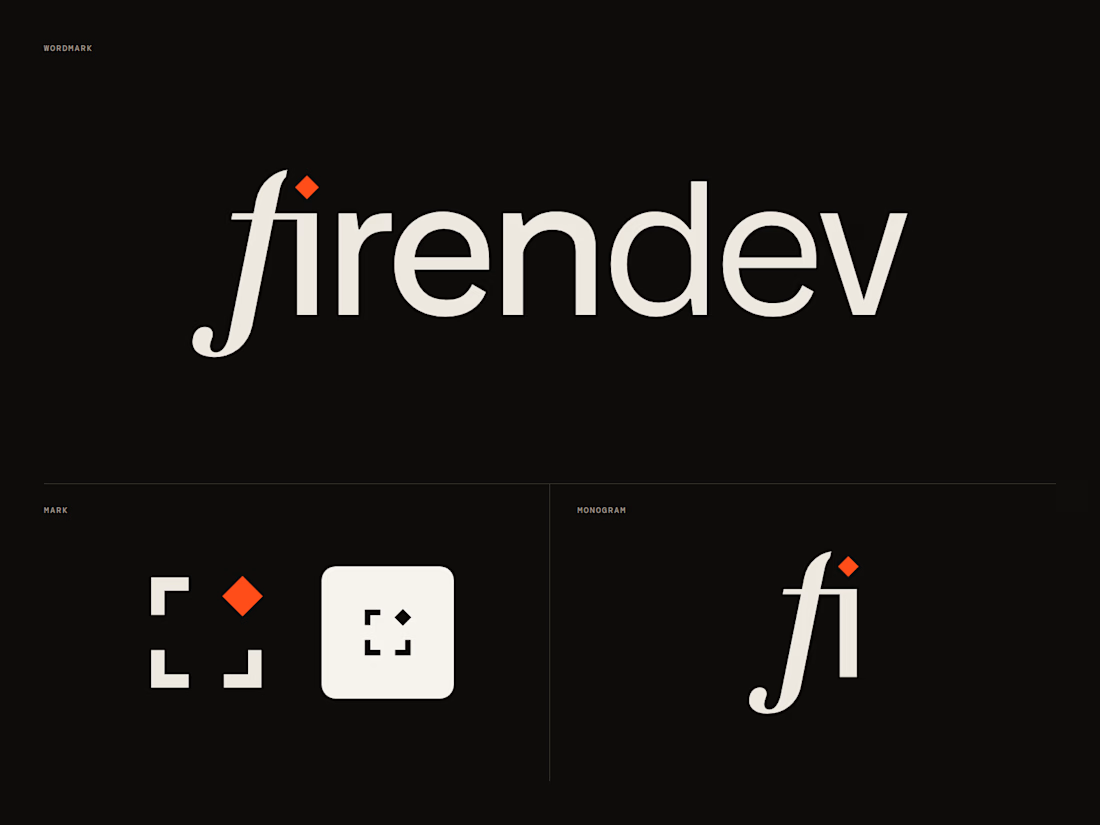
firendev is a video studio, and the name carries the whole brand. Fire, for the spark that starts every piece. Firenze, for a craft measured with proportion and geometry. Develop, in its two senses: developing film and developing software. One line holds it together: developed like software, finished like film.
Everything else grows from that. The spark is the dot of the i. The floor is the herringbone brick of Florence's Duomo. The mark is a camera frame waiting for its spark.
I'd love your honest take on the mark and the hero.
Full case study: https://contra.com/p/bWEMrvZW-firendev-brand-identity-and-website




It's a great design 🔥
I liked the animation in Hero; I'm curious which library you used.


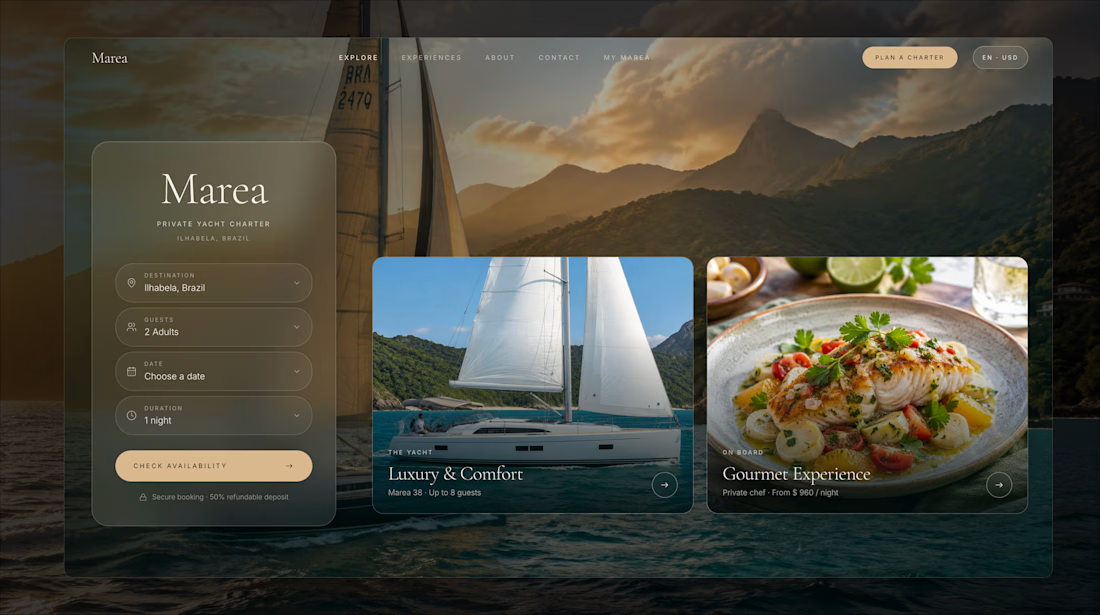
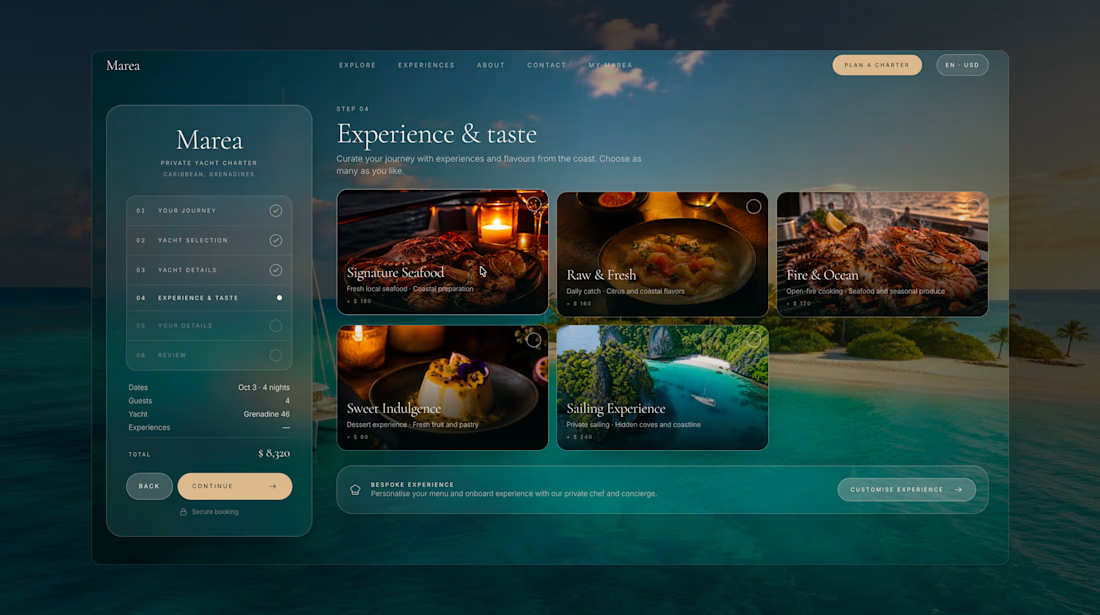
Marea — Private Yacht Charter
Booking a yacht sounds simple.
Until a guest wants a sunset dinner for six.
Now someone has to check availability, coordinate the yacht and chef, confirm the menu, collect dietary requirements, arrange the extras, and keep an eye on the weather.
For a small charter business, that can mean a lot of back-and-forth before a booking is actually confirmed.
So I built Marea around a simple idea:
The guest should choose the experience. Marea should handle the coordination.
Instead of starting with a long inquiry form, guests can build their trip visually, choosing the destination, date, yacht, experience, dining options, and preferences through one guided flow.
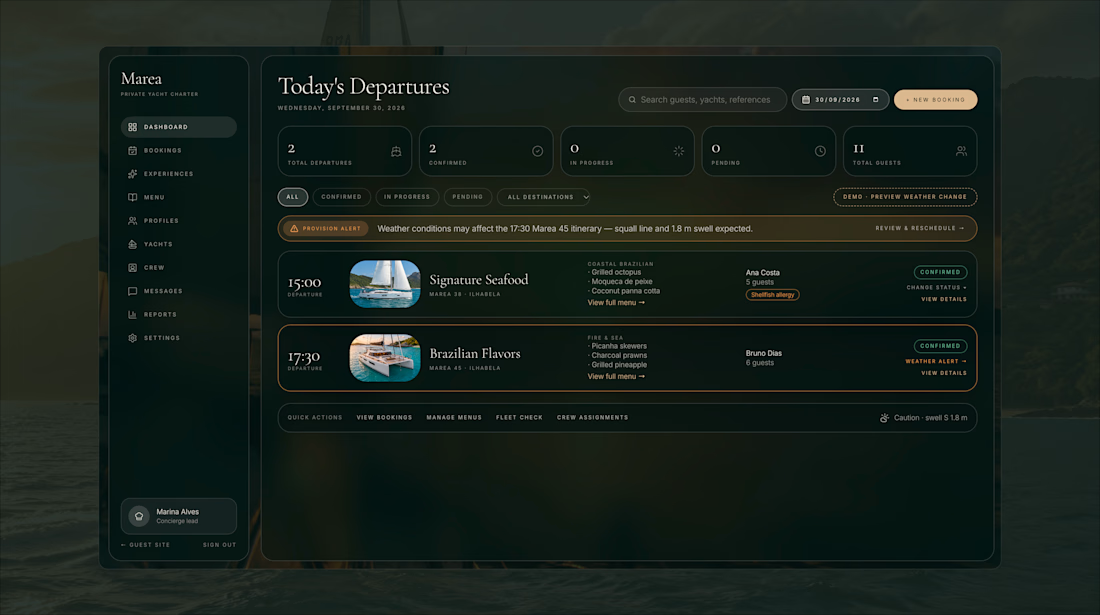
Behind the scenes, the concierge gets everything they need in one place: guest details, preferences, special requests, payment, and trip status.
And because sailing doesn't always go according to plan, Marea also brings weather and rescheduling into the booking experience.
One booking. Boat, chef, dinner, and everything in between.

This is stunning, sign me up, where do I book?! 😅