The network for creativity
Join 1.25M professional creatives like you
Connect with clients, get discovered, and run your business 100% commission-free
Creatives on Contra have earned over $150M and we are just getting started
Back to feedPost

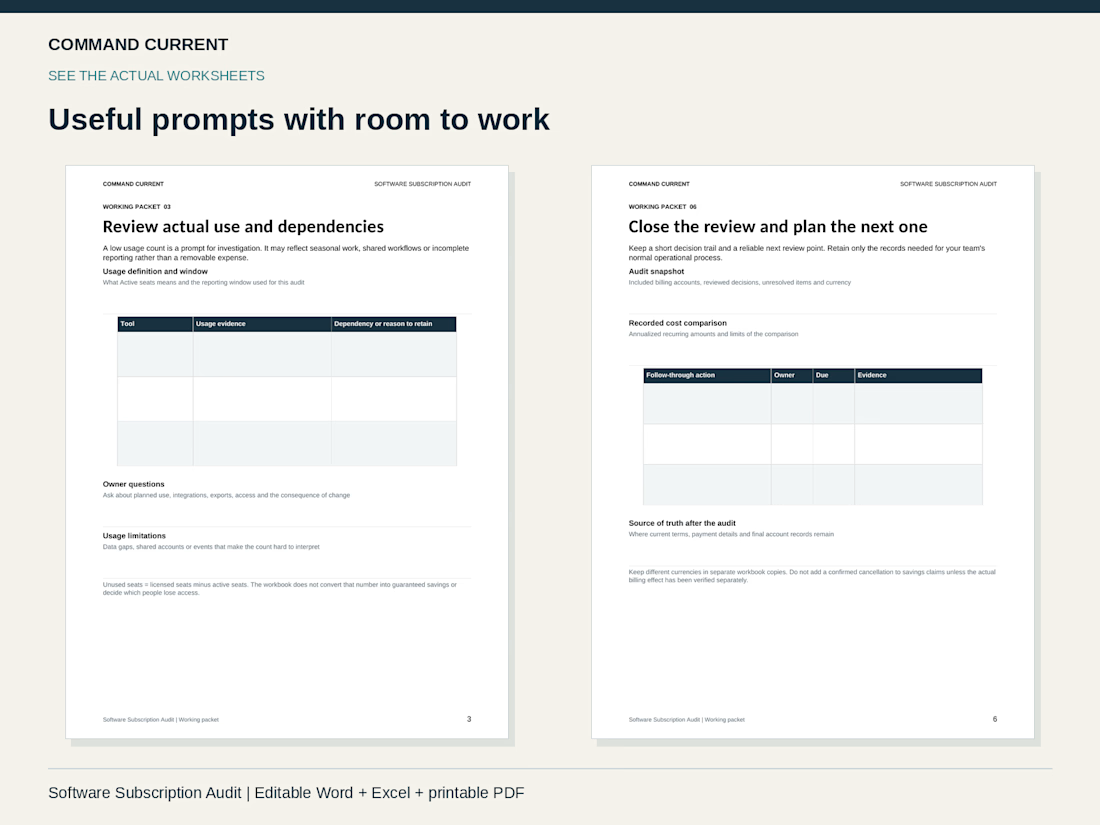
Before removing a software seat, check what work still depends on it.
A low usage count can reflect seasonal work, a shared workflow or an incomplete report. Give each account owner three questions:
• What does “active” mean in this report, and what period does it cover?
• Which projects, integrations, exports or shared access rely on this account?
• If a change is approved, who will make it and where will the actual result be recorded?
Keep the item open until the change is confirmed. A cancellation request alone doesn't establish the billing effect.
These are actual worksheets from the Software Subscription Audit Kit. It includes a six-page editable Word packet, a 40-row Excel account tracker, printable PDFs, a fictional completed example and a Quick Start.
A practical way to organize the review and follow-through. Account changes still happen through your normal vendor process.
Explore the kit: https://contra.com/products/liXyucUB-software-subscription-audit-kit


The network for creativity
Join 1.25M professional creatives like you
Connect with clients, get discovered, and run your business 100% commission-free
Creatives on Contra have earned over $150M and we are just getting started





Related posts


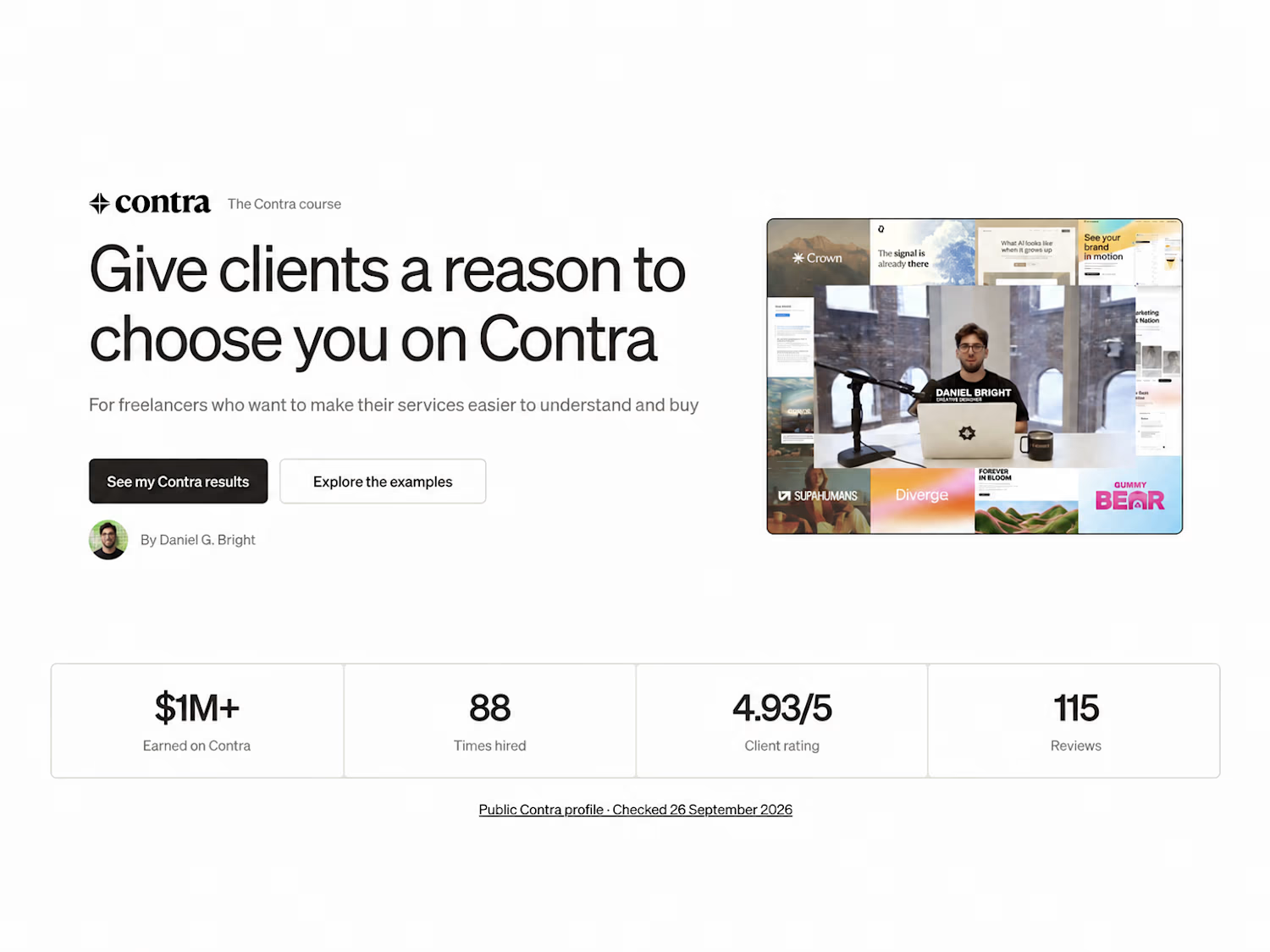
I’ve earned over $1M on Contra, and now I’m opening up the profile behind that number.
The Contra Handbook is live.
It brings together how I present my work, structure my services and make it easier for a client to understand what they can hire me for.
And making it meant putting my own profile under inspection.
There was a typo in my title. 20 services that needed cutting down. 14 products with no reviews between them. Those changes are part of the course. You watch me work through them on screen, with the reasoning behind each decision.
Across eight modules, you work through your own profile too. Each chapter ends with something concrete to change, and the final module brings it into a 90-day plan.
You get the videos, written Handbook, profile scorecard, role specific guidance and access to The Ledger, the private course group.
If you’ve put real effort into your work and want your Contra profile to represent it properly, this is for you.


Hug earning Legend nice work 🔥🔥 I like your work structure ❤️❤️


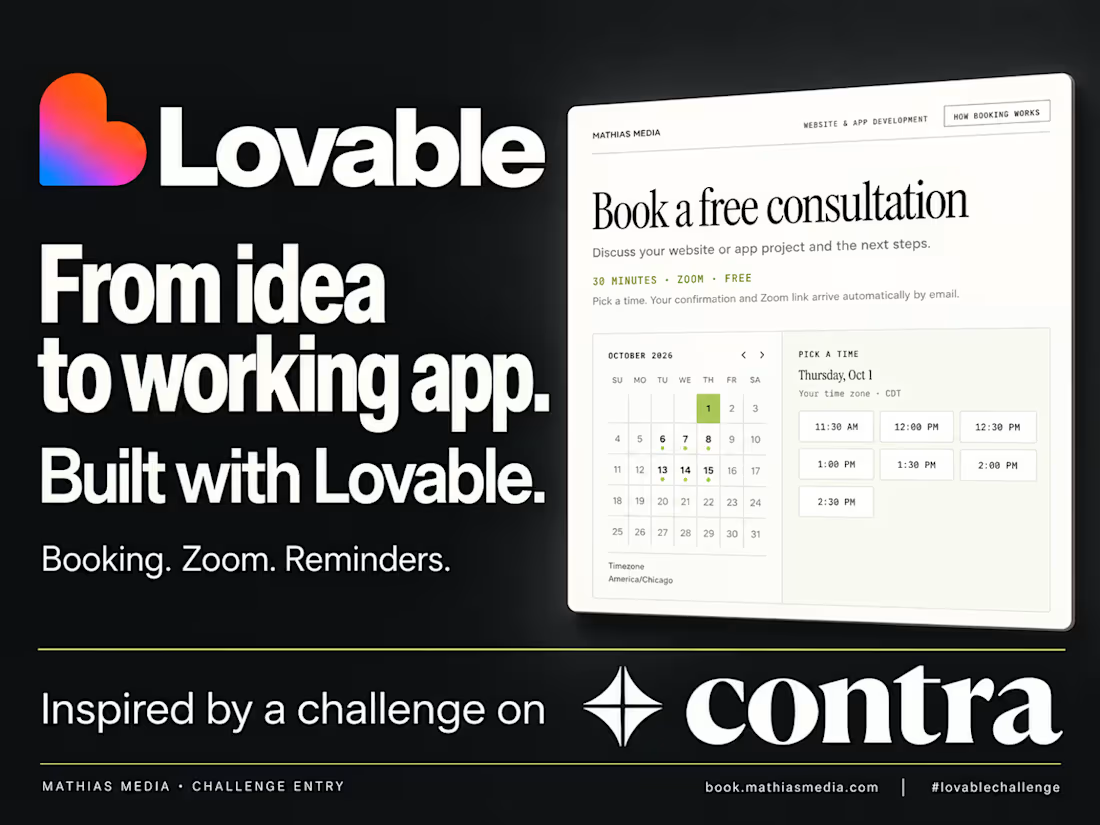
I used @Lovable to build a working booking app for my business—and the most useful part happens after someone clicks “Book.”
The goal: easier booking for clients, less scheduling work for me.
The app creates their Zoom meeting, sends their confirmation, schedules reminders, and lets them reschedule or cancel.
The client’s part? Pick a time. Enter a name and email. Done.
I built this for Mathias Media, my website and app studio in Minneapolis, as part of @Contra’s #lovablechallenge.
With Lovable, I built around how I actually work: consultations Tuesday through Thursday, a maximum of three calls a day, and buffers between appointments. The app handles those rules while keeping booking simple.
That’s what makes this Contra challenge worthwhile: a reason to turn a real business need into something useful with Lovable.
Try it: https://book.mathiasmedia.com/
Walkthrough and build-process recording attached.
Have a business process you wish worked better? Give Lovable a try.

Baking the Tuesday to Thursday, three calls max rule right into the app is the smartest part of this imo. Most booking tools make you bend around them. Have clients noticed the limits or does it just quietly feel like you're in demand?

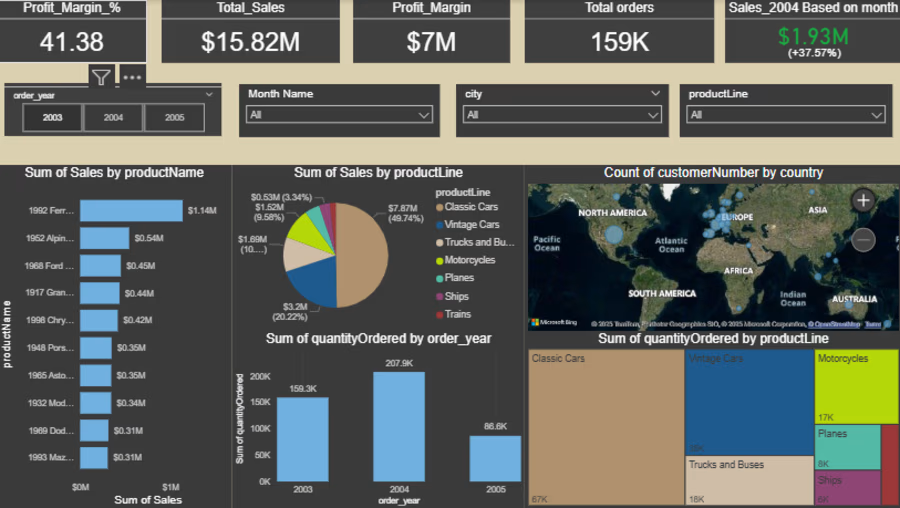
I Created Microsoft Power BI Dashboard By using many of the Tools
🚀 Data Modelling
🧠 Data Visualization
🚀 Group By
🧠 Data Cleaning