The network for creativity
Join 1.25M professional creatives like you
Connect with clients, get discovered, and run your business 100% commission-free
Creatives on Contra have earned over $150M and we are just getting started
Back to feedPost

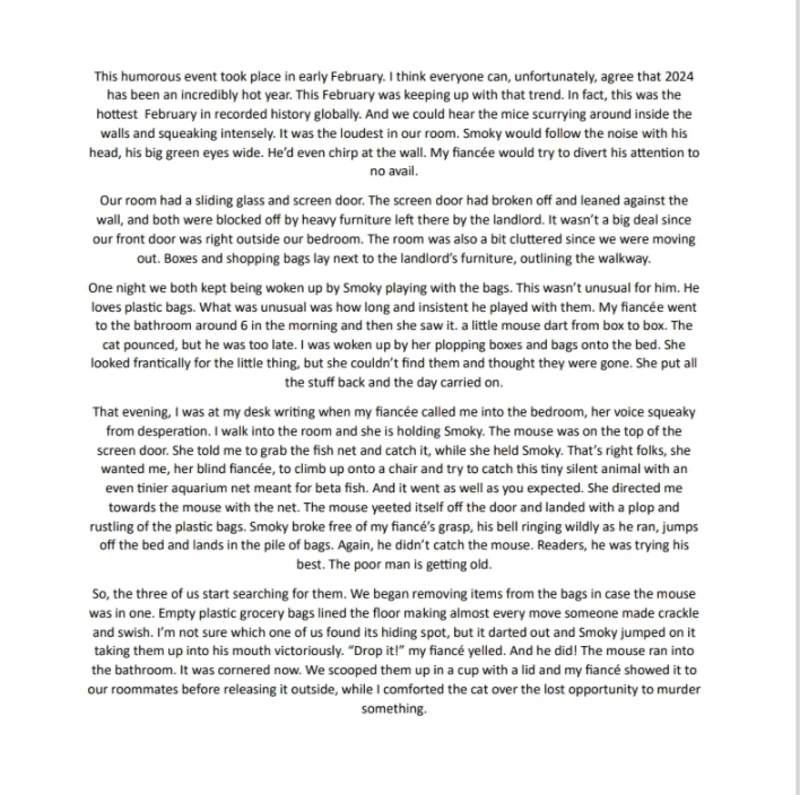
This was a true story I wrote about my cat.


The network for creativity
Join 1.25M professional creatives like you
Connect with clients, get discovered, and run your business 100% commission-free
Creatives on Contra have earned over $150M and we are just getting started





Related posts

content writing Translation assignment article writing hand written YouTube channel script and story


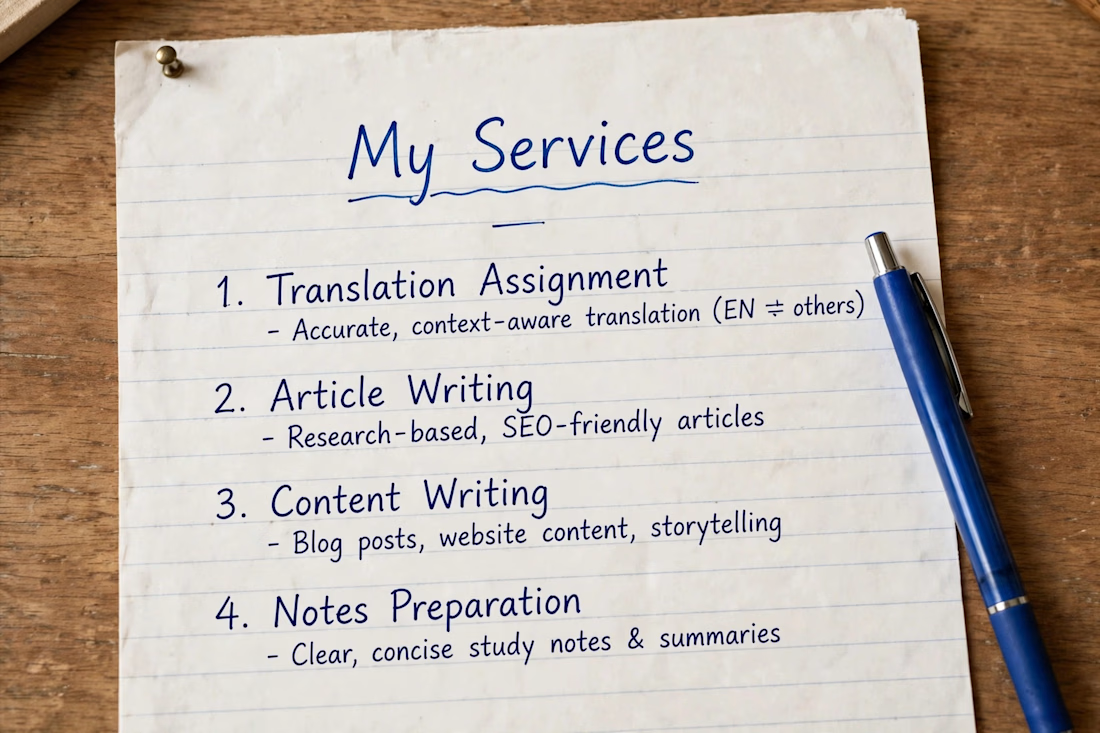

Can you please tell me the details of the work I'm interested in typing work

AI-powered product commercial created to showcase a premium fragrance through cinematic storytelling, product-focused visuals, and lifestyle scenes. Concept, creative direction, AI generation, and final video production by me.


Nice


TESTIMONY OF PROPHECY — Mind Fuel Inspiration
I created this Christian inspirational article for Mind Fuel Inspiration, exploring biblical prophecy, discernment, fulfillment, faith, and the importance of testing spiritual messages against Scripture.
The article is centered on Revelation 19:20 and supported by related biblical references including 1 Thessalonians 5:20–21, 2 Peter 1:20–21, Isaiah 55:10–11, Habakkuk 2:3, Matthew 24:24, and 1 John 4:1.
What I created
Biblical inspirational article
Professional Christian editorial concept
Suggested 4:3 cover design
Scripture-based reflection questions
Faith declaration/prayer
Website-ready content
Social-media promotional copy
Creative goal
The goal was to transform a serious biblical theme into engaging, encouraging content that helps readers develop discernment while strengthening their faith in God's Word.
View the published work
Mind Fuel Inspiration:
https://mind-fuel-divine.lovable.app
Created by: Evangelist Annah Favour Babarinde

