The network for creativity
Join 1.25M professional creatives like you
Connect with clients, get discovered, and run your business 100% commission-free
Creatives on Contra have earned over $150M and we are just getting started
Back to feedPost

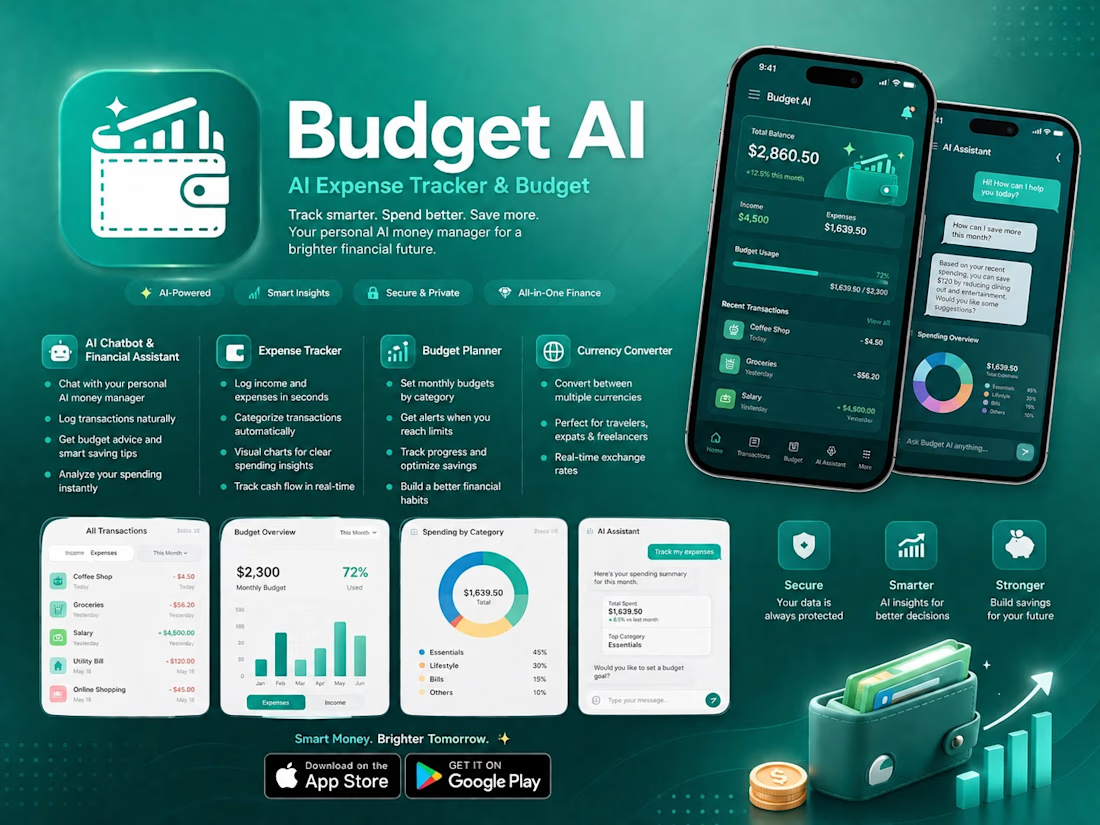
Budget AI – AI-Powered Personal Finance & Expense


The network for creativity
Join 1.25M professional creatives like you
Connect with clients, get discovered, and run your business 100% commission-free
Creatives on Contra have earned over $150M and we are just getting started



Related posts

AI Automation Platform and Workflow Automation & AI-Powered Solutions
An AI-powered automation platform designed to simplify business processes, automate repetitive tasks, and improve overall productivity.
The platform combines a modern, user-friendly interface with intelligent automation to help businesses streamline workflows, reduce manual effort, and work more efficiently.


The motion, the UI, everything's amazing, Incredible work

Every client has said this at least once:
"It’s just one small change."
Then auth breaks, database need a migration, one integration stops working, and somehow it’s 2 AM 😅
Writing the change is usually easy. Finding everything it can break is the real work.
What was your biggest “small change”?


This is so relatable — that line about finding everything it can break being the real work is spot on. The 2 AM part made me laugh.

A push notification model usually breaks in one of two ways: a second phone stops receiving anything, or notifications keep arriving for the account that just signed out. Both come from storing one push address per user. Store one row per app installation instead, with the user ID as a field, and someone with a phone and a tablet has two rows that a single query returns.
The sign-out half has an ordering trap. Delete the installation row while the user is still signed in, then call signOut. A security rule that compares the row owner to the signed-in user refuses the delete once there is no user left to compare against, and the device keeps pointing at the previous account.
The full write-up covers the Firestore rules, the Flutter registration listener, a server cleanup that handles both unregistered error codes, and an acceptance sequence to run on two test installations.

duskolicanin.com
Keep Flutter Push Tokens Correct Across Devices
Fix Flutter push notifications that miss a second device or follow the previous user: store one FCM installation ID per device and prune unregistered IDs.

Great technical breakdown! Handling multi-device FCM tokens and secure sign-out correctly is essential for reliable push notifications. I appreciate the focus on both architecture and real-world edge cases. 👏