The network for creativity
Join 1.25M professional creatives like you
Connect with clients, get discovered, and run your business 100% commission-free
Creatives on Contra have earned over $150M and we are just getting started
Back to feedPost

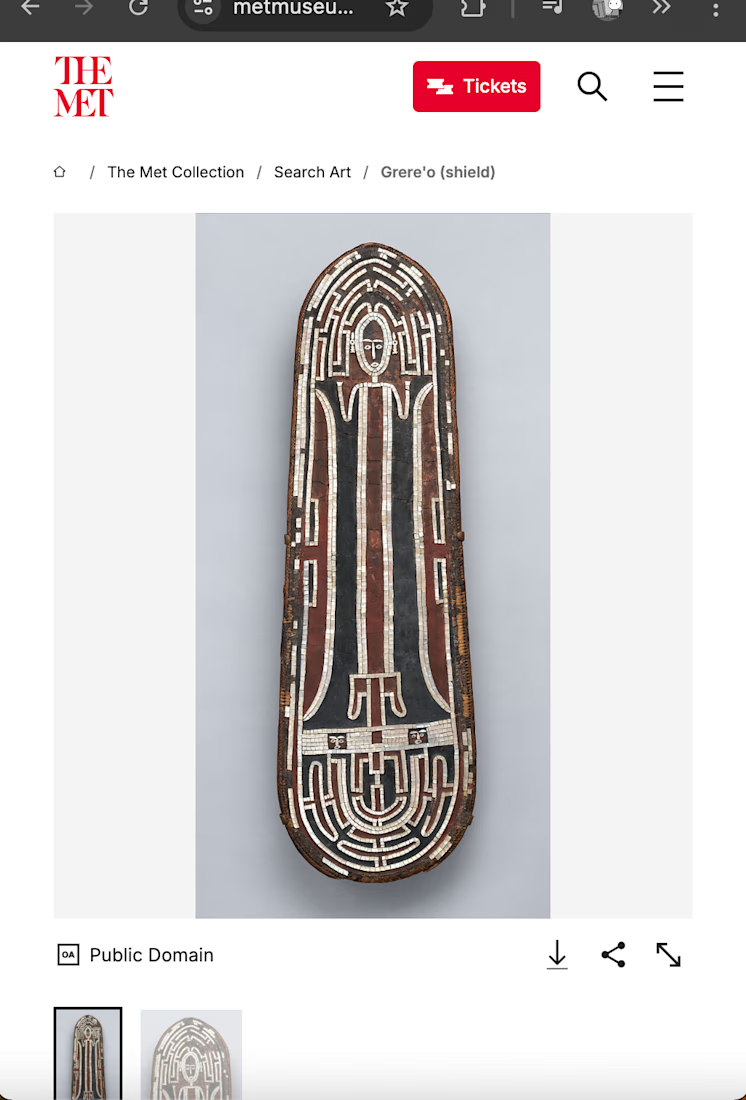
Nicely merged old with new

Inspired by: Grere'o (Shield), Solomon Islands, early-to-mid 19th century, from The Met's open archive.
Link to Original Art : https://www.metmuseum.org/art/collection/search/310073
I liked this shield because of its beautiful pattern and shine. It has a detailed design with...
The network for creativity
Join 1.25M professional creatives like you
Connect with clients, get discovered, and run your business 100% commission-free
Creatives on Contra have earned over $150M and we are just getting started











Related posts




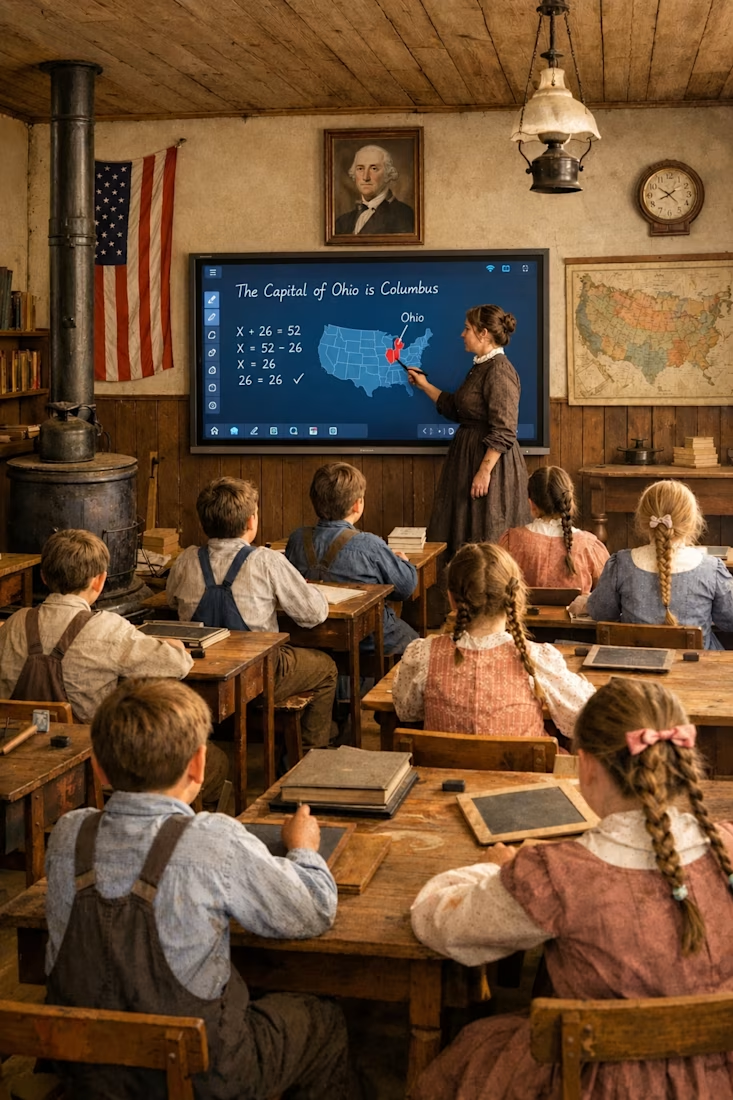
vintage classroom meets modern technology, featuring a teacher using a digital smartboard while students learn in a historic school setting. A creative blend of traditional education and digital innovation.
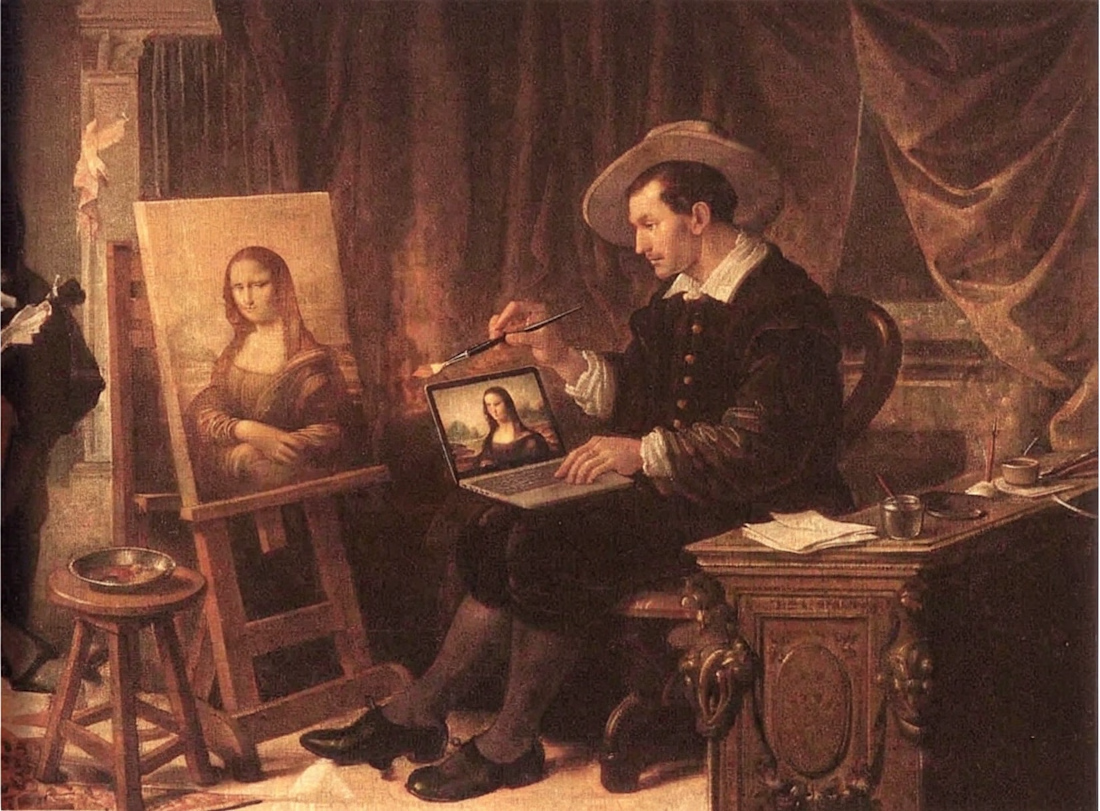
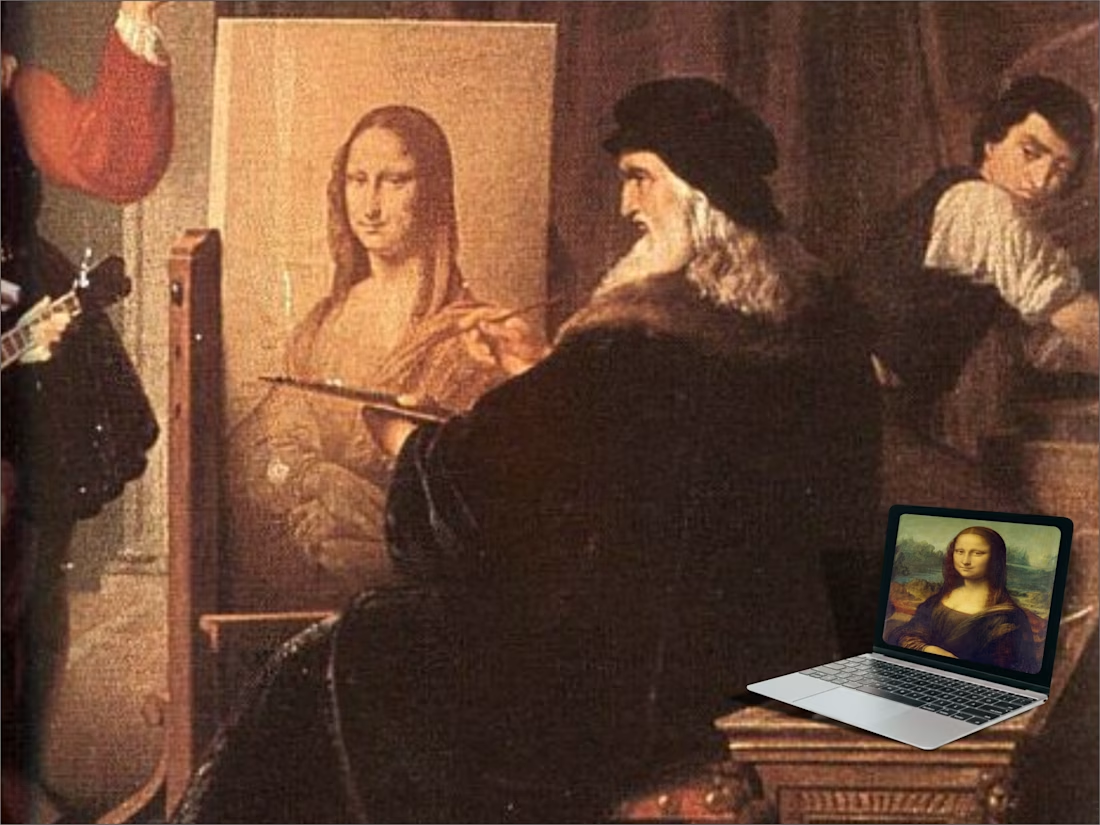
Exploring the transformation of artistic creation from the Renaissance era to the digital age, where timeless masterpieces meet modern technology.
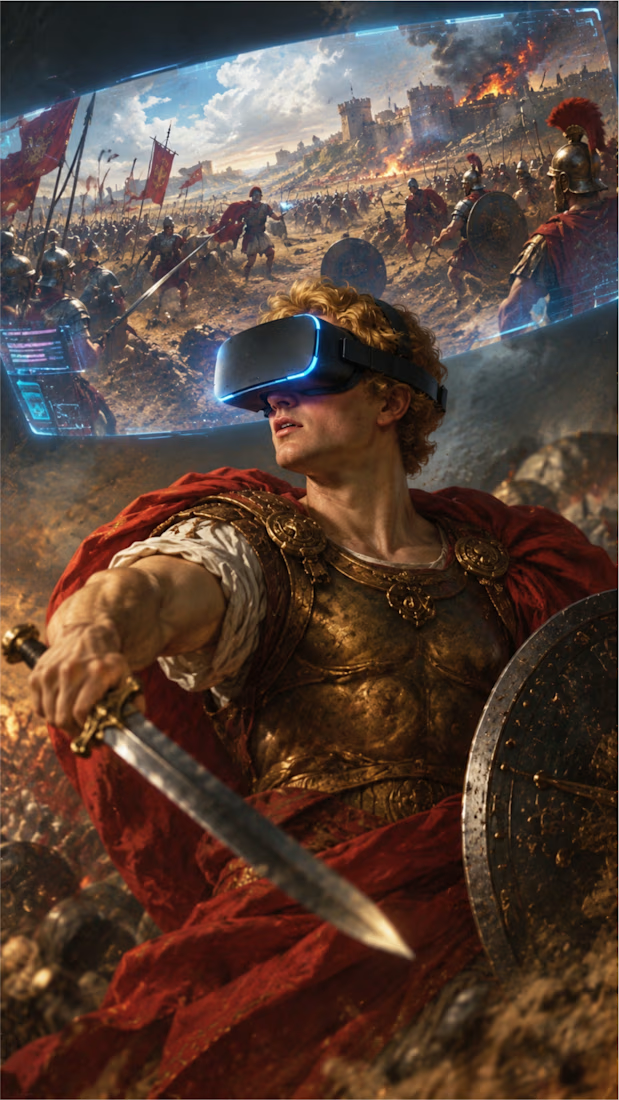
History Reimagined: A fusion of ancient Roman warfare and futuristic virtual reality, showcasing how emerging technology can transform our experience of history.


Last car, no hurry 🚂
Spent a few evenings in Blender on this one: the inside of a train carriage, but the kind nobody builds anymore. Cream leather seats with diamond stitching, red velvet curtains, warm lamps in the ceiling, a coffee left on a marble tray, and a few old suitcases waiting for someone to come back for them.
No brief, no client. Just wanted to build a space that feels like the quiet part of a long journey. 🕰️

