The network for creativity
Join 1.25M professional creatives like you
Connect with clients, get discovered, and run your business 100% commission-free
Creatives on Contra have earned over $150M and we are just getting started
Back to feedPost

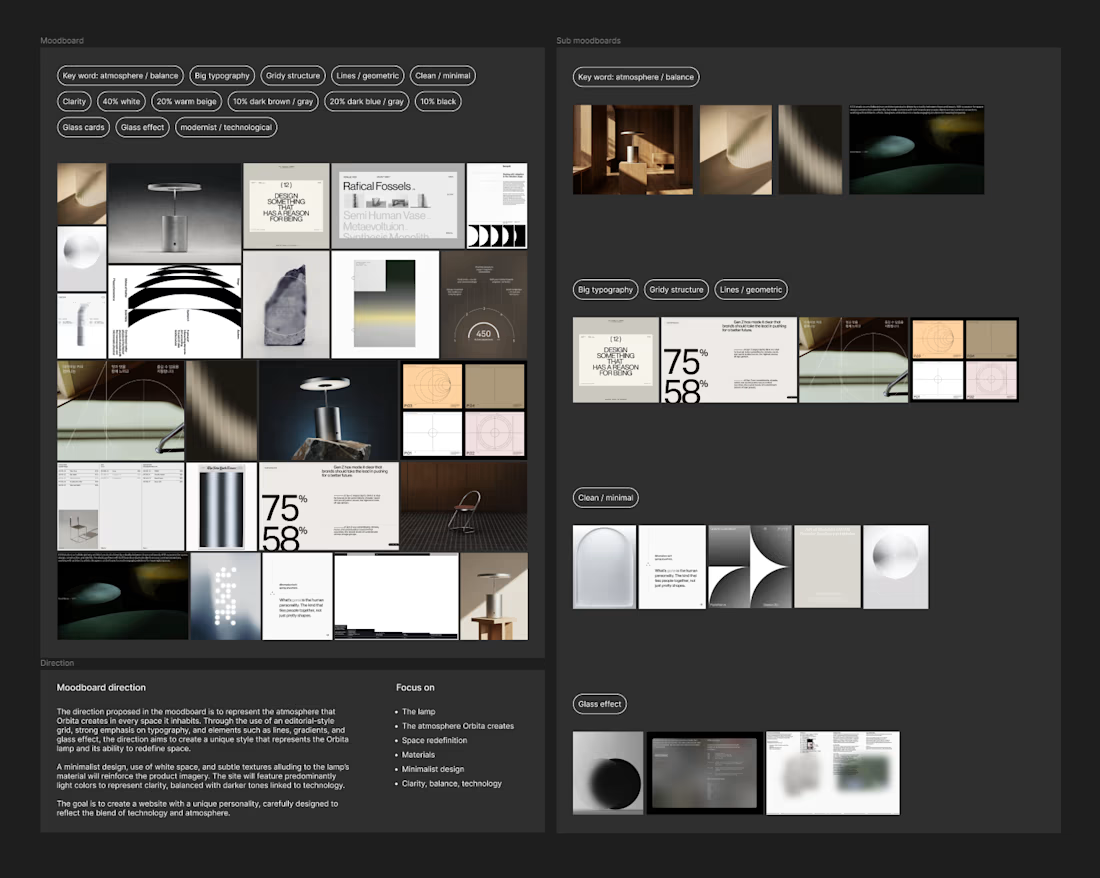
For a long time, my moodboard process looked just like everyone else’s: collecting reference sites to design… more websites.
While there is nothing inherently wrong with that approach, I realized a fundamental truth: if you want to build something genuinely distinct, you cannot source your primary inspiration from the exact medium you are trying to innovate.
Today, my visual direction process is completely different.
My moodboards are built on textures, typography, architectural forms, lighting, spatial atmospheres, and natural patterns. There isn't a single website in sight.
At first, it requires slightly more vision from the client to picture the end product.
But It grounds the art direction in a deep, organic concept. When we translate those physical and atmospheric references into digital UI, the brand owns a presence that cannot be replicated.
In an era saturated by AI-generated layouts and cookie-cutter frameworks, where most digital products end up looking identical, this approach creates an immediate, unmistakable competitive edge.
Digital product design isn't about assembling popular web trends. It’s about building a visual system with distinct foundations.
Mostrar traducción

The network for creativity
Join 1.25M professional creatives like you
Connect with clients, get discovered, and run your business 100% commission-free
Creatives on Contra have earned over $150M and we are just getting started



Related posts

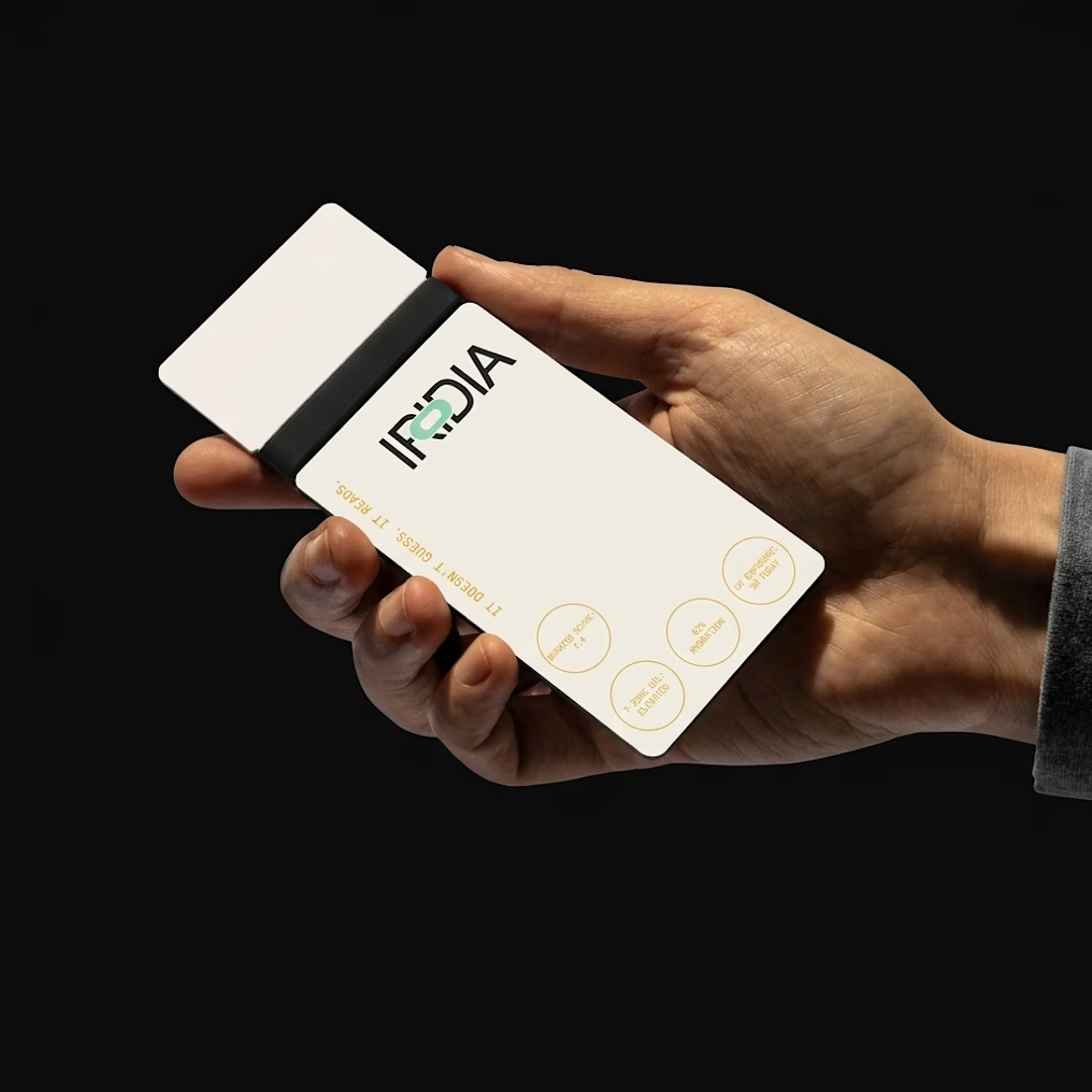
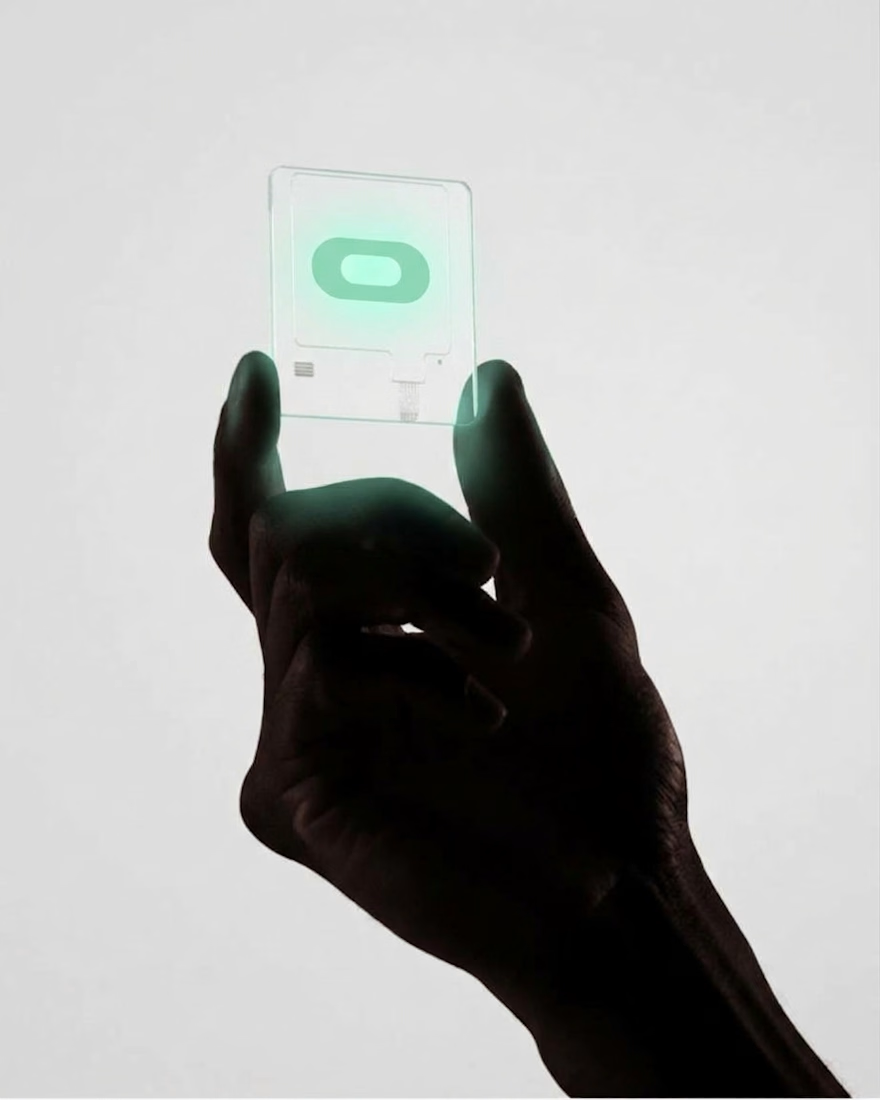
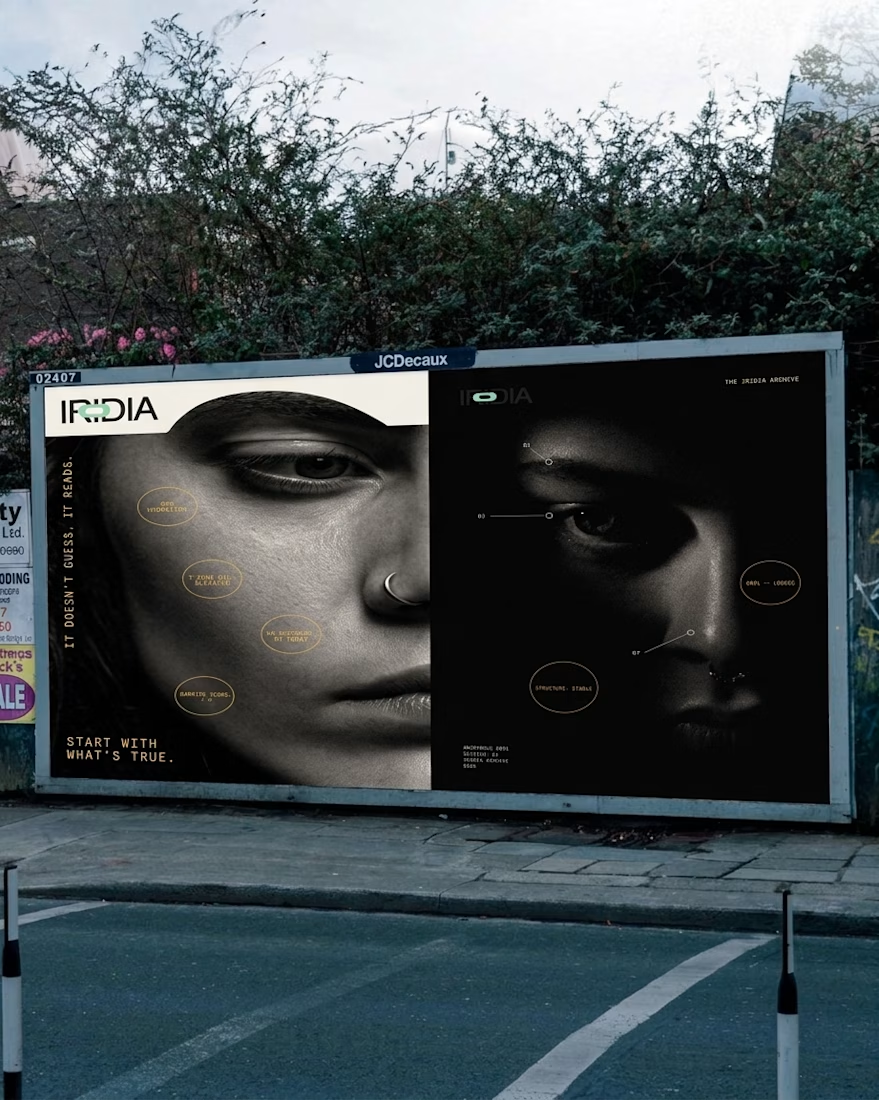
What do you do with a brand that’s 80% done and nobody asked for it?
I have a whole folder of them.
A name here, a palette there, a few campaigns that never saw daylight.
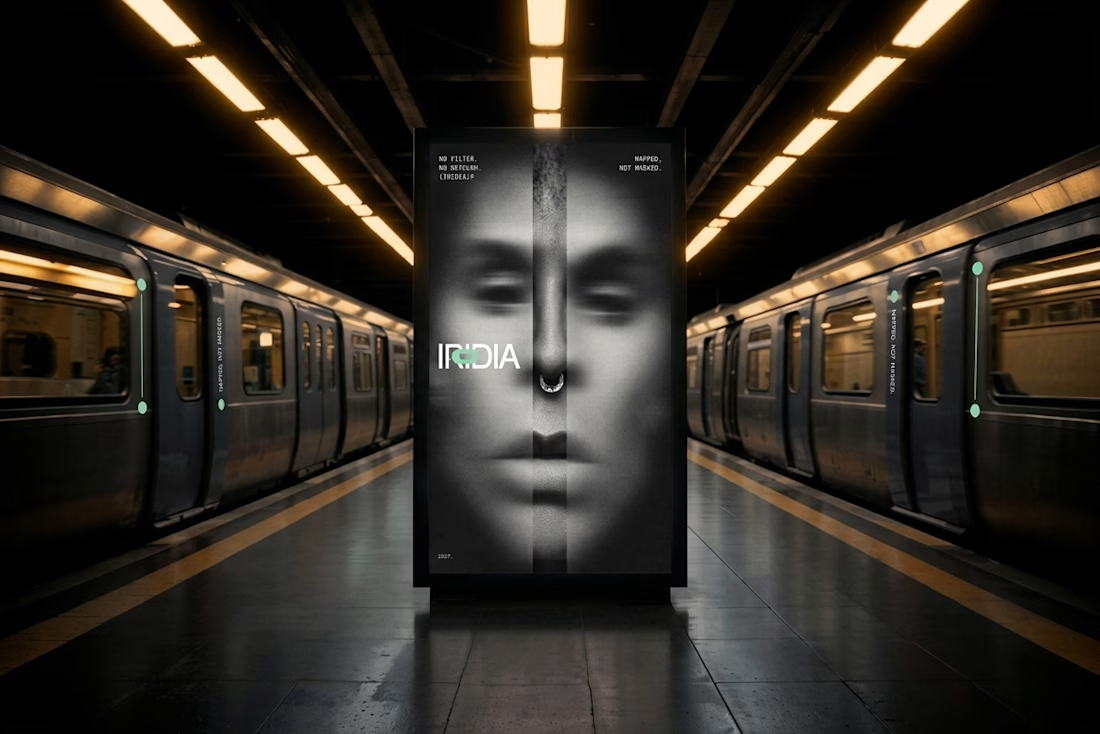
One of them finally got the full treatment. The Iridia case study drops soon.
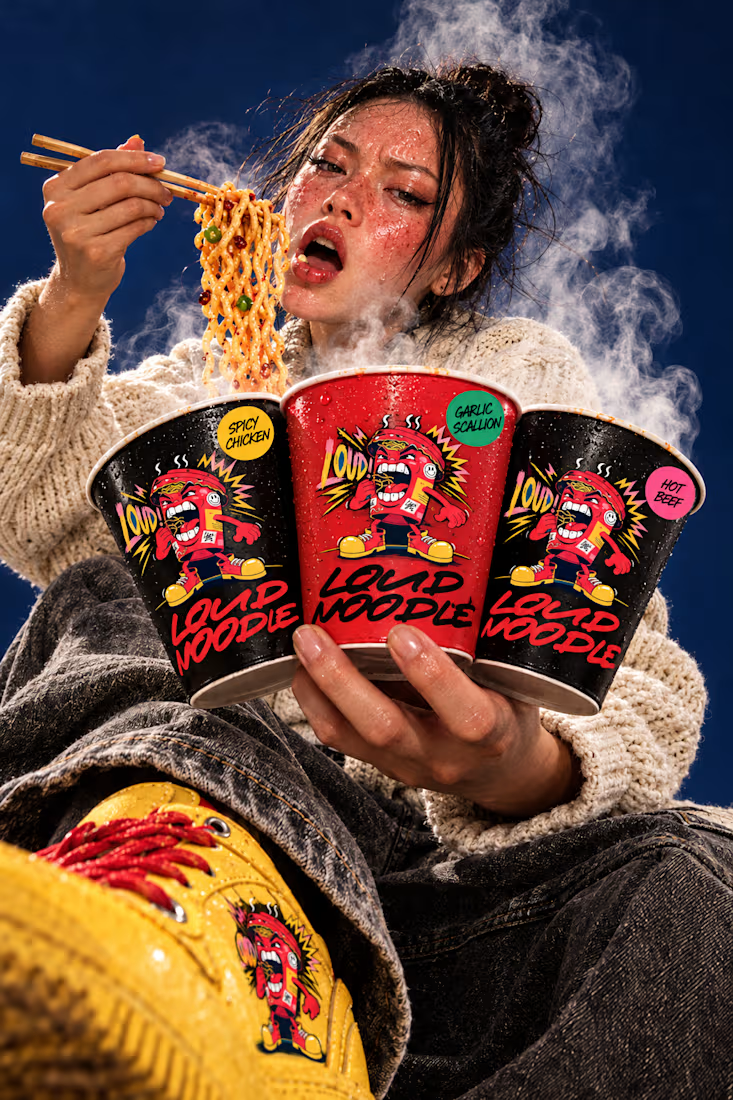
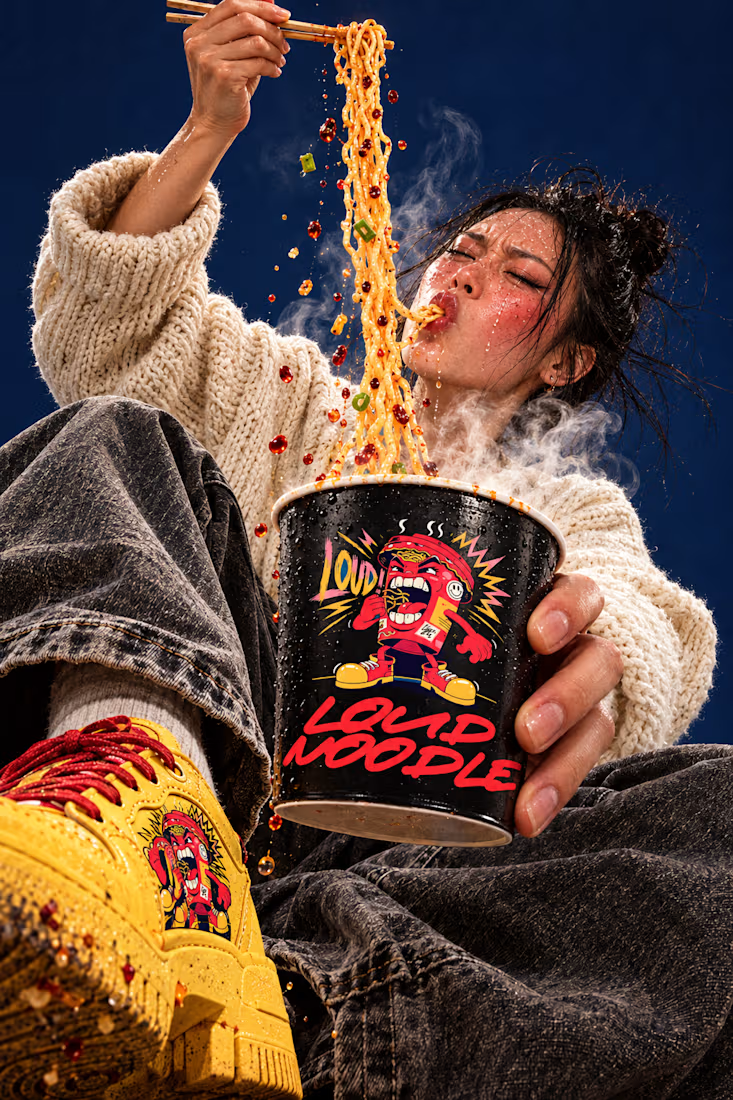
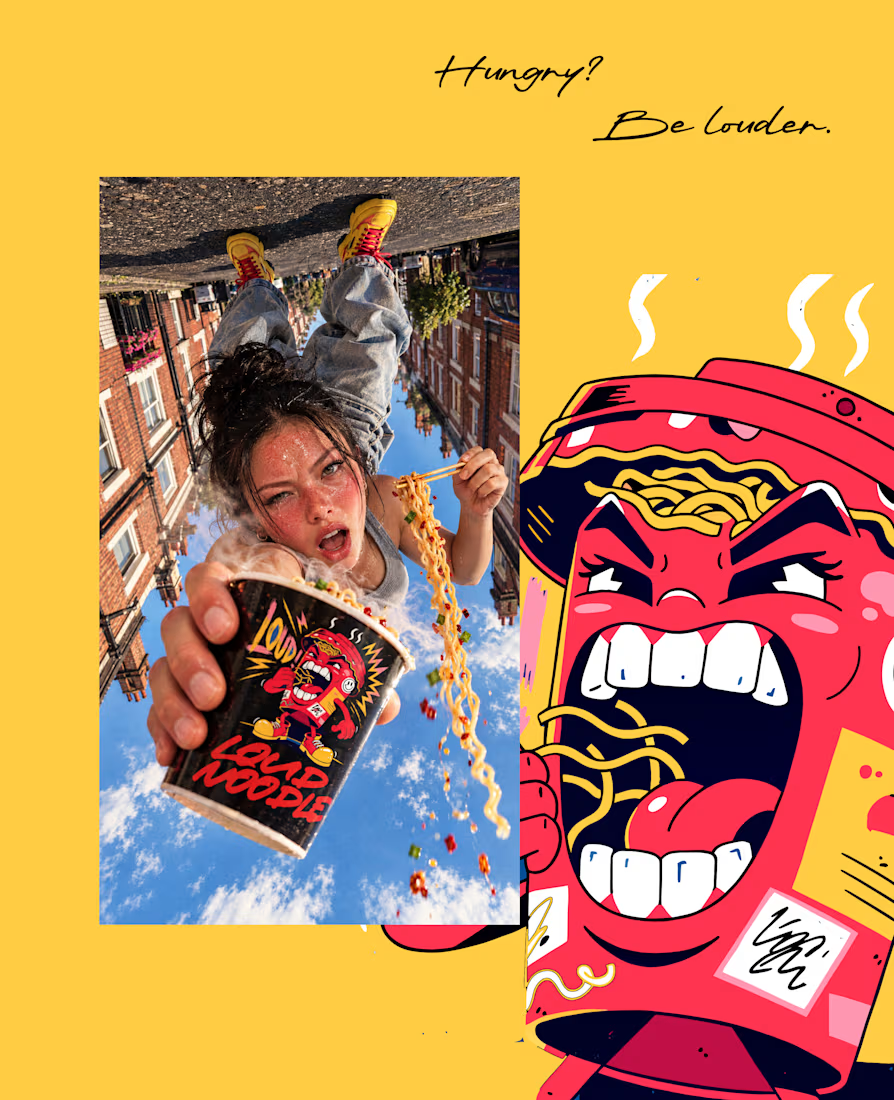
What if your instant noodles were louder than your neighbors? 🔥
LOUD NOODLE is a brand with a big mouth, a red-hot palette and zero chill. The full case study is almost here.

For Ranch University, I designed and built a custom Kajabi website and course platform + community around ranch ownership and life on the land.
Earthy colors, ranch photography, and spacious layouts carry through the site, membership pages, and course presentation. I also handled the course structure and offer setup behind the scenes.
