The network for creativity
Join 1.25M professional creatives like you
Connect with clients, get discovered, and run your business 100% commission-free
Creatives on Contra have earned over $150M and we are just getting started
Back to feedPost

I’ve been testing a China LBS-backed location intelligence workflow for retail and F&B site selection.
Sample case: evaluating Shanghai’s Jing’an Temple area for a premium coffee concept using AMap / Gaode POI signals.
The key takeaway: a “hot” commercial area is not automatically a good location. Jing’an has strong demand anchors — offices, malls, transit, hotels, and lifestyle traffic — but also mature competition. That makes it more suitable for a differentiated premium concept, flagship-style visibility, or pop-up validation than a generic coffee store.
The heatmap is only the evidence layer. The real value is turning local POI signals into a practical entry decision:
where demand may exist
where competition is already intense
which format fits the location
what to validate before signing a lease
I’m exploring customized China LBS location intelligence reports for overseas brands, agencies, and founders considering retail stores, F&B concepts, beauty / lifestyle pop-ups, showrooms, or market-entry pilots.

The network for creativity
Join 1.25M professional creatives like you
Connect with clients, get discovered, and run your business 100% commission-free
Creatives on Contra have earned over $150M and we are just getting started











Related posts


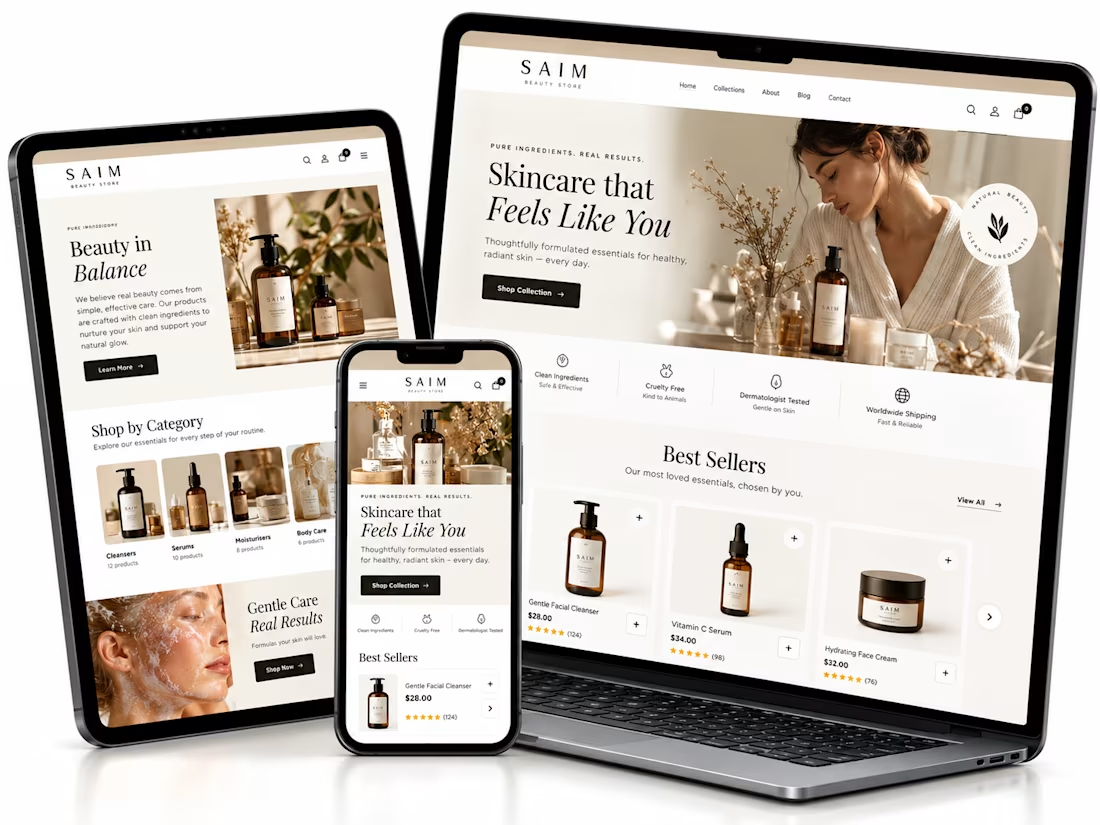
Shopify website setup project, I created a premium eCommerce homepage concept for a startup beauty brand.
Using Lovable, I developed a responsive design framework featuring elegant product showcases, intuitive navigation, clear shopping CTAs, ingredient storytelling, product benefits, customer review sections, FAQs, and email capture.
The goal was to establish a professional brand presence, simplify product discovery, and create a conversion-focused foundation for Shopify development.


The soft neutral palette suits the skincare angle really well, and the best sellers section with the star ratings reads cleanly across all three device mockups. Building the whole concept in Lovable is interesting. Did the generated layout hold up responsively out of the box, or did you rework parts of it by hand?

Title: Nexa Electronics: Premium E-Commerce Website with Interactive 3D Exploded Views
Description:
Nexa Electronics is a demo e-commerce website I designed and built to show my skills in modern web design, front-end development and interactive 3D experiences. This video is a walkthrough of the site.
What’s in the video
The home page, with a cinematic hero section and a 3D device showcase
Browsing by category: Smartphones, Laptops, Audio, Gaming, Smartwatches, Smart Home and Accessories
Product pages with configuration and colour options, a zoom inspection view, pricing, stock status and customer reviews
The interactive 3D exploded view (“Explore Inside in 3D”), where you can take products apart layer by layer to see their internal components
Quick View, the device comparison matrix, the shopping bag and a full checkout flow (shipping details, payment, order review and confirmation)
Customer sign-in and an admin dashboard for managing the store
Website features
Interactive 3D exploded views of products, with labelled internal parts and an explode slider
A mega-menu navigation and fast category browsing
Product configuration (storage and colour variants) with live pricing
Wishlist, compare and shopping bag functionality
Device comparison matrix
A simulated checkout with order confirmation
Customer accounts (sign-in)
An admin dashboard with store stats and inventory and price management
A newsletter signup section
A toggle to turn the 3D experience on or off
A responsive, dark and light themed premium UI
Note: I made this video with the help of AI, and it is just a demo to show my skills. To see my work properly, I recommend visiting the live website here: https://nexaelctronics.netlify.app/
Thanks for watching. I’m open to freelance projects, so get in touch if you’d like something similar built for you.


The dark theme and 3D device views look sharp.



Being found vs being chosen is a sharp way to put it. For client work I keep wondering how much of GEO is genuinely new technique versus just good structured content finally paying off. What has actually moved the needle most for your own brand's AI visibility?