The network for creativity
Join 1.25M professional creatives like you
Connect with clients, get discovered, and run your business 100% commission-free
Creatives on Contra have earned over $150M and we are just getting started
Back to feedPost

I spent over 15 years as a designer feeling slightly out of sync with how work was supposed to happen.
Not failing.
Not struggling on paper.
Just constantly adapting.
Design itself was never the problem.
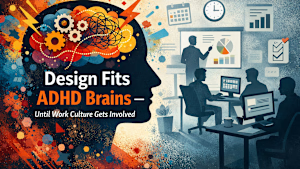
The work — problem-solving, pattern recognition, systems thinking — often fits ADHD brains naturally. What doesn’t fit is how design work is organised, measured, and managed once it enters a company.
Long meetings with no artefacts.
Performance measured by consistency, not outcomes.
Pressure mistaken for productivity.
It’s not about ADHD as a “superpower”.
It’s about the quiet friction many neurodivergent designers carry and the cost of work cultures that reward predictability over truth.
Full article here
medium.com
Design Fits ADHD Brains — Until Work Culture Gets Involved
I spent over 15 years as a designer, yet something about the way I worked never quite fit.
The network for creativity
Join 1.25M professional creatives like you
Connect with clients, get discovered, and run your business 100% commission-free
Creatives on Contra have earned over $150M and we are just getting started

Challenges
View all


Related posts

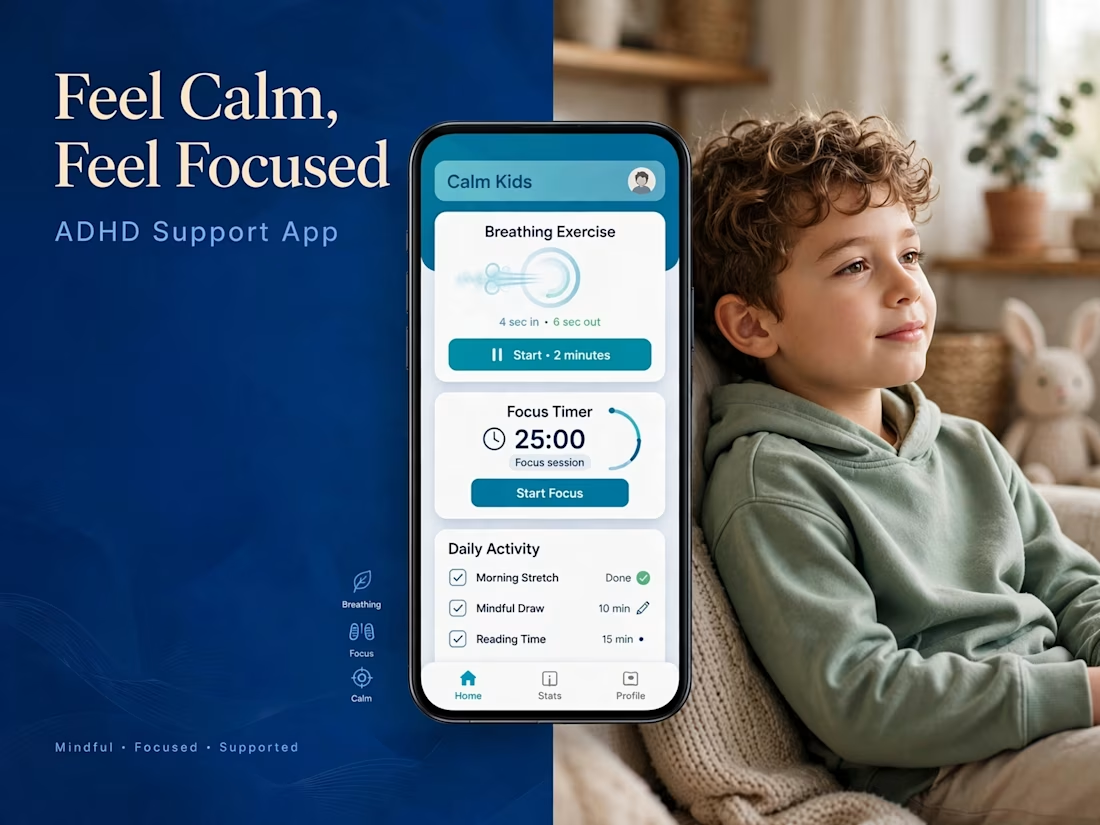
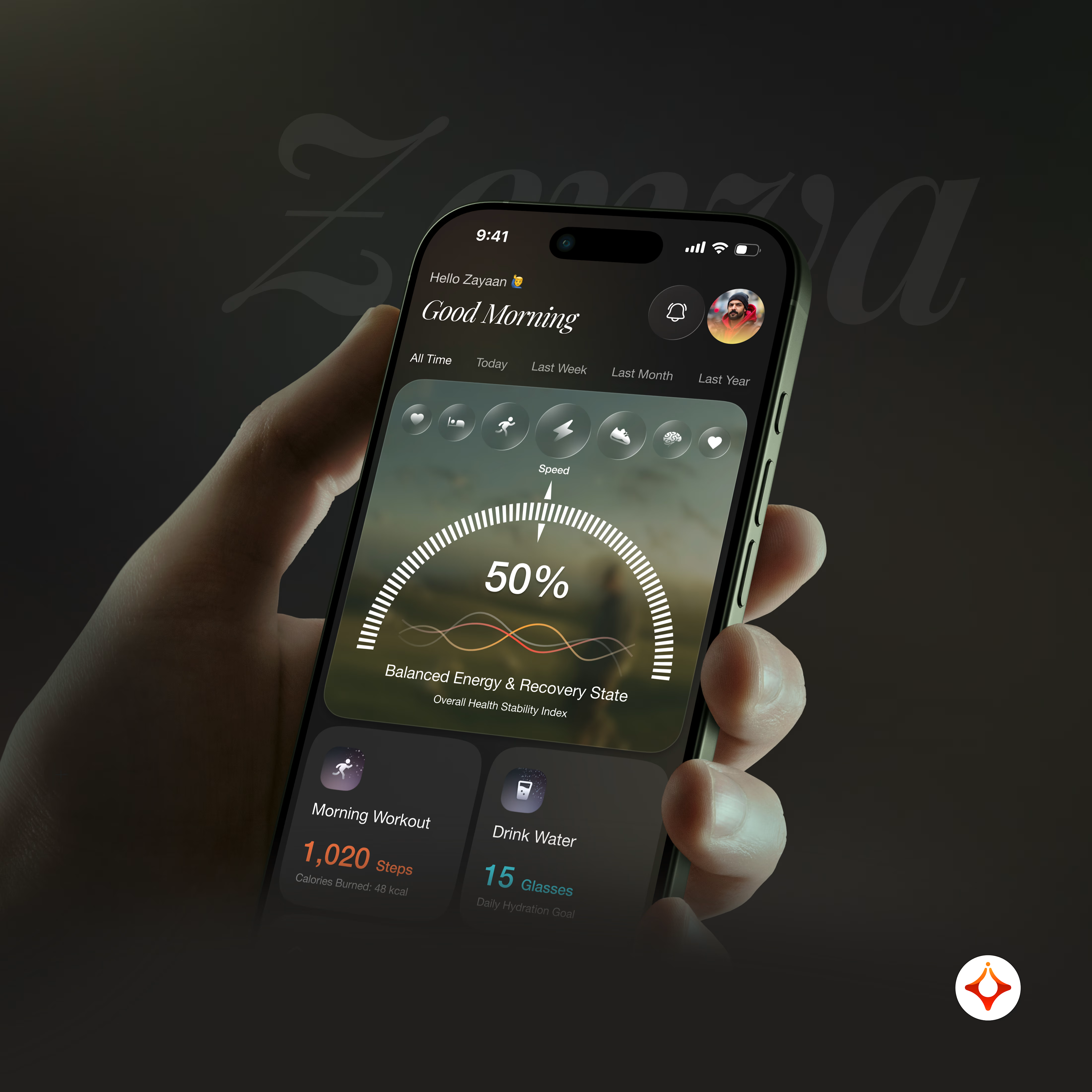
Feel Calm, Feel Focused — ADHD Support App
A simple and supportive platform for parents & practitioners to help children with ADHD build healthier daily habits.
Turning clinical framework into calm, friendly UX.
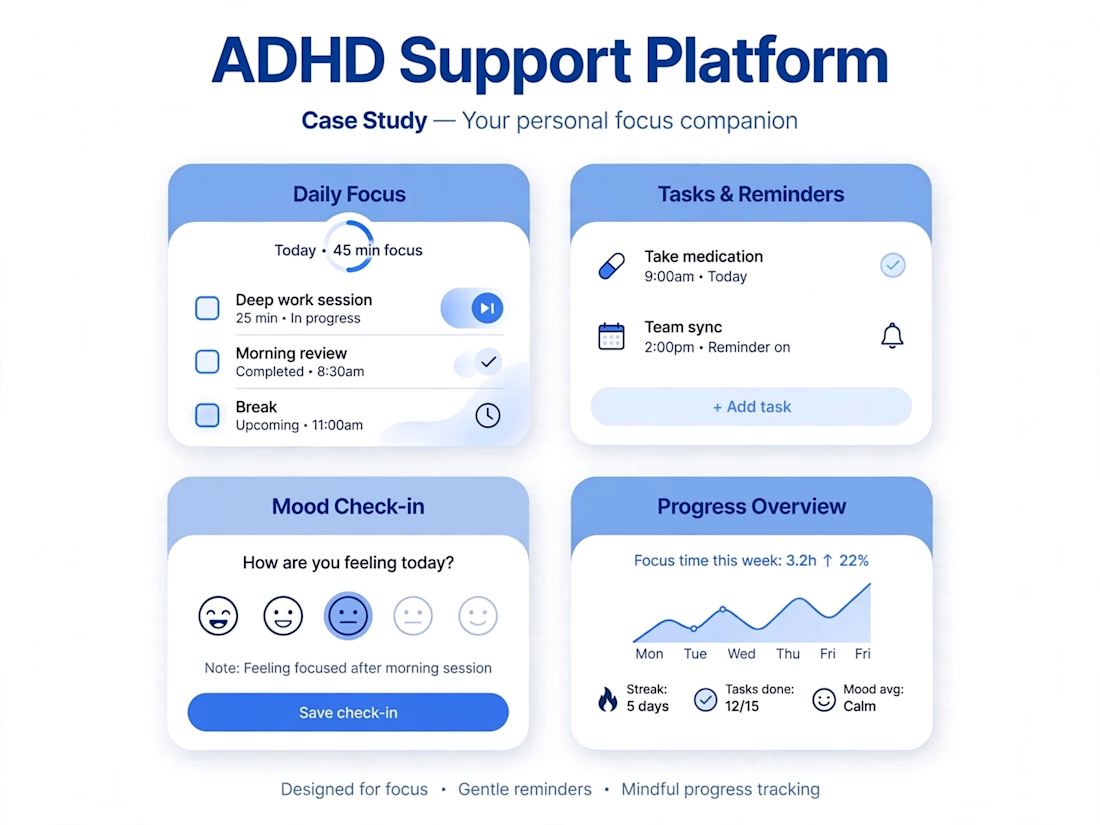
Focus on: Daily focus, mood check-in, routine tracking, parent insights.
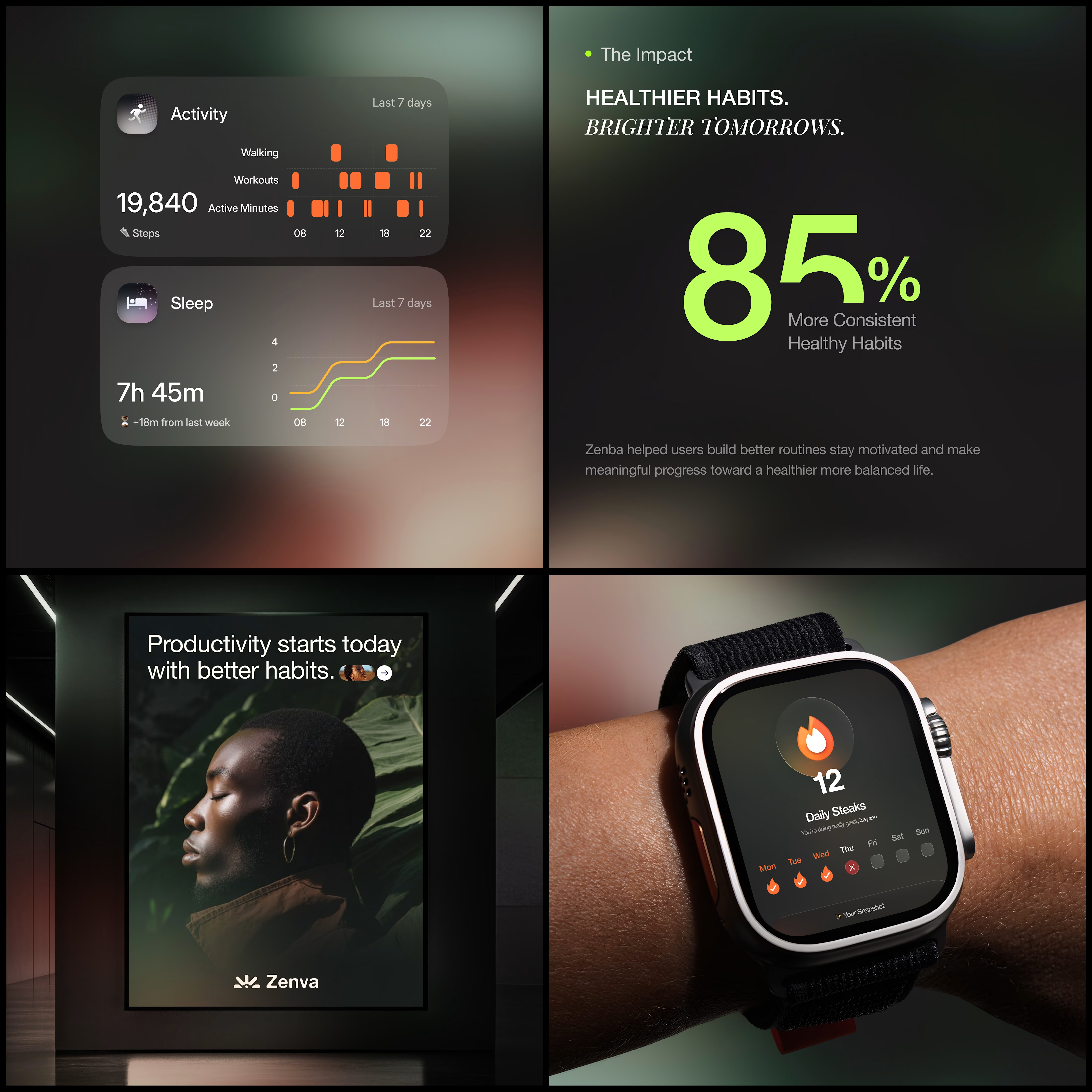
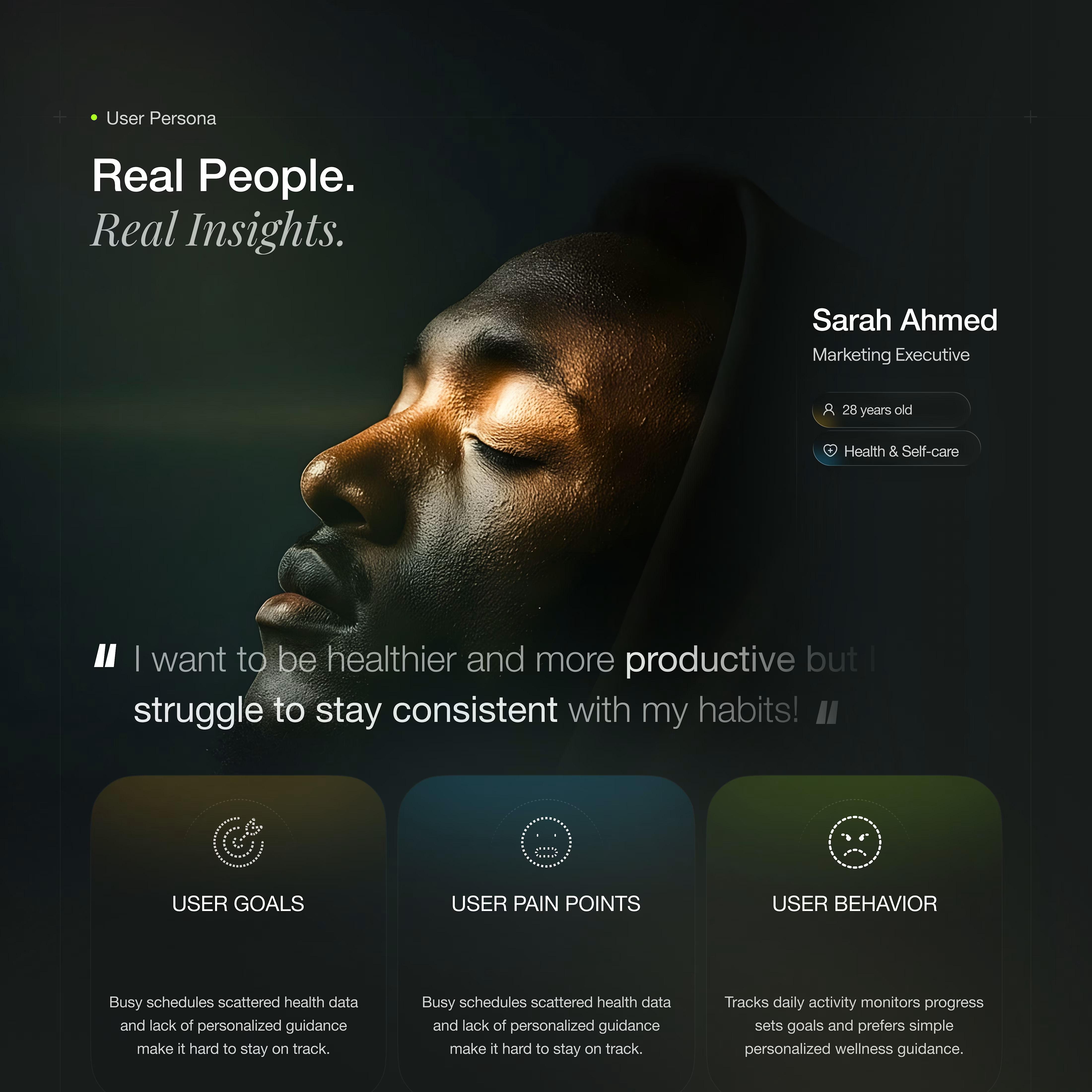
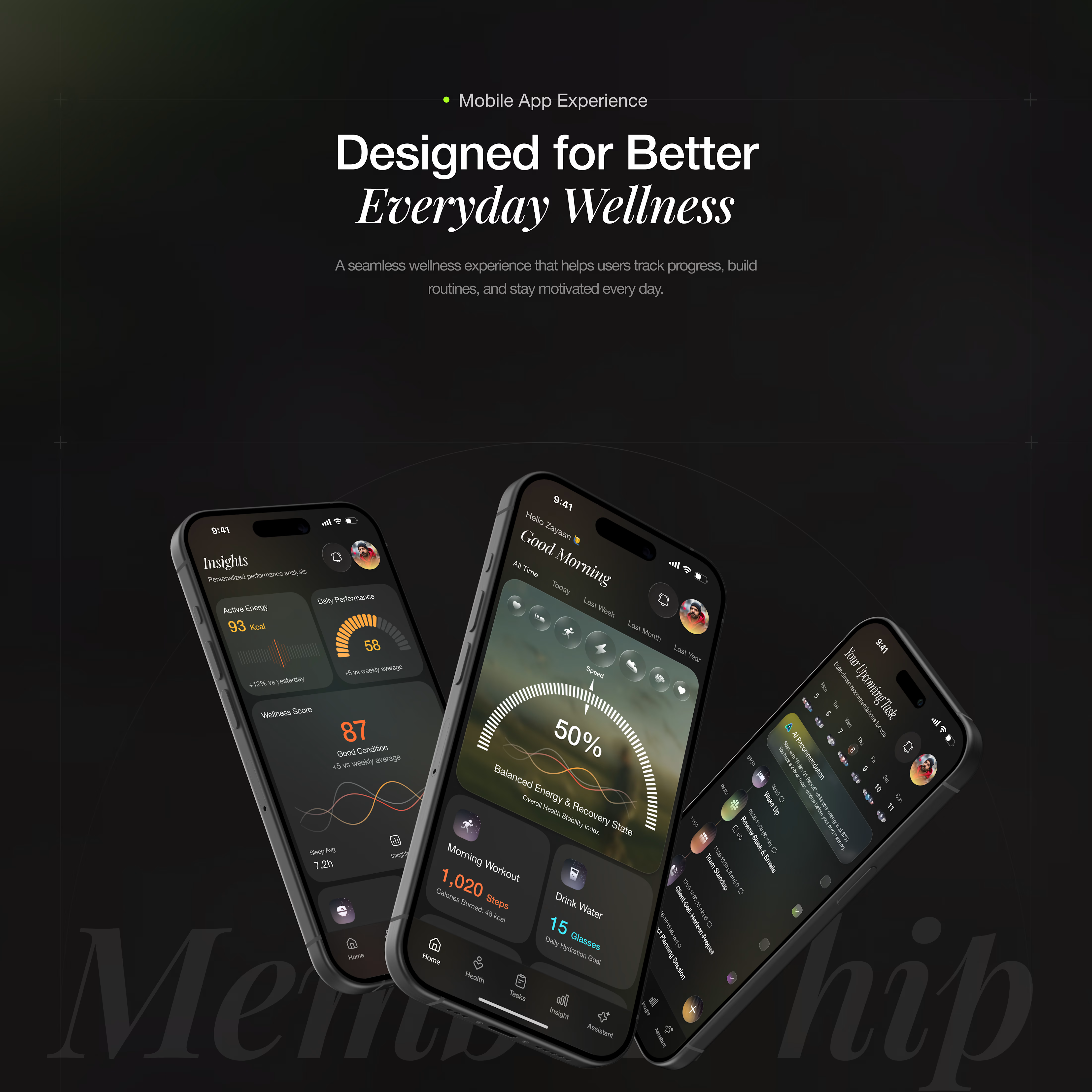
The image grid does the explaining
Tool: Figma, Framer, Jitter
Built for calm, not chaos.



For the focus timer, I'd store the finish time so it doesn't drift when the app goes into the background. Should a session keep running when someone switches apps, or pause?

Better habits start with better design.
Designed by Juice Lab. Built around people, not just numbers.
Explore the full case study on Behance:



Great execution by Juice Lab. Every screen feels intentional and consistent.

Build Your Own Tools and Products. Then Go Buy Someone Else's.
As designers, building our own tools has never felt more natural. We know our problems better than anyone, so a digital tool we build fits perfectly, and we can tweak it daily. It even feels like the logical choice.
And there's a huge wave of encouragement to do exactly that. I feel the pull too. Solving your own problem is deeply satisfying, and I have custom tools of my own.
But if we all build our own tools and stop using each other's, the money doesn't disappear. It moves away from thousands of independent makers and toward a handful of companies we all build on. And we drift apart, each living in a small, perfectly tailored, closed bubble.
Worse, when you only build for yourself, you stop looking outside. Why would you? Your tool already works. But that's how we stop getting better. Someone else's tool is a window into a different way of thinking, often solving a problem you didn't know you had.
We need to be inspired to be creative, and we need to create so others can be inspired. That cycle only keeps going if we keep looking at each other's work. So it's worth putting real time and effort into seeking out tools and products you haven't thought of.
And when someone does a great job, it feels good to support them. Buying another maker's personal tool says: I see what you made, keep going! That's how independent makers survive, and how the next good tool gets built.
I'll keep building my own tools. But I try to keep a healthy balance and support other creators too. We're all part of the same creator economy, and it only works if money, ideas, and attention keep moving between us. If we support each other, we all prosper.
So build your tools. Then go buy someone else's!
