The network for creativity
Join 1.25M professional creatives like you
Connect with clients, get discovered, and run your business 100% commission-free
Creatives on Contra have earned over $150M and we are just getting started
Back to feedPost

You rank on Google. ChatGPT never says your name. That is the new invisibility. AI tools answer with a few names only. They borrow from pages that read like plain answers. Most business sites fail that test. They talk about themselves. They never answer the visitor.
This one stung a client of mine last month. She ranked well for her main keyword, and she was proud of it. I typed her exact keyword into ChatGPT. Her business was nowhere in the answer. She went quiet. I let the silence sit.
The fix was nothing fancy. We rebuilt her key pages as simple question and answer blocks. Real service details. Honest pros and cons. Prices where they fit. Then I marked the pages with clean schema, so the machines trust them too. One pass through the content. Two search worlds.
That is what I do every day. Full stack builds, with SEO and answer engine work on top. Next.js. WordPress. Schema markup. Structured FAQs. Pages that feed Google and the AI tools at once.
So tell me. Have you asked ChatGPT about your own business yet? What did it say about you?
My work lives on my Contra profile. Send me a project there if you want this fix.
#SEO #AEO #GEO #WebDevelopment #SmallBusiness
The network for creativity
Join 1.25M professional creatives like you
Connect with clients, get discovered, and run your business 100% commission-free
Creatives on Contra have earned over $150M and we are just getting started



Related posts

Building an SEO SaaS? You might not need another expensive keyword API subscription.
A question for indie hackers and developers:
How do you currently access keyword data for your applications?
If you're building programmatic SEO pages, content research automation, keyword discovery tools, or an AI-powered marketing product, you probably need structured search data.
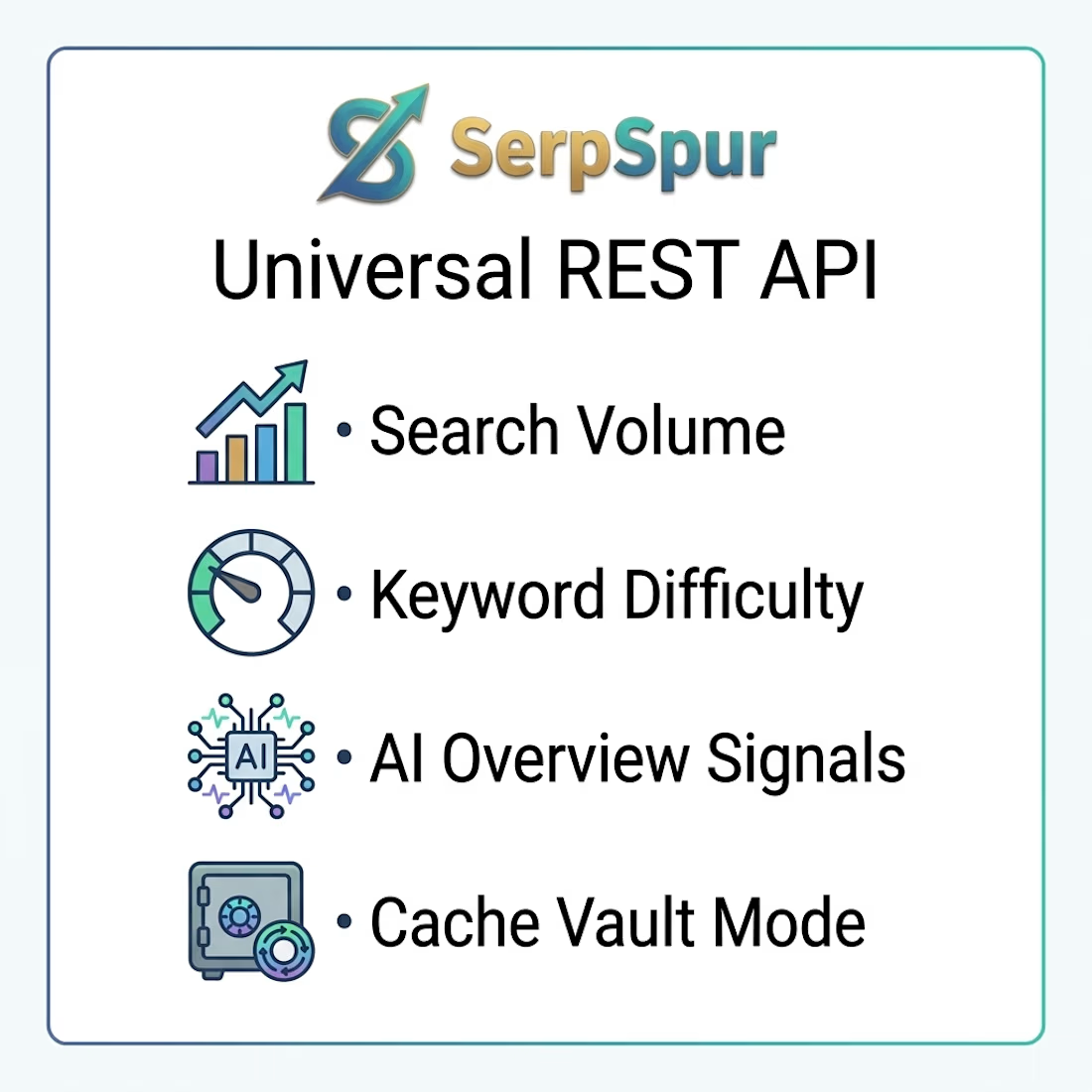
We developed the SerpSpur Universal REST API to make this workflow more flexible.
The API provides access to:
Search volume and historical trends.
Keyword difficulty and backlink competition.
CPC and advertising competition.
Search intent and parent topics.
Related keyword clusters.
SERP features and forum weakness signals.
AI Overview-related information.
Bulk keyword enrichment.
It also supports different research depths, from a single keyword to larger semantic clusters.
One feature worth exploring is the 30-day cache Vault mode: cached lookups cost credits, while cache misses return without a credit deduction.



Great work! I appreciate how clearly the design prioritizes usability without compromising its visual appeal.




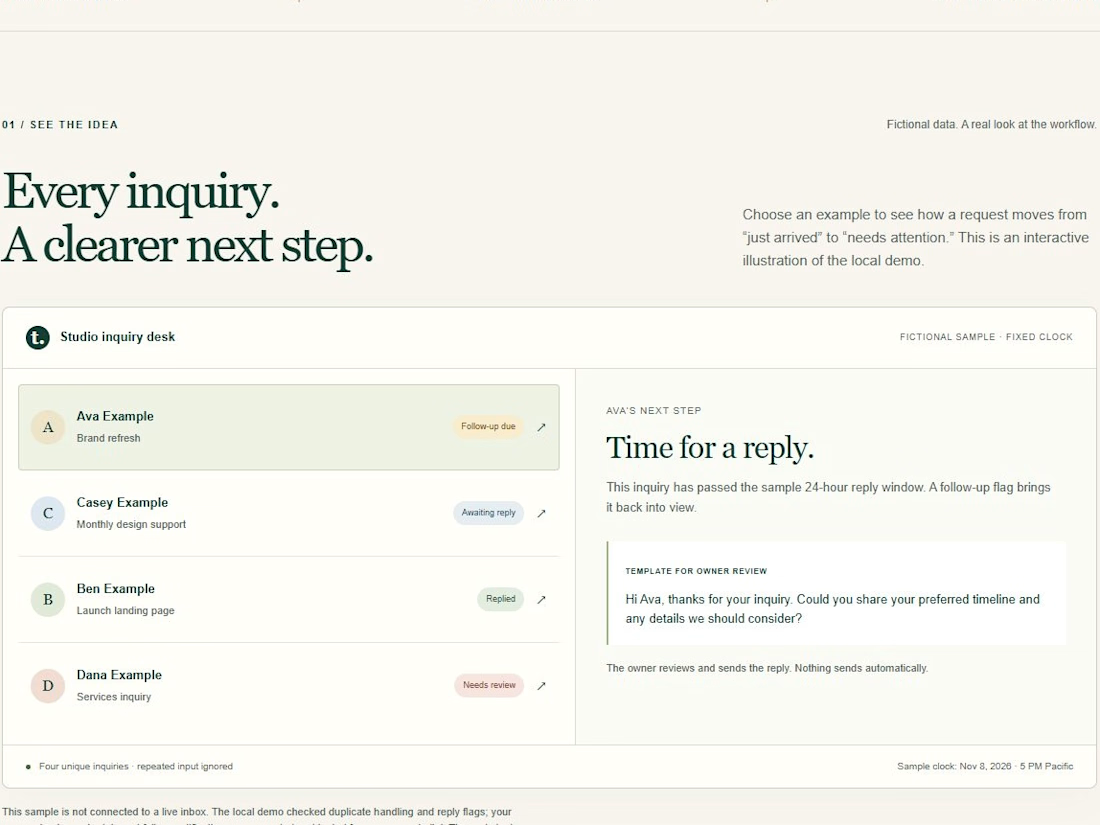
How does your studio know which project inquiries still need a reply?
I built a sample tracker that puts new inquiries in one place and flags overdue follow-ups. In this example, Ava’s request is due for a reply, and the studio owner can review a template before sending anything.
I offer a $250 setup using the tools your studio already has. See the setup and try the demo: https://contra.com/s/ONrqkRl2-project-inquiry-tracker-setup-for-creative-studios

letting the owner look over the template before anything goes out is a nice touch. are studios finding you here or do you reach out to them