The network for creativity
Join 1.25M professional creatives like you
Connect with clients, get discovered, and run your business 100% commission-free
Creatives on Contra have earned over $150M and we are just getting started
Back to feedPost

Licensing is one of those backend systems that users rarely think about until something breaks. If a license fails, a product activation is blocked, or a deployment goes wrong, the support team needs clear visibility fast.
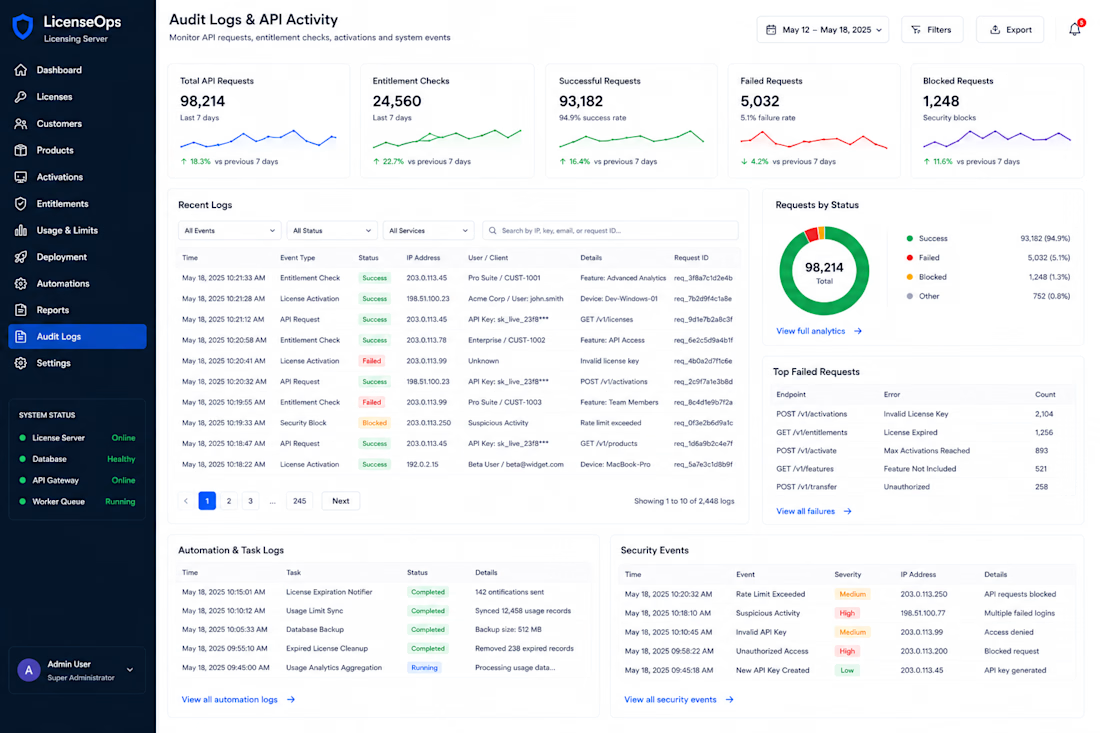
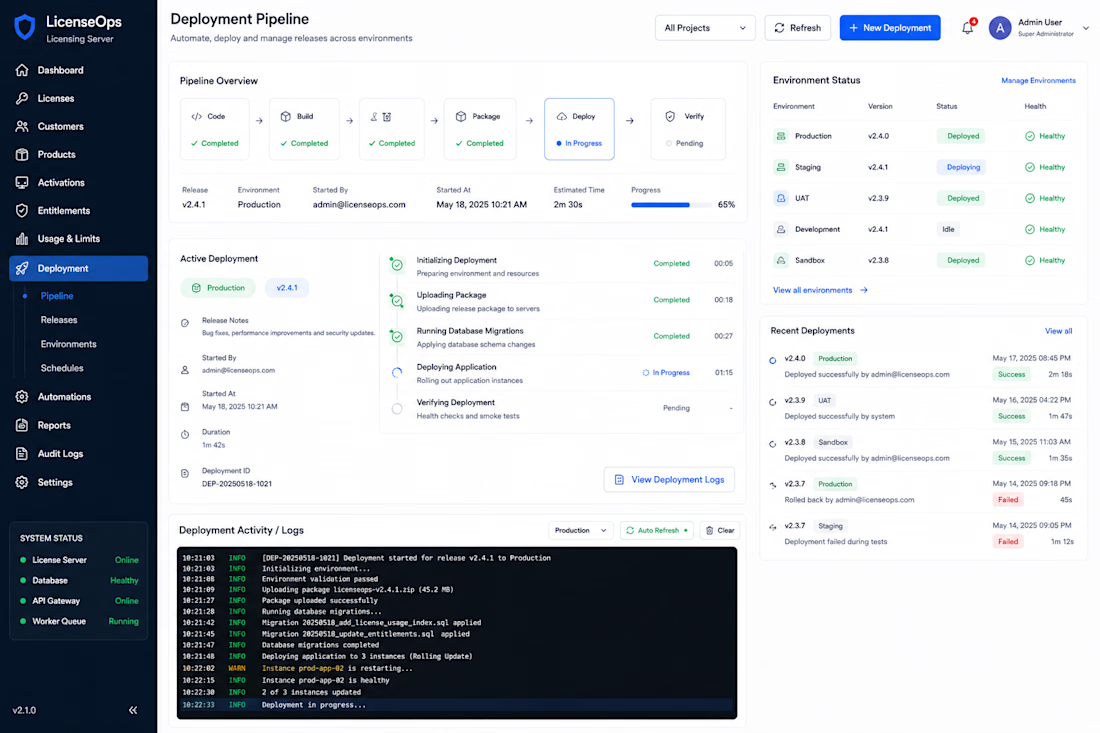
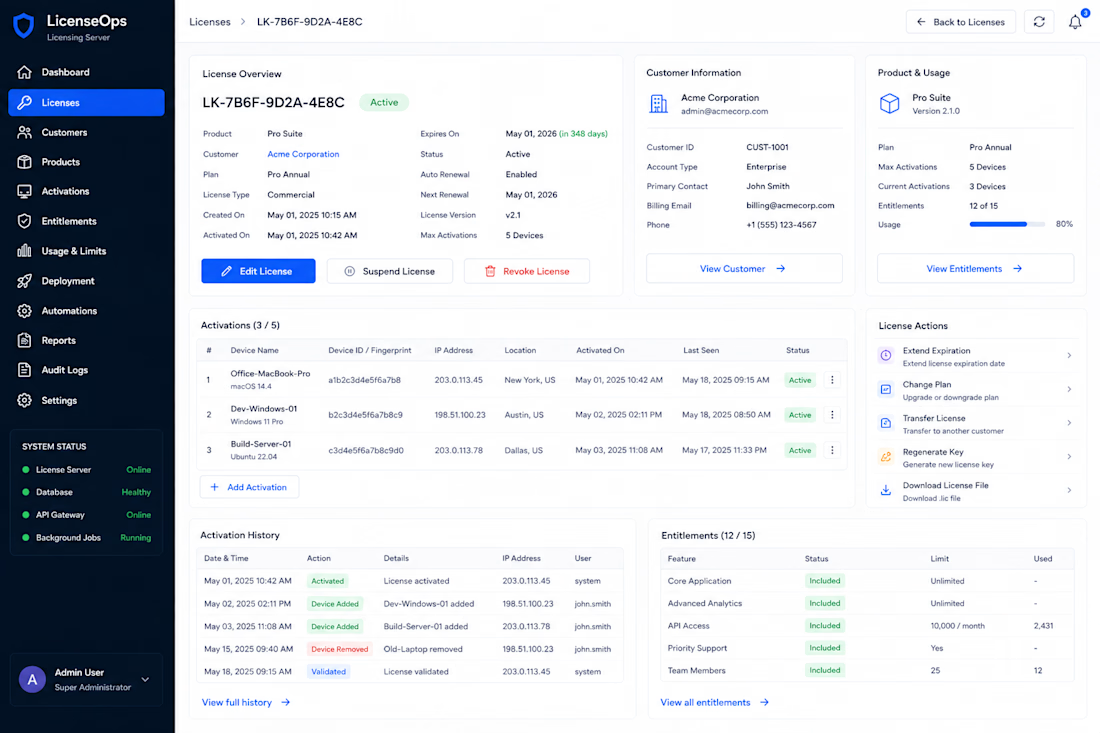
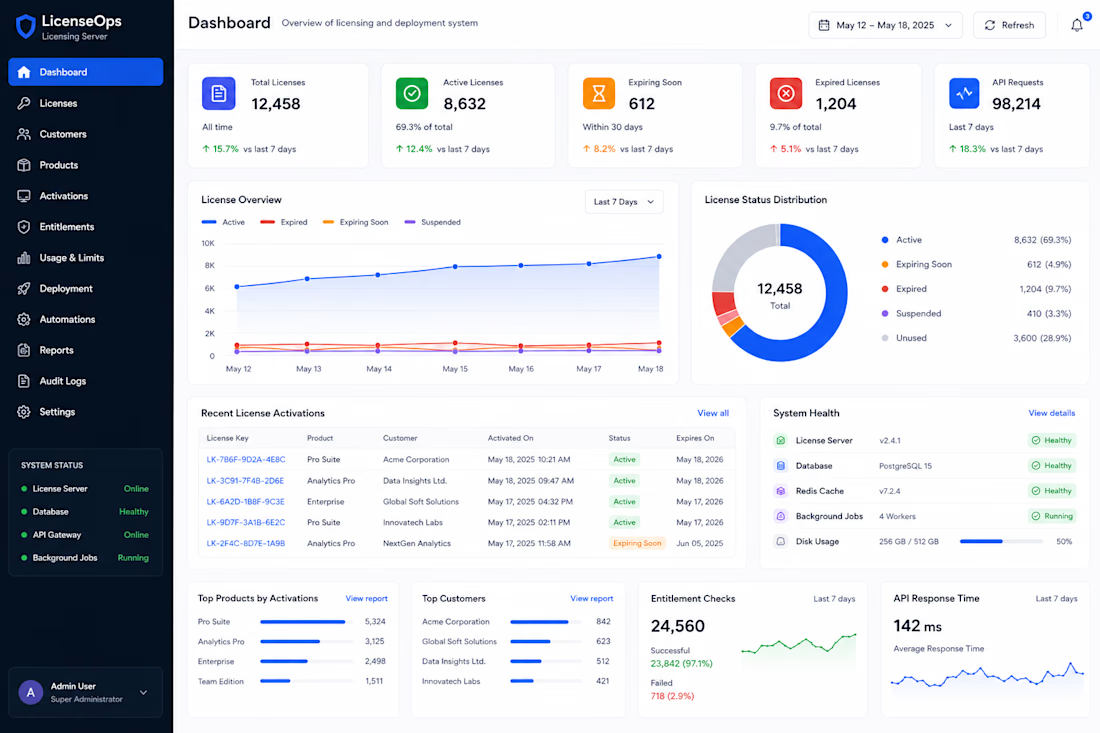
This project focused on building the backend control layer behind a software product. The platform handled product activations, license validation, entitlement checks, customer access, device history, deployment status, API activity, and system audit logs from one internal admin dashboard.
I built the system with reliability in mind: clear API logic, structured license records, searchable logs, deployment tracking, environment health checks, and automation tools for recurring backend operations. The dashboard gave administrators a practical way to see what was active, what failed, and what needed attention without digging through disconnected tools or server logs.
The result was a more dependable operations system for managing licenses, deployments, access control, and backend support workflows with better visibility and less manual troubleshooting.


The network for creativity
Join 1.25M professional creatives like you
Connect with clients, get discovered, and run your business 100% commission-free
Creatives on Contra have earned over $150M and we are just getting started





Related posts

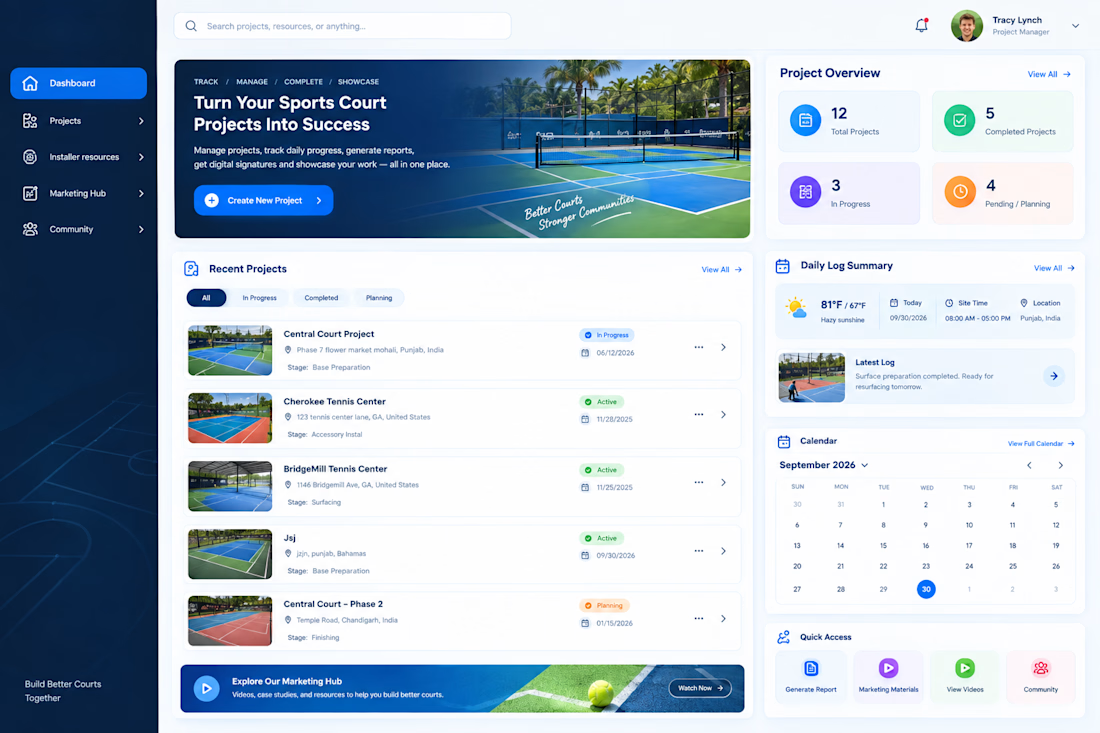
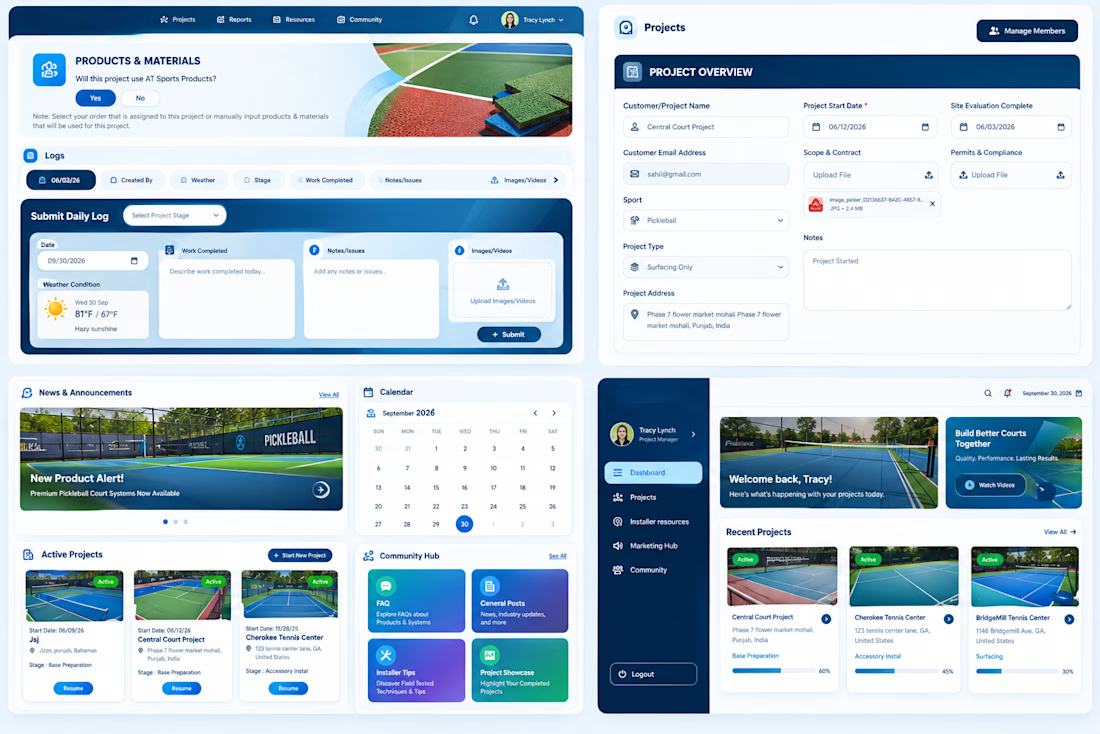
Sports Construction Project Management Platform
Excited to showcase a project I developed specifically for sports court construction professionals.
This platform simplifies construction workflows by bringing project management, daily site tracking, documentation, and project showcasing together in one place.
✨ Key Features:
Project and task management
Daily logs with images, weather, and work details
Automated project report generation
Digital signatures and warranty documentation
Completed project showcases with likes and comments
Marketing materials and video resources
My goal: To simplify construction workflows through a centralized digital platform.
#SaaS #WebDevelopment #ProjectManagement #ConstructionTech #ProductDevelopment #UIUX #ContraPortfolio



I built HomeCare Pro, a complete booking platform for a home-service business in Lahore.
It lets customers check real availability, book, reschedule, or cancel appointments without back-and-forth.
I built it to reduce the owner's manual work, prevent scheduling conflicts, and turn inquiries into confirmed bookings.

I also want to build an app like this one but you have build it. That's amazing

I’m currently starting work on an RWA (Real-World Asset) NFT project focused on real estate, in collaboration with a European-based company.
The project will explore how real-world property assets can be represented and managed through blockchain technology. I’m looking forward to working on the Web3, NFT, and real-estate aspects of the project and sharing more as development progresses.
Excited to be building in the RWA space! 🚀


real estate RWAs are one of the few NFT use cases that actually make sense 👀