The network for creativity
Join 1.25M professional creatives like you
Connect with clients, get discovered, and run your business 100% commission-free
Creatives on Contra have earned over $150M and we are just getting started
Back to feedPost

Direct Response vs. Brand Copywriting: Should Your Copy Sell Now or Build Recognition for Later?
Here's something I find interesting about copywriting: not every piece of marketing content is trying to achieve the same thing.
Take direct response copywriting and brand copywriting, for example. Both use persuasive language, but they have different priorities.
Direct response copywriting is designed to encourage a specific, measurable action. It might be a purchase, a sign-up, a download, or a request for a quote.
You'll often find it in sales pages, promotional emails, paid ads, and landing pages. Its calls to action are usually direct: Buy now, Sign up today, Get your quote.
Brand copywriting, on the other hand, focuses on shaping how people perceive, recognize, and remember a business. It communicates the brand's personality, values, positioning, and what makes it distinctive.
Think website About pages, brand messaging, taglines, and company introductions. Its message is less about an immediate transaction and more about building familiarity, trust, and a consistent identity over time.
But here's my take: they shouldn't be treated as opposites.
A recognizable brand can make direct response campaigns more meaningful, while effective sales copy can reinforce what a brand promises and stands for.
One builds recognition and long-term relationships; the other encourages action. And a strong marketing strategy often needs both.
The real question isn't which type of copywriting is better. It's understanding what your audience needs and what your message is supposed to achieve.
When you write marketing copy, do you focus more on getting the immediate conversion or building a memorable brand?

The network for creativity
Join 1.25M professional creatives like you
Connect with clients, get discovered, and run your business 100% commission-free
Creatives on Contra have earned over $150M and we are just getting started



Related posts

Question for designers & SaaS builders:
When landing pages mix dark-mode hero sections with light-mode content blocks:
1️⃣ Do you feel it creates a premium look?
2️⃣ Or do you prefer full dark / full light theme consistency throughout?
Drop your thoughts below! 👇

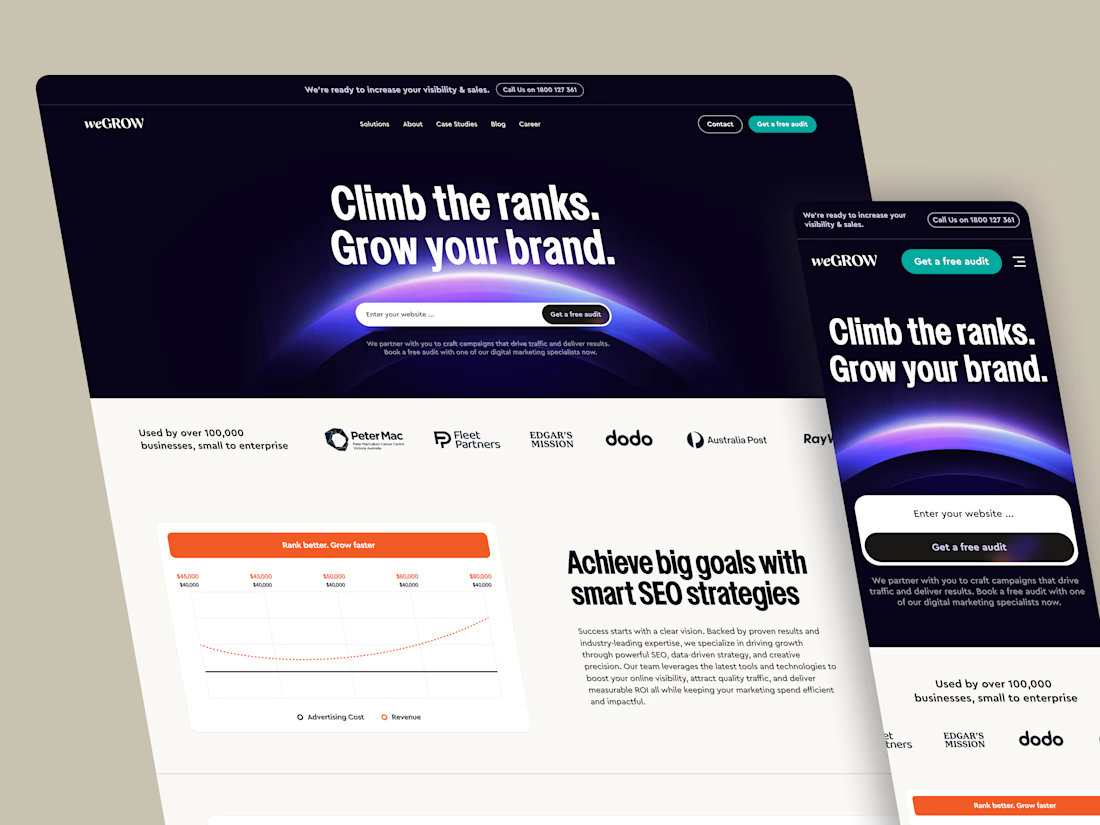

I’d tie the change to the content hierarchy. A dark hero moving into a lighter explanation can work well if the typography, spacing and button language stay consistent. The useful check is whether the transition helps someone follow the offer, rather than feeling like a new website halfway down.

👋 Hello, Contra community!
I'm a Social Media Manager passionate about helping businesses build a stronger online presence through engaging content and consistent social media strategies.
I can help businesses with:
📱 Instagram and Facebook management
🎨 Social media content creation
✍️ Captions and content planning
📅 Content calendars and scheduling
💬 Community engagement
I'm excited to connect with businesses, entrepreneurs, and growing brands looking to improve their social media presence.
Are you looking for help with your social media? Let's connect! 🚀
#SocialMediaManager #SocialMediaMarketing #ContentCreation #InstagramMarketing




Consistency really is the key to strong social growth.

Your product is solid. Your ads are running. You post every week.
But the leads still don’t come. Why???
Most founders think personal branding means posting daily. It doesn’t.
And here’s the painful part:
Every week you stay unclear, someone with a weaker product but a clearer message gets the calls. You pay for ads while your own profile does nothing.
Your personal branding doesn’t bring revenue when your content:
1. Talks about the product, not the problem.
Don’t just share feature updates. Show the client’s problem and how your product solves it.
2. Tries to talk to everyone.
Pick one specific client you want to attract and write only for them.
3. Has no point of view.
Tell people why you chose to solve this problem and what you believe about it.
4. Never tells a story.
You built this product for a reason. Share it. Stories make a stranger trust you before the first call.
Before you post, ask:
→ Who exactly is this for?
→ What pain does it name?
→ What do I believe about it that others don’t?
If you can’t answer all 3, the post isn’t ready.
Personal branding isn’t about being visible. It’s about being clear to the right people.
Which of these 4 is your biggest gap right now? Tell me in the comments.
#personalbranding #Linkedingrowth #Founder #socialmedia