The network for creativity
Join 1.25M professional creatives like you
Connect with clients, get discovered, and run your business 100% commission-free
Creatives on Contra have earned over $150M and we are just getting started
Back to feedPost

Martha's Country Bakery: From Overlooked to Unforgettable
Martha's Country Bakery has been a beloved, family-run NYC institution
since 1972 — five locations across Astoria, Bayside, Forest Hills, and
Williamsburg, with a large and loyal following. But their online
presence hadn't kept pace: a cluttered, duplicate-filled menu with no
pricing, no functional online ordering, and zero automation — despite
serving thousands of customers across five locations every day.
What I built on Base44:
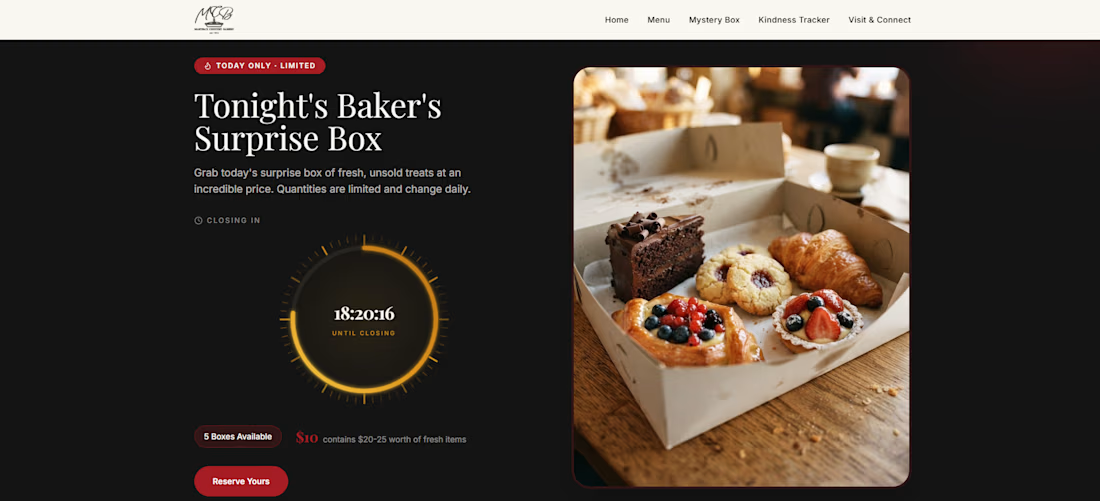
A fully redesigned, mobile-responsive website with a distinctive
visual identity — including a "Recipe Journal" storytelling section
and an oven-timer-styled countdown, moving well beyond a generic
template
A two-level browsing Menu with search, individual product pages, and
a simple pickup order-request flow
"The Baker's Surprise Box" — a Mystery Box system designed to turn
nightly surplus inventory into revenue instead of waste, with live,
database-driven availability
A "Kindness Tracker" — a live counter showing unsold items shared
with the neighborhood's night-shift workers and families instead of
being thrown away, turning food waste into community goodwill
An AI Concierge agent that answers customer FAQs (hours, locations,
menu categories) and books Mystery Box reservations directly into a
live orders system — built with strict, fact-locked guidelines so it
never invents information, and least-privilege data permissions for
safe operation
A secure, admin-only Owner Dashboard for managing daily stock,
logging donations, tracking orders, and moderating reviews — designed
so the bakery owner could run this in minutes each night
Transparency note: This is an unsolicited concept project built for the
Give It A Glow Challenge — I wasn't able to reach the business owner for
confirmation before the deadline, so this is a portfolio/demo build, not
an officially commissioned site. Martha's real, official website remains
live and completely unaffected. Due to temporary API credit limits
during final testing, the AI Concierge's live chat may be briefly paused
at time of review — the automation is fully built and already
successfully created a real reservation end-to-end during development.
Every other part of the site is fully live and functional.
Original website (before): https://marthascountrybakery.com/
Live site (After): https://marthascountrybakery.base44.app/
base44giveitaglowchallengebase44websitegiveitaglowAI Agent DesignerSearch Engine OptimizationWeb DesignBase44ClaudeGoogle Gemini


The network for creativity
Join 1.25M professional creatives like you
Connect with clients, get discovered, and run your business 100% commission-free
Creatives on Contra have earned over $150M and we are just getting started



Related posts


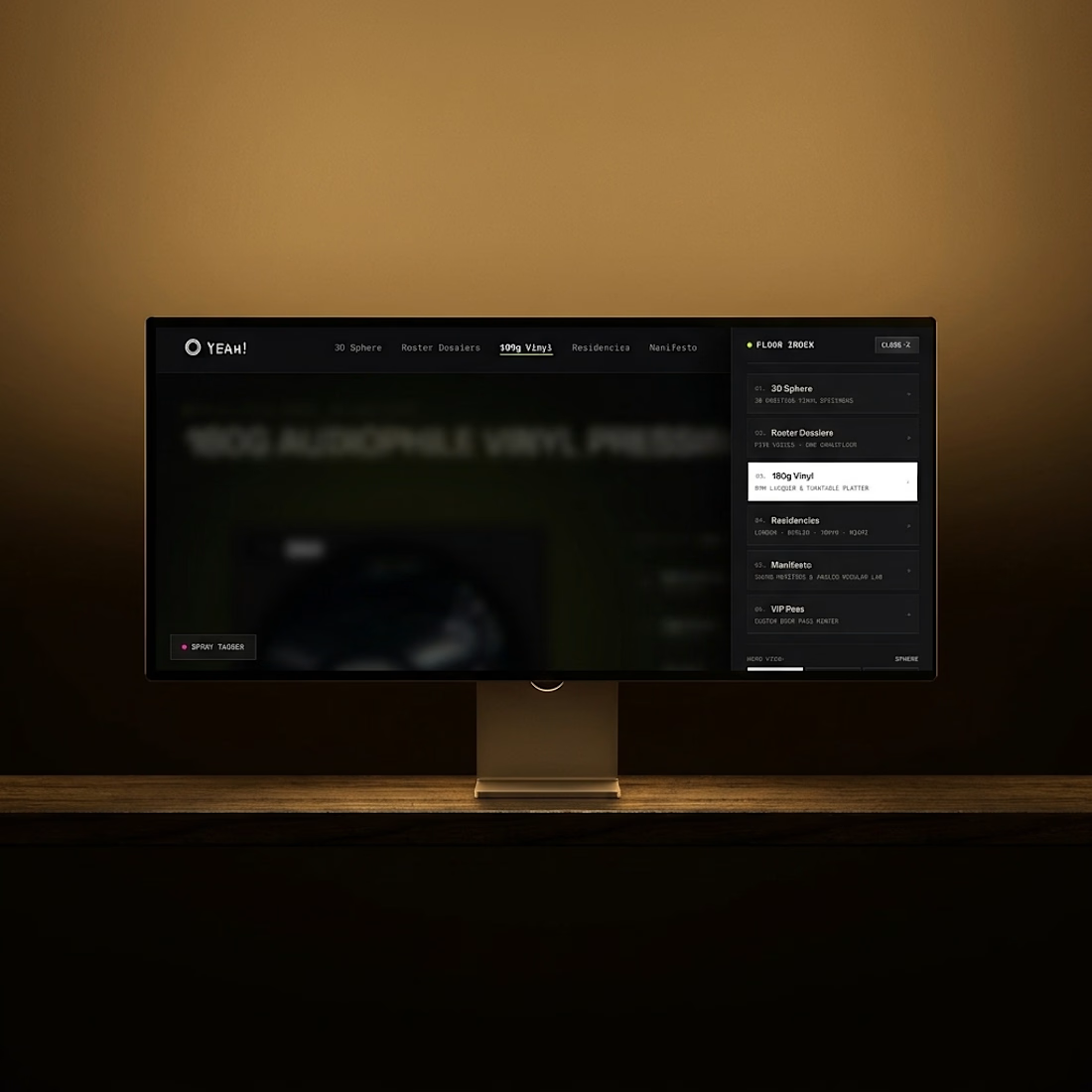
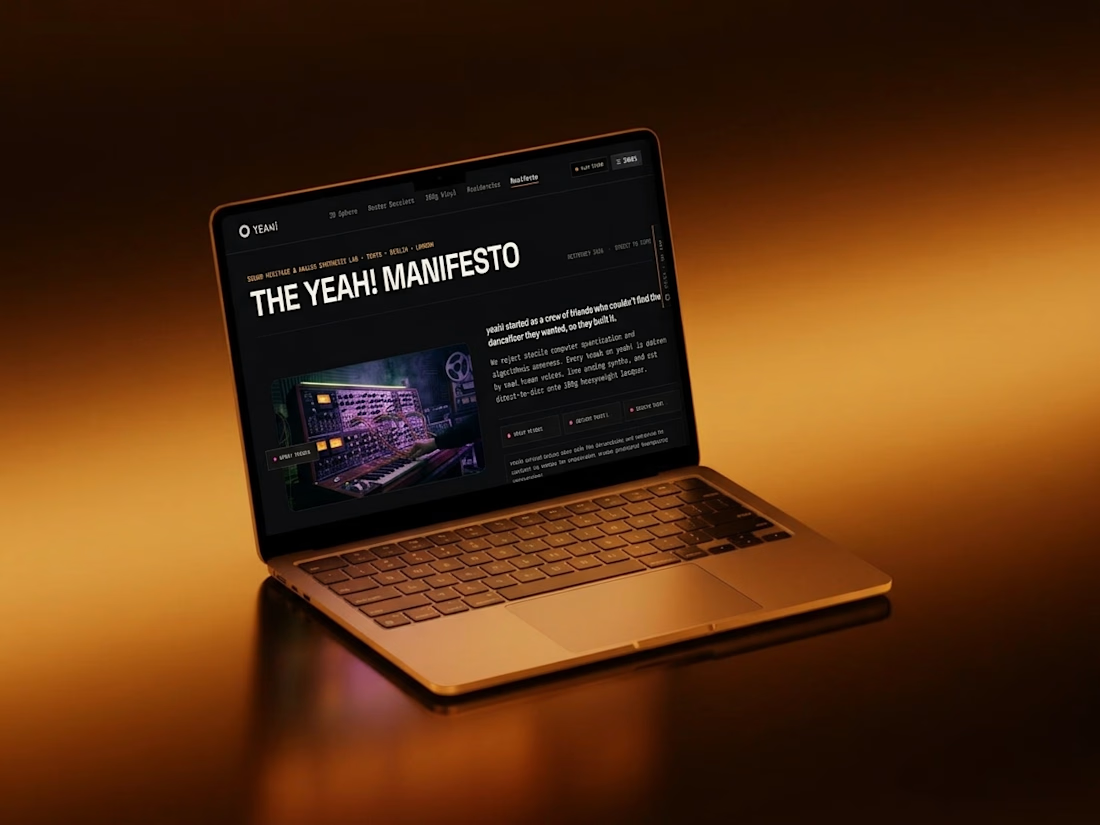
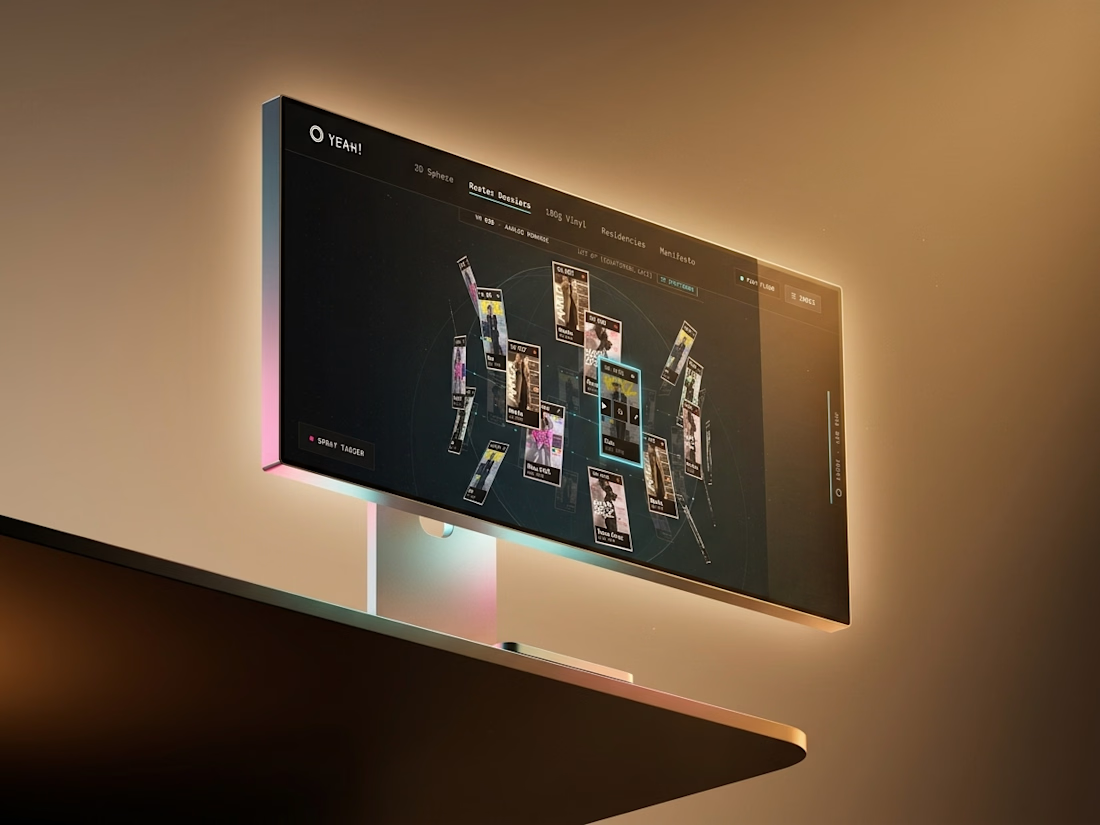
The yeah! website is a roster you can spin.
Artist cards float in a sphere, a floor index runs the nav, and a spray tagger sits in the corner waiting for you to leave a mark.
Dark room, amber glow, one loud shout.


Amazing work🔥👏👏

The Prop Room: prop rental and shoot planning, built with Base44
* Description:
The Prop Room is a playful prop-rental and shoot-planning web app for photographers, stylists, art directors and brands planning shoots.
The problem: Choosing props is visual, but rental catalogues aren’t. People imagine how isolated objects will look together, then rebuild item lists, quantities, costs and prep notes in separate tools.
* What it does
Collection: 16 props with filters, search, detail views and a tray with live daily totals.
Canvas: a scene editor with drag, resize, rotate, flip, one-step layering, per-object locking, snapping, undo/redo, background colours, PNG export, sharing and presentation mode.
Scene Stylist (AI): use, mood, budget and an optional brief become a catalogue-valid, budget-checked scene that opens straight into the canvas. Prices come from app data, not model text, and there’s a curated fallback plus an honest no-match state.
Inspiration and My Scenes: ready-made templates and saved, named scenes.
* Automation
One scene drives everything. Quantities and dates recalculate the daily and period estimate. A prep checklist is generated from the selected props (lighting power, backdrop support, fragile items, furniture access), and only the affected checks reset when the scene changes. The scene also produces a print-ready shoot pack and a calendar (ICS) file. Inquiries are saved as their own snapshot, so later edits never silently change a submitted request. Planning that usually takes a spreadsheet, a calculator and a checklist happens automatically while you compose.
* Process
Figma first. A brand guide came from a reference palette, with Stack Sans Notch and Stack Sans Text. Prop imagery was generated, cut out and art-directed, and desktop and mobile screens were designed and revised by hand. The approved designs were then built for real in Base44 and refined through rounds of side-by-side checks against Figma and real interaction testing at 1440, 390 and 320 px. The landing page’s brand film was made in Higgsfield with Seedance 2.0.
Live site: https://figma-the-prop-room-9b66831b.base44.app
Built with Base44 · Designed in Figma · #Base44Challenge
