The network for creativity
Join 1.25M professional creatives like you
Connect with clients, get discovered, and run your business 100% commission-free
Creatives on Contra have earned over $150M and we are just getting started
Back to feedPost

Building clean, fast websites and graphics for small businesses while exploring AI training and evaluation roles has been such a rewarding mix lately. Balancing a strong design eye with AI-assisted workflows is completely changing how we approach web projects.

The network for creativity
Join 1.25M professional creatives like you
Connect with clients, get discovered, and run your business 100% commission-free
Creatives on Contra have earned over $150M and we are just getting started











Related posts

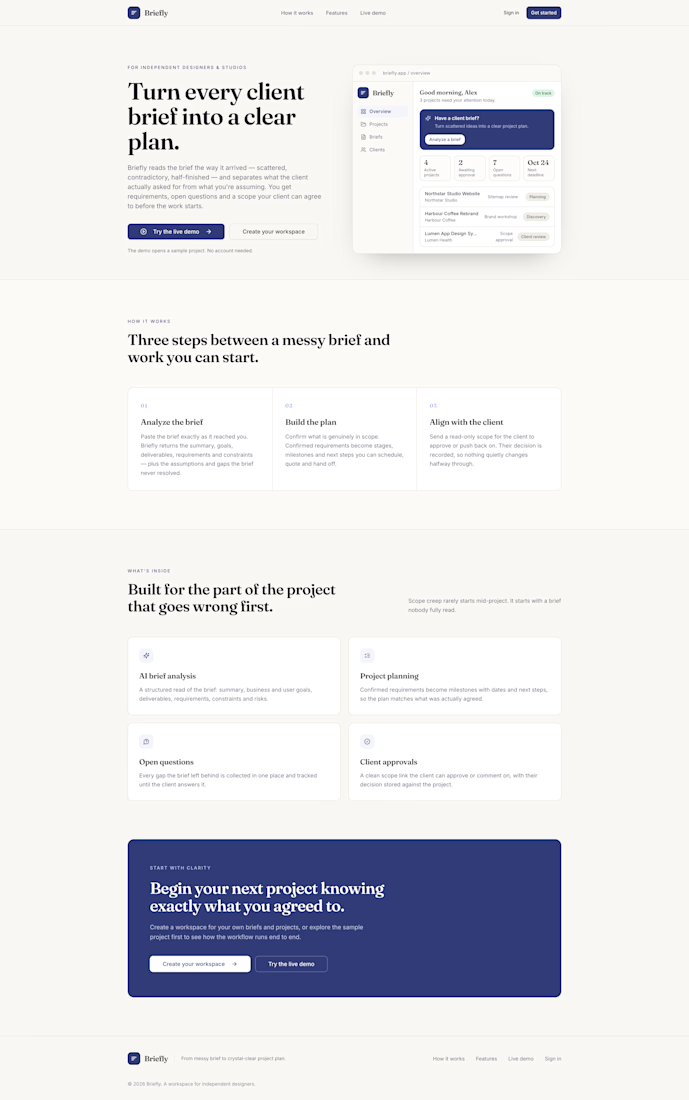
Briefly From Messy Brief to Crystal-Clear Project Plan
An AI-powered project-planning and client-alignment workspace for designers, developers, freelancers, and agencies.
The problem
Great projects don't always start with great briefs.
A client sends a few messages, shares a rough idea, or explains their requirements across emails and calls. Important details are missing. Deliverables are unclear. Deadlines and expectations haven't been confirmed.
Designers, developers, freelancers, and agencies end up spending valuable time chasing information, organising requirements, defining scope, and trying to get everyone on the same page before the actual work can begin.
When these early conversations aren't structured, misunderstandings can turn into scope creep, delayed timelines, and difficult client conversations.
The solution
Briefly helps turn an unstructured client brief into a clear, actionable project plan.
Instead of starting from a blank document, users can bring their client's initial requirements into one workspace, use AI to analyse the brief, identify missing information, and organise the project into a structured plan.
Briefly also supports client review and approval, helping teams create a clearer starting point before moving into delivery.
Who is Briefly for?
Briefly is designed for:
Freelance designers and product designers who need to turn client requests into clear scopes, milestones, and deliverables.
Developers and independent consultants who need to clarify requirements and expectations before building.
Small and mid-sized agencies that want a more consistent way to structure project intake and align teams with clients.
Creative studios and cross-functional teams working on websites, digital products, branding, and other client projects.
Whether you're working alone or coordinating a small team, the goal is the same: reduce ambiguity before the work begins.
How it works
1. Start with the brief
Bring in the client's initial project description, even when it is incomplete or loosely structured.
2. Analyse with AI
Briefly helps organise the requirements, identify project goals and deliverables, and surface unanswered questions that need clarification.
3. Create a project plan
Turn the analysis into a structured plan with milestones and relevant project details. Review and edit the plan before saving it.
4. Save and organise the project
Keep the project plan and its key information in a dedicated workspace, where you can return to it and continue refining the work.
5. Share for client review
Generate a private review link so the client can review the proposed plan and submit an approval. The goal is to establish clearer expectations before delivery begins.
What makes Briefly different?
Briefly focuses on the often-overlooked moment between receiving a client's idea and starting the actual work.
It's not just about generating text with AI. It's about creating a practical bridge between an unclear request and an agreed project direction.
The experience brings brief analysis, project planning, editing, saved project information, and client review into one workflow.
Built with Base44
Briefly was built as a responsive web application using Base44. The product includes a public landing page, an authenticated workspace, project and brief workflows, AI-powered brief analysis, saved project plans, and private client review links.
During testing, I verified the core journey: authentication, brief analysis, editing and saving a project plan, persistence after refresh, client review and approval, and protected workspace access. I also addressed a navigation issue and refreshed the editor's mobile preview to verify the responsive layout.
Product vision
I want Briefly to become a practical starting point for better client projects helping independent professionals and agencies spend less time chasing clarity and more time delivering great work.
The bigger vision is simple:
Every project deserves a clear beginning.
Briefly turns messy briefs into clearer plans, better questions, and more confident project kickoffs.
Live application: https://briefly-plan-pro.base44.app


This is such a needed tool Irshad! "Great projects don't always start with great briefs" - so relatable! Every freelancer knows the pain of rough client messages turning into scope creep. AI-powered alignment workspace for designers/devs/agencies is a brilliant solve for Base44...

Anyone can use AI. The skill is knowing what to ask for.
My client needed a refresh that wouldn’t wipe their filters. I delivered that, plus auto-refresh with their own timer and a live countdown.
See it in action 👇


AI is changing web design
3D websites, stunning animations & interactive UI all from a prompt.
10 resources worth exploring:
ScrollTide
Awwwards
Godly
60FPS
Aceternity UI
Magic UI
Three.js
ShaderToy
Lovable The future isn't just writing code. It's turning ideas into experiences. Which tool are you using?
#webdesign #AI #3Dwebsites #interactiveUI #webdevelopment
