The network for creativity
Join 1.25M professional creatives like you
Connect with clients, get discovered, and run your business 100% commission-free
Creatives on Contra have earned over $150M and we are just getting started
Back to feedPost


The gap between code and design is getting smaller.
With tools now able to push working UI from code directly into Figma, the workflow is shifting from static mockups to iterative systems.
For structured website work, this is interesting it means layout, interaction, and implementation can be explored as one continuous loop instead of separate phases.
Design is no longer just a starting point.
It’s becoming a living system connected to the build.
Curious how others see this affecting the Figma → Webflow/Framer workflow.

The network for creativity
Join 1.25M professional creatives like you
Connect with clients, get discovered, and run your business 100% commission-free
Creatives on Contra have earned over $150M and we are just getting started

Challenges
View all


Related posts

I usually don't stop at 3 breakpoints when building a website.
Most people think about: Mobile, Tablet, Laptop
I like adding one more: Desktop
Because what looks great at 1440px can feel completely different at 1920px...
- The layout gets too wide.
- Spacing starts feeling off.
- Content loses its balance.
So I like testing the system across: Mobile → Tablet → Laptop → Desktop
Not because every website needs exactly 4 breakpoints. But because responsive design isn't about making a few screen sizes work.
It's about making the whole system work.
Follow Rushabh for more website fundamentals, experiments, and things I learn while building for the web.

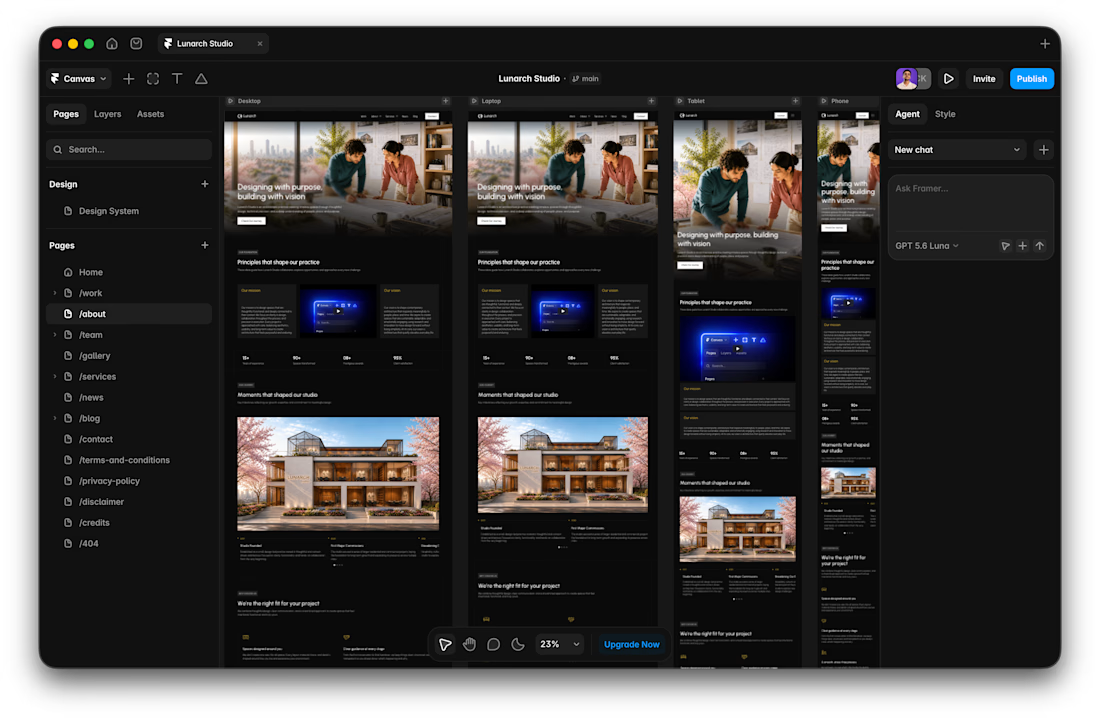

Wide screens expose spacing issues that laptop previews can hide.

GPT-6 Astra one-shotted my portfolio website 👇
I posted it across my socials and it came with mixed reactions 😂
Now I’m curious what the creative community here on Contra thinks.
What do you think of the design and the Soft Neo-Brutalist style?
Hit or miss? 👀
#gpt6astra #uiuxdesigner #neobrutalism
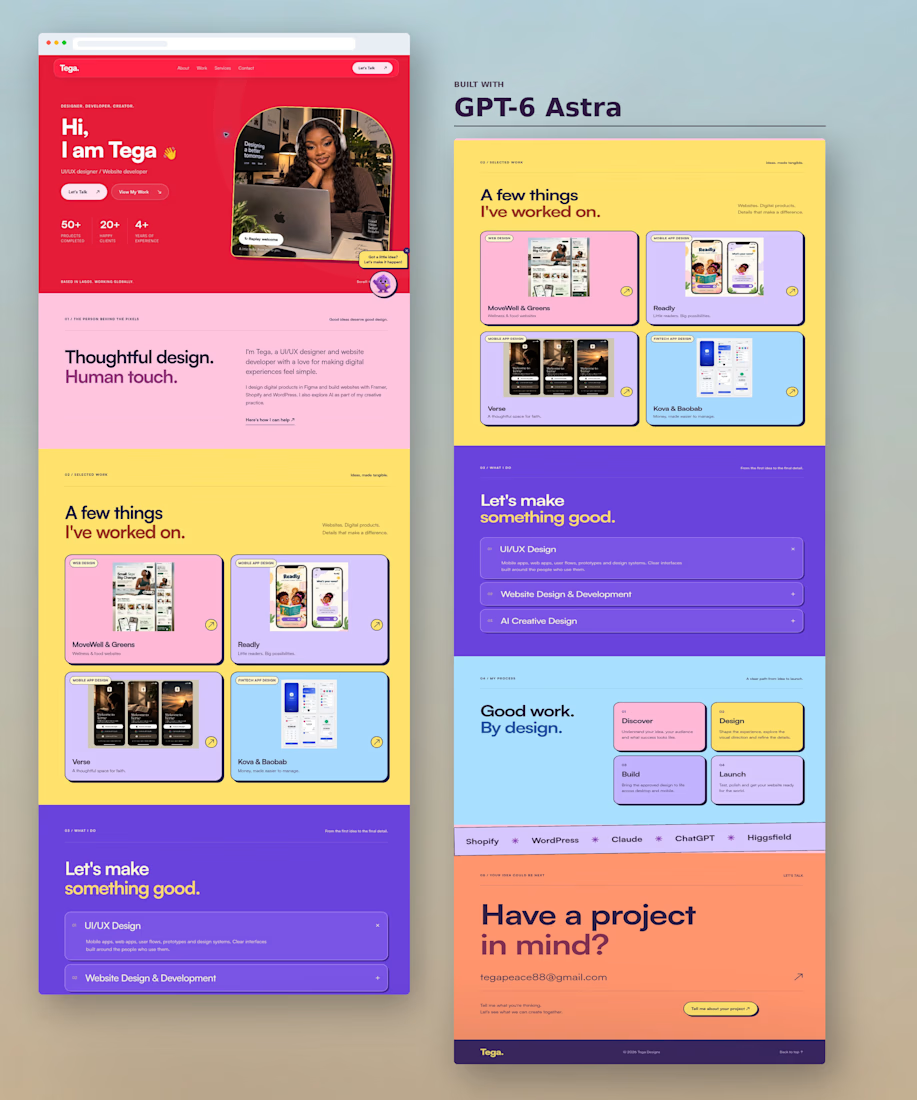

A hit for me

Ledger — AI CFO Platform
Ledger is an AI platform that acts as an always-on Chief Financial Officer for founders — connecting to accounts, learning cash rhythm, and surfacing risks before they become real problems. I designed the full landing page.
My role: UI/UX Design
Scope: Landing page
Financial tools for founders usually feel either cold (dashboards) or intimidating (accounting software).
For Ledger, we borrowed from old-world institutional finance instead — serif type, oil-painting textures, classical architecture — so an AI CFO feels like real authority, not another app.


This color pallet works so well with data and makes everything look premium. love it!