The network for creativity
Join 1.25M professional creatives like you
Connect with clients, get discovered, and run your business 100% commission-free
Creatives on Contra have earned over $150M and we are just getting started
Back to feedPost

Had a lot of fun building a draggable 3D gallery.
Then, asked the agent to find 50 iconic rock albums, fill the CMS, and pull matching album covers from a public database.
Creative work is on me. Boring is on AI. This is wild
Did you find your favorite album?
↓


This design is so similiar to a project i was working on lately an this execution is a masterpiece with a true use of AI. A great example for a developer who knows when and how to use AI. Great work!

Great work

Californication as the hero pick is a bold choice haha, solid taste. That split of creative direction vs letting the agent handle the CMS grunt work feels like the actual future of this job. How long did the drag interaction itself take to get feeling right?

this is SO dope, so fun! as a music lover, i'm admittedly major heart eyes at this design. the simplicity is gorgeous. didn't catch my personal #1 favorite, but peeped my #2 with american idiot. fiiiiiiire.
hold UPPPPP if that's ziggy stardust on the far left after american idiot you scored.
The network for creativity
Join 1.25M professional creatives like you
Connect with clients, get discovered, and run your business 100% commission-free
Creatives on Contra have earned over $150M and we are just getting started







Related posts


Every element feels perfectly placed! 👏

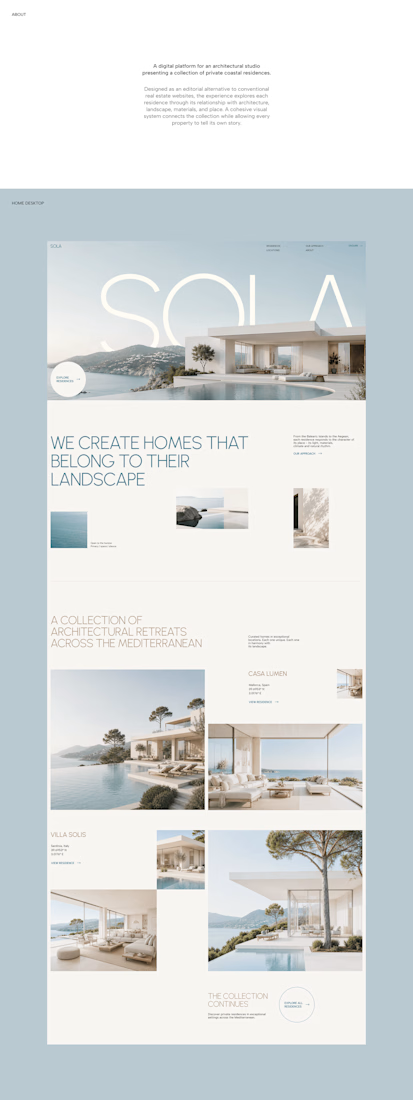
A luxury property deserves a presentation that does it justice.
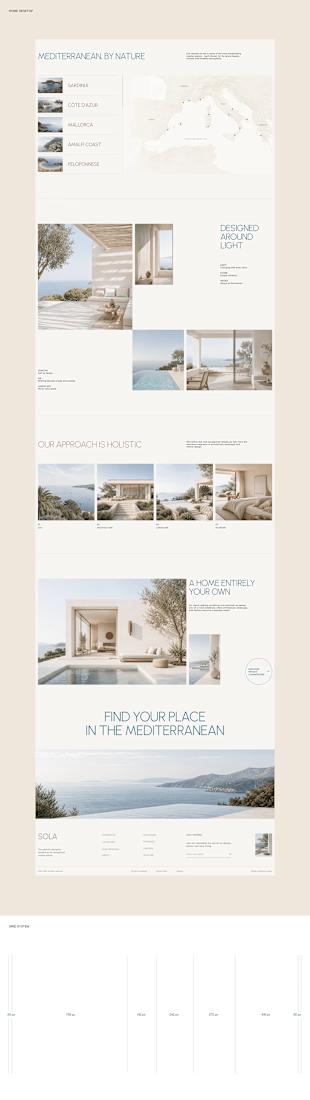
With SOLA – Architecture Studio & Luxury Real Estate, I wanted to bring the beauty of modern coastal architecture into the website itself.
From the large property images and soft blue tones to the clean layout across desktop and mobile, every part of the design helps create a calm, premium feel while making the homes the centre of attention.
I like how the website brings architecture and digital design together, giving visitors a chance to explore the properties before making an enquiry.
If you were looking for a luxury home, would a website like this make you more interested in the property?
#WebDesign #Architecture #LuxuryRealEstate



Incredible work, you transformed SOLA into a premium property brand.

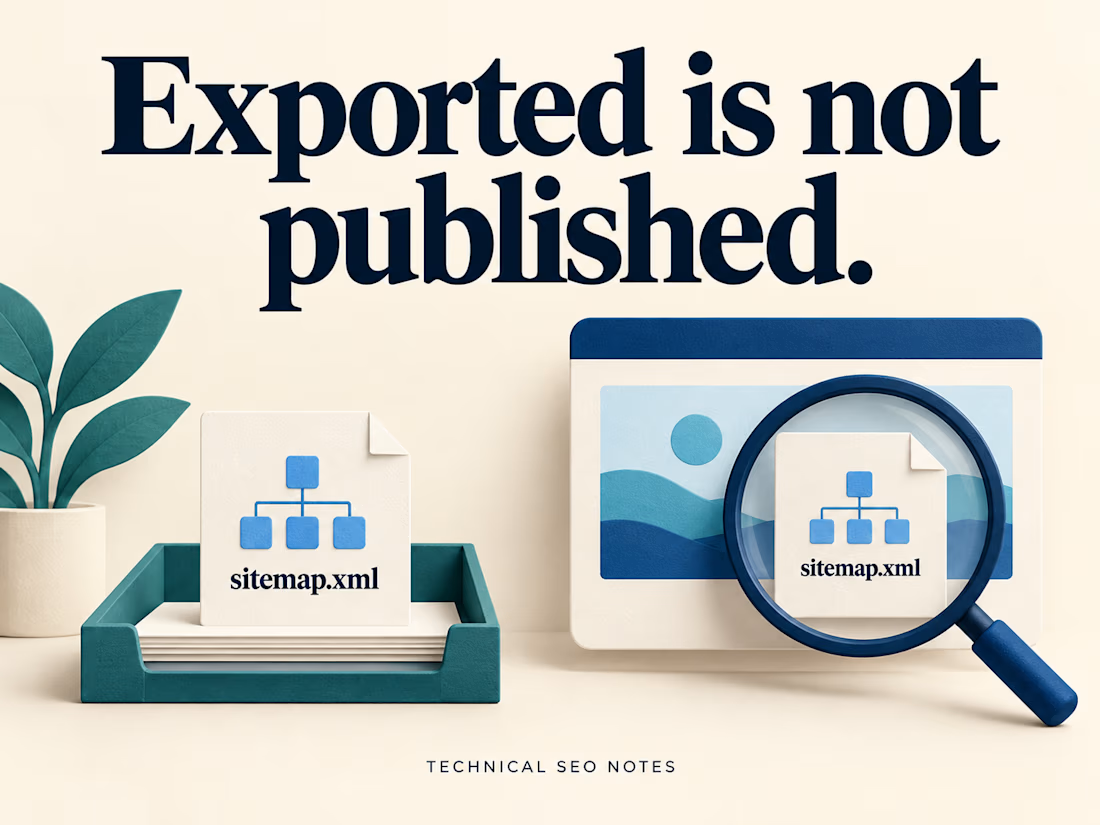
Check the Live Sitemap Before Signing Off the Release
A sitemap can export correctly while the live website still serves an older URL list. The task needs a check at the public sitemap address after deployment.
That check should compare the published file with the pages the team agreed to include.
Imagine an export containing 200 URLs. The public sitemap also contains 200, but it still lists a retired service page and omits the new replacement. The totals match. The contents do not.
Before closing the task, check:
• The production sitemap address returns the expected XML.
• Its complete URL list matches the agreed inventory.
• Each intended page type is represented, including a newly published page.
• Deliberately excluded pages remain absent.
• Someone owns the process that keeps the file current.
Start with the sitemap already on the site. It may be an index pointing to several smaller files. Include those files in the comparison so a working index does not hide an outdated section underneath it.
Keep the inventory decision explicit: which service pages, locations, articles or products belong in this release? A crawler's export tells you what it discovered. Compare that list with the pages the site was supposed to publish.
Open a sample of the listed URLs as well. Check that they reach the intended production pages and use the preferred addresses. If the sitemap includes modification dates, those dates should reflect significant page updates; exporting the file again does not make every page newly updated.
For a site that publishes regularly, document how new pages enter the sitemap and how retired pages leave it. An automated generator still needs clear inclusion rules and a check when those rules change.
Keep the public address, inventory comparison and update owner in the release notes. Make the sitemap discoverable through Search Console or robots.txt, and check for retrieval or processing errors. Submission does not guarantee that every listed page will be crawled or indexed.
I put together the generation, export and publishing steps in the full guide on Technical SEO Notes:
https://technicalseonotes.org/how-to-generate-and-export-an-xml-sitemap/
Projects and client work: NikoCodes
https://nikocodes.com/

Solid checklist. I'd add lastmod: if every release stamps today's date on every URL, Google learns to ignore it. It should only change when the page content changes. Also worth confirming every sitemap URL returns a direct 200, not a redirect.