The network for creativity
Join 1.25M professional creatives like you
Connect with clients, get discovered, and run your business 100% commission-free
Creatives on Contra have earned over $150M and we are just getting started
Back to feedPost

An SEO audit should give the next person a task they can finish—not just a score.
Try turning every important finding into a small change request:
• URL: which page is affected?
• Observation: what is actually wrong, with dated evidence?
• Change: what exactly should be edited?
• Owner: who can make that edit?
• Acceptance check: how will we verify the fix?
Illustrative example, not a client finding:
‘The service page and company profile describe different service areas. Confirm the real coverage with the owner, update both descriptions, then reopen both pages and check the published wording.’
That is more actionable than ‘improve brand consistency’.
Keep implementation checks separate from search outcomes. Correcting a page proves the edit was made; it does not prove a ranking improvement or an AI recommendation. Track those separately after the change.
ROVELK offers a small AI Visibility and SEO audit from €50 for an agreed, limited scope. Send your website, target market and one service you want enquiries for through Contra. We agree the pages, questions and price before work. Project discussions: Russian / Ukrainian.
The network for creativity
Join 1.25M professional creatives like you
Connect with clients, get discovered, and run your business 100% commission-free
Creatives on Contra have earned over $150M and we are just getting started






Related posts


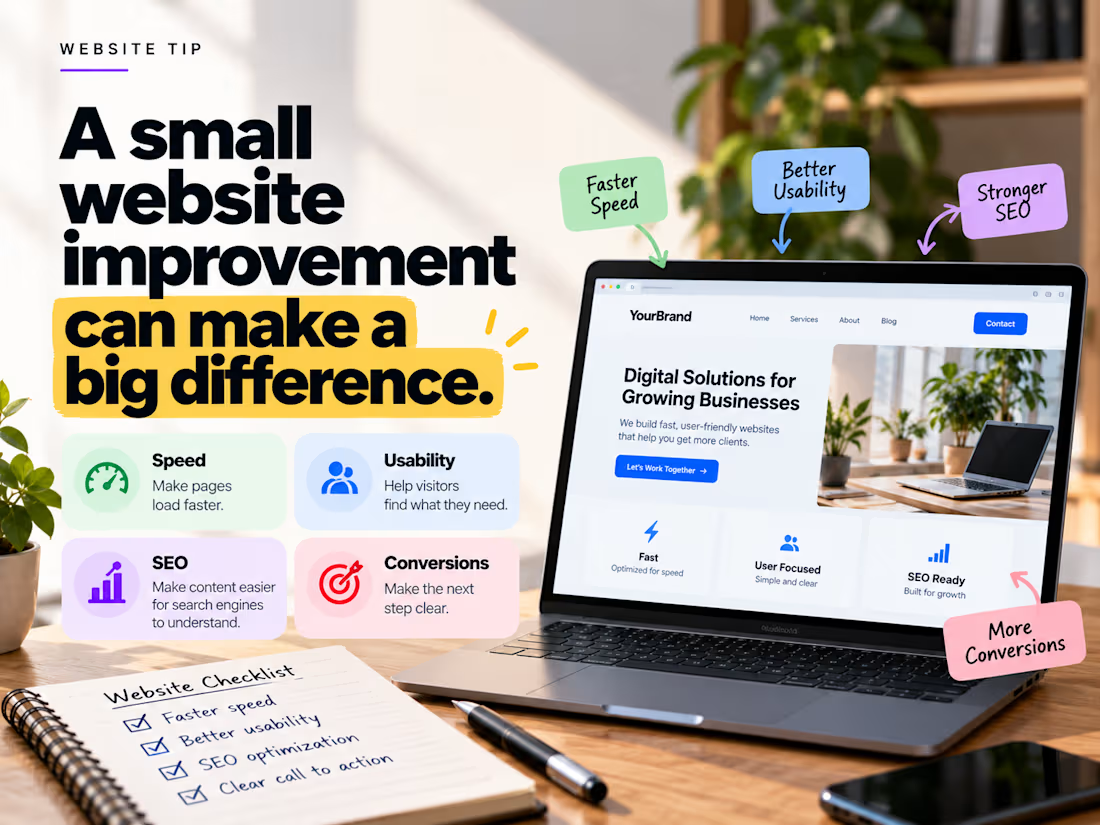
A small website improvement can make a big difference. 💡
When building or improving a website, it's easy to focus only on how it looks.
But great websites need more than good design.
Here are 4 things I always consider:
→ Speed: Make pages load faster.
→ Usability: Help visitors find what they need.
→ SEO: Make content easier for search engines to understand.
→ Conversions: Make the next step clear.
You don't always need a complete redesign.
Sometimes, fixing a few important issues can create a much better experience.
Build smarter. Improve continuously. Make every change count. 🚀
What’s the first thing you check when auditing a website?
#WordPress #WebDevelopment #SEO #WebsiteOptimization #Contra



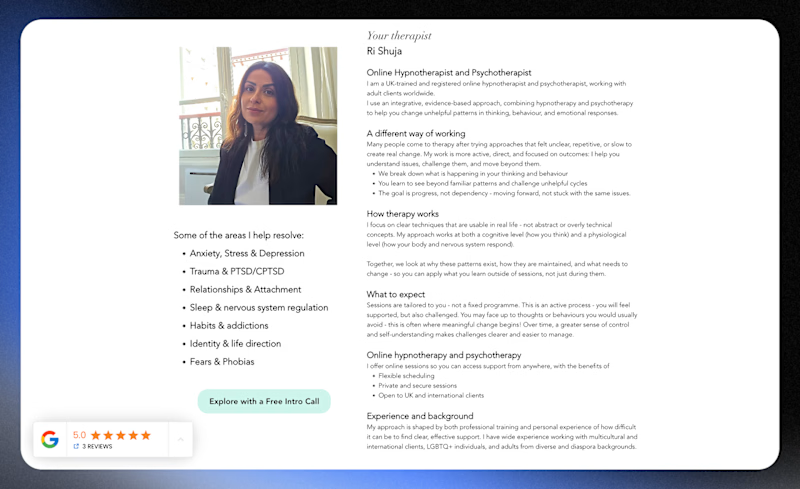
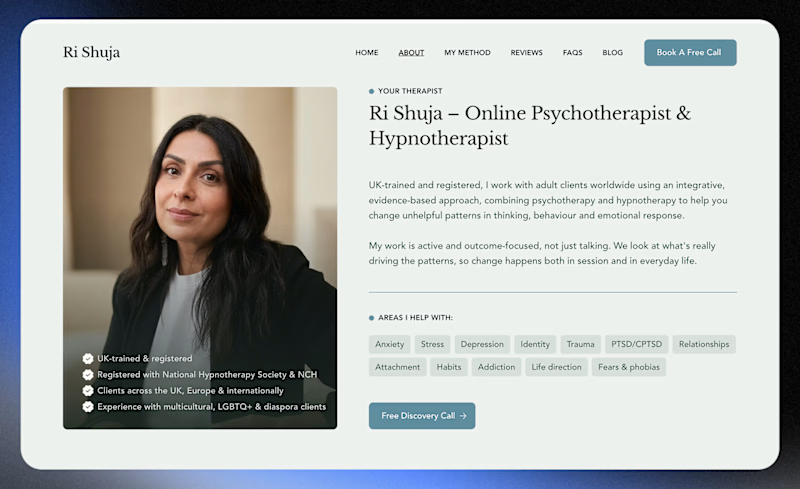
My client’s website before and after the redesign 👇
Which version feels more welcoming and trustworthy for someone looking for therapy?
For Ri Shuja, an online psychotherapist and hypnotherapist, I redesigned the site to create a calmer first impression, make her approach clearer, and help visitors take the next step with confidence.

0 voted
0%
9 voted
100%
9 votes
Closed

The After design is so much better. The old version felt like reading a long essay. The new one feels calm, friendly and very easy on the eyes.

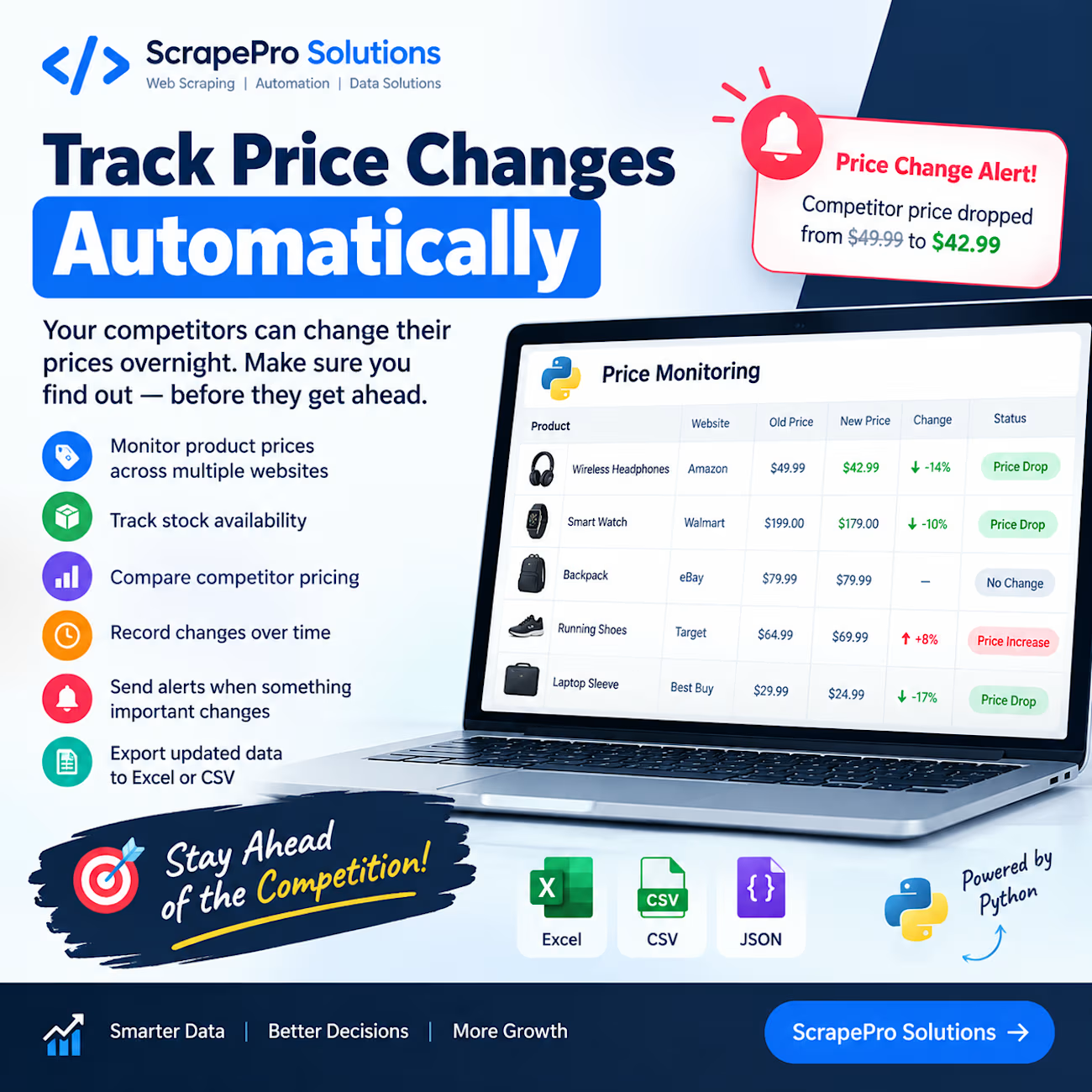
Your competitors can change their prices overnight. Your data collection system shouldn't miss it. 📊
Imagine checking 50 product pages every morning just to find out which prices have changed.
Now imagine getting that information automatically.
With Python web scraping and automation, businesses can build systems that:
→ Monitor product prices across multiple websites
→ Track stock availability
→ Compare competitor pricing
→ Record changes over time
→ Send alerts when something important changes
→ Export updated data to Excel or CSV
Instead of repeatedly checking websites, you get organized information that helps you make better business decisions.
This can be especially useful for e-commerce businesses, online retailers, and teams that regularly research competitors.
At ScrapePro Solutions, I build custom Python scraping and automation solutions tailored to specific business needs.
A quick question for e-commerce business owners:
If a competitor changed their product price today, how would you find out — manual checking or automatic alerts?
💬 Share your answer in the comments.



Its really great developer and services very good