The network for creativity
Join 1.25M professional creatives like you
Connect with clients, get discovered, and run your business 100% commission-free
Creatives on Contra have earned over $150M and we are just getting started
Back to feedPost

Hey, I’m Meet Khunt, a Frontend Shopify Developer helping D2C and e-commerce brands build high-converting Shopify stores, landing pages, and advertorials.
Recently, I built a Claude-powered workflow that helps me create landing and advertorial pages much faster.
This means I can take a competitor reference, rough idea, or existing angle and turn it into a working page quickly, making it easier to test different layouts and angles for Meta ads and see what actually converts.
If you’re working on a D2C brand and need a landing page or advertorial built quickly, let’s connect. 🚀
The network for creativity
Join 1.25M professional creatives like you
Connect with clients, get discovered, and run your business 100% commission-free
Creatives on Contra have earned over $150M and we are just getting started



Related posts

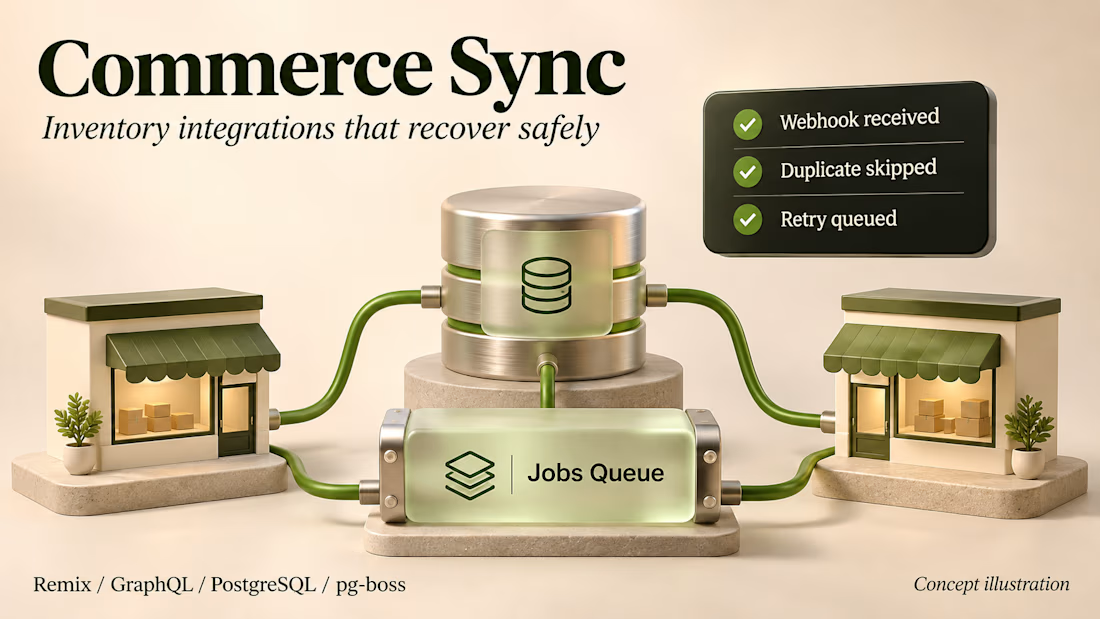
A duplicate webhook should not change inventory twice.
Commerce Sync is my multi-store Shopify integration example. Product changes move between storefronts, and inventory updates make their way back to the parent store.
The part I care about is what happens when something fails. PostgreSQL catches duplicate deliveries, pg-boss keeps jobs durable, and separate workers handle throttling and retries. Partial syncs have a rollback path.
I put the architecture and implementation decisions in the case study below. Client details are removed, and the render is a concept illustration.
I am taking on Shopify app integrations and backend maintenance, remotely from India, up to 20 hours a week.


LUXE Furnish Studio is ready!!
I designed & built LUXE - a premium furniture brand on Shopify.
The goal was simple: Make it feel like a luxury showroom, not just an online shop.
What I did:
Clean, premium homepage with luxury branding
Curated collections: Sofas, Chairs, Tables & Decor
High-converting product pages with clear pricing & Add to Cart
Fully mobile-responsive - looks perfect on phone & desktop
Fast, clean navigation for easy shopping
Built on Shopify with a premium, minimal aesthetic focused on conversions.
If you need a luxury Shopify store that actually sells - let's build yours.
Live Demo: luxe-furnish-studio.myshopify.com
Password: 00
Services: Shopify Store Design, Shopify Development, E-commerce UI/UX
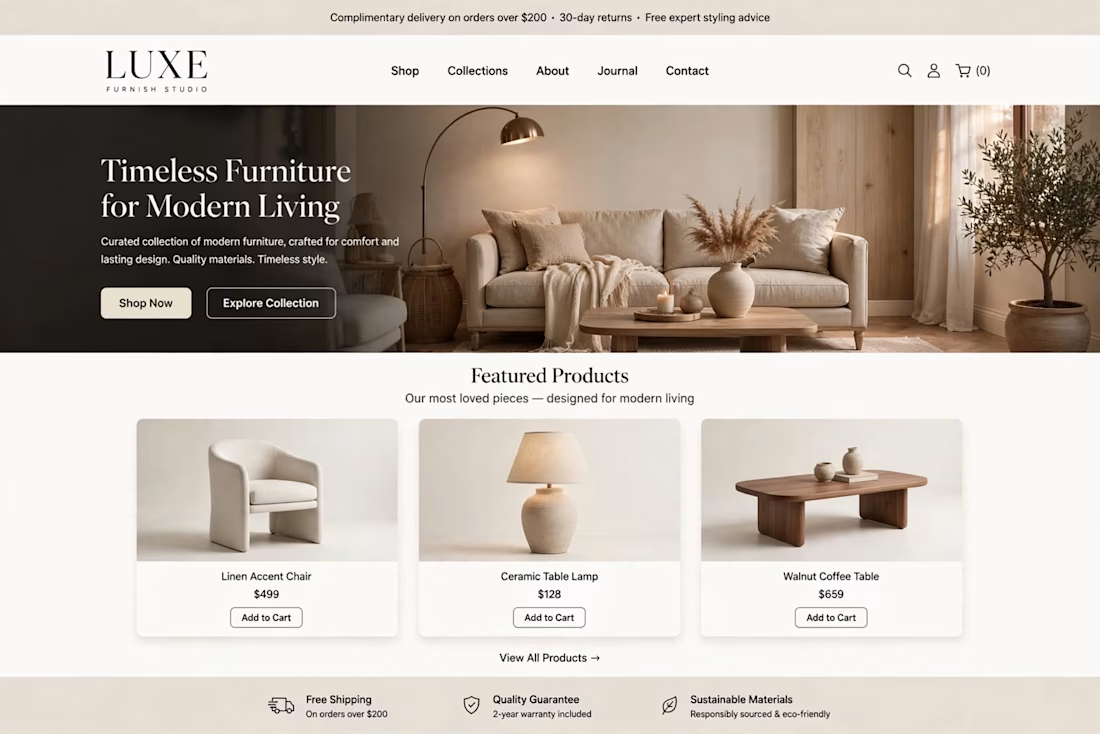
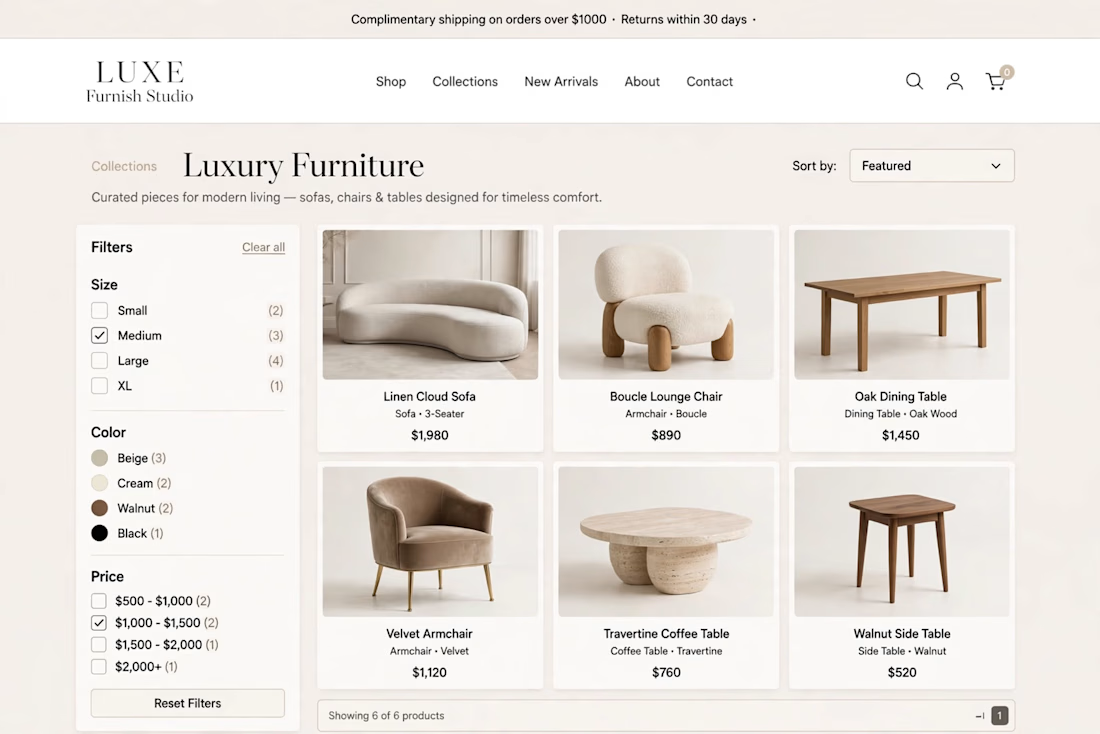
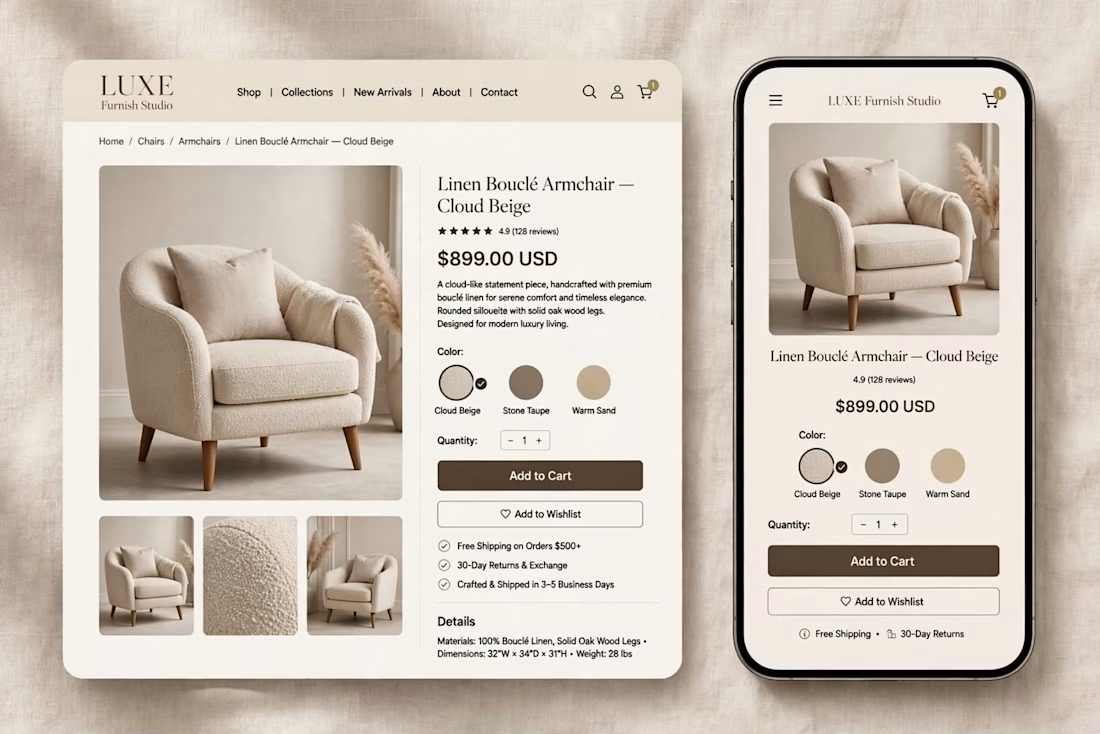

The warm beige palette and the sofa hero with the arc lamp feel like a real showroom, and the mobile product page keeps the same calm look. Which part took longer, the homepage or the product page?

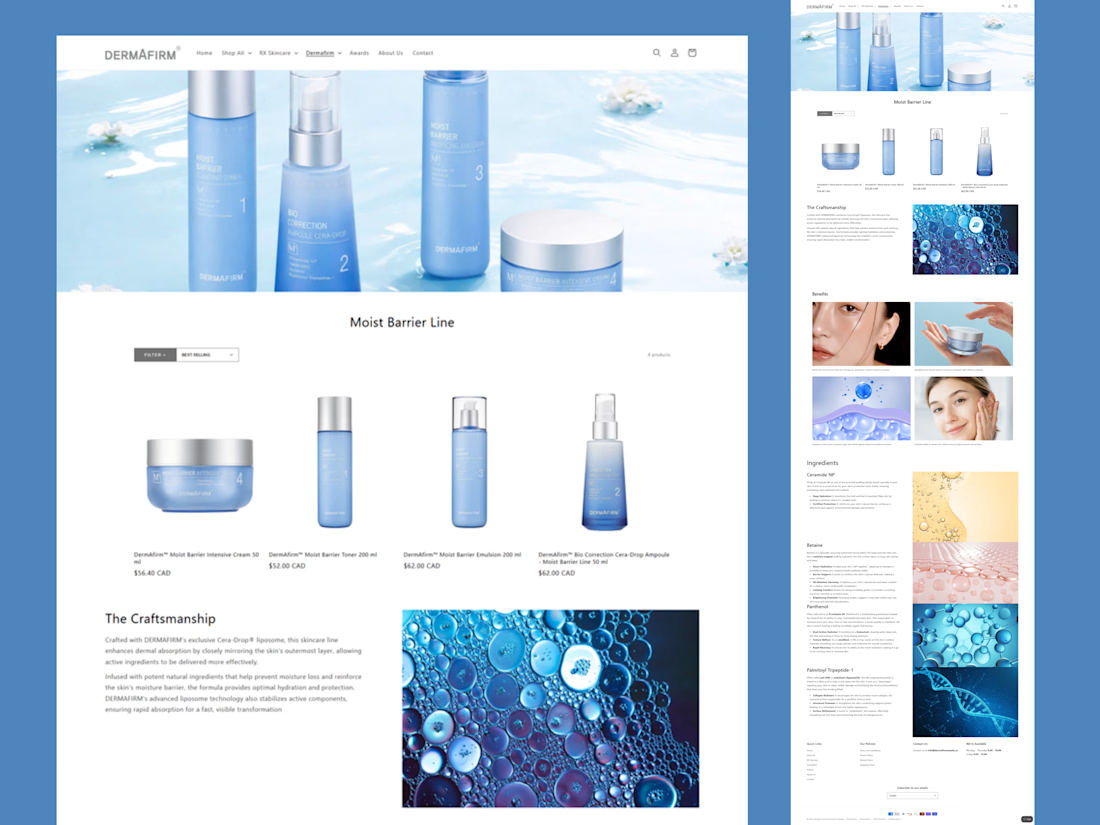
Shopify Collection Page Design | Dermafirm Canada
Recently designed and developed a custom collection page for Dermafirm Canada's Moist Barrier Line.
The page goes beyond a standard product grid, featuring:
→ Custom hero banner
→ Product collection and filtering
→ Brand craftsmanship section
→ Skincare benefits and ingredient highlights
→ Custom visual storytelling sections
The goal was to create a clean, premium shopping experience while communicating the science and benefits behind the product line.
Role: Shopify Designer & Developer
#shopify #shopifydeveloper #ecommerce #skincare #webdesign #shopifydesign #dtc #cpg #wellness