The network for creativity
Join 1.25M professional creatives like you
Connect with clients, get discovered, and run your business 100% commission-free
Creatives on Contra have earned over $150M and we are just getting started
Back to feedPost

Automated Hebrew Sefer Typesetting in Typst
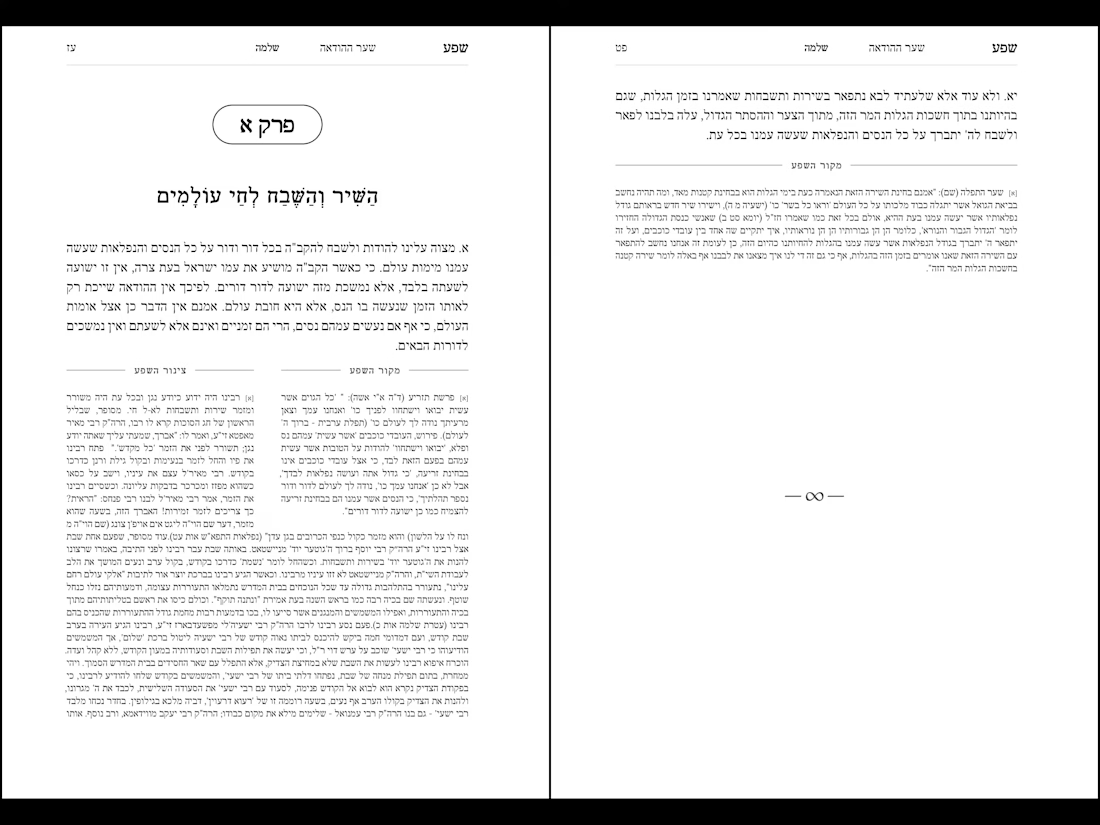
An end‐to‐end publishing pipeline that transforms structured JSON extraction of a Hebrew sefer (religious book) into a typeset PDF matching the 8‐zone layout of published editions:
1. Running header (folio letter in gematria, shaar/chapter label)
2. Chapter cartouche
3. Vowelised chapter title
4. Section subtitle (grey, letter‐spaced)
5. Main body (justified, RTL, inline call‐outs)
6. Two‐column note apparatus: footnotes (right) + endnotes (left)
7. Spillover zone (full‐width continuation of column overflow)
8. End‐of‐chapter ornament
Engineered a data‐driven Typst template that consumes structured JSON and automatically manages document composition. The system performs chapter detection, counter management, note placement, cartouche rendering, and page‐level layout calculations while balancing note columns dynamically to maximize space efficiency and maintain visual consistency.
The system replaced a labor‐intensive manual typesetting workflow with automated PDF generation while preserving the typographic conventions of the published edition. Complex page composition, note placement, chapter formatting, and RTL layout are handled automatically, reducing production effort and eliminating repetitive layout work.

The network for creativity
Join 1.25M professional creatives like you
Connect with clients, get discovered, and run your business 100% commission-free
Creatives on Contra have earned over $150M and we are just getting started

Challenges
View all


Related posts

Generated these looks in Midjourney — but the layout is what really pulls it together.
Grid, crosshairs, typography, detail callouts: same images, but the presentation makes them read like an actual editorial spread instead of just pretty pictures.

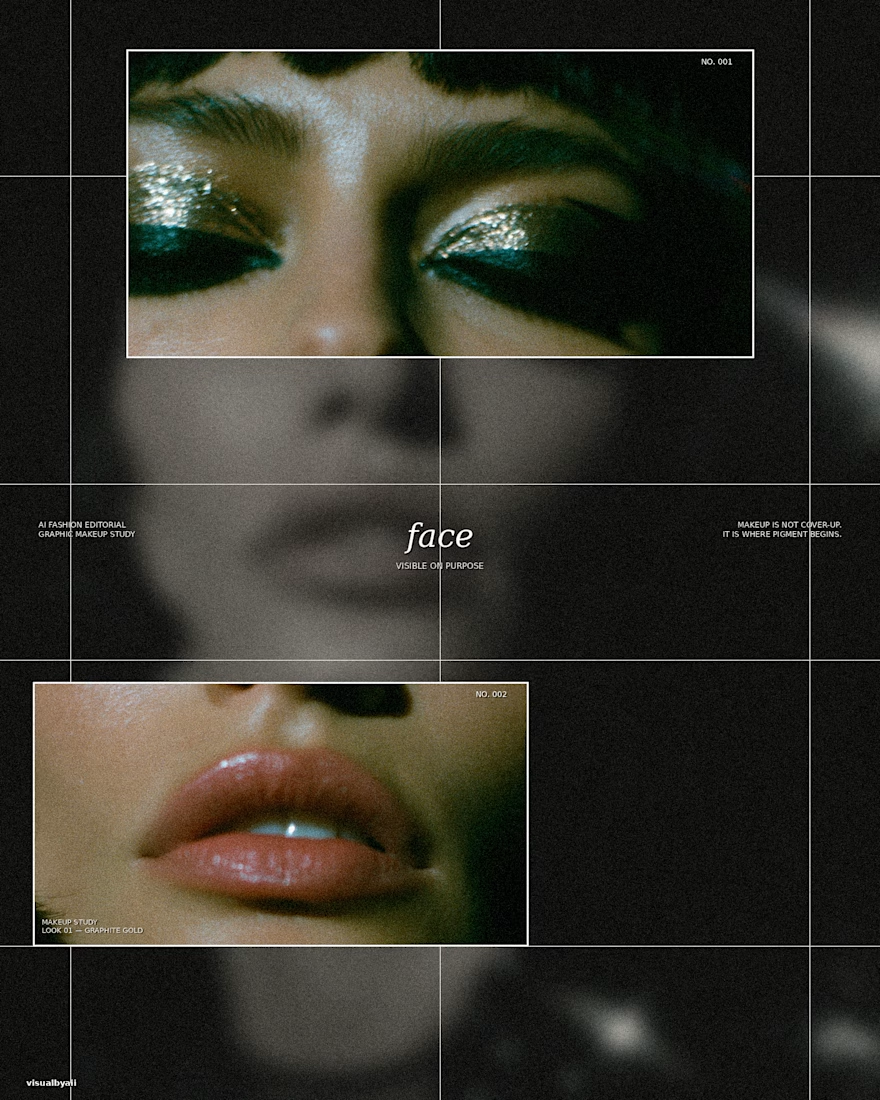

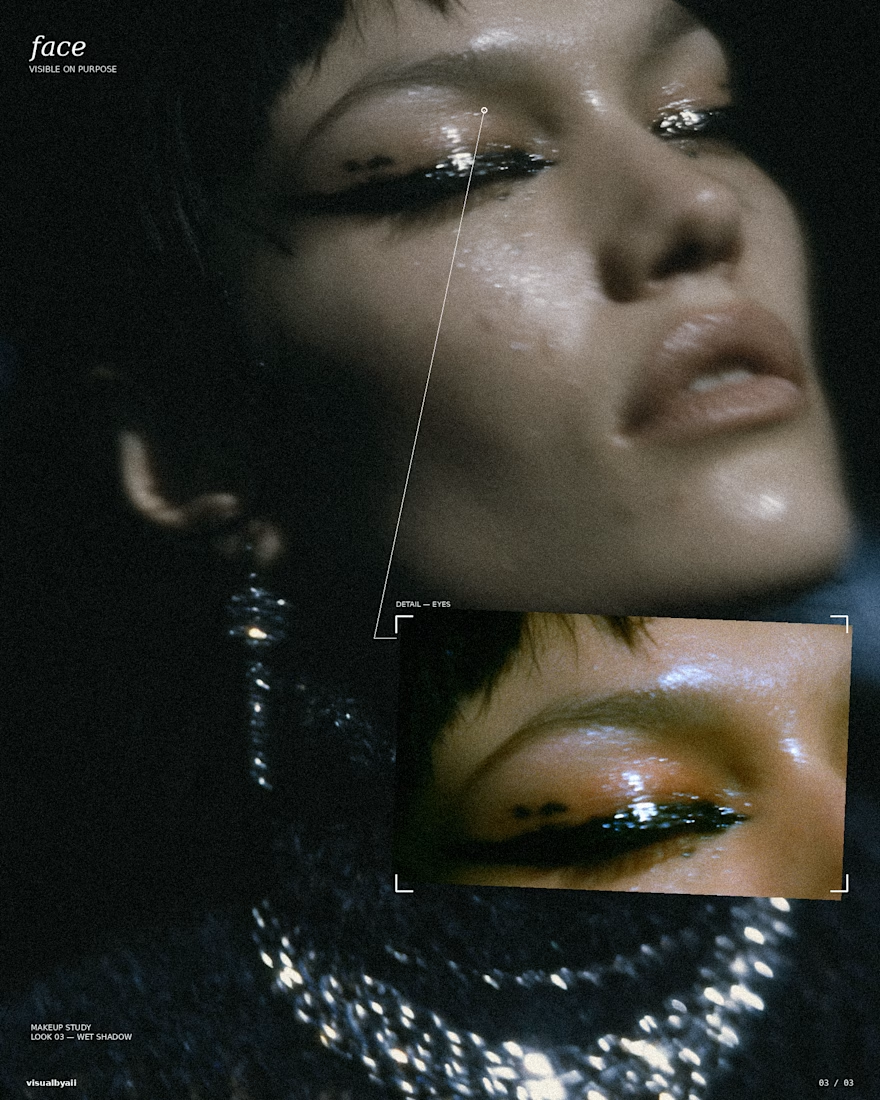

The grid, crosshairs, and detail callouts do more than decorate the Midjourney output—they turn it into an editorial system. Great example of how art direction can make a set feel like a coherent campaign.

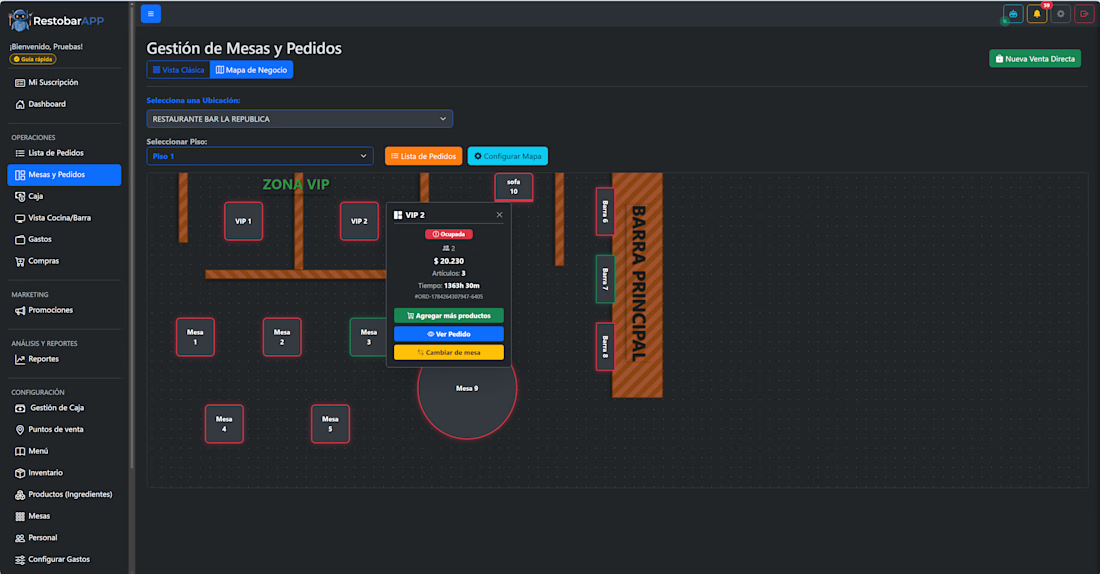
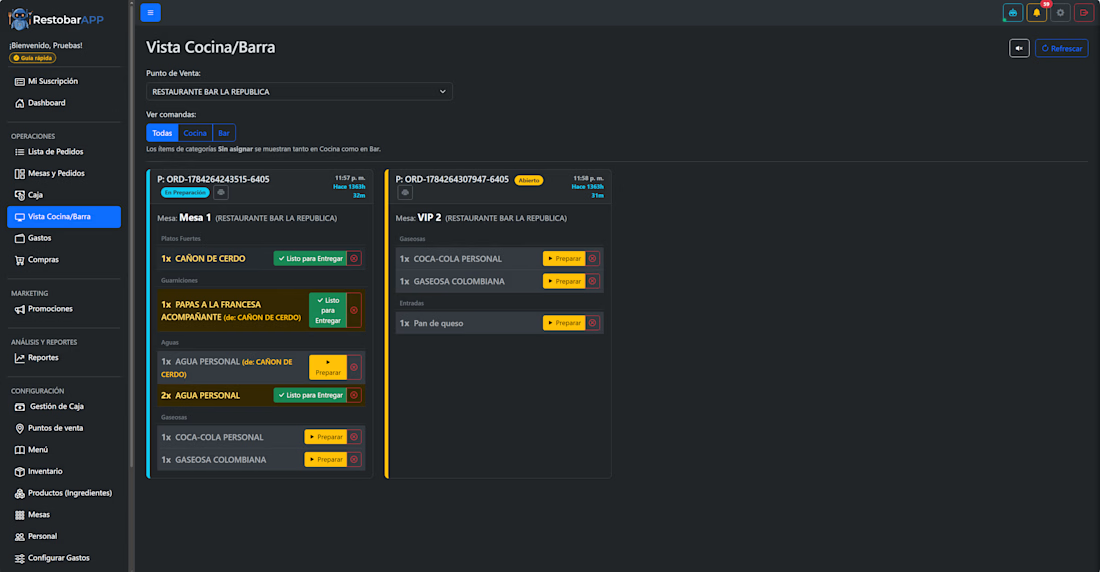
🚀 RestoBarApp — Cloud POS & Multi-Tenant Hospitality Management SaaS
Architected and deployed a full production B2B SaaS platform for restaurants, bars, and hospitality businesses with active daily operations and paying subscribers.
Key Engineering & Product Highlights:
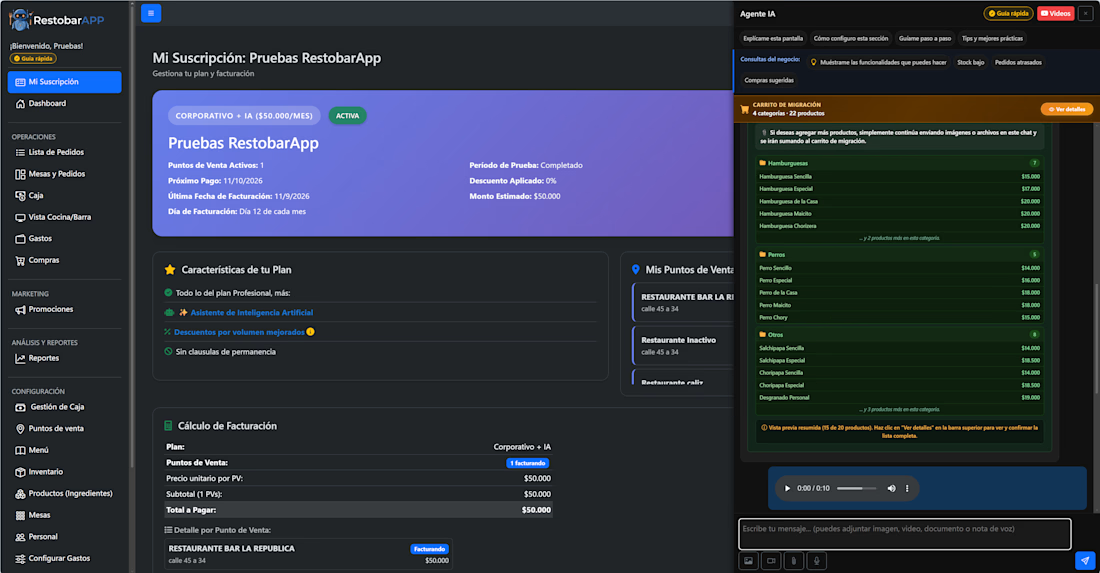
• Integrated AI Operations Assistant: In-app conversational assistant powered by Google Gemini API, allowing restaurant managers to query sales velocity, stock anomalies, and daily operational metrics in real-time.
• Granular Inventory Engine: Real-time ingredient tracking down to the gram/milliliter linked directly to recipe consumption upon checkout.
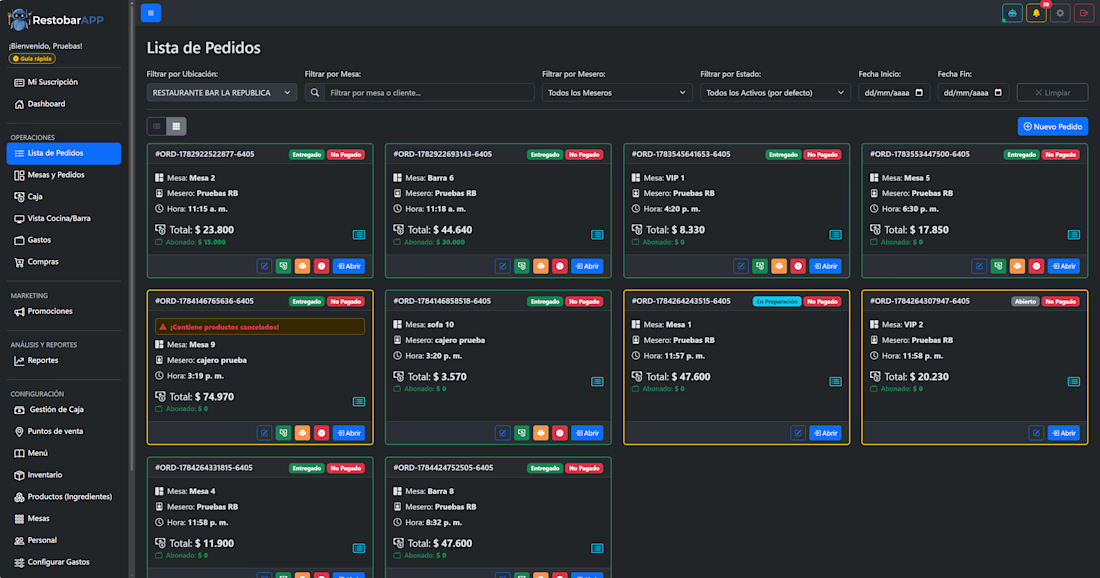
• Real-Time Kitchen Sync: Bi-directional WebSocket events keeping order queues synchronized across multiple kitchen stations with zero page reloads.
• Multi-Branch & Multi-Tenant: Robust tenant data isolation, custom role-based permissions (Cashier, Waiter, Kitchen, Admin), and multi-location management.
• Automated Invoicing & Thermal Printing: Seamless thermal POS receipt generation and automated billing lifecycle management.
🛠 Tech Stack:
Node.js • Express • MongoDB • Real-time WebSockets • Google Gemini API • TailwindCSS • Google Cloud Platform (GCP)
🔗 Live Platform: https://app.restobarapp.com
saasnodejsfullstackFull Stack DevelopmentBackend DevelopmentSoftware ArchitectureGoogle Cloud PlatformMongoDBNode.js



Great work 👍🏻

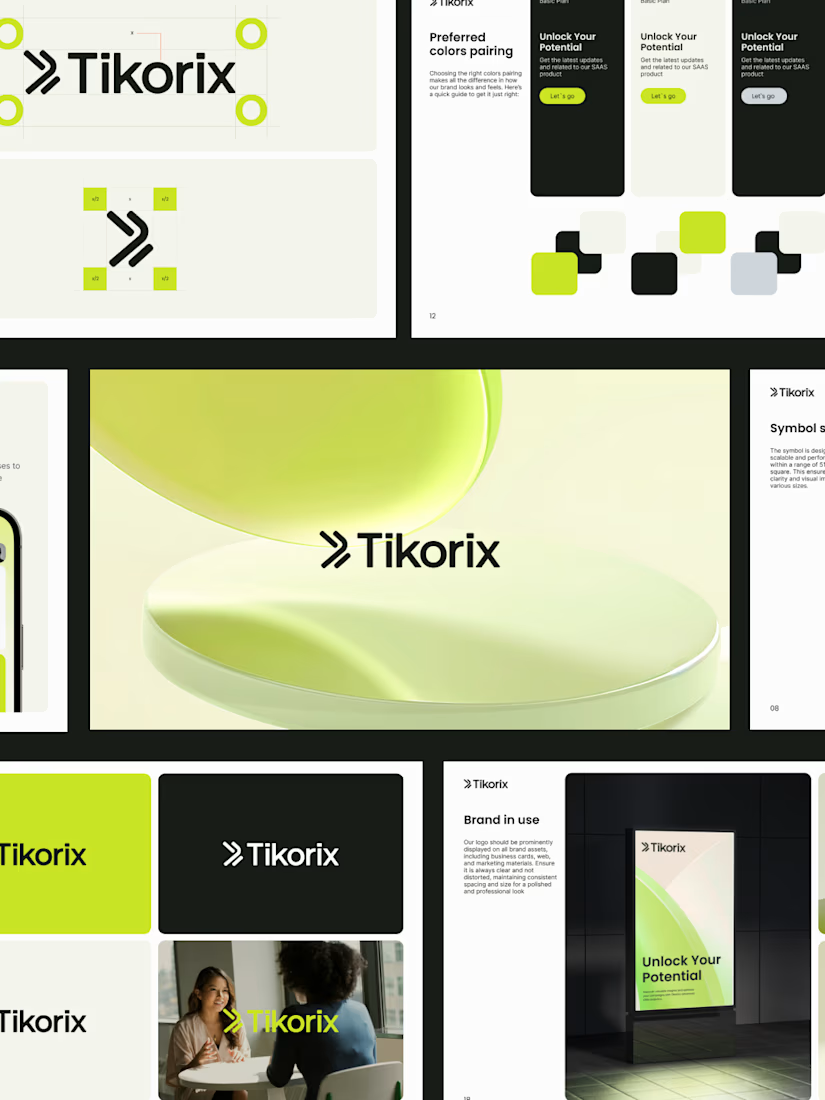
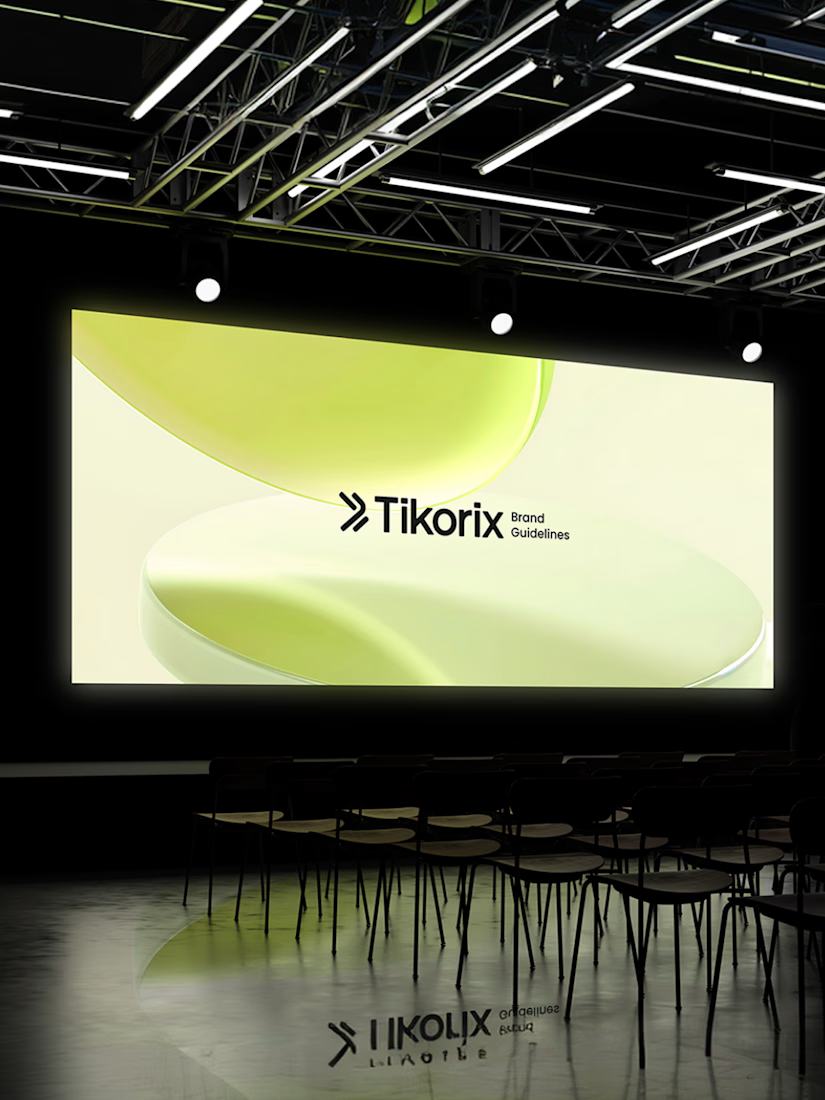
While building the Tikorix template, we worked with a brand designer to keep everything visually consistent — here's some of the brand work that came out of it.
Thinking about turning this into an interactive brand book. Worth it?
Meantime you can find Tikorix template here