The network for creativity
Join 1.25M professional creatives like you
Connect with clients, get discovered, and run your business 100% commission-free
Creatives on Contra have earned over $150M and we are just getting started
Back to feedPost
I’m reintroducing some of the projects I’ve built, starting with Ascent — https://useascent.xyz
Ascent started from a frustration I had with a lot of career tools.
Too many platforms lock basic things like PDF resume downloads behind a paywall, while some “ATS scanners” do little more than look for matching keywords. I wanted to build something more useful: a complete, free job-search toolkit that helps people improve their applications from resume creation all the way to interview preparation.
What Ascent includes:
Resume Builder
You can build a resume while seeing it update live as you type. If you already have an existing resume, you don’t need to manually re-enter everything — paste the raw text from your old resume or upload it’s pdf and Ascent can use it to populate the builder automatically in a clean, ATS-friendly format.
Semantic ATS Matcher
Instead of simply counting keywords, the matcher looks at how well your experience actually aligns with the role.
It gives you separate ATS Compatibility and Recruiter Appeal scores, shows where your experience is strongest or weakest across different skill areas, and identifies resume bullet points that could communicate your impact better.
It can then rewrite those weaker points into stronger, results-focused statements tailored to the job description.
Adaptive Mock Interviews
Rather than giving you a static list of generic interview questions, Ascent runs an interactive mock interview based on your resume and the role you’re applying for.
It asks questions one at a time, evaluates your responses, highlights what you did well, shows where the answer could improve, and provides an example of a stronger response.
Your completed interview reports are saved to a dashboard so you can review previous sessions and track your progress.
Cover Letter Builder
Ascent can also generate tailored cover letters using information from your resume and the specific role you’re applying for, so the result is based on your actual experience rather than a generic template.
I built Ascent with Next.js and Tailwind CSS.
One of the more difficult parts was getting resume exports to work properly. A resume that looks correct on-screen also needs to export as a properly formatted A4 PDF with consistent margins, spacing, and page breaks across both desktop and mobile browsers.
Ascent is completely free to use.
If you’re currently applying for jobs, improving your resume, or preparing for interviews, you can try it here:
I’ll be reintroducing more of the projects I’ve built over the next few posts.
#webdevelopment #nextjs #jobsearch #resume


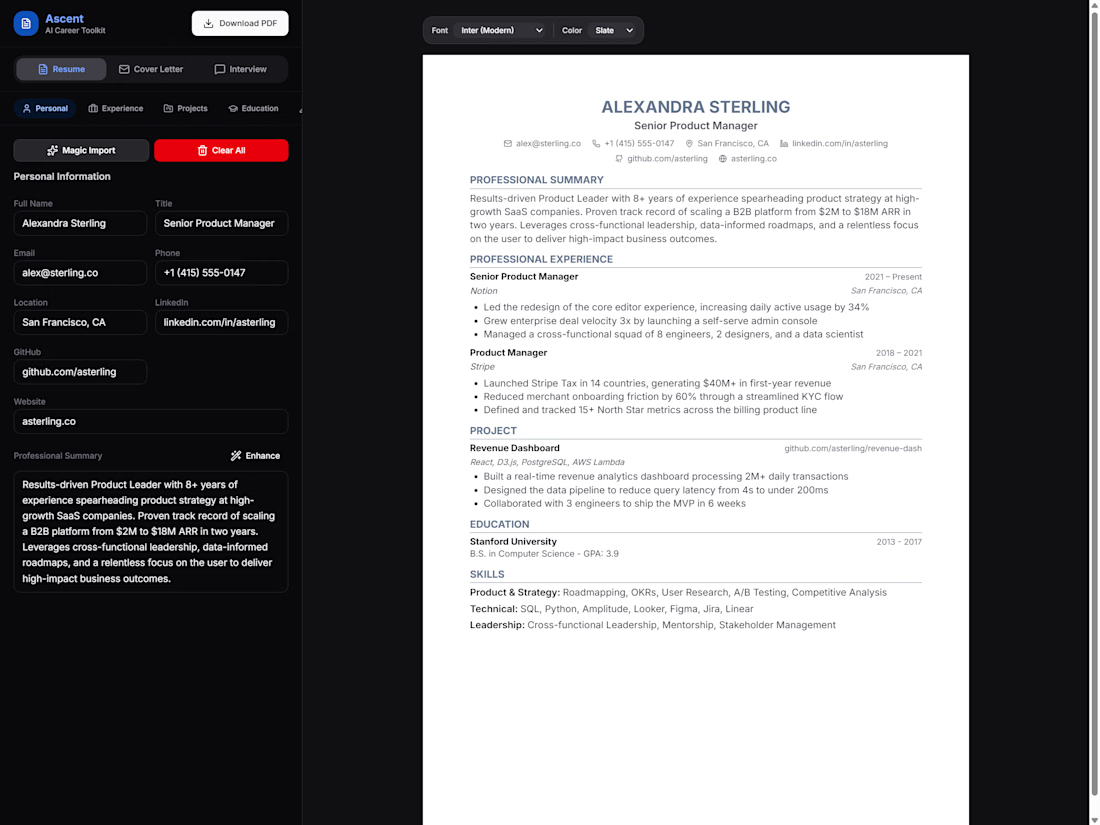
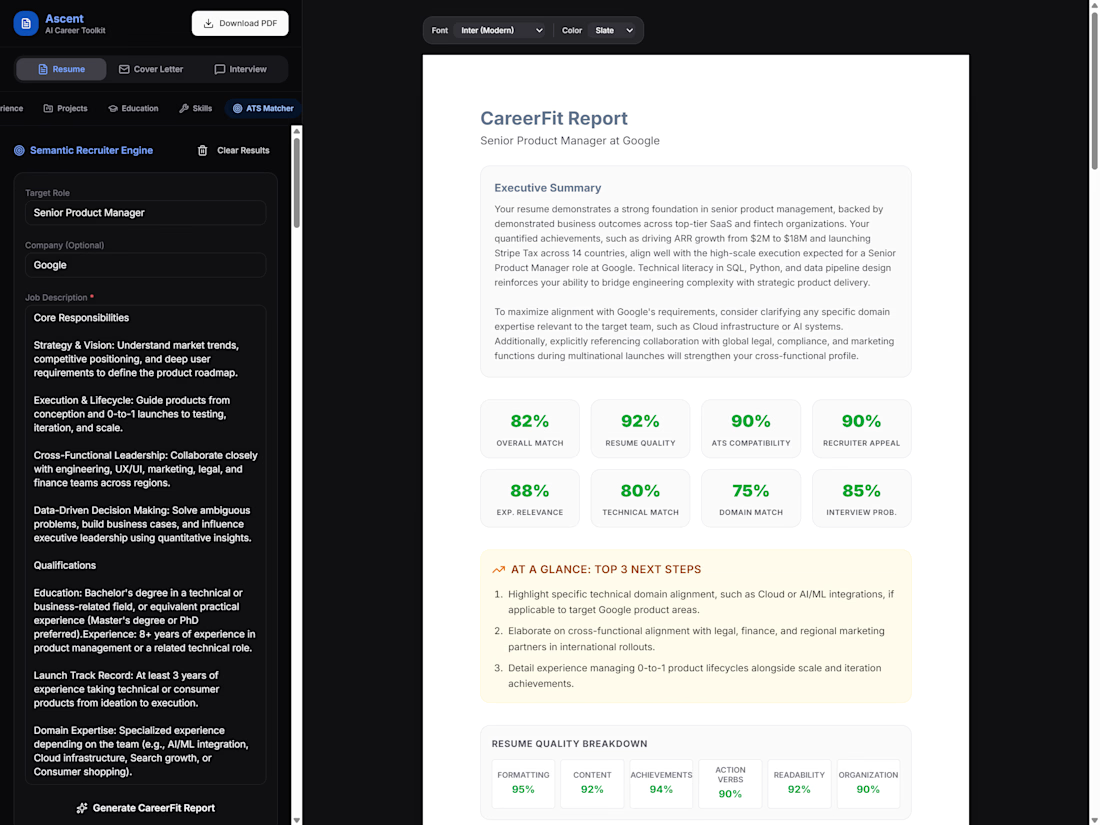
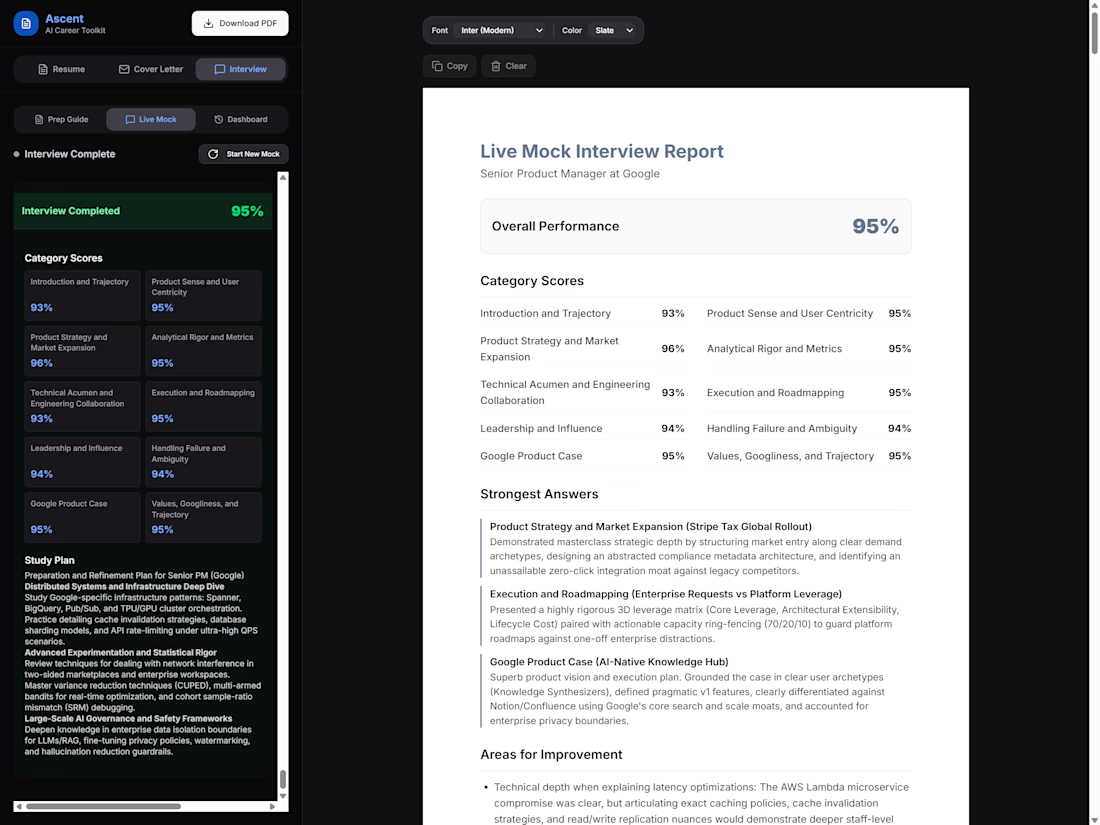
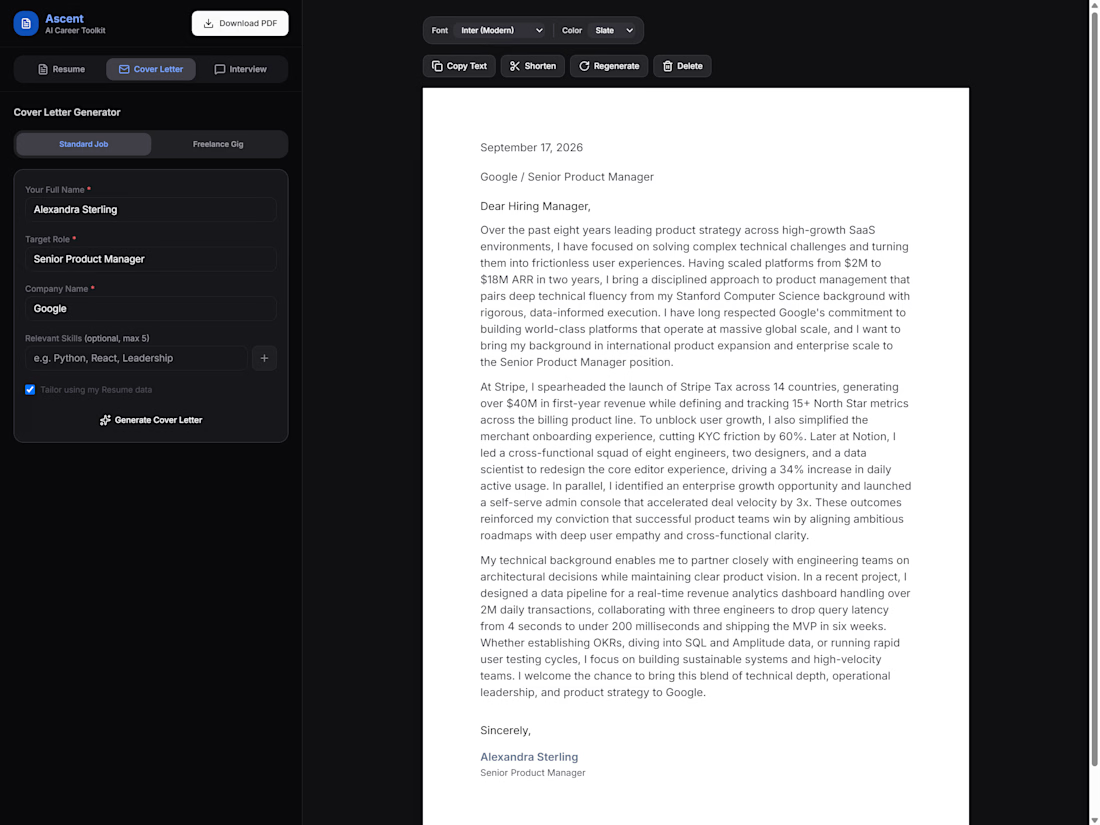

The semantic matcher is the part that stands out — judging role alignment instead of keyword counts is a much more useful ATS. Live updates in the resume builder help too.
The network for creativity
Join 1.25M professional creatives like you
Connect with clients, get discovered, and run your business 100% commission-free
Creatives on Contra have earned over $150M and we are just getting started

Challenges
View all


Related posts

Creating immersive digital experiences with smooth website animations ✨
Designed & developed by Usman DevHub Tech & Creative Studio.
We create premium websites with modern UI, interactive animations, and unique visual experiences that help brands stand out. 🚀
Want a website like this for your brand?
DM us and let's discuss your project.
#WebDesign #WebDevelopment #WebsiteAnimation #UIDesign #CreativeStudio #DigitalAgency #UsmanDevHub


Love this, Usman! You drop something amazing every single time.

Hey, it’s been a while since my last update. I’ve been focused on a few projects behind the scenes, but I’m back with a major Weave milestone.
Weave helps professionals exchange time and expertise using Skill Hours instead of money.
My last update covered the invite application system. Since then, I’ve built:
Authentication: Secure account access with Firebase.
Onboarding: Guided profile and skill setup.
Profiles and portfolios: A place to showcase work, skills, and trust.
Member dashboard: A clear view of activity and ongoing work.
Admin dashboard: Tools for managing users and community health.
Skill Hour Ledger: Tracks every hour earned, spent, or transferred.
Marketplace: Members can publish requests and find collaborators.
Cloud infrastructure: Neon for data and storage, prepared for Cloudflare Workers.
Today’s milestone is the Exchange Workflow, the system connecting everything.
Members can now move from an accepted application into a dedicated workspace, communicate, share files, track milestones, submit deliverables, complete the exchange, transfer Skill Hours, and leave reviews.
The core Weave experience is finally taking shape, and I’m excited to share what comes next.
#BuildInPublic #WebDevelopment #ProductDesign #SaaS #NextJS #Contra
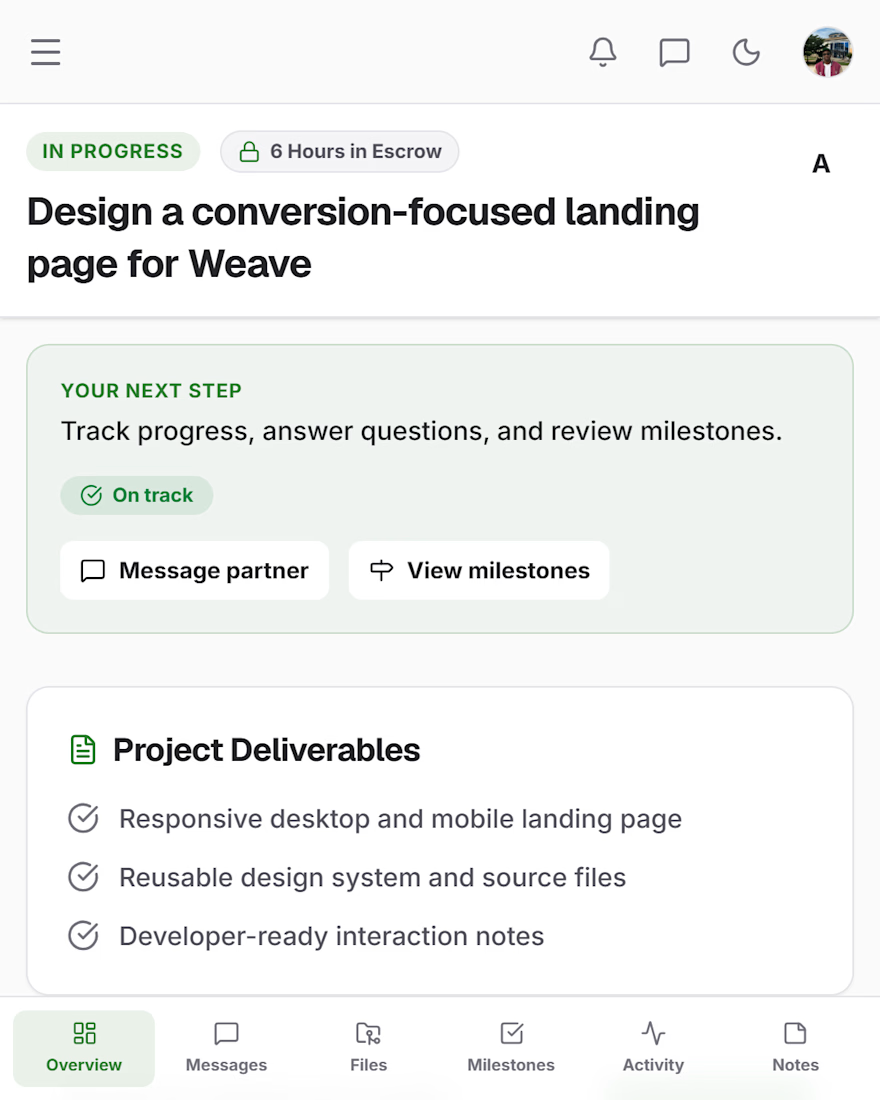
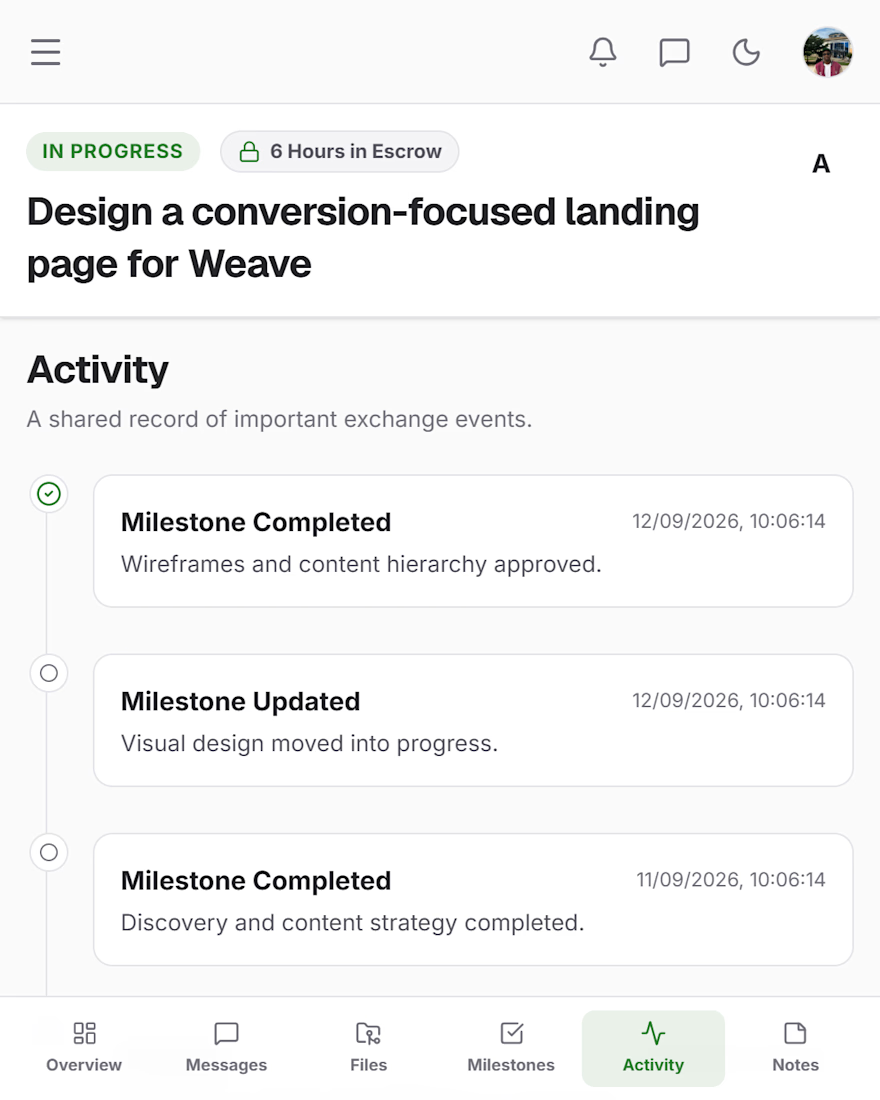
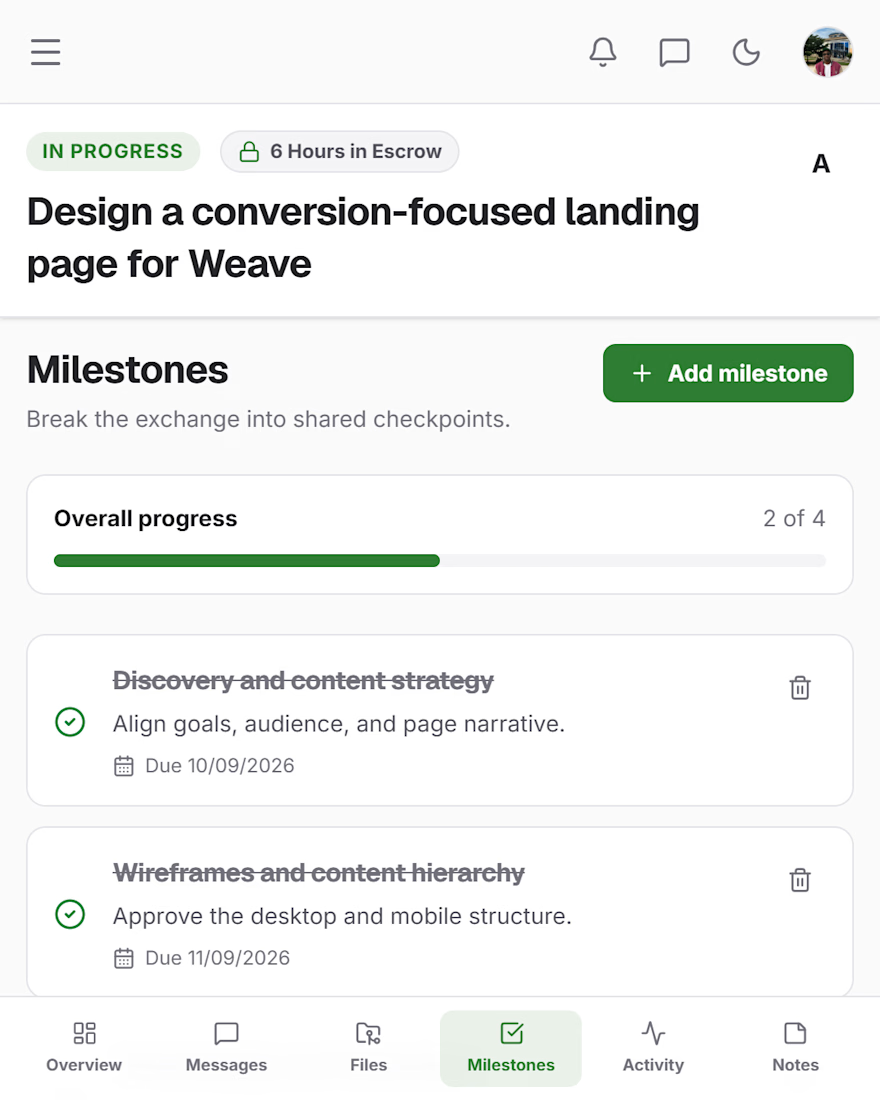
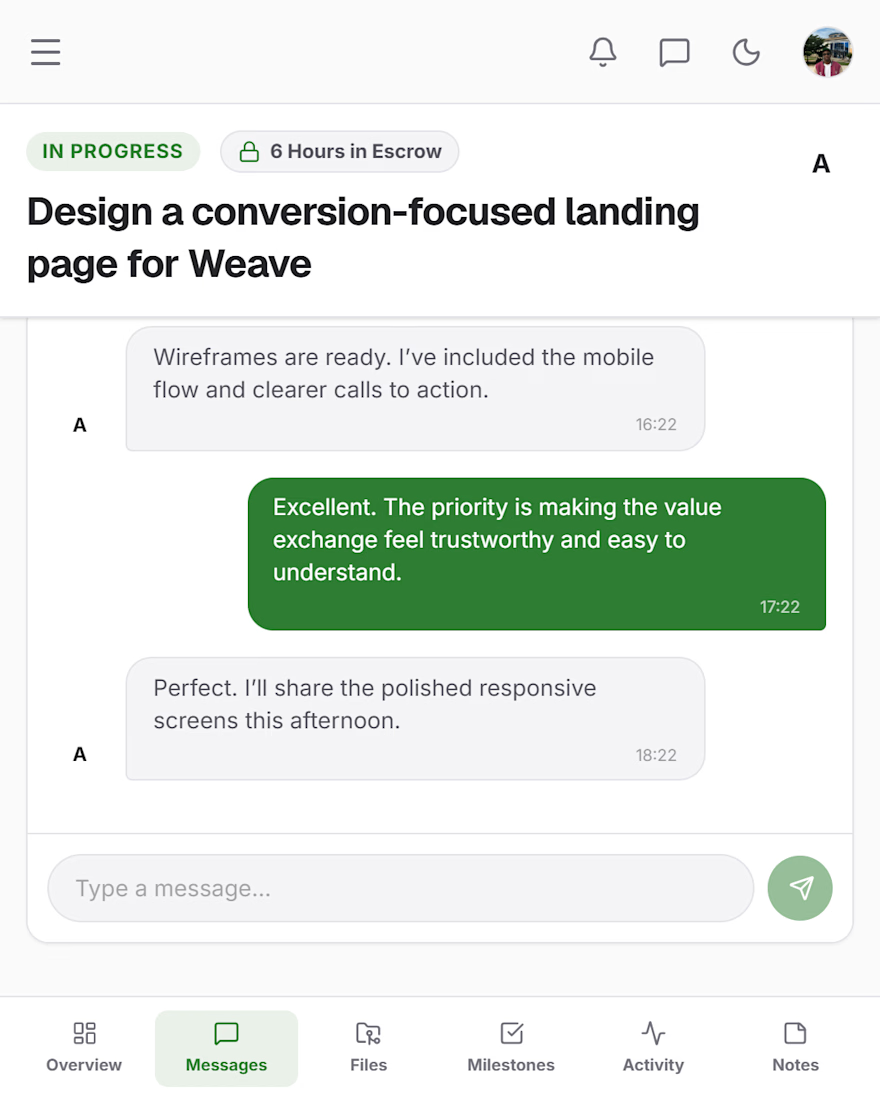
The milestone view makes the workflow feel tangible—especially the clear split between deliverables and activity. Nice product thinking in how you surface progress without adding noise.

Receiving feedback is not the same as having permission to publish it.
That distinction shaped ReviewDesk, a customer feedback and testimonial system I designed and built at Noerong.
For a local business, the workflow starts after a completed job: request honest feedback, keep track of the response, and make the next step clear.
Three decisions shaped the experience:
1. Keep the customer journey focused.
A branded page and private request link make it clear where to respond. Scheduled reminders stop after a response.
2. Separate feedback from public proof.
Testimonial consent and administrator approval are distinct steps. Every rating receives the same public-review option, without filtering out unhappy customers.
3. Give the business a useful overview.
The dashboard brings requests, responses, activity, and approval status together. Approved testimonials can appear on a public wall or an embeddable website widget.
I designed and developed the customer flow, dashboard, reminder worker, and widget using Python and FastAPI.
The loop shows the feedback page, business dashboard, and testimonial wall. All customer names, comments, and metrics are fictional demo data. The public demo sends no email and retains no visitor submissions.
The detail I care about most: permission is part of the product, not an afterthought.

Creative work