The network for creativity
Join 1.25M professional creatives like you
Connect with clients, get discovered, and run your business 100% commission-free
Creatives on Contra have earned over $150M and we are just getting started
Back to feedPost

Dynamic Debt & Liquidity Schedule
Updated Technical Summary:
Debt Reclassification: Implemented a US GAAP-compliant structure that reclassifies long-term liabilities into the Current Portion of Long-Term Debt (CPLTD) as they approach maturity.
Liquidity Analysis: Designed the Current Liabilities section to distinguish between operational credit (Revolvers) and structural principal payments, providing a more accurate Current Ratio.
Model Integrity: Tied the debt balances directly to the Financing section of the Cash Flow Statement, ensuring that every dollar of repayment or issuance is accounted for in the cash "tie."
Advanced "Plug" Logic: Set the foundation for a dynamic cash sweep where short-term debt acts as a buffer to maintain a positive cash balance during low-liquidity quarters.


The network for creativity
Join 1.25M professional creatives like you
Connect with clients, get discovered, and run your business 100% commission-free
Creatives on Contra have earned over $150M and we are just getting started



Related posts

Why do most law and accounting firm websites look like 2012? 🤔
I kept seeing the same thing: stock handshakes, blue gradients, walls of text. So I designed Ledger, a Framer template for advisory, tax, audit and law firms that want to look as senior as they are.
The idea is simple: these firms sell trust, not features. So the site leads with people, outcomes and plain English. Big photography, calm spacing, one accent colour.
What's inside:
– Hero with a live availability badge and next-appointment card
– Five practice areas, a three-step process and real-looking outcomes
– Partners grid, testimonial, FAQ and insights
– Team, Insights and Contact pages, fully responsive
If you run a boutique firm, or build sites for one, you can download the template from the Products tab on my profile.
Which industry still has the worst websites? I'm taking requests for the next one 👇


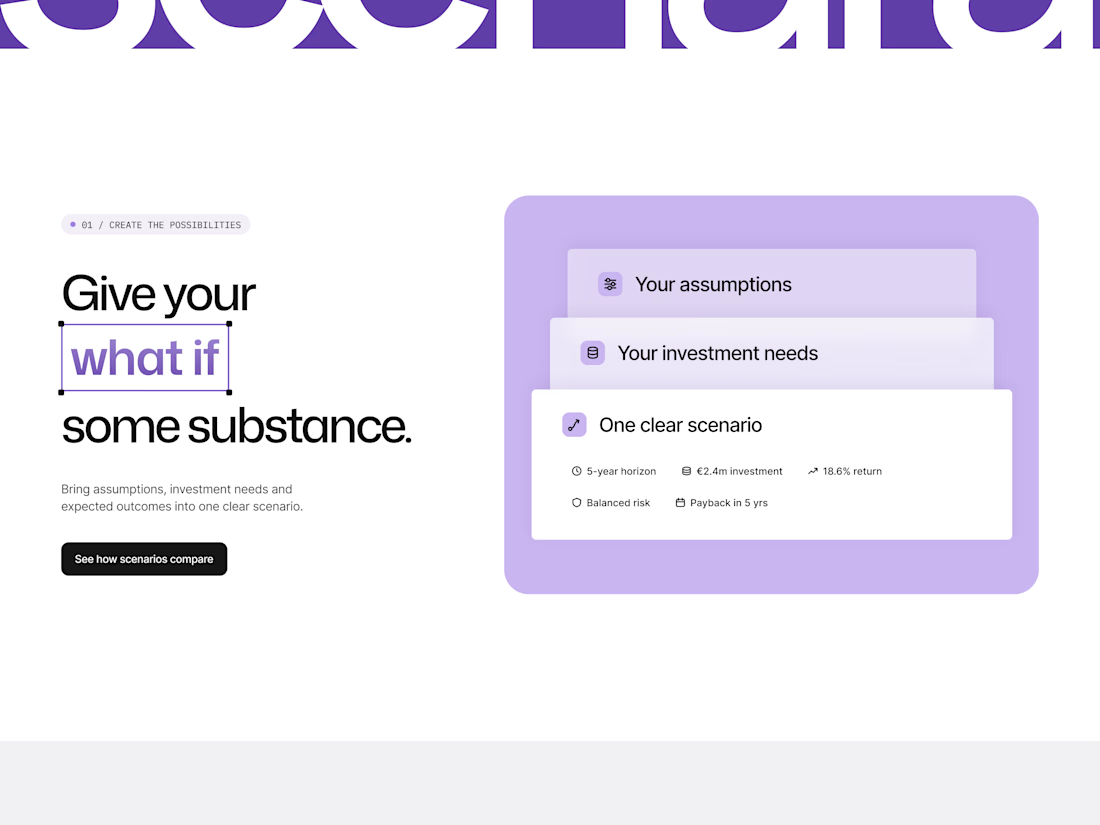
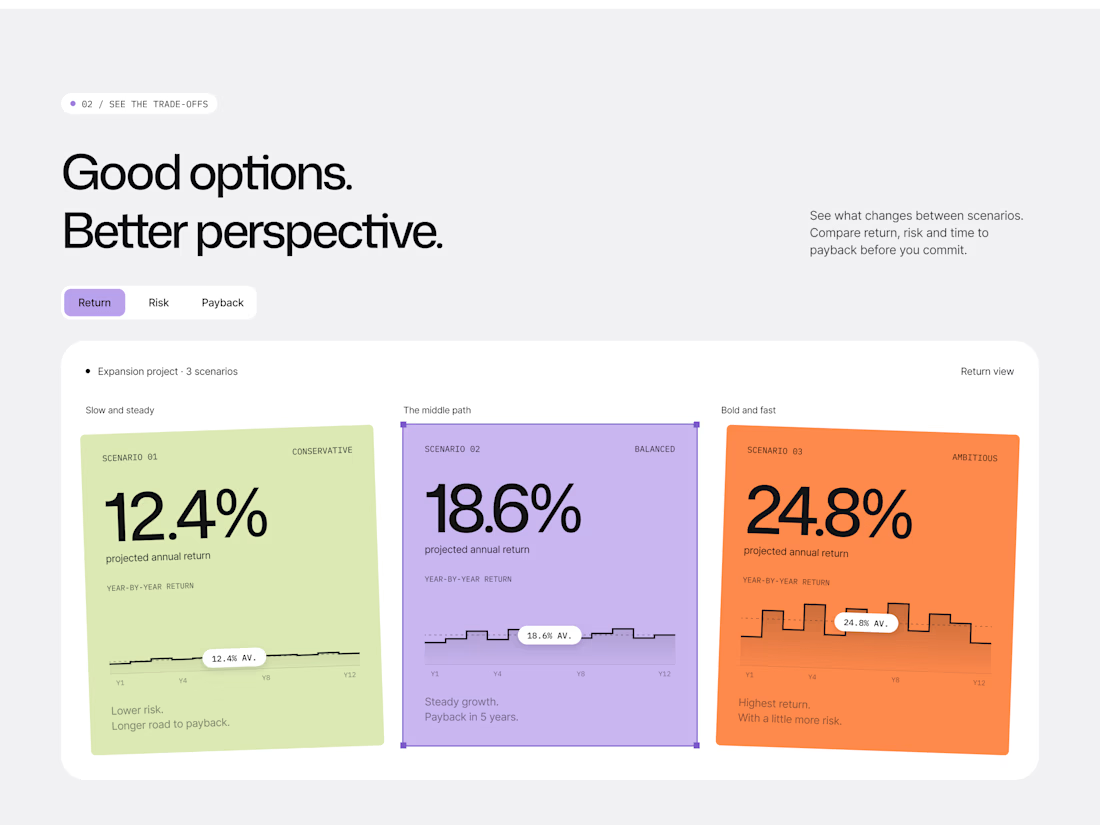
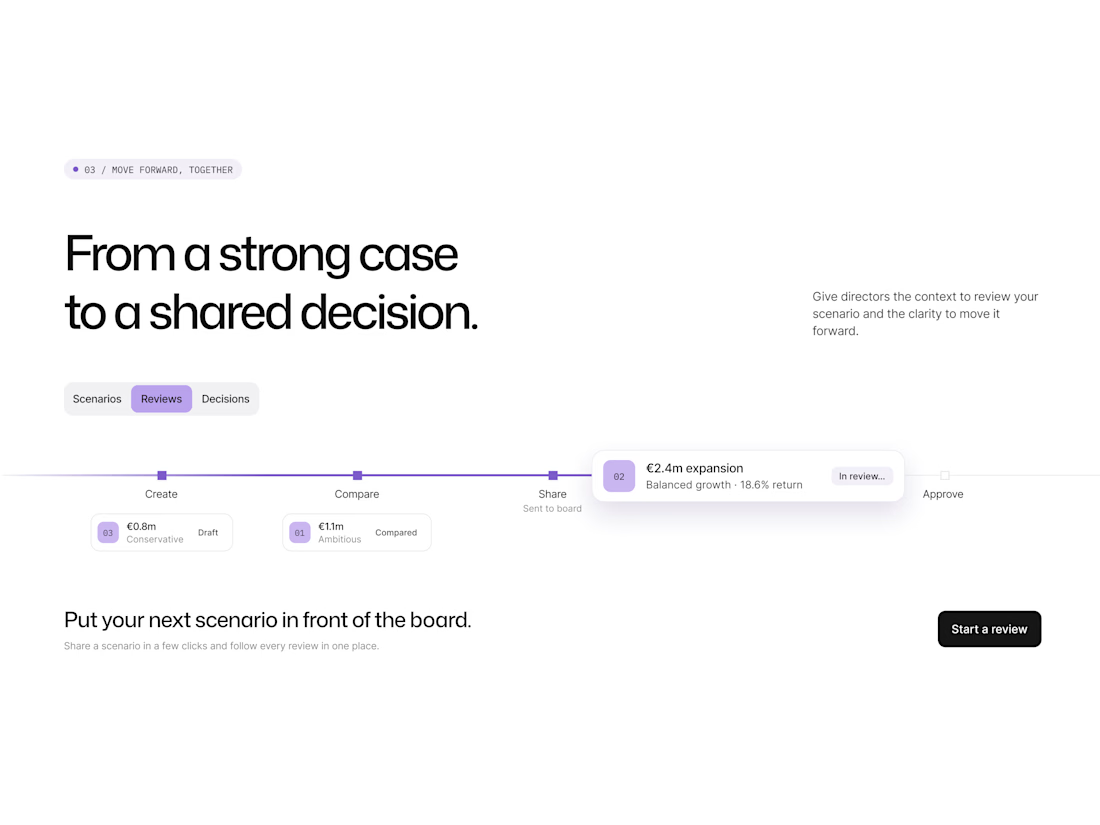
Investment planning often involves complex assumptions, multiple scenarios, and a lengthy approval process. Scenara brings these steps together in one collaborative platform, helping teams create, compare, and approve investment projects.
The landing page presents the product through a clear progression: start with assumptions, explore financial scenarios, and move toward a shared decision. Color-coded cards make it easier to compare possible outcomes, while the platform’s approval flow shows how teams can take a scenario from a strong case to an informed decision.
A clean editorial layout, oversized typography, and vibrant purple accents give the experience a distinctive identity while keeping the product story clear.


Inventory & Supply Chain Analytics
This project demonstrates how inventory and sales data can be transformed into actionable insights to support better stock management and supply chain decisions.
The presentation takes the analysis beyond reporting stock quantities. It focuses on understanding product movement, inventory turnover, stock availability, slow-moving products and replenishment needs.
Designed for business owners, operations managers, procurement teams and inventory controllers, the report helps answer critical operational questions:
- Which products require replenishment?
- Where is capital tied up in excess or slow-moving stock?
- Which products have high demand?
- Are inventory levels aligned with sales patterns?
The goal is to support informed purchasing decisions, improve stock availability, reduce inventory-related costs and make more efficient use of working capital.
Business value: Improved inventory control, reduced stock-related inefficiencies, better purchasing decisions and more reliable product availability.


