The network for creativity
Join 1.25M professional creatives like you
Connect with clients, get discovered, and run your business 100% commission-free
Creatives on Contra have earned over $150M and we are just getting started
Back to feedPost

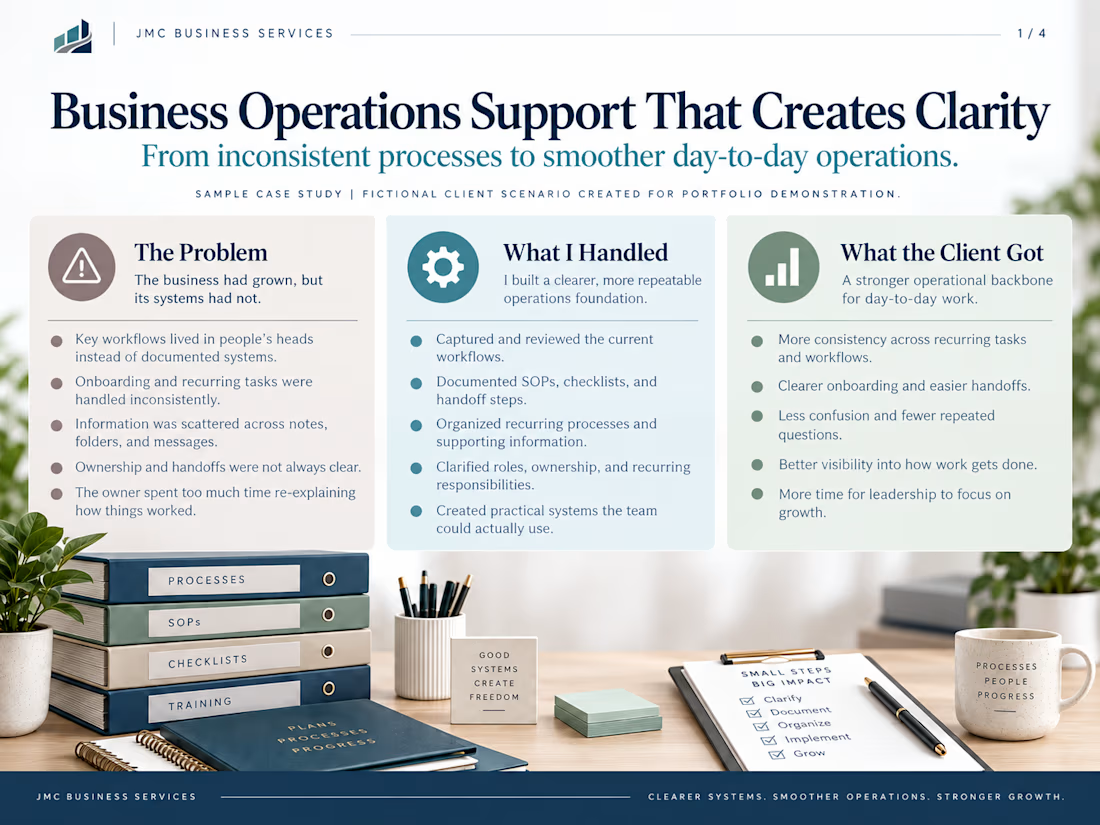
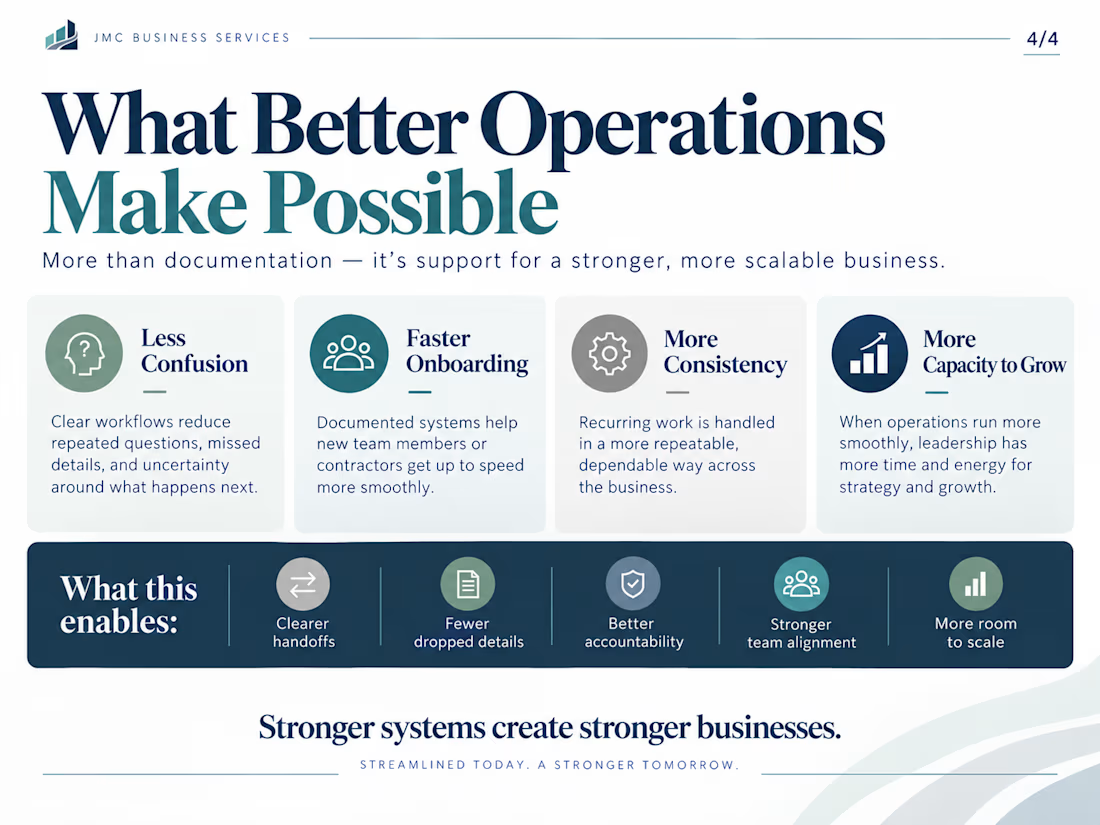
Sample business operations case study for a growing small business whose processes had not kept pace with its growth.
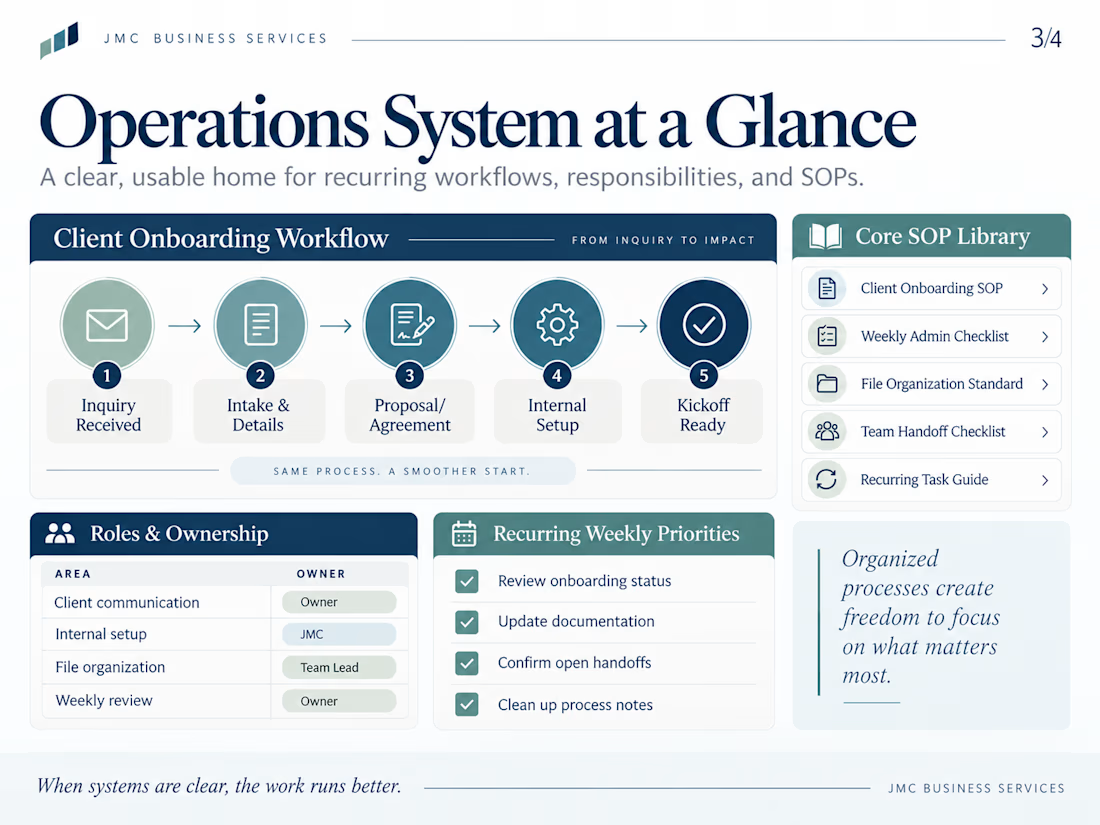
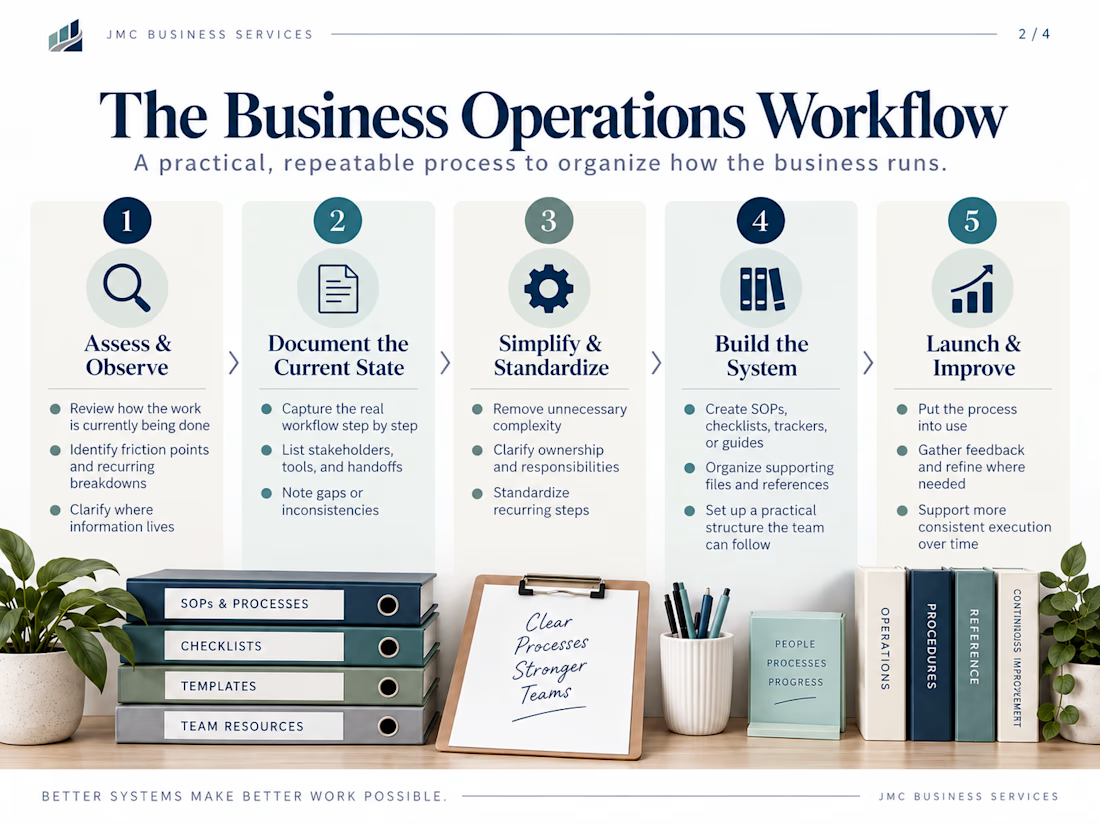
I reviewed the current workflows, documented recurring processes, clarified ownership and handoffs, created SOPs and checklists, and organized the operational information the team needed to work more consistently.
The result is a clearer operational foundation with smoother onboarding, fewer repeated questions, more consistent execution, and more time for leadership to focus on growth.
Fictional client scenario created for portfolio demonstration.


The network for creativity
Join 1.25M professional creatives like you
Connect with clients, get discovered, and run your business 100% commission-free
Creatives on Contra have earned over $150M and we are just getting started




Related posts

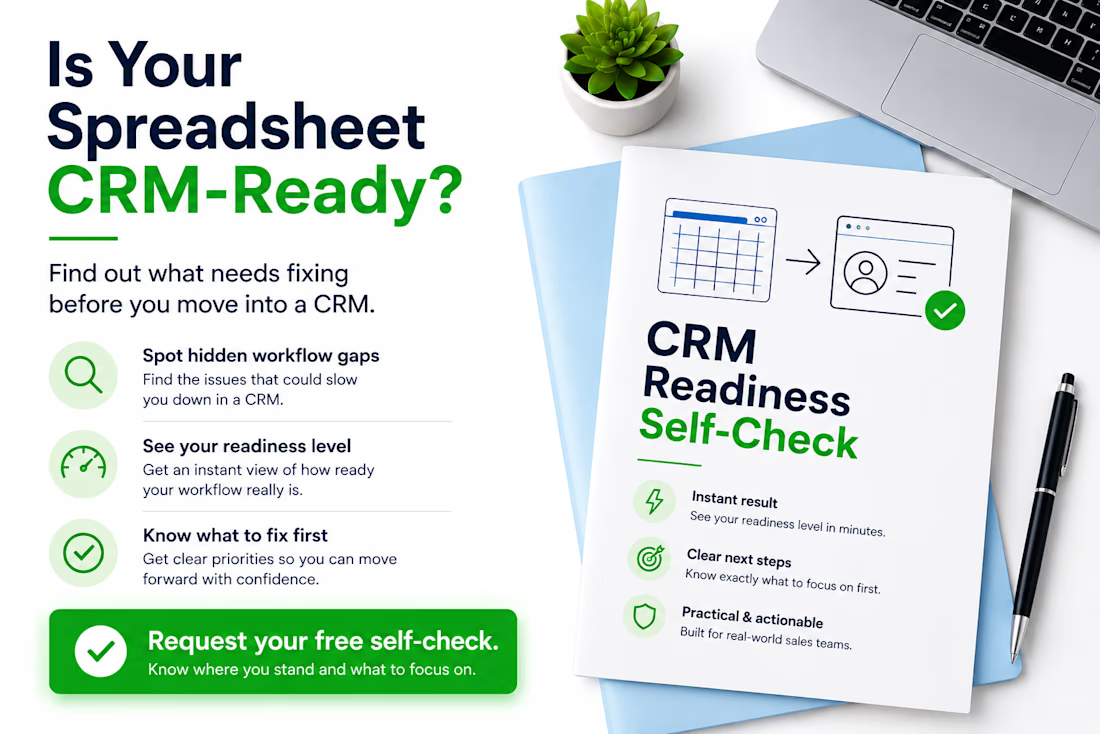
Thinking about moving from Excel or Google Sheets to a CRM? Don’t migrate the problems with the data.
Before choosing or configuring a CRM, I usually check five things:
• Does every active lead have a clear owner?
• Is there always a defined next action?
• Are follow-up dates consistently tracked?
• Are lead statuses clear and used consistently?
• Could another team member understand the spreadsheet without asking for help?
If several answers are “no”, the problem may not be the CRM yet — it may be the workflow behind it.
A CRM works much better when the sales process is clear before migration starts. I created a free CRM Readiness Self-Check for small teams that want to identify these gaps before investing more time or money in a CRM.
If you’re currently working from spreadsheets and considering a CRM, comment “CHECK” or send me a message and I’ll send it to you.
#CRM #CRMReadiness #SalesOperations #RevOps #WorkflowOptimization #GoogleSheets #Excel #BusinessProcess




Designing tailored solutions for your business growth.




Very nice

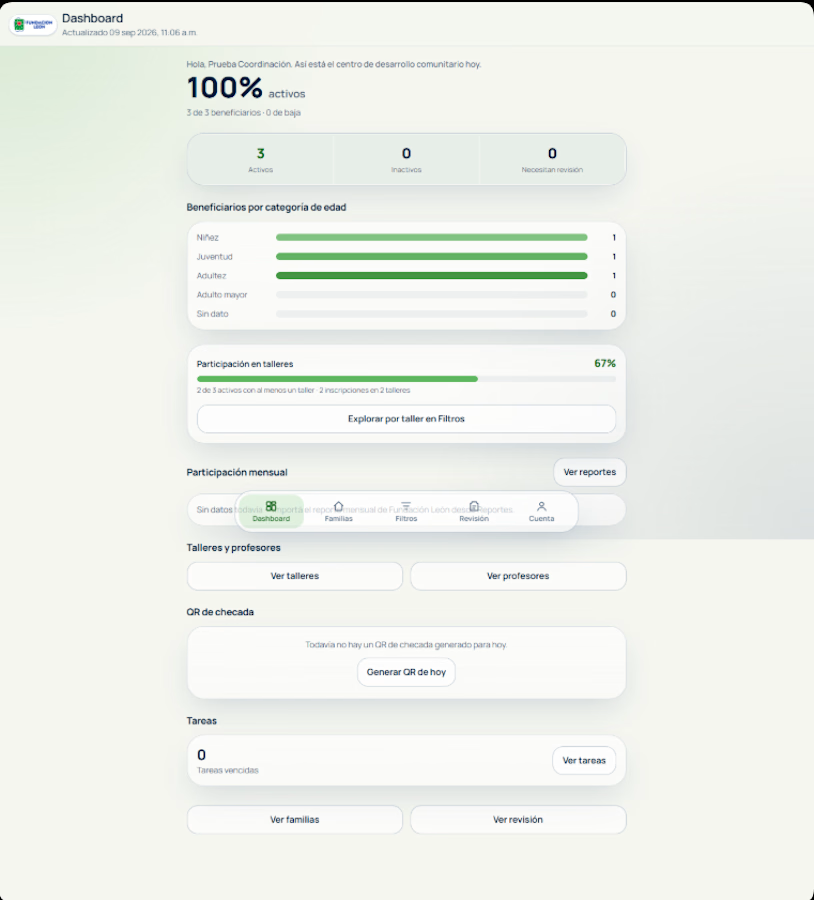
I designed and developed SJApp, a full-stack management platform that transformed fragmented spreadsheets and manual processes into a centralized operational system for a nonprofit community organization.
The platform manages beneficiaries, families, workshops, enrollments, payments, socioeconomic studies, scholarship evaluations, documents, and operational reporting from a single secure workspace.
I also led the migration and validation of a complex historical dataset containing 1,080 beneficiaries, 649 families, 66 workshops, 1,812 enrollments, and 4,293 payment records.
Key capabilities include role-based access, configurable evaluation rules, advanced search, exports, data-quality controls, and privacy-conscious handling of sensitive information.
Result: a maintainable digital platform built around real organizational workflows, replacing fragmented operational processes with structured software.