The network for creativity
Join 1.25M professional creatives like you
Connect with clients, get discovered, and run your business 100% commission-free
Creatives on Contra have earned over $150M and we are just getting started
Back to feedPost

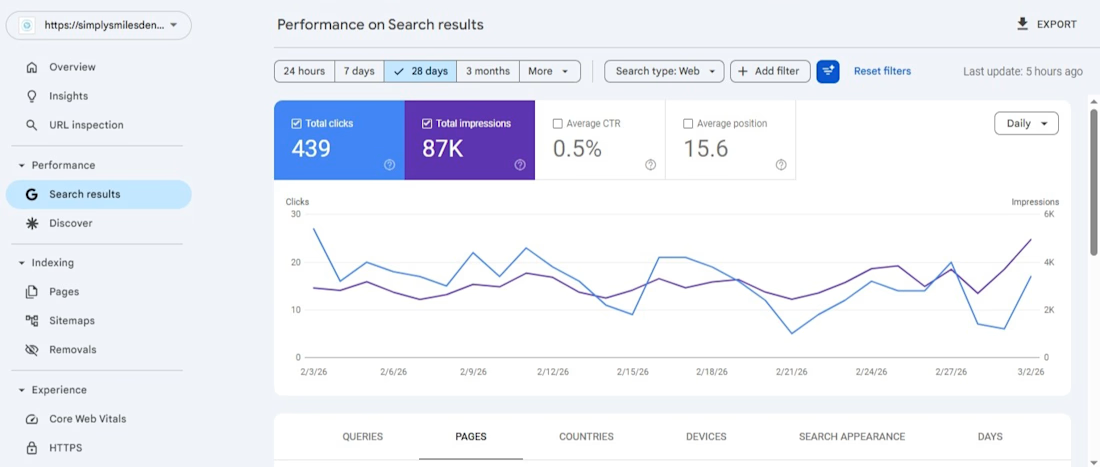
Simply Smile Dentist - Dental Click - Achieved 400+ clicks in a month
SEO Content Managment Search Engine OptimizationSEO WritingAhrefsGoogle AnalyticsGoogle Search Console


The network for creativity
Join 1.25M professional creatives like you
Connect with clients, get discovered, and run your business 100% commission-free
Creatives on Contra have earned over $150M and we are just getting started







Related posts

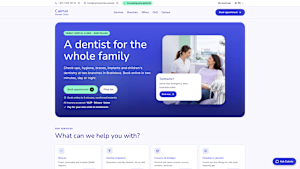
What do you think about my dentist booking app? Any feedback is welcome :)
Website and booking: https://calmio-dental-care.lovable.app
Reception app: https://calmio-dental-care.lovable.app/admin (username admin, password admin)
@Lovable #lovablechallenge
calmio-dental-care.lovable.app
Calmio Dental — A dentist for the whole family
Modern family dental care at two Bratislava clinics, bookable online in 2 minutes.

what changed the most out of everything? I always wonder if it's the layout or just finally telling people clearly what to do next

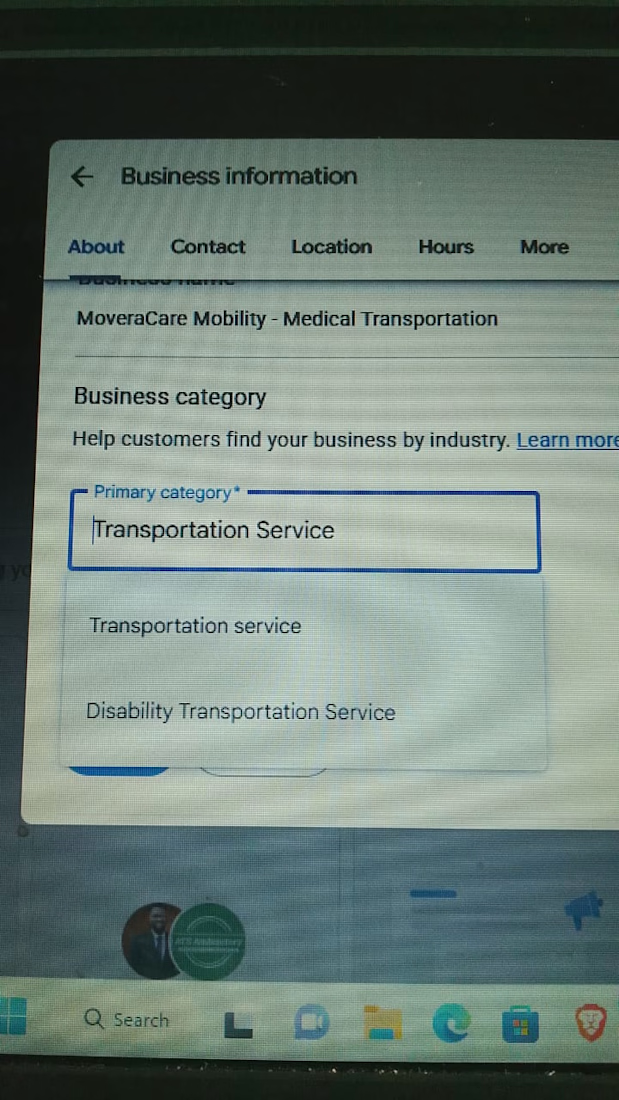
I'm pleased to share a project I successfully worked on for MoveraCare Mobility, a non-emergency medical transportation business in Houston, Texas.
My work focused on helping the business establish a stronger presence on Google through Google Business Profile setup and optimization, making it easier for potential customers to discover its services through Google Search and Maps.
This project reinforced an important lesson: having a great service is only part of growing a business. Making that service easier to find online is equally important.
I enjoy helping businesses improve their local visibility, build credibility, and create a stronger foundation for attracting potential customers.
Are you a business owner looking to improve your visibility on Google Search and Maps? Let's connect.
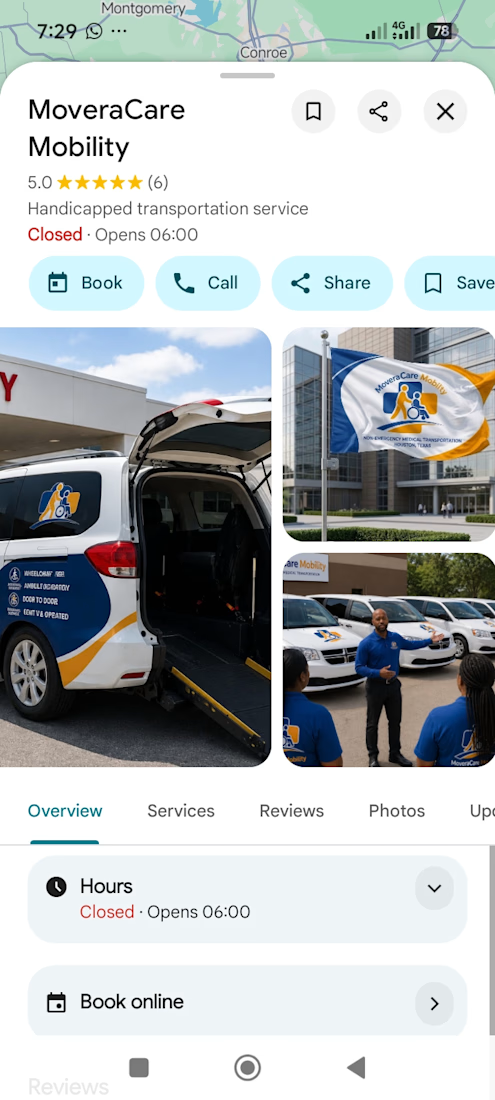
nice clean gbp setup for the transport business. how did you end up working with a houston business from ibadan, did they find you or did you reach out

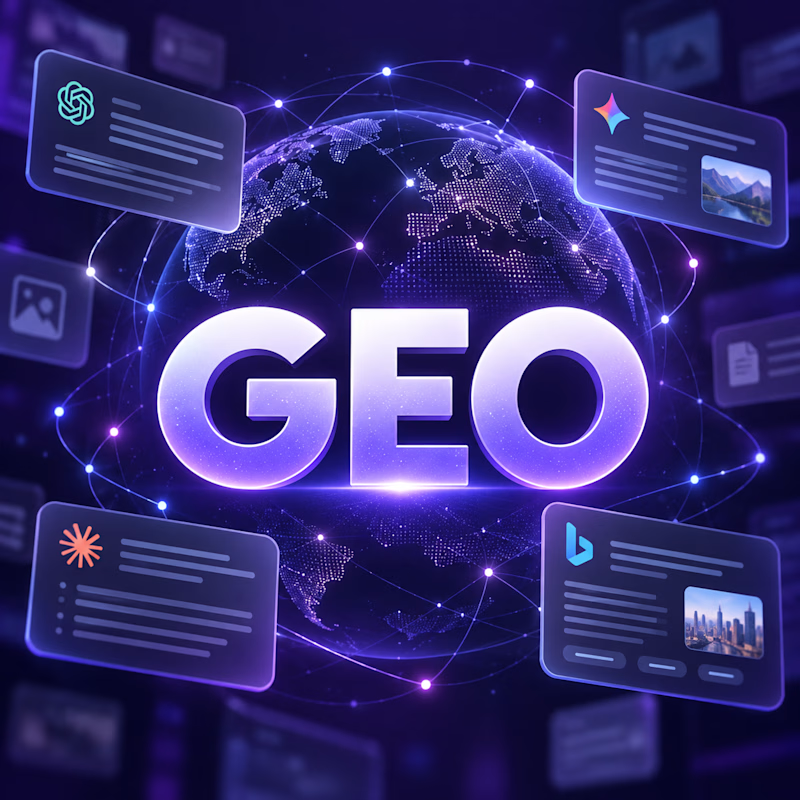
SEO or GEO. What are you focusing on in 2026?
1 voted
17%

5 voted
83%
6 votes
Closed

Both, but in that order for most sites. AI search still leans on pages that are crawlable and indexed, so GEO sits on top of SEO rather than replacing it. Where GEO adds something is answer-first sections, consistent facts about the brand across the web, and checking what assistants actually say about you.