The network for creativity
Join 1.25M professional creatives like you
Connect with clients, get discovered, and run your business 100% commission-free
Creatives on Contra have earned over $150M and we are just getting started
Back to feedPost

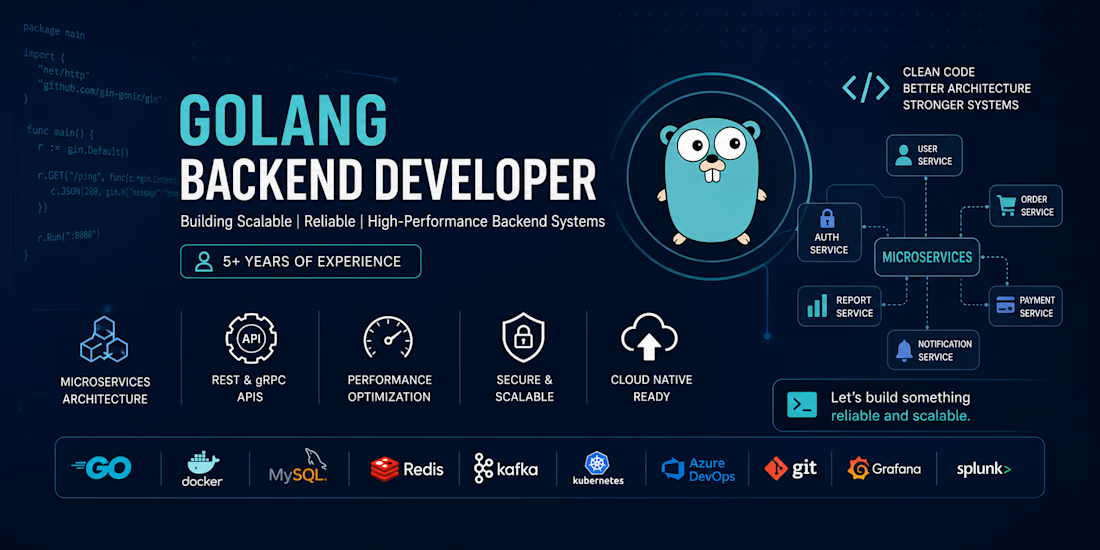
Developed scalable Golang microservices and REST APIs for workflow automation, backend integrations, and incident orchestration systems.
Worked on:
• REST/gRPC API development using Gin & Gorilla Mux
• JWT authentication and request validation
• Concurrency implementation using goroutines and worker pools
• Cron jobs and backend workflow automation
• Docker-based deployment and CI/CD integration
• API optimization and monitoring using Splunk/AppDynamics
Tech Stack:
Golang, Gin, Gorilla Mux, Docker, MySQL, Redis, gRPC, Azure DevOps, Git


The network for creativity
Join 1.25M professional creatives like you
Connect with clients, get discovered, and run your business 100% commission-free
Creatives on Contra have earned over $150M and we are just getting started








Related posts

𝗬𝗼𝘂𝗿 𝗕𝘂𝘀𝗶𝗻𝗲𝘀𝘀 𝗗𝗼𝗲𝘀𝗻'𝘁 𝗡𝗲𝗲𝗱 𝗠𝗼𝗿𝗲 𝗠𝗮𝗻𝘂𝗮𝗹 𝗪𝗼𝗿𝗸. 𝗜𝘁 𝗡𝗲𝗲𝗱𝘀 𝗦𝗺𝗮𝗿𝘁𝗲𝗿 𝗦𝘆𝘀𝘁𝗲𝗺𝘀.
Think about how much time you spend every week doing the same things.
Replying to customer emails.
Following up with potential clients.
Updating spreadsheets.
Managing leads.
Moving information between applications.
Sending reminders and notifications.
Now ask yourself:
𝗛𝗼𝘄 𝗺𝘂𝗰𝗵 𝗼𝗳 𝘁𝗵𝗶𝘀 𝗮𝗰𝘁𝘂𝗮𝗹𝗹𝘆 𝗻𝗲𝗲𝗱𝘀 𝘁𝗼 𝗯𝗲 𝗱𝗼𝗻𝗲 𝗺𝗮𝗻𝘂𝗮𝗹𝗹𝘆?
Many repetitive business tasks can be automated, yet businesses continue spending valuable hours doing them manually.
𝗧𝗵𝗲 𝘁𝗼𝗽 1% 𝗺𝗶𝗻𝗱𝘀𝗲𝘁 𝗶𝘀𝗻'𝘁 𝗮𝗯𝗼𝘂𝘁 𝘄𝗼𝗿𝗸𝗶𝗻𝗴 24 𝗵𝗼𝘂𝗿𝘀 𝗮 𝗱𝗮𝘆. 𝗜𝘁'𝘀 𝗮𝗯𝗼𝘂𝘁 𝗯𝘂𝗶𝗹𝗱𝗶𝗻𝗴 𝘀𝘆𝘀𝘁𝗲𝗺𝘀 𝘁𝗵𝗮𝘁 𝗺𝗮𝗸𝗲 𝘆𝗼𝘂𝗿 𝗯𝘂𝘀𝗶𝗻𝗲𝘀𝘀 𝗺𝗼𝗿𝗲 𝗲𝗳𝗳𝗶𝗰𝗶𝗲𝗻𝘁.
Imagine a workflow where:
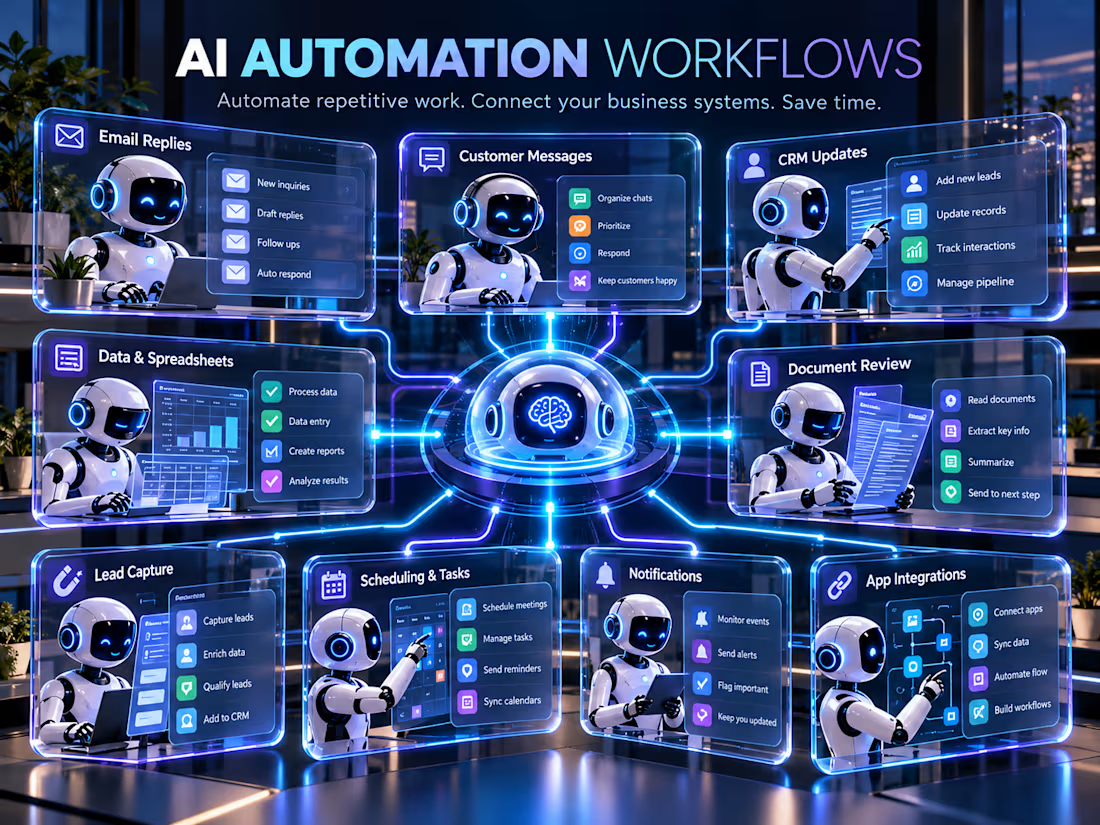
• A customer submits an inquiry, and their details are automatically recorded.
• Incoming emails are categorized, and relevant replies are drafted for review.
• New leads are added to your CRM without manual data entry.
• Important tasks trigger notifications and reminders automatically.
• Your business applications exchange information without constant copying and pasting.
• AI helps process documents, organize information, and handle repetitive administrative work.
𝗗𝗶𝗳𝗳𝗲𝗿𝗲𝗻𝘁 𝘁𝗮𝘀𝗸𝘀. 𝗗𝗶𝗳𝗳𝗲𝗿𝗲𝗻𝘁 𝗮𝗽𝗽𝗹𝗶𝗰𝗮𝘁𝗶𝗼𝗻𝘀. 𝗢𝗻𝗲 𝗰𝗼𝗻𝗻𝗲𝗰𝘁𝗲𝗱 𝗮𝘂𝘁𝗼𝗺𝗮𝘁𝗶𝗼𝗻 𝘀𝘆𝘀𝘁𝗲𝗺.
That's what I help businesses build.
I've launched my new service on Contra:
𝗖𝘂𝘀𝘁𝗼𝗺 𝗔𝗜 𝗔𝘂𝘁𝗼𝗺𝗮𝘁𝗶𝗼𝗻 𝗪𝗼𝗿𝗸𝗳𝗹𝗼𝘄𝘀 𝗳𝗼𝗿 𝗬𝗼𝘂𝗿 𝗕𝘂𝘀𝗶𝗻𝗲𝘀𝘀
I build workflows using n8n, Python, and APIs to connect business applications, reduce repetitive work, and simplify daily operations.
My approach is simple:
• Understand your existing business process.
• Identify the repetitive tasks taking up your time.
• Build an automation workflow around your actual needs.
• Test the workflow and make sure it performs as intended.
𝗔𝘂𝘁𝗼𝗺𝗮𝘁𝗶𝗼𝗻 𝘀𝗵𝗼𝘂𝗹𝗱𝗻'𝘁 𝗺𝗮𝗸𝗲 𝘆𝗼𝘂𝗿 𝗯𝘂𝘀𝗶𝗻𝗲𝘀𝘀 𝗺𝗼𝗿𝗲 𝗰𝗼𝗺𝗽𝗹𝗶𝗰𝗮𝘁𝗲𝗱. 𝗜𝘁 𝘀𝗵𝗼𝘂𝗹𝗱 𝗺𝗮𝗸𝗲 𝗿𝘂𝗻𝗻𝗶𝗻𝗴 𝗶𝘁 𝗲𝗮𝘀𝗶𝗲𝗿.
You don't have to automate everything overnight. Sometimes, solving just one repetitive problem is the best place to start.
Your time should go toward growing your business, not repeating tasks that a system could handle.
Explore my service:
Business owners and founders: What's one repetitive task you wish you could automate today?
#AIAutomation #BusinessAutomation #WorkflowAutomation



Well said! 🙌 Automating even one repetitive task can save valuable time and help businesses focus on growth.

Picture a consultant who takes 8 sales calls a week.
After each one comes the same routine: replay the recording, write notes, update the pipeline sheet, write the follow-up email. Call it 30 minutes a call. That is 4 hours a week, and on busy days the follow-up slips to tomorrow.
I built an n8n workflow that takes that routine away:
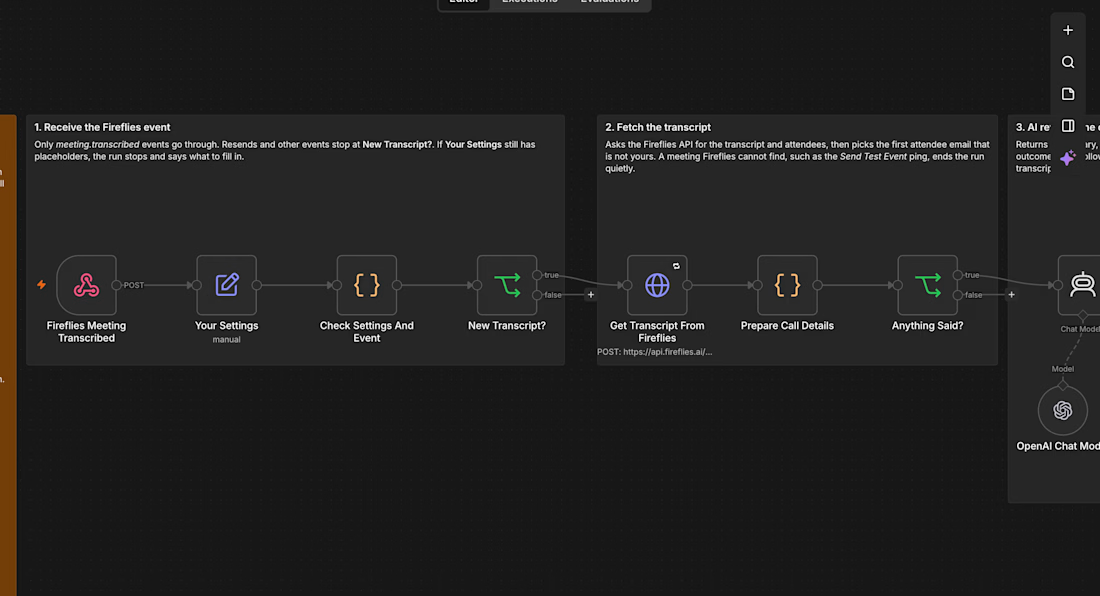
→ Fireflies records and transcribes the call
→ As soon as the transcript is ready, AI writes a summary, the open questions, the next step and whether the prospect is ready to go ahead
→ A follow-up email that fits that outcome is saved in Gmail drafts, addressed to the person on the call
→ The call is logged in Google Sheets and the notes land in your inbox
Nothing is sent automatically. You read the draft, change a line if you want, and press send.
For that consultant, 4 hours of admin a week turns into a few minutes of reading, and every prospect hears back the same day.
I tested it on a real recorded client call and have submitted it to the n8n template library as a free template. If you want it set up for your business, send me a message.


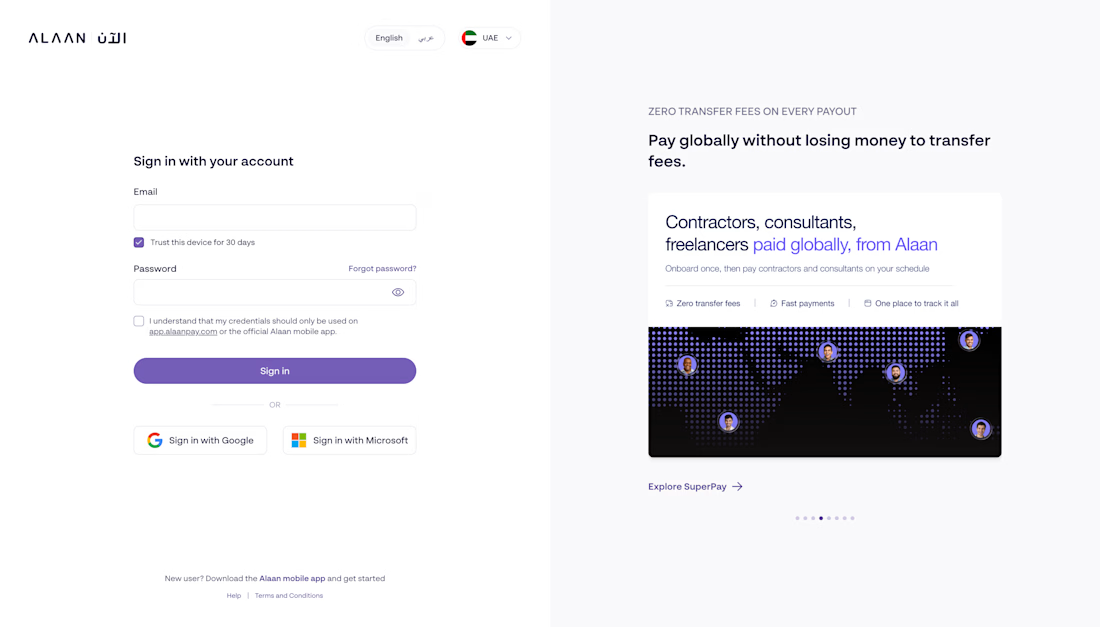
As a front-end engineer at GitStart (YC S19), I built core features for AlaanPay, a payment platform from Alaan ($55M raised). I added full Arabic and English support, including right-to-left (RTL) layouts, and built real-time transaction features used by tens of thousands of users.
“Wajiha over-delivered; she wrote great code across both frontend and backend.” – Timothy Olunsaya
Tools: React, TypeScript, Next.js, GraphQL, PostgreSQL



What needed the most care in the Arabic version—mirroring the layout, or keeping things like amounts and transaction references readable alongside Arabic text? I'd be curious which details were easiest to miss.