The network for creativity
Join 1.25M professional creatives like you
Connect with clients, get discovered, and run your business 100% commission-free
Creatives on Contra have earned over $150M and we are just getting started
Back to feedPost

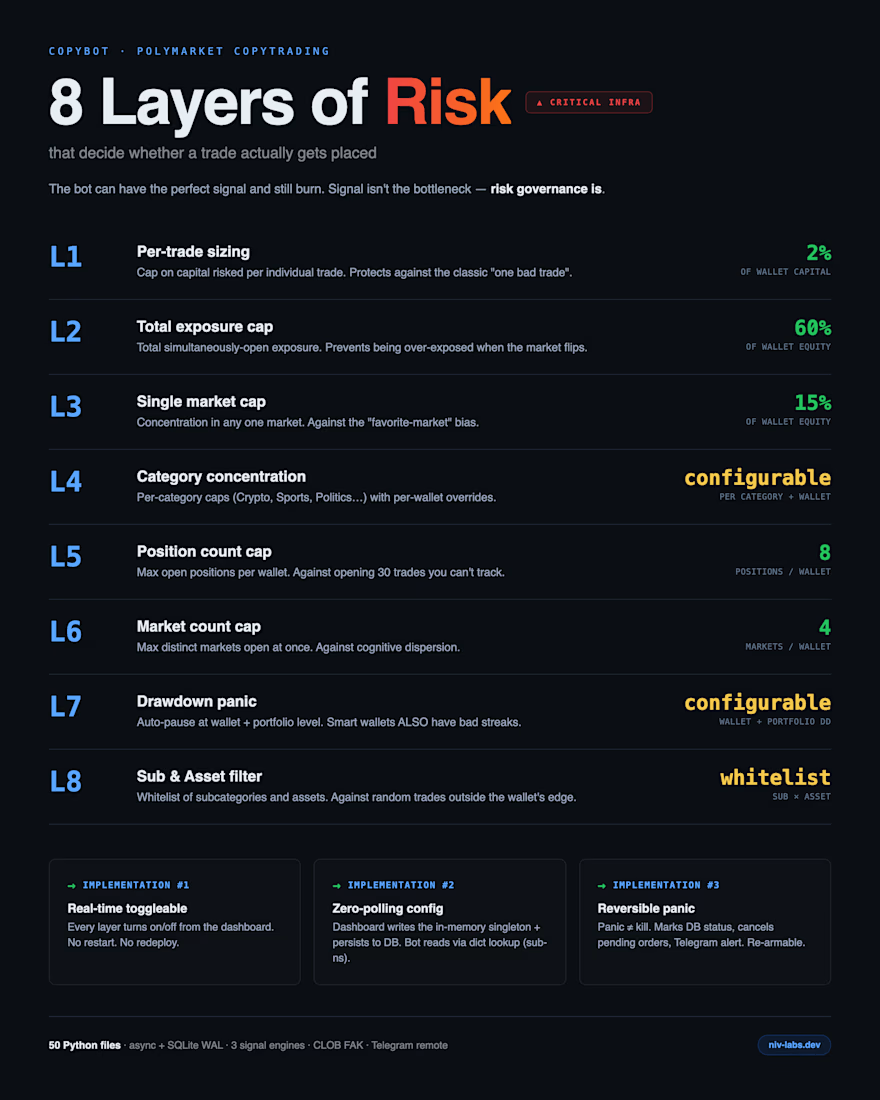
𝟴 𝗟𝗮𝘆𝗲𝗿𝘀 𝗼𝗳 𝗥𝗶𝘀𝗸 ⚠
They can have the perfect signal. The bot's going to burn anyway — because signal isn't the bottleneck.
The bottleneck is risk governance.
I built a copytrading bot for Polymarket that follows "smart money" wallets in real time: 3 signal engines running in parallel (Polygon WSS, Polymarket WS Market, Data API polling), dedup by trade_id, execution via CLOB with FAK orders.
The hardest part was NOT getting the signals. It was building the 8 risk layers that decide whether a trade actually gets placed:
𝗟𝟭 — 𝗣𝗲𝗿-𝘁𝗿𝗮𝗱𝗲 𝘀𝗶𝘇𝗶𝗻𝗴 · Max 2% of wallet capital per trade. Protects against the classic "one bad trade".
𝗟𝟮 — 𝗧𝗼𝘁𝗮𝗹 𝗲𝘅𝗽𝗼𝘀𝘂𝗿𝗲 𝗰𝗮𝗽 · Max 60% of equity open at once. So you're not over-exposed when the market flips.
𝗟𝟯 — 𝗦𝗶𝗻𝗴𝗹𝗲 𝗺𝗮𝗿𝗸𝗲𝘁 𝗰𝗮𝗽 · Max 15% of equity in any single market. Against accidental concentration ("the wallet's favorite market").
𝗟𝟰 — 𝗖𝗮𝘁𝗲𝗴𝗼𝗿𝘆 𝗰𝗼𝗻𝗰𝗲𝗻𝘁𝗿𝗮𝘁𝗶𝗼𝗻 · Per-category caps (Crypto, Sports, Politics…) with per-wallet overrides. Against implicit correlation.
𝗟𝟱 — 𝗣𝗼𝘀𝗶𝘁𝗶𝗼𝗻 𝗰𝗼𝘂𝗻𝘁 𝗰𝗮𝗽 · Max 8 open positions per wallet. Against the bot going crazy on an active day and opening 30 trades nobody can track.
𝗟𝟲 — 𝗠𝗮𝗿𝗸𝗲𝘁 𝗰𝗼𝘂𝗻𝘁 𝗰𝗮𝗽 · Max 4 distinct markets open at once. Against cognitive dispersion.
𝗟𝟳 — 𝗗𝗿𝗮𝘄𝗱𝗼𝘄𝗻 𝗽𝗮𝗻𝗶𝗰 · Auto-pause at wallet and portfolio level. Smart wallets ALSO have bad streaks — copying them means knowing when to cut them off.
𝗟𝟴 — 𝗦𝘂𝗯 & 𝗔𝘀𝘀𝗲𝘁 𝗳𝗶𝗹𝘁𝗲𝗿 · Whitelist of subcategories and assets. Against catching the random trades a smart wallet places outside its real edge.
Pre-filters before any of this fires: excluded categories, signal age (don't copy stale trades), slippage control, resize ratio, minimum trade size.
𝗧𝗵𝗿𝗲𝗲 𝗶𝗺𝗽𝗹𝗲𝗺𝗲𝗻𝘁𝗮𝘁𝗶𝗼𝗻 𝗱𝗲𝘁𝗮𝗶𝗹𝘀 𝘄𝗼𝗿𝘁𝗵 𝗻𝗼𝘁𝗶𝗻𝗴:
→ Every layer is 𝘁𝗼𝗴𝗴𝗹𝗲𝗮𝗯𝗹𝗲 𝗼𝗻/𝗼𝗳𝗳 𝗳𝗿𝗼𝗺 𝘁𝗵𝗲 𝗱𝗮𝘀𝗵𝗯𝗼𝗮𝗿𝗱 𝗶𝗻 𝗿𝗲𝗮𝗹 𝘁𝗶𝗺𝗲. No restart. No redeploy.
→ Config update is 𝘇𝗲𝗿𝗼-𝗽𝗼𝗹𝗹𝗶𝗻𝗴: the dashboard writes straight to the in-memory singleton + persists to DB. The bot reads via dict lookup (sub-nanosecond).
→ When panic fires, it's not a kill: marks DB status, cancels pending orders, fires a Telegram alert. Reversible if it was a false alarm.
What I take away after months running it:
𝗧𝗵𝗲 𝘀𝗶𝗴𝗻𝗮𝗹 𝗶𝘀 𝗡𝗢𝗧 𝘁𝗵𝗲 𝗺𝗼𝗮𝘁. 𝗧𝗵𝗲 𝘀𝗶𝗴𝗻𝗮𝗹 𝗶𝘀 𝗰𝗼𝗺𝗺𝗼𝗱𝗶𝘁𝘆 𝘁𝗼𝗱𝗮𝘆. What separates a bot that survives from one that blows up in its first month is the risk engine.
If you build bots and you only have 1-2 risk layers, add L3, L5 and L7 tomorrow — those three alone save you from the most common failure modes.
More of what I'm building: niv-labs.dev
DM open.
#AlgorithmicTrading #Polymarket #Quant #RiskManagement #Python

The network for creativity
Join 1.25M professional creatives like you
Connect with clients, get discovered, and run your business 100% commission-free
Creatives on Contra have earned over $150M and we are just getting started





Related posts

Saved 5 Minutes per Idea via Telegram
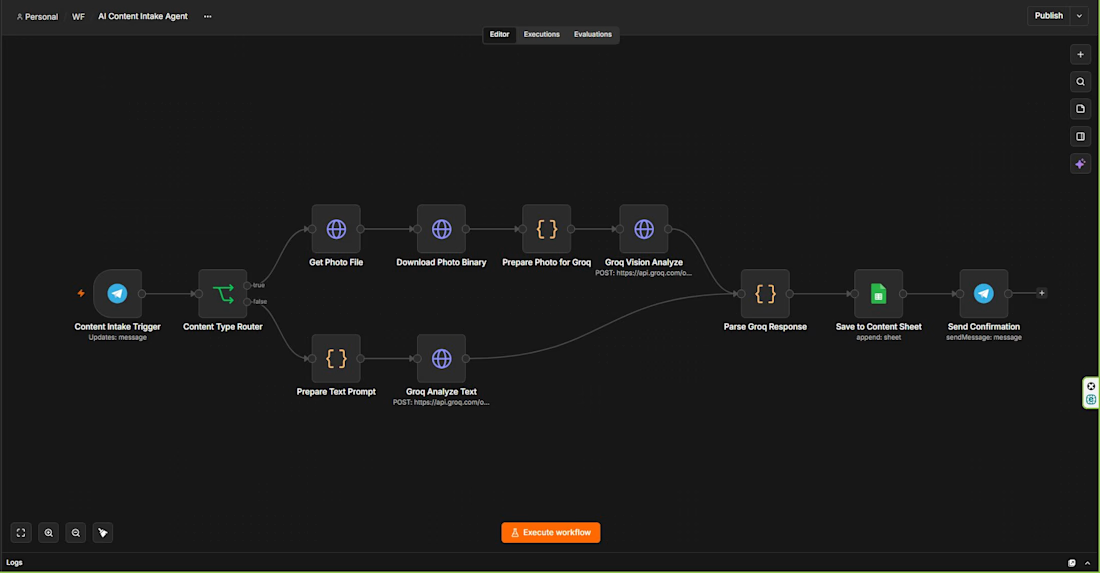
I finally stopped the endless copy‑paste loop for content brainstorming. Using n8n I wired a Telegram trigger, added a Router to split text vs. image, then called Groq Vision to extract title, tags and a short summary. The structured payload is pushed into Google Sheets, and the bot replies in the chat to confirm. Roughly five minutes per idea are now saved, and my ideas stay organized without me lifting a finger.
#n8n #automation #GroqVision #Telegram
Follow for more: https://go.phonezait.de/


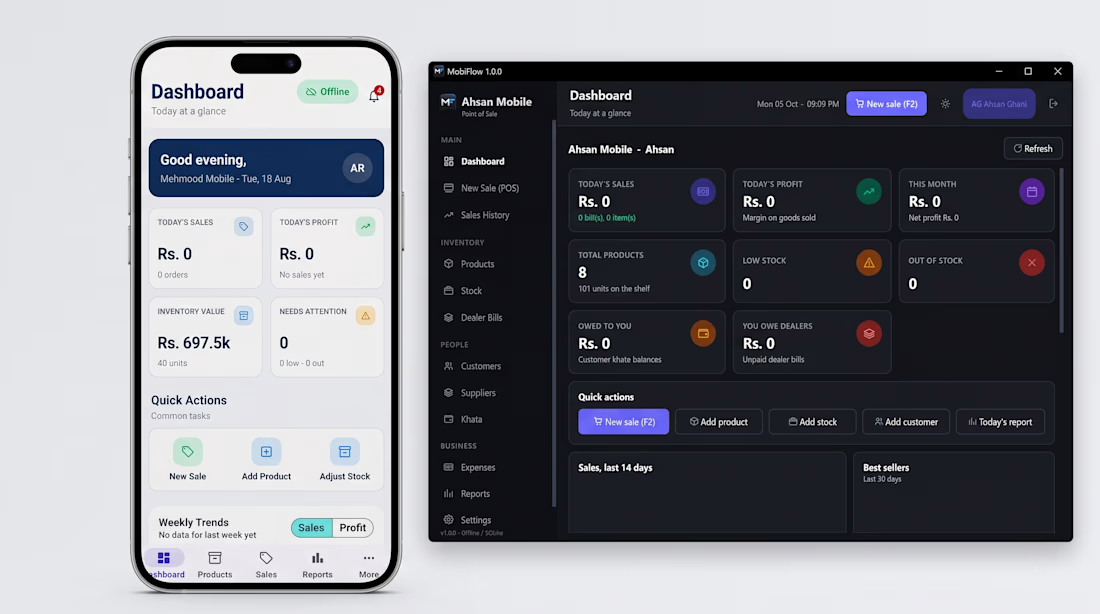
A complete mobile shop management system built across mobile, and desktop platforms, designed to simplify daily shop operations, sales, receipts, customer management, expenses, credit tracking, and business reporting.
The system includes receipt printing and PDF generation, WhatsApp sharing from mobile, monthly business reports, expense and credit management, and a feature-rich dashboard for managing day-to-day operations.



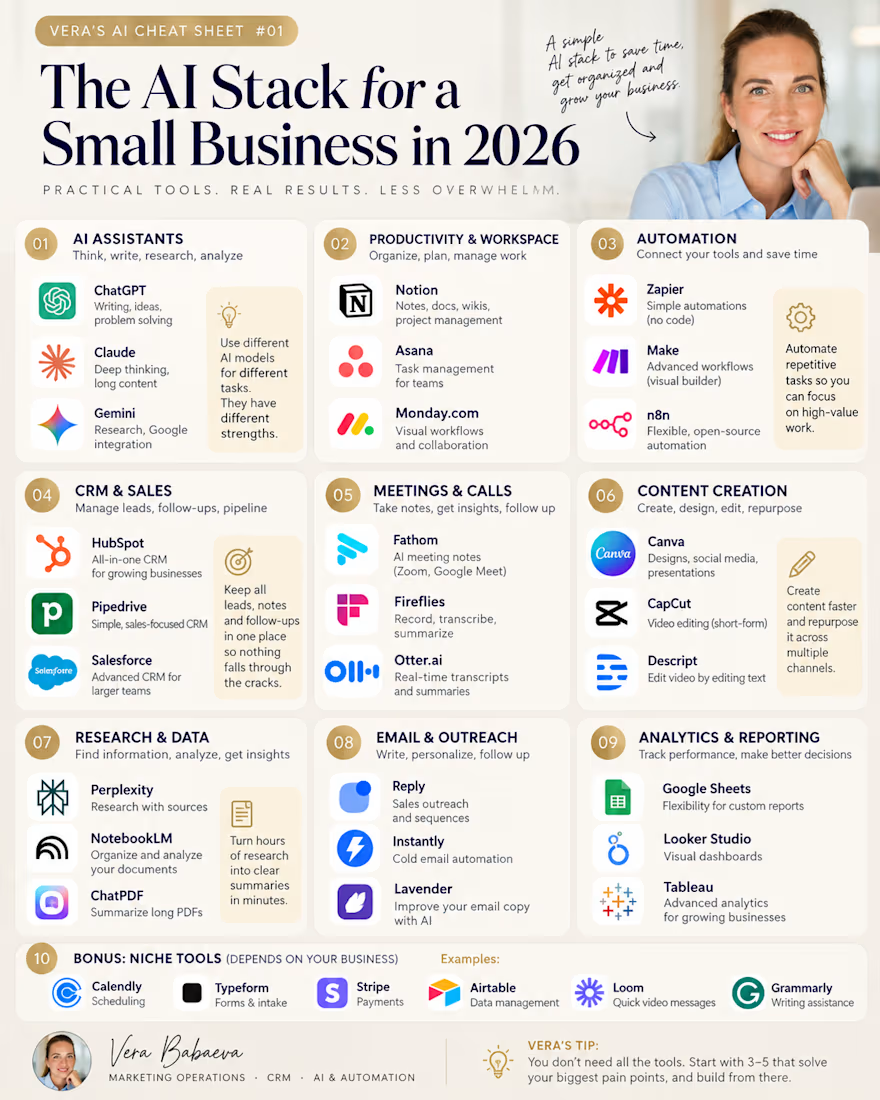
You probably don’t need more AI tools. You need the right AI stack.
One of the biggest mistakes I see businesses making with AI is collecting tools without building a system around them.
A new AI app appears → we try it.
Another one looks better → we subscribe.
A month later, we have 12 tools, 7 subscriptions… and half of them barely talk to each other. 😅
So I created this simple AI Stack for Small Business in 2026 — organized by what you actually need to get done:
AI assistants.
CRM & sales.
Automation.
Meetings.
Content.
Research.
Outreach.
Reporting.
The goal isn’t to use everything on this list.
Start with 3–5 tools that solve real bottlenecks in your business. Then connect them into workflows.
For many small businesses, a simple stack like:
AI → CRM → Automation → Communication → Reporting
can already eliminate hours of repetitive work every week.
I’m starting a new series of practical AI & Automation Cheat Sheets — no hype, just useful tools, workflows and shortcuts you can actually apply.
Save this one for later.
What should I break down next:
ChatGPT vs Claude vs Gemini or Zapier vs Make vs n8n?
— Vera Babaeva
Marketing Operations · CRM · AI & Automation
#ArtificialIntelligence #AIAutomation #SmallBusiness #MarketingOperations #CRM #BusinessAutomation #AItools