The network for creativity
Join 1.25M professional creatives like you
Connect with clients, get discovered, and run your business 100% commission-free
Creatives on Contra have earned over $150M and we are just getting started
Back to feedPost
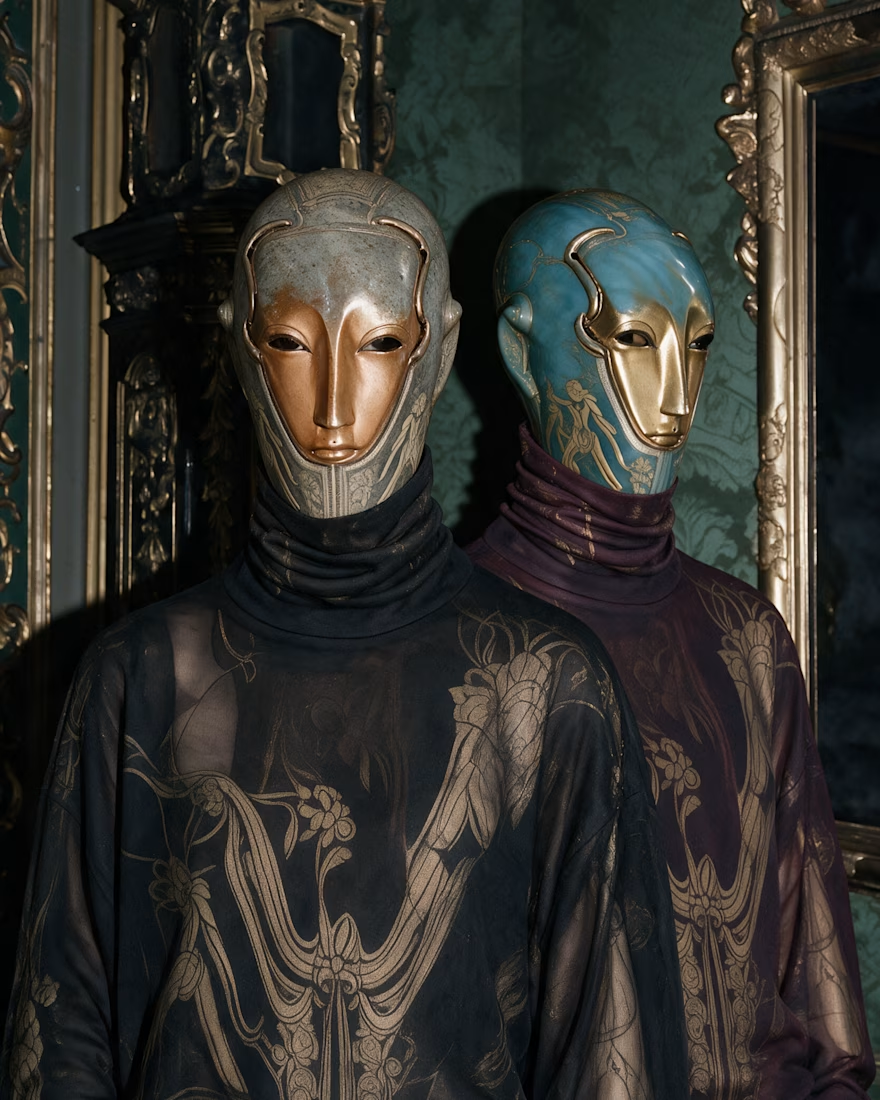
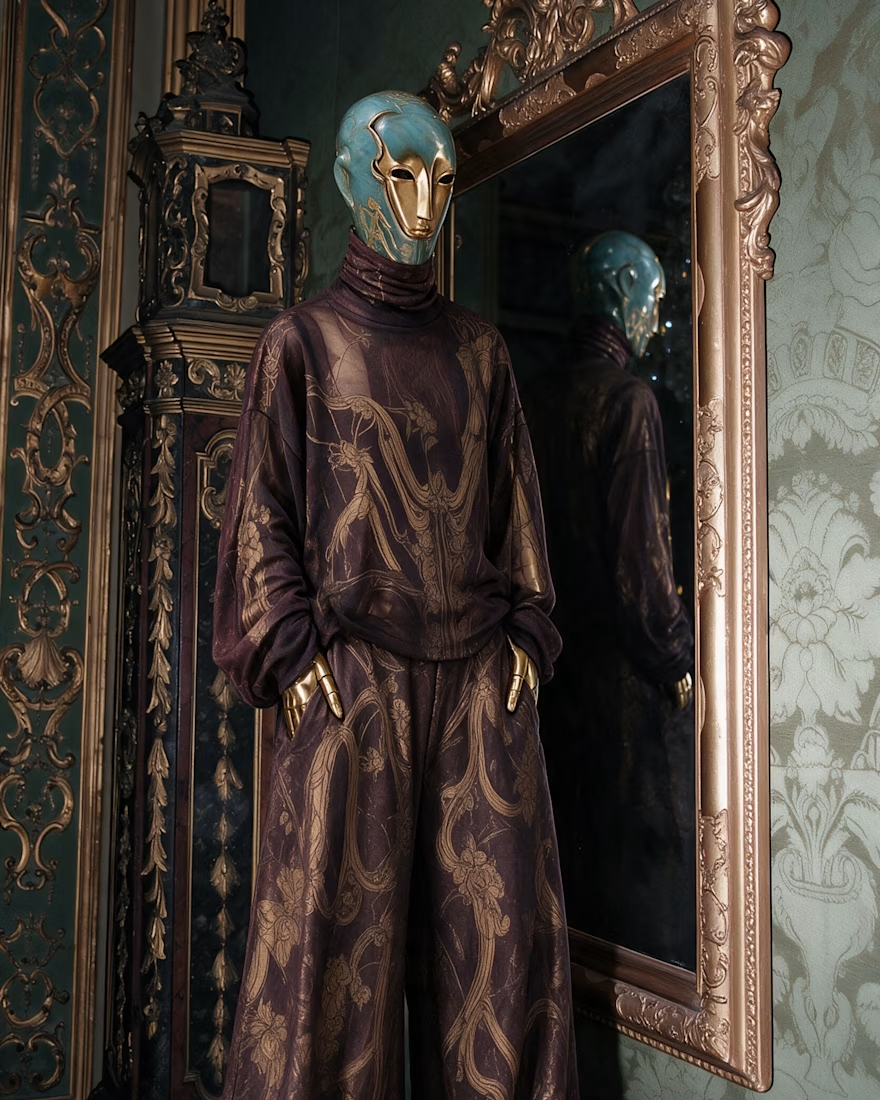
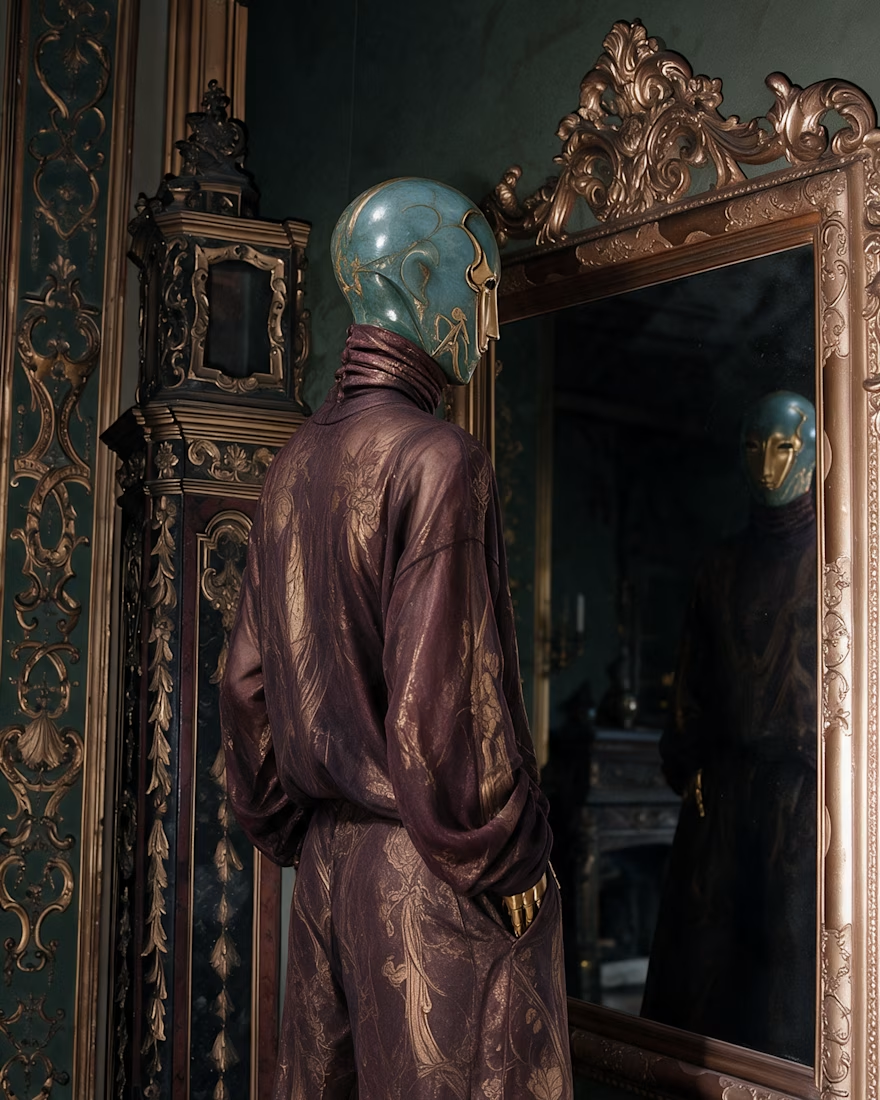
Robotic Skins
What happens when the body we're designing for is no longer human?
For thousands of years, humans have used clothing, ornament, armor and craft to transform the body into something that communicates identity, culture and belonging.
The Met's collection is a record of that instinct.
Looking through the archive, I became interested not only in the objects themselves, but in the visual languages embedded within them their surfaces, ornament, craftsmanship and relationship to the body.
I wanted to carry those languages somewhere they were never intended to go:
onto machines.
I've been exploring robotic clothing for the past year and a half, imagining a future where physical AI is no longer confined to factories or laboratories, but exists inside our homes, workplaces and communities.
Today's robots are largely designed around function. But as they become part of our physical world, I wonder if we will eventually begin designing for them in the same way we design for ourselves.
Not just their hardware.
Their appearance. Their identity. Their clothing. Their culture.
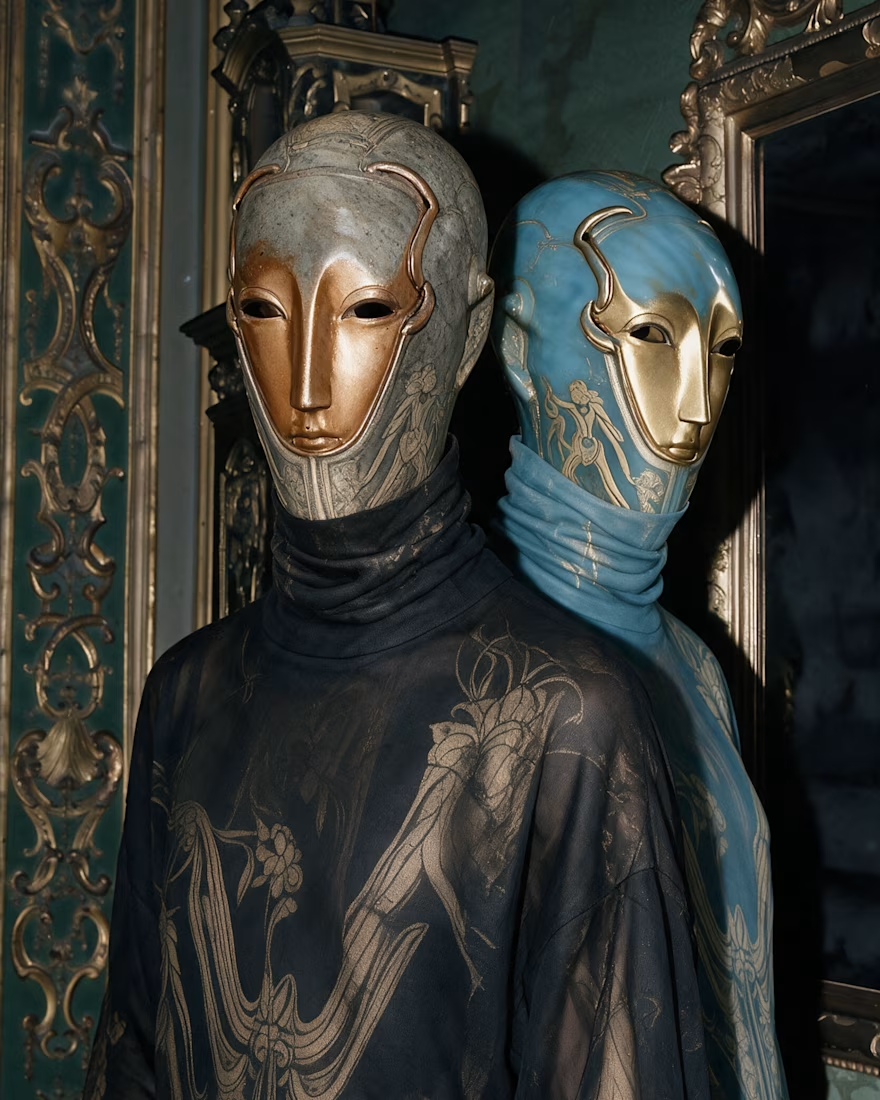
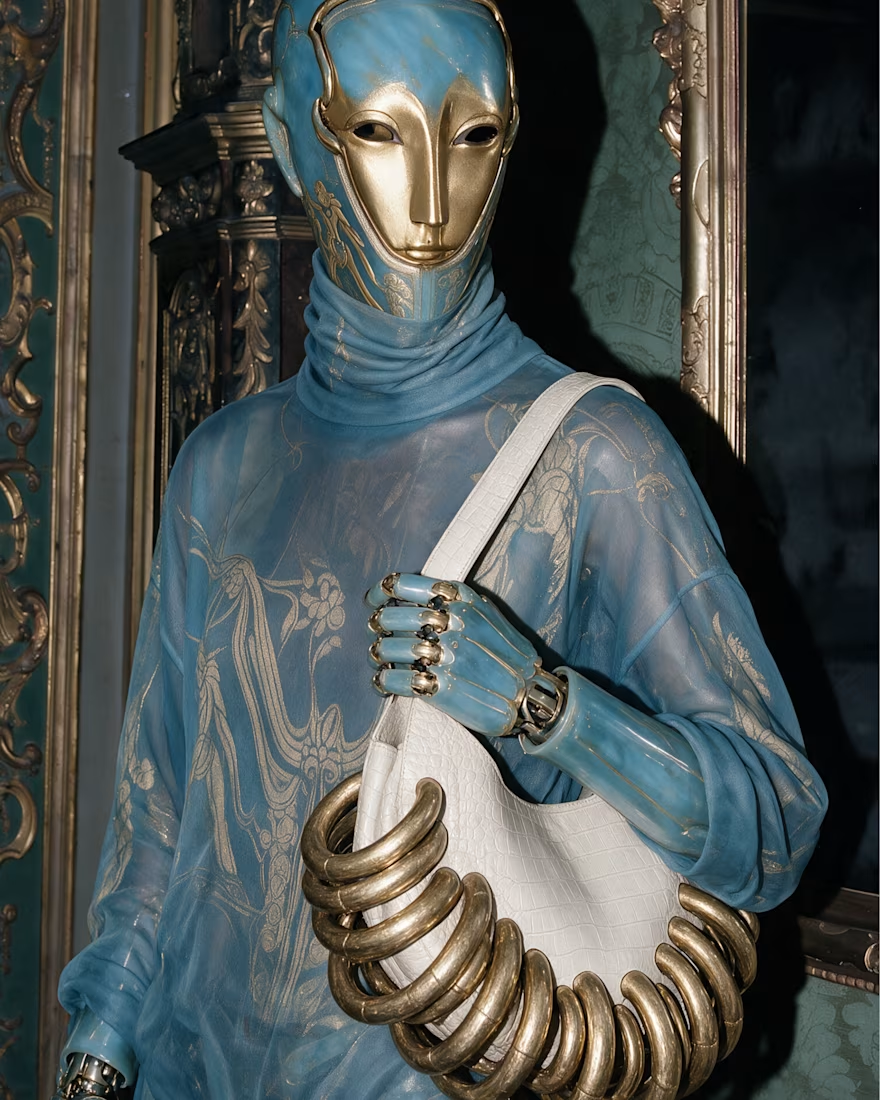
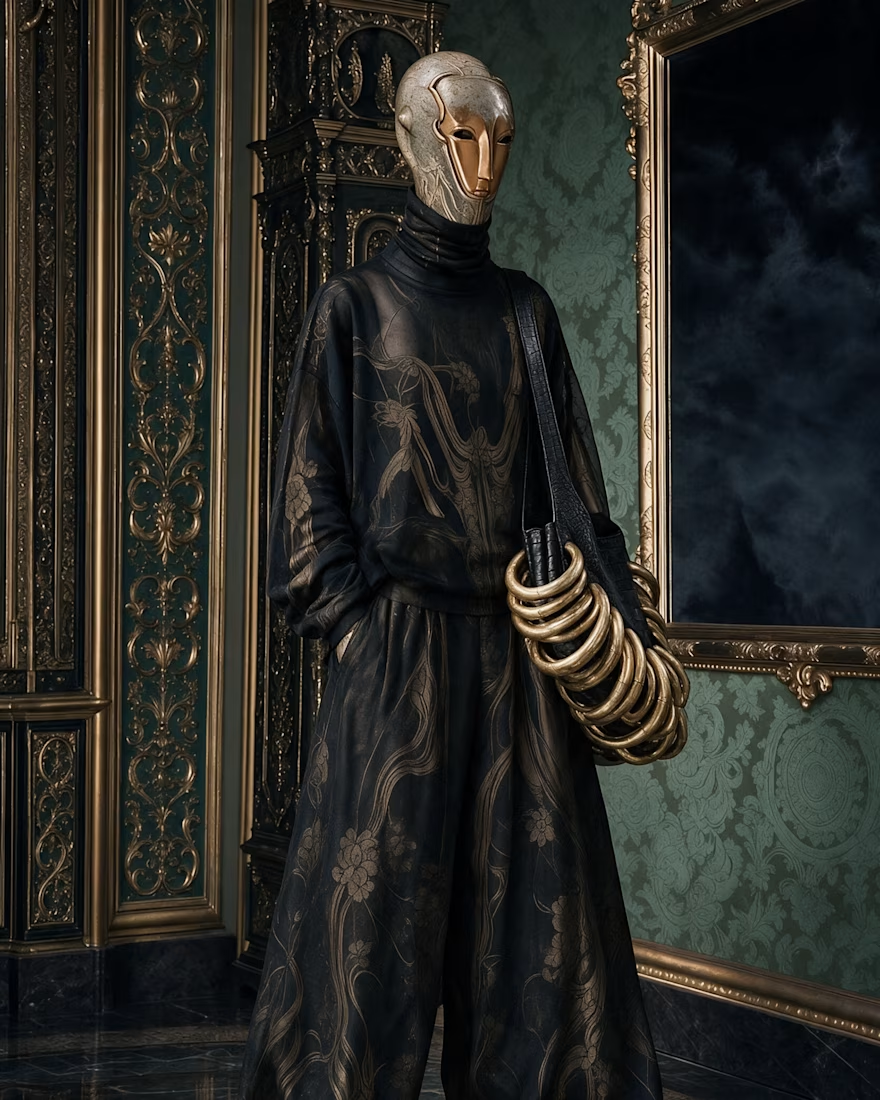
This project is an early exploration of what that could look like - a speculative wardrobe for the non-human, built by translating the language of historical craft into robotic skin, clothing and adornment.
Because fashion has always been about more than covering a body.
It is how a body becomes part of a culture.
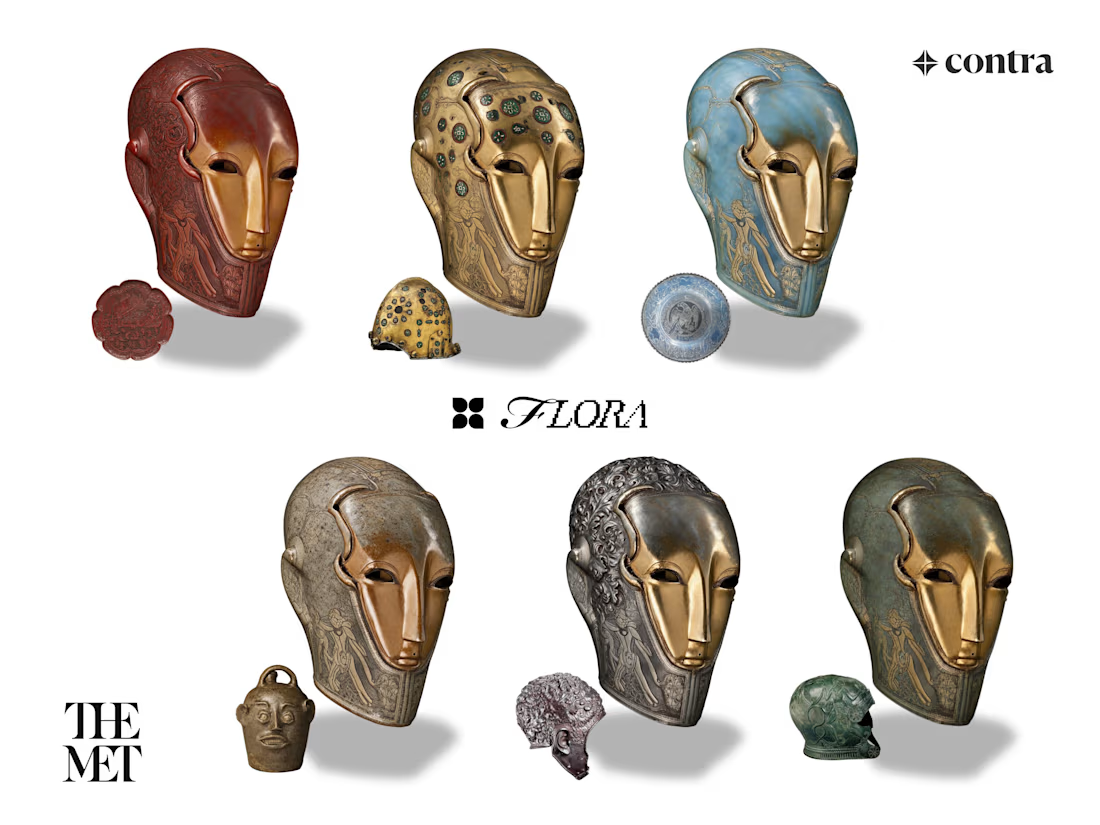
Source pieces - The Met Open Access
Two Bronze Helmets — Greek, Cretan, late 7th c. BCE, bronze → green patinated head
Ram's-head Amulet — Kushite, c. 712–664 BCE, gold → the horn, across all heads
Helmet (Sallet) — Spanish, Nasrid Granada, late 15th c., gold and cloisonné enamel → gold head
Helmet all'Antica — Filippo Negroli, Milan, c. 1532–35, steel → silver head
Tray with women and boys on a garden terrace — China, Yuan dynasty, 14th c., carved red lacquer → red head
Face jug — Edgefield District, South Carolina, c. 1850–80, alkaline-glazed stoneware → tan head
Face jug — Edgefield District, c. 1850–80, mottled green with iron spotting → grey-green head
Cup plate — American pressed glass, 1832–35 → blue head
Clock case — Italian, 17th c., painted and gilded wood → the room

Dressing the Non-Human
The network for creativity
Join 1.25M professional creatives like you
Connect with clients, get discovered, and run your business 100% commission-free
Creatives on Contra have earned over $150M and we are just getting started





Related posts

Going to have to learn this! 2D,3D and now AI lol

Is AI finally good enough to shoot a product demo on its own, or human touch is still needed?
I generated a 20s product demo with Seedance 2.5 in a single take providing it with one product image reference and an example video transcript (posted in the comments).
Do you disclose...

this is really creative

The new Kling 4.0 Flash on a single image input and the video output is impressive.
Maintaining frame stability without losing fine detail in motion.


Great work!

Sky is the limit? I just tried Opus 5.5 for the first time, and honestly… it’s insane. I designed the whole UI in Figma, animated it with a single prompt, created the presentation, and then asked Opus to add the mockup movement together with the UI animation.
Teams are going to become faster and more productive, but I think something even more interesting is happening: our ideas can go much further now. The gap between having an idea and actually bringing it to life is getting smaller and smaller.
I think one of the most important skills for designers now is taste, knowing what looks good, what feels right, what to keep, and what to remove. And who knows… maybe next month we’ll need to develop another skill.


