The network for creativity
Join 1.25M professional creatives like you
Connect with clients, get discovered, and run your business 100% commission-free
Creatives on Contra have earned over $150M and we are just getting started
Back to feedPost
Content Writer vs. Copywriter: What's the Difference?
People often use these two terms interchangeably, but they serve different purposes.
Both involve writing, but the goal behind the writing is different.
1. Content Writer ✍️
A content writer creates useful and informative content to educate readers, answer questions and build trust.
Examples:
Blog posts and articles
Website guides
Educational social media posts
Informative newsletters
Main goal: Give readers valuable information.
2. Copywriter 📝
A copywriter writes words that encourage people to take action. That action could be buying a product, signing up for a service or contacting a business.
Examples:
Product descriptions
Website sales pages
Advertising captions
Email marketing campaigns
Promotional content
Main goal: Encourage readers to take action.
Let's understand with one example.
Imagine a skincare brand launching a new moisturiser.
A content writer might write:
"5 Benefits of Using a Moisturiser Every Day"
A copywriter might write:
"Give Your Skin the Care It Deserves. Try Our New Moisturiser Today!"
See the difference?
One focuses on informing the audience, while the other focuses on encouraging a decision.
Can someone do both?
Absolutely!
Businesses need both types of writing. Content helps people understand a brand, while copy helps turn interest into action.
The takeaway: Good content builds trust. Good copy encourages action. And both can help a business grow.


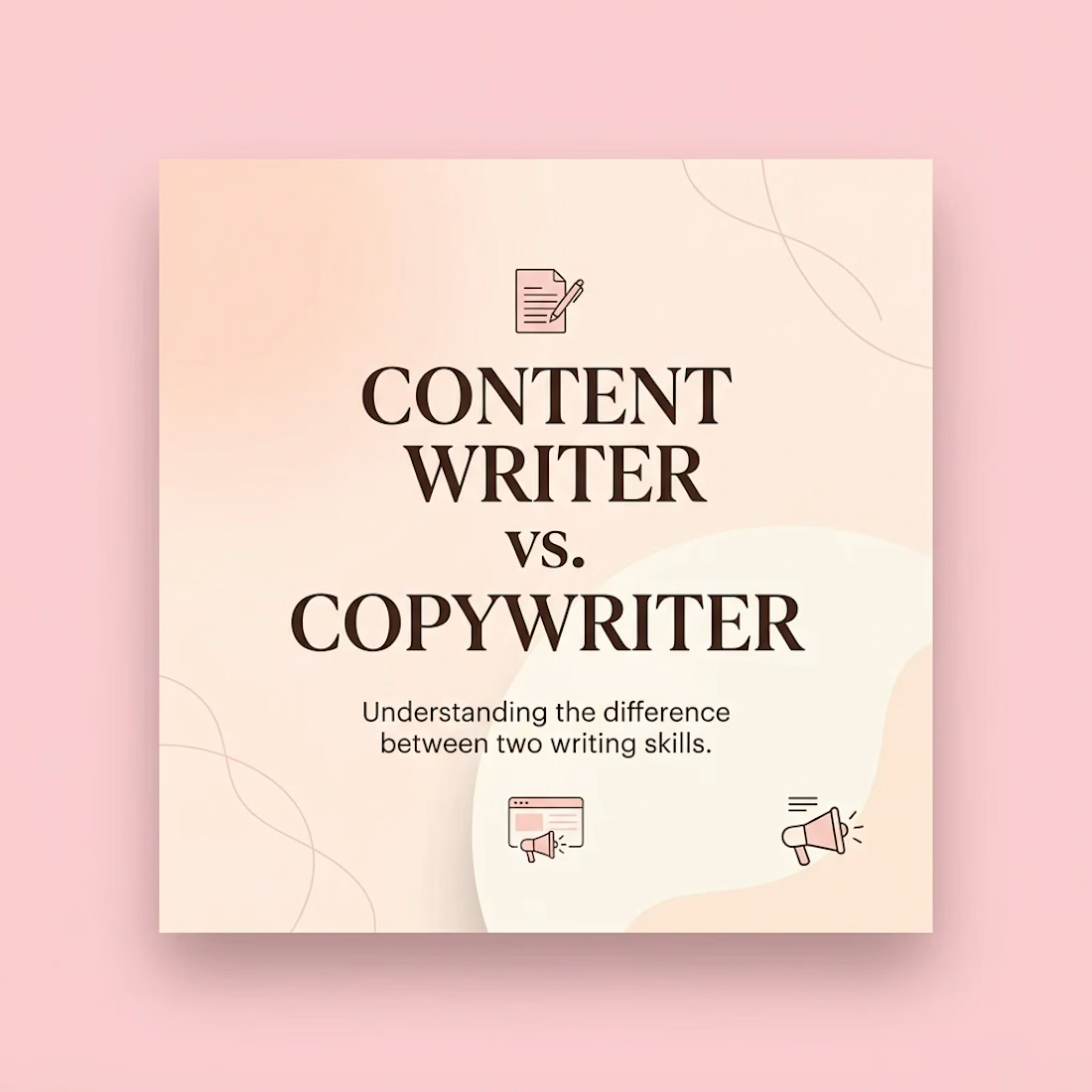

The dark brown serif title on the peach card with a pink frame is easy to read, and the two small icons set up the comparison well. Do the next slides show the two example texts side by side?

Thank you! I didn't include side-by-side examples this time, but that's actually a really good idea for my next post! 😊
Can't wait to see it. A split card with the informing line on the left and the selling line on the right would show the difference in one glance. Which example will you pick next?
Oh, I like that idea! Maybe a skincare brand would be a good example to try. 😊

Well explained! I like how you showed the difference through a practical example. I think the real magic happens when both work together: content builds understanding and trust, while copy helps turn that interest into action. They complement each other beautifully.
Thank you so much!


copy sells, content keeps em around. people mix those two up CONSTANTLY
The network for creativity
Join 1.25M professional creatives like you
Connect with clients, get discovered, and run your business 100% commission-free
Creatives on Contra have earned over $150M and we are just getting started
Related posts

Cadbury Fuse – AI UGC Video Advertisement
Created a 10-second AI-powered UGC-style advertisement for Cadbury Fuse, featuring a relatable college classroom scenario and a male character with natural, expressive reactions.
The concept combines humorous storytelling, realistic human expressions, cinematic camera movements, and appetizing chocolate close-ups to create an engaging product advertisement.
Creative highlights:
Realistic AI-generated male character and environment
Relatable, humorous storytelling
Cinematic close-ups and product shots
Realistic chocolate textures and bite sequences
Brand-focused final product reveal
Tools & techniques: AI video generation, AI character creation, cinematic visual direction, product advertising, and video editing.
Objective: Demonstrate how AI UGC can transform a simple product into an engaging, attention-grabbing social media advertisement.


Awesome how you got the product to rotate in the final animation! May I ask what model you like to use for this?

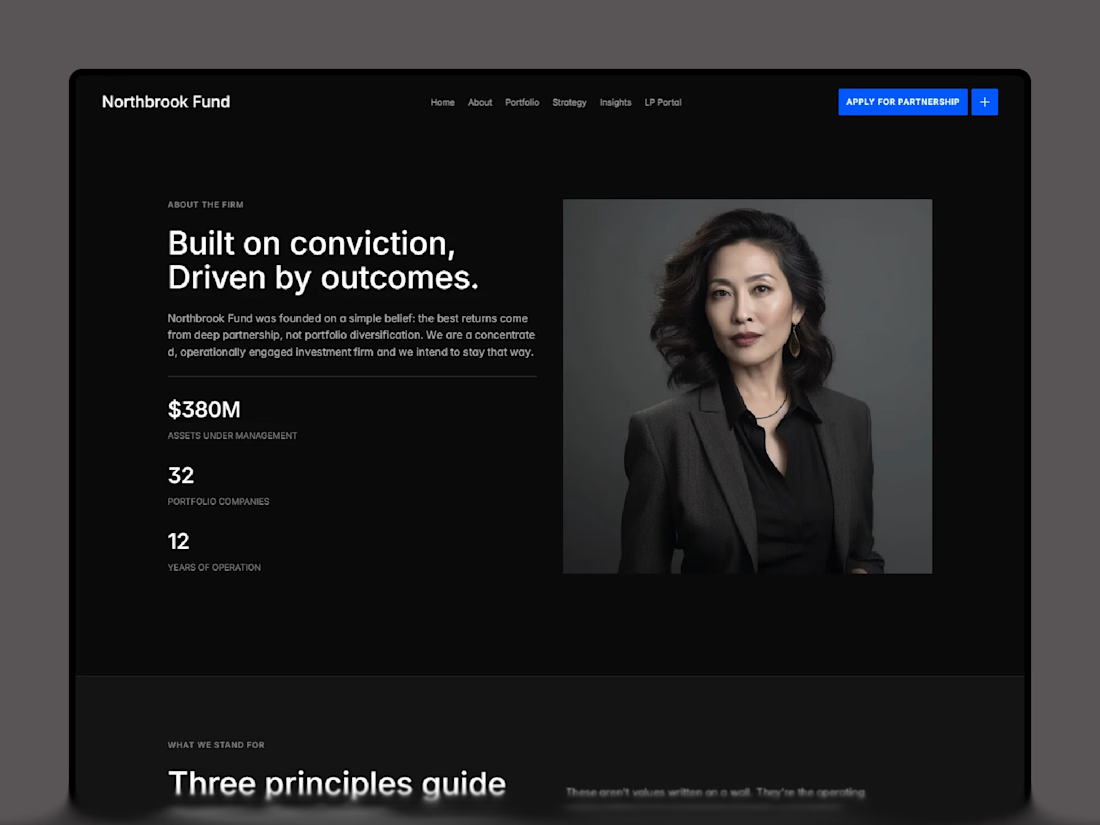
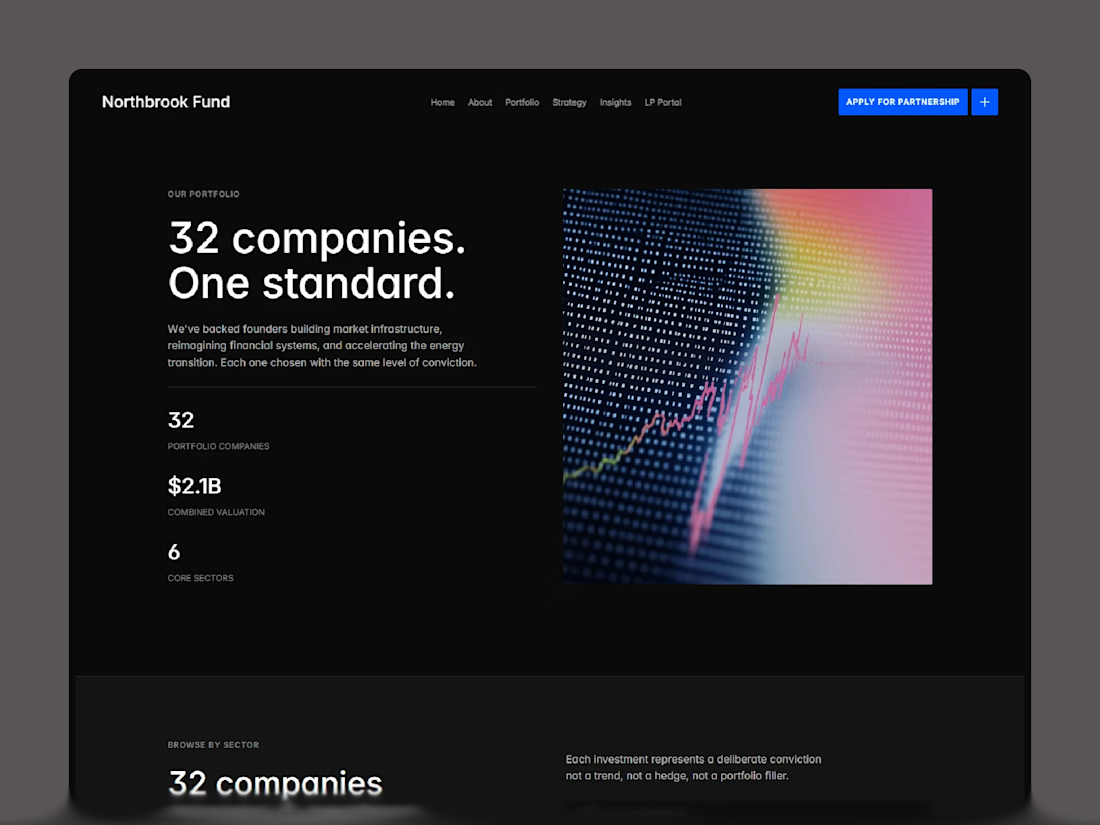
Just shipped a meaningful update to Northbrook.
It's now listed as an Agent Template on Framer. 🎉
I didn't want to add an AI label and call it done, so I spent time improving the actual template experience:
• A dedicated design system page
• Three project-specific Skills for design, CMS, and launch checks
• A walkthrough showing how everything is organized
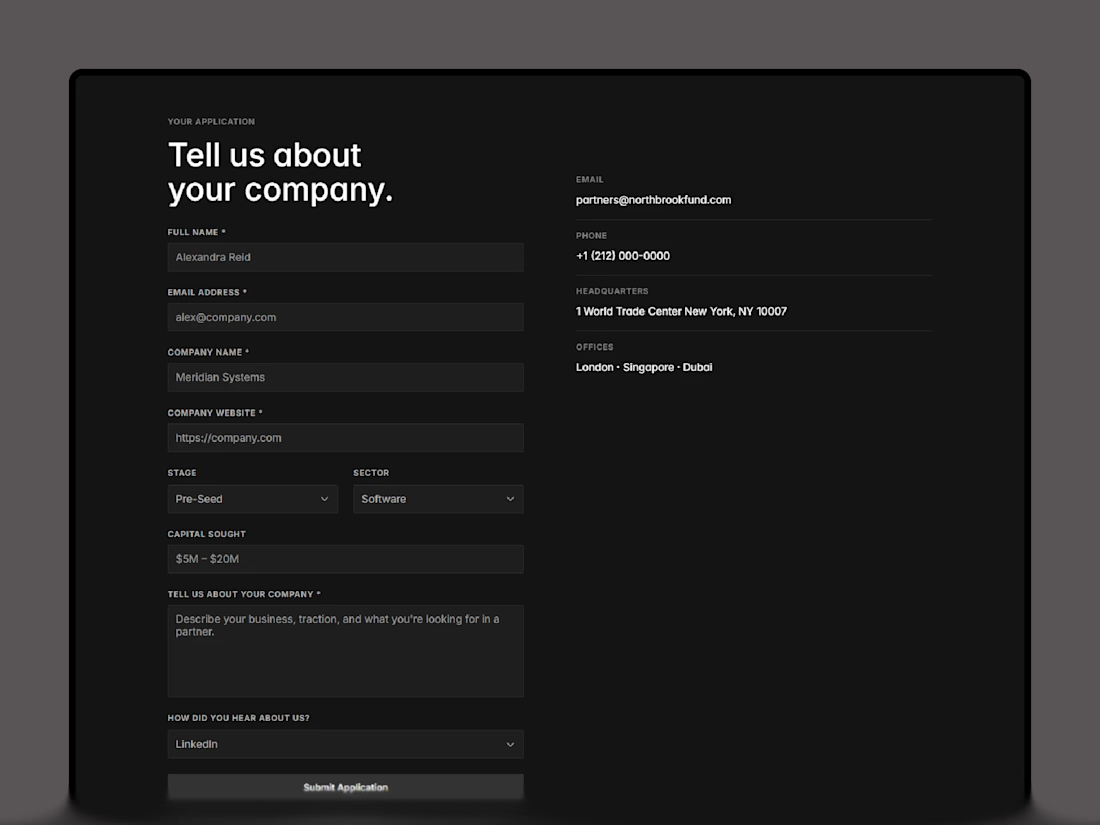
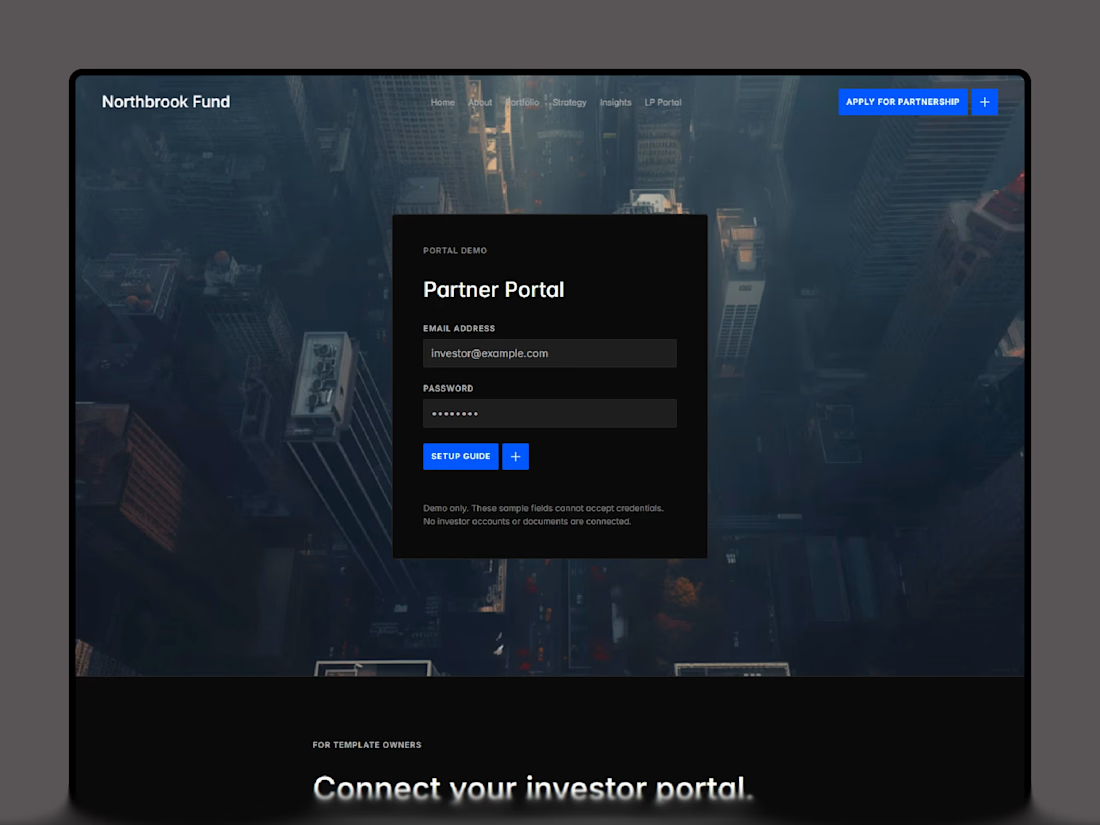
Northbrook is still the same dark, editorial website for VC and private equity firms, with 12 designed pages and Portfolio and Insights CMS.
The goal is simple: make a template that's easier to customize, extend, and maintain after someone buys it.
Would love to hear what other creators are doing with Agent Templates.

Great 👍🏻

I believe the right words don’t just sell products — they create meaningful connections between brands and people.