The network for creativity
Join 1.25M professional creatives like you
Connect with clients, get discovered, and run your business 100% commission-free
Creatives on Contra have earned over $150M and we are just getting started
Back to feedPost

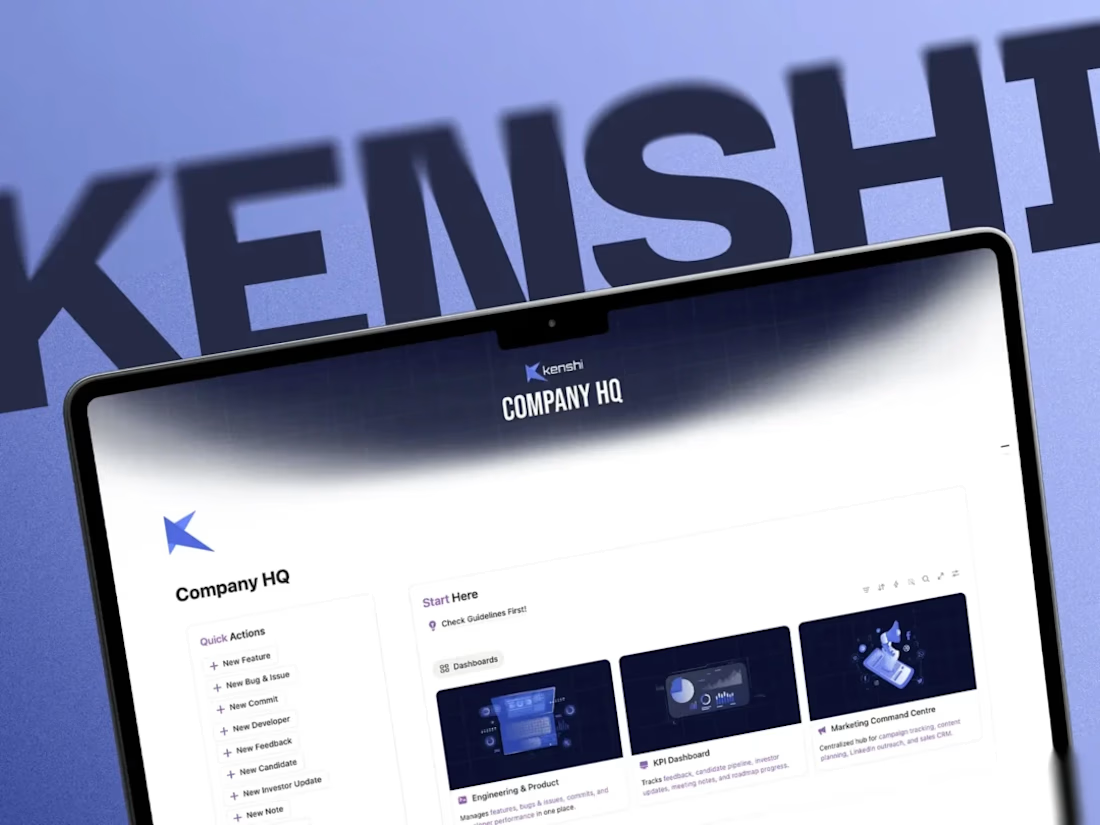
Building a Notion workspace for a software company is very different from building a standard project manager.
Ash, the co-founder of Kenshi Security, wanted one place where engineering, marketing, leadership, and business operations could finally work together.
We spent two weeks turning that vision into reality.
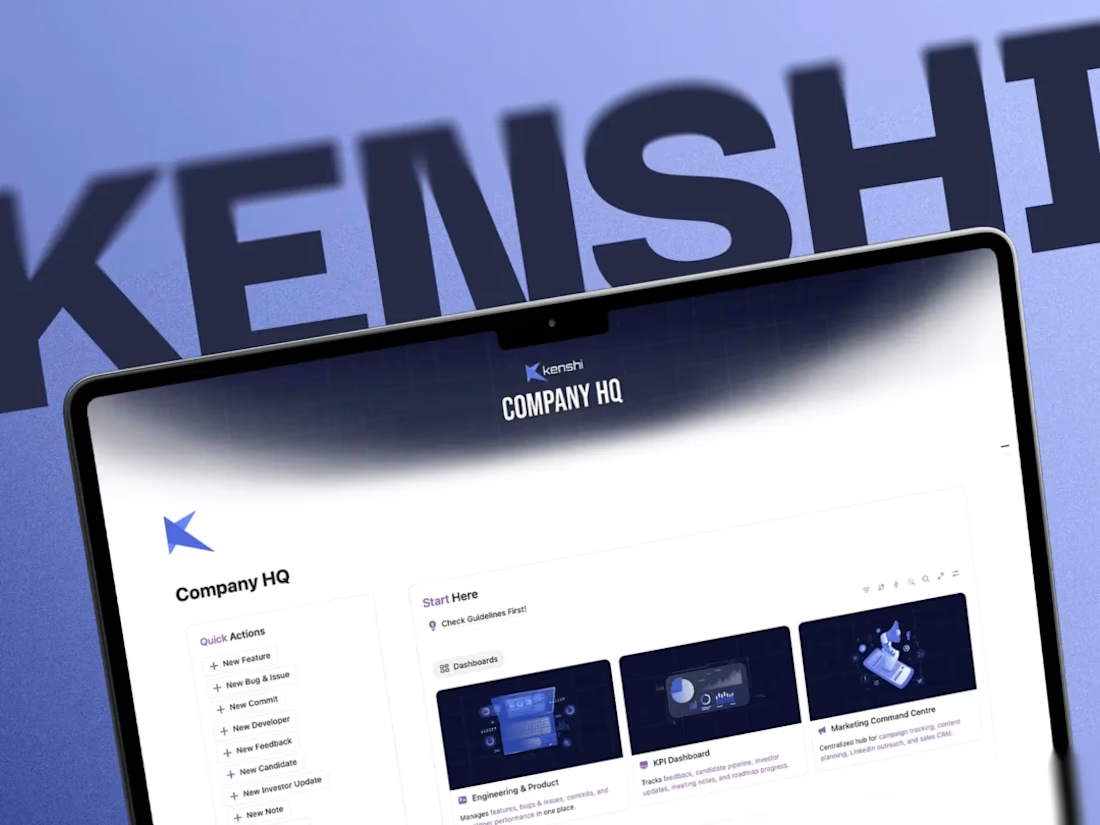
The finished workspace automatically syncs GitHub commits and bug reports into Notion using Make.com, tracks developer performance, manages KPIs, organizes investor updates, powers marketing campaigns, and gives leadership one dashboard to monitor the entire business.
The best part wasn’t the automation. It was seeing a complex operation become simple enough for every team to use with confidence.
Projects like this remind me that the best Notion systems aren’t just databases. They’re designed around how people actually work.
Have you ever wished your entire business could run from one connected workspace?
Read the full case study, link in the comments ↓


The network for creativity
Join 1.25M professional creatives like you
Connect with clients, get discovered, and run your business 100% commission-free
Creatives on Contra have earned over $150M and we are just getting started







Related posts


Onboarding workflow diagram for Resplendent Data, a B2B business intelligence platform
Check it out ⭣

Can you build a fully automated e-commerce platform with zero monthly SaaS costs? Yes. 🛠️
I just dropped my new case study detailing how I engineered a self-sustaining data architecture for Oz Golden Rush. By combining Framer, Make.com, and Airtable, I automated their entire inventory, dynamic pricing, and social feeds—all wrapped in a custom vector UI.
Take a look at the project to see how I bridged the gap between zero-code automation and frontend engineering!
https://contra.com/p/cEbebMRL-automated-data-architecture-for-oz-golden-rush


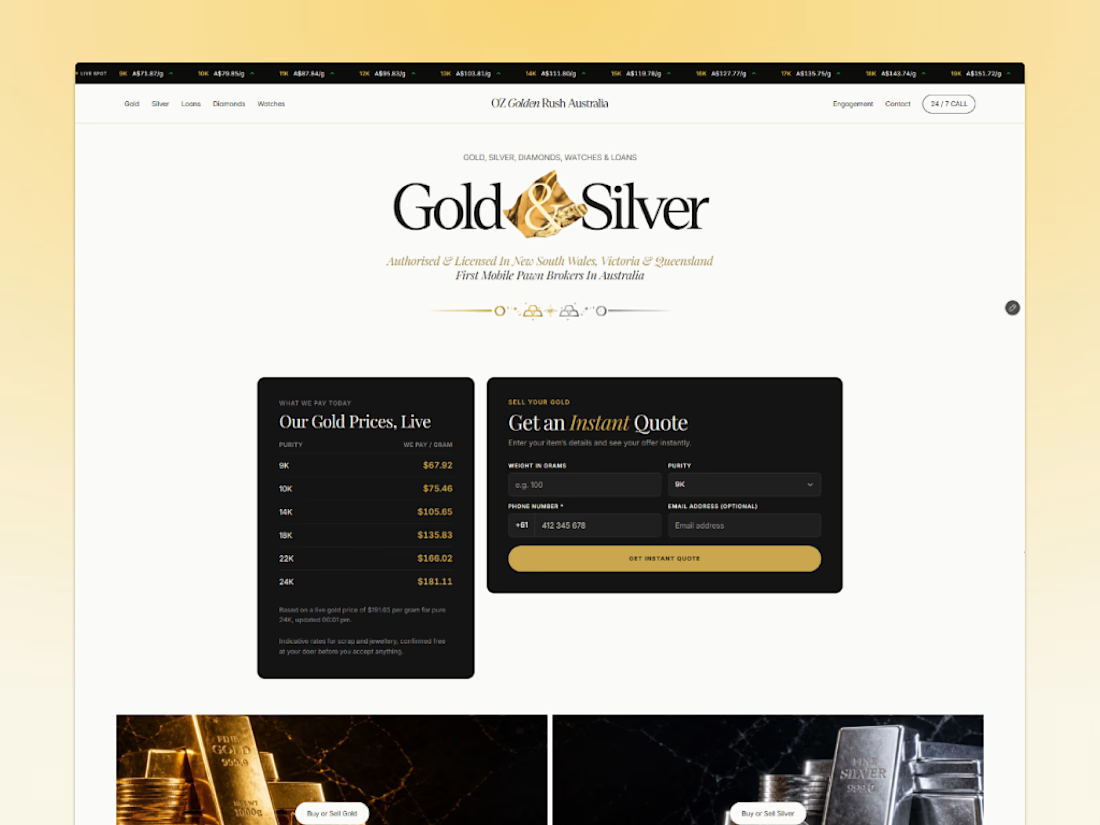

Linking inventory changes straight to dynamic pricing removes the manual lag and keeps the storefront responsive.


I build products that turn complex ideas into things people can actually use.
Now officially a Lovable Expert Partner — Certified App Builder + Certified Website Builder.
AI products. SaaS. Platforms. Websites. Weird ideas that need serious execution.
Have something worth building?
→ https://lovable-partner-directory.lovable.app/partners/herodot
@Lovable


congratulations