The network for creativity
Join 1.25M professional creatives like you
Connect with clients, get discovered, and run your business 100% commission-free
Creatives on Contra have earned over $150M and we are just getting started
Back to feedPost

I recently mapped out a complete CI/CD pipeline for a Flask application running on AWS.
The workflow looked solid:
🔹 GitHub for source control
🔹 AWS CodePipeline for orchestration
🔹 CodeBuild for testing and Docker image creation
🔹 Amazon ECR for image storage
🔹 CodeDeploy for blue/green deployments
🔹 SNS notifications for deployment status
🔹 CloudWatch for monitoring
With a simple git push, the application could be tested, containerized, and deployed automatically.
But while analyzing the architecture, I noticed something interesting.
The entire CI/CD pipeline cost approximately $8/month.
The EC2 instance hosting the application cost approximately $587/month.
The lesson?
Many organizations focus heavily on deployment automation while overlooking infrastructure optimization.
A mature cloud strategy requires both:
✅ Fast and reliable deployments
✅ Cost-efficient infrastructure
✅ Continuous monitoring
✅ Right-sized resources based on actual usage
Building CI/CD pipelines is important.
But understanding where the money is actually being spent is what transforms a cloud engineer into a cloud architect.
Technology decisions should optimize not only for speed, but also for business value.
#AWS #CloudComputing #DevOps #CICD #CodePipeline #Docker #EC2 #CloudArchitecture #CostOptimization #GitHub #LearningInPublic

The network for creativity
Join 1.25M professional creatives like you
Connect with clients, get discovered, and run your business 100% commission-free
Creatives on Contra have earned over $150M and we are just getting started
Related posts


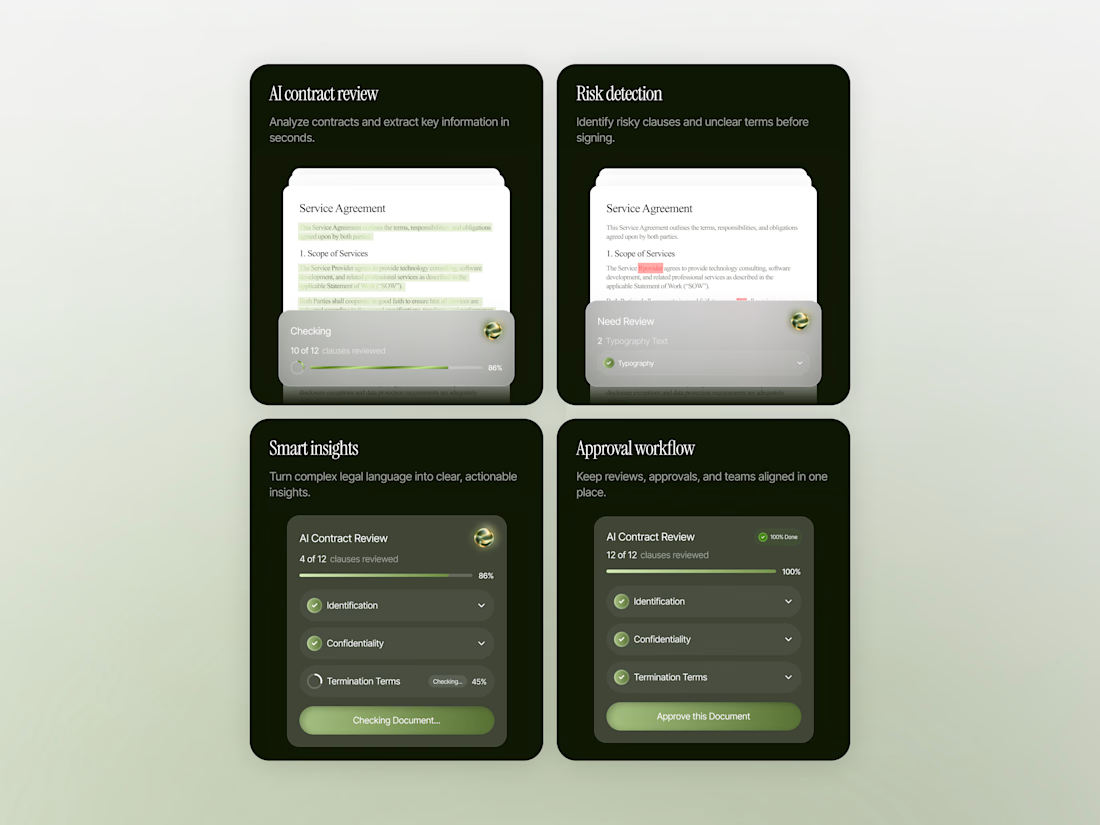
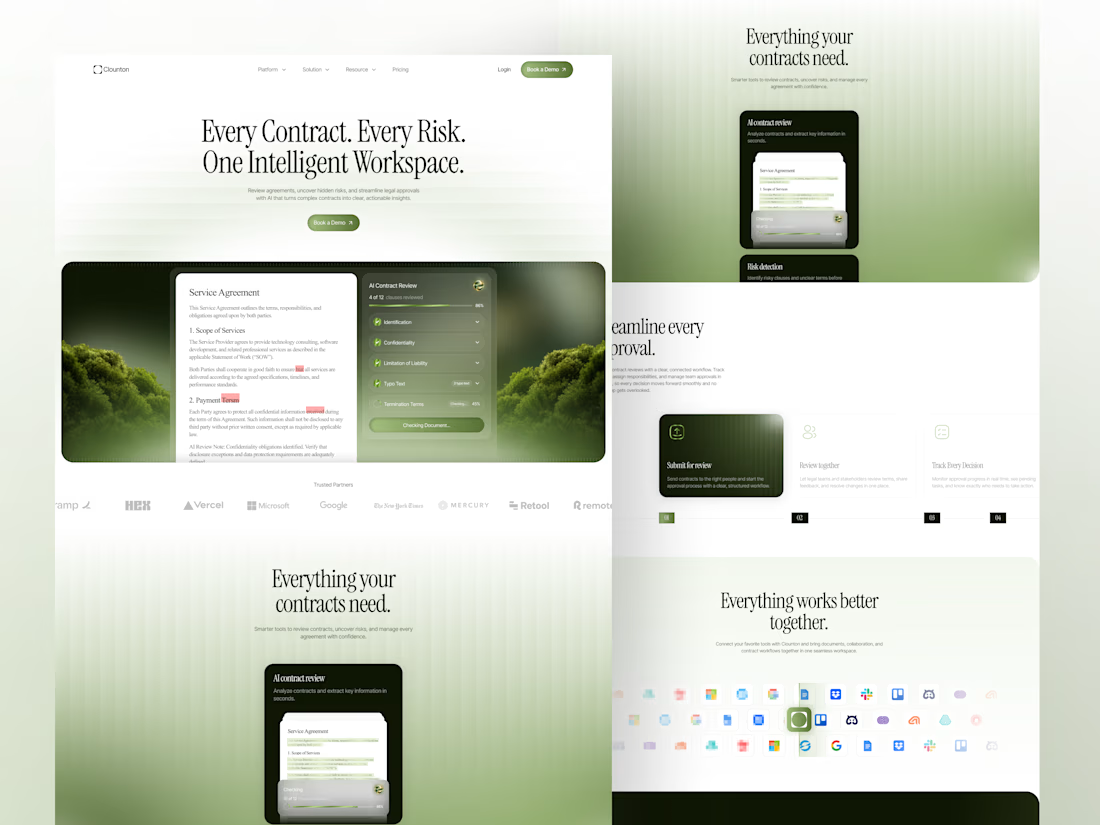
Introducing Clounton — AI-Powered Contract Lifecycle Management.
An intelligent platform simplifies contract reviews and detects risk. Turning complex agreements into clear, actionable insights.
Streamlined approvals and smarter workflows in one workspace.



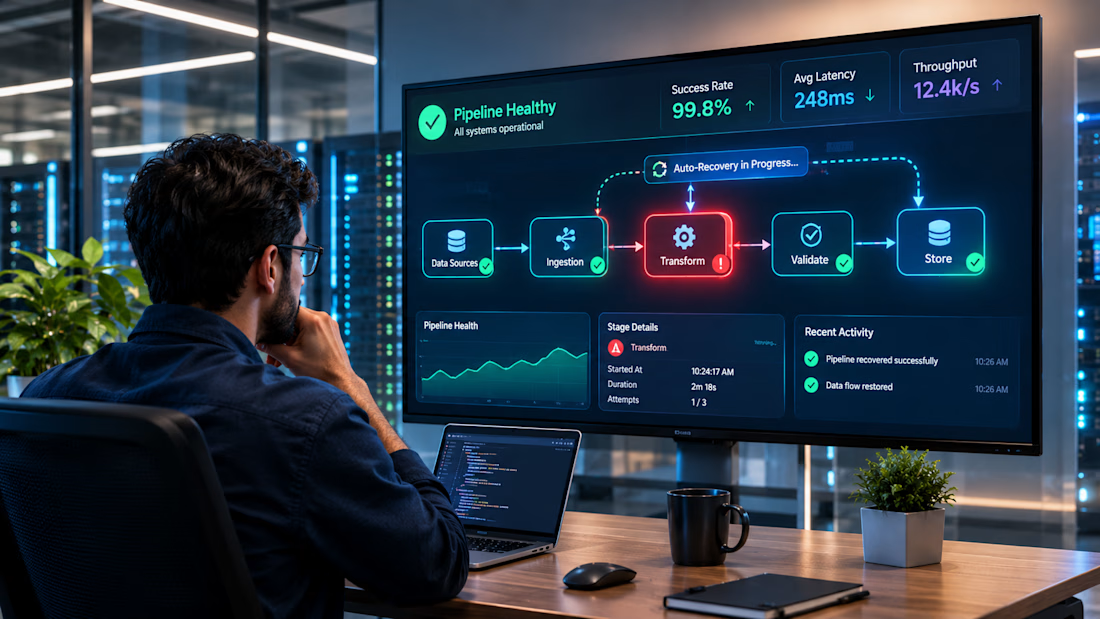
🚀 WHAT IF YOUR DATA PIPELINE COULD FIX ITSELF?
Most AI conversations focus on chatbots, content generation, and coding assistants.
But one of the more interesting shifts is happening behind the scenes: AI is moving into the infrastructure that keeps software products running.
Today, Snowflake announced new autonomous data engineering capabilities that bring AI agents into recurring data-pipeline tasks, including identifying and repairing issues.
Why does this matter?
A broken or outdated data pipeline can affect everything built on top of it — dashboards, business reports, recommendations, and even AI-powered decisions.
Here's what this shift could mean for engineering teams:
⚙️ 1. Self-healing workflows
AI agents can help identify recurring pipeline failures and suggest or perform fixes within defined guardrails.
📊 2. More reliable data
Better pipeline health means applications and AI systems can work with fresher, more dependable information.
🛡️ 3. Human-controlled automation
Engineers still define rules, review critical changes, and decide what goes into production.
🧠 4. More time for real engineering
Less time spent on repetitive maintenance means more time for architecture, performance, and product innovation.
My perspective as an AI Engineer & Full Stack Developer:
The next generation of AI-powered products won't just need intelligent models.
They'll need reliable data pipelines, robust APIs, monitoring, automation, and systems that can recover gracefully when something goes wrong.
That's where AI engineering becomes real software engineering.
Would you trust an AI agent to repair production data pipelines under strict guardrails?
#AIEngineering #DataEngineering #ArtificialIntelligence #Automation #Snowflake #SoftwareDevelopment #CloudComputing #LLM #FullStackDevelopment #TechInnovation #Contra