The network for creativity
Join 1.25M professional creatives like you
Connect with clients, get discovered, and run your business 100% commission-free
Creatives on Contra have earned over $150M and we are just getting started
Back to feedPost

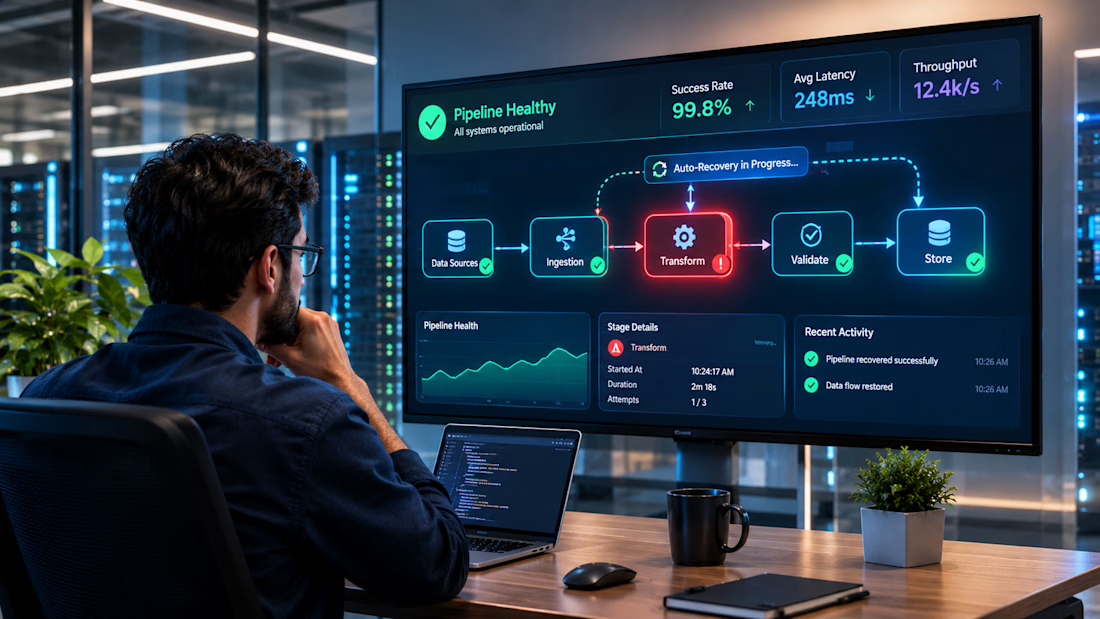
🚀 WHAT IF YOUR DATA PIPELINE COULD FIX ITSELF?
Most AI conversations focus on chatbots, content generation, and coding assistants.
But one of the more interesting shifts is happening behind the scenes: AI is moving into the infrastructure that keeps software products running.
Today, Snowflake announced new autonomous data engineering capabilities that bring AI agents into recurring data-pipeline tasks, including identifying and repairing issues.
Why does this matter?
A broken or outdated data pipeline can affect everything built on top of it — dashboards, business reports, recommendations, and even AI-powered decisions.
Here's what this shift could mean for engineering teams:
⚙️ 1. Self-healing workflows
AI agents can help identify recurring pipeline failures and suggest or perform fixes within defined guardrails.
📊 2. More reliable data
Better pipeline health means applications and AI systems can work with fresher, more dependable information.
🛡️ 3. Human-controlled automation
Engineers still define rules, review critical changes, and decide what goes into production.
🧠 4. More time for real engineering
Less time spent on repetitive maintenance means more time for architecture, performance, and product innovation.
My perspective as an AI Engineer & Full Stack Developer:
The next generation of AI-powered products won't just need intelligent models.
They'll need reliable data pipelines, robust APIs, monitoring, automation, and systems that can recover gracefully when something goes wrong.
That's where AI engineering becomes real software engineering.
Would you trust an AI agent to repair production data pipelines under strict guardrails?
#AIEngineering #DataEngineering #ArtificialIntelligence #Automation #Snowflake #SoftwareDevelopment #CloudComputing #LLM #FullStackDevelopment #TechInnovation #Contra

The network for creativity
Join 1.25M professional creatives like you
Connect with clients, get discovered, and run your business 100% commission-free
Creatives on Contra have earned over $150M and we are just getting started
Related posts


Feels like a lot of companies are trying their luck with AI instead of hiring designers right now.
I think it's going to backfire on them in a few months.
Trying to stay optimistic about it.

I can't wait for them to start hiring designers again. No matter how good AIs are, Human Intelligence will always supercede it.

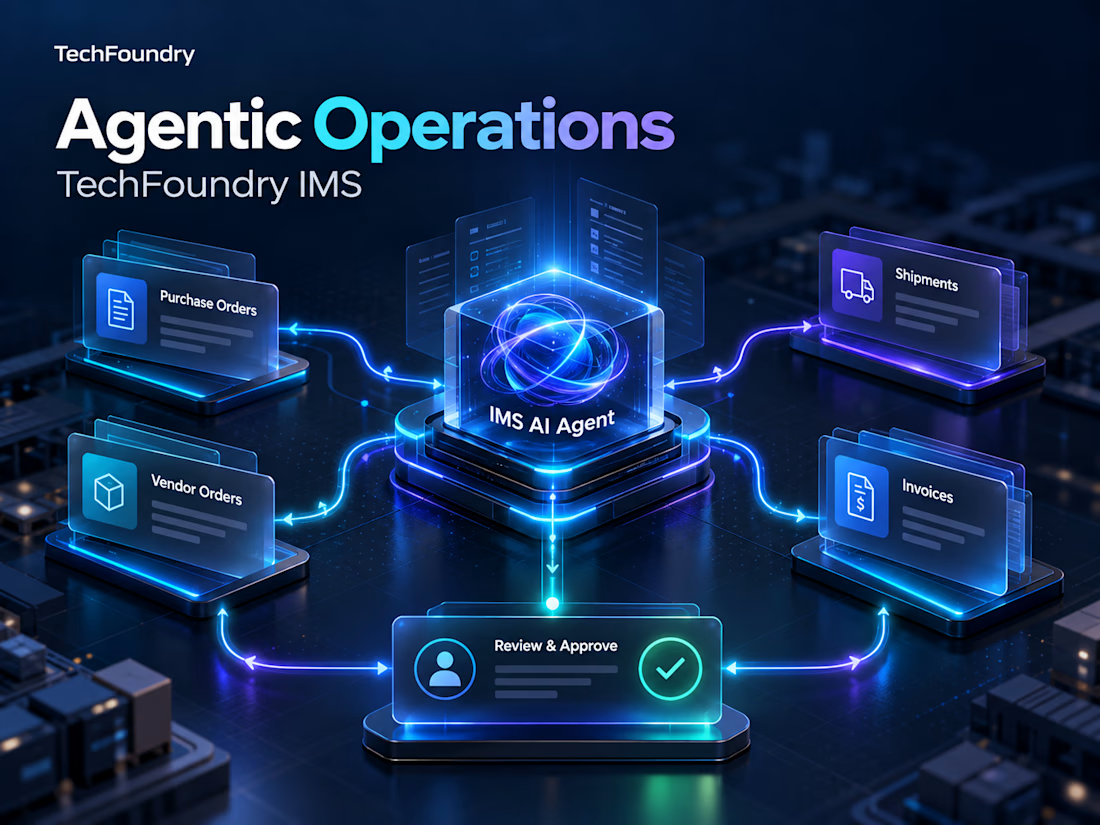
What does practical, agentic AI look like in a real business workflow?
Our new TechFoundry IMS case study walks through seven demos—from purchase-order intake and catalog conflict resolution to vendor orders, shipments, client shipping, and invoice reconciliation.
It shows how AI agents, document processing, and software integrations work together, with human review where judgment matters. I’ve also included the technology stack behind the platform.
Explore the case study:
https://contra.com/p/oWU3ssF3-tech-foundry-ims-ai-procurement-and-fulfillment-in-seven-demos
Building an agentic AI solution? Book a free initial consultation with me on Contra. We’d love to work with you.
#PracticalAI #AgenticAI #Automation #SoftwareDevelopment

Purchase-order intake and catalog conflict resolution feel like the right place to start with agents, since the pain is concrete. How do you handle the cases where the agent is unsure and a human has to step in?
From packed boxes to a shipment the client can track.
This TechFoundry IMS demo reuses box details, retrieves UPS rates, creates shipping labels, and keeps tracking connected to the client order. A practical example of the AI and automation workflows we build into business software.
Watch the client shipping demo:
https://www.youtube.com/watch?v=8ohniU08JAA
#AI #Automation #SoftwareDevelopment #Shipping

I like that the shipment stays tied to the client order instead of living in a separate carrier tab. When box details get edited after the UPS rate is retrieved, does the system re-quote before creating the label, or lock the original rate? I'd be curious how you handle that mismatch on the tracking side.