The network for creativity
Join 1.25M professional creatives like you
Connect with clients, get discovered, and run your business 100% commission-free
Creatives on Contra have earned over $150M and we are just getting started
Back to feedPost

About this work
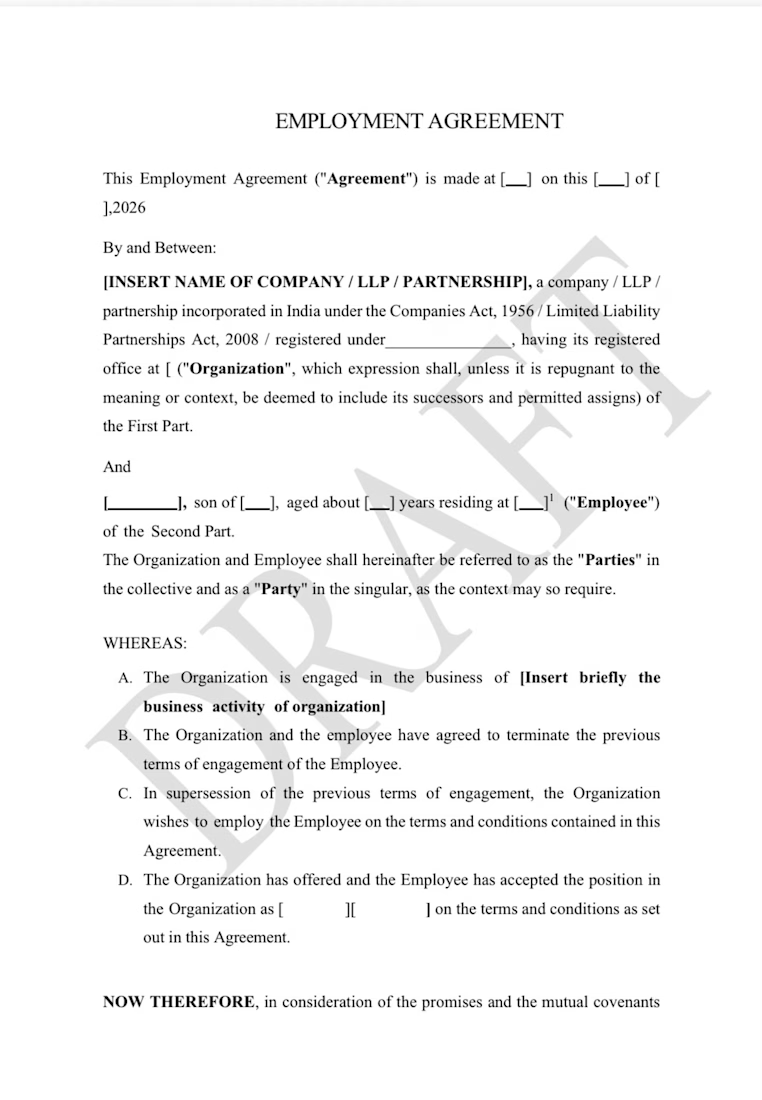
Standard employment engagement governed by a formal Employment Agreement between an organization and an employee, outlining the full terms of the working relationship.
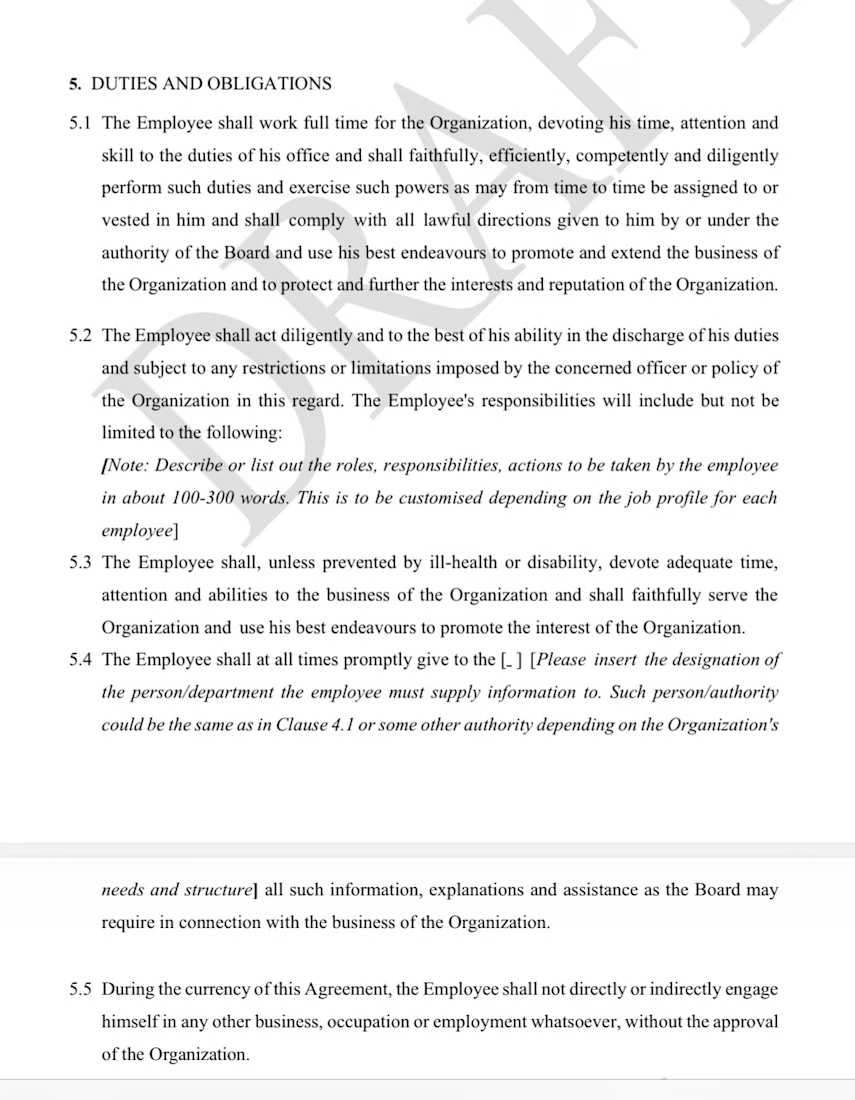
Role and responsibilities: Full-time commitment to the organization, performing duties diligently and competently as assigned by the Board or management, while acting in the organization's best interests and protecting its reputation.
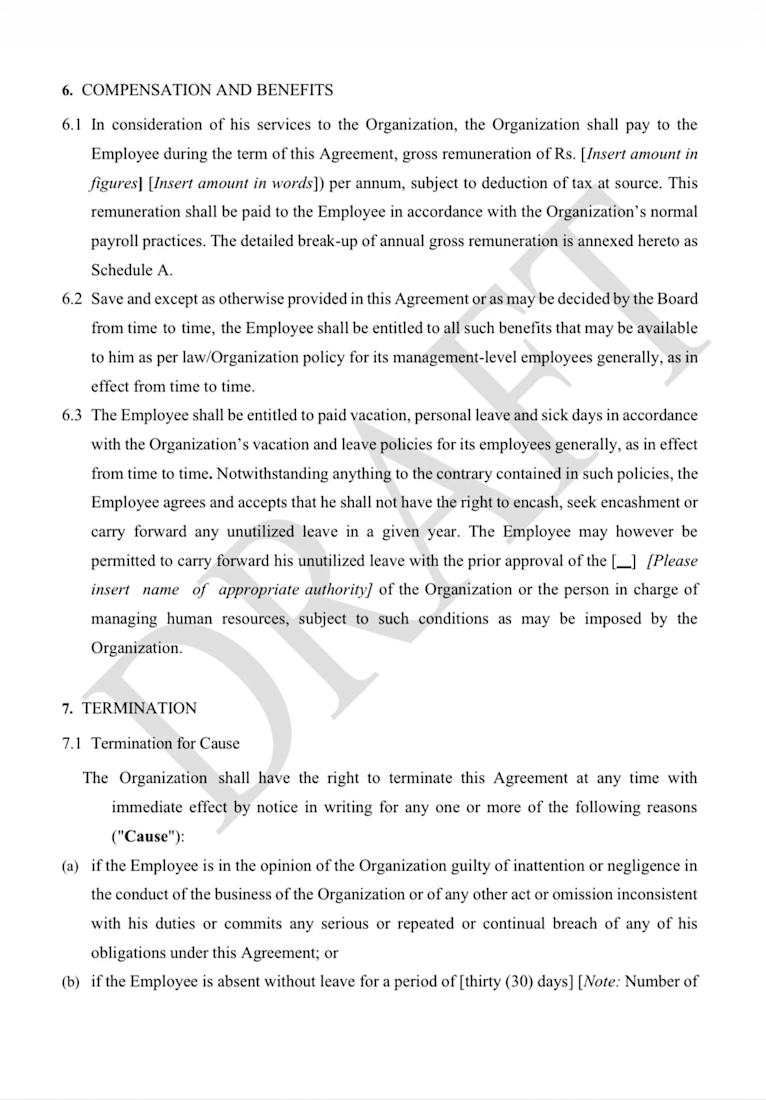
Compensation and benefits: Fixed annual gross remuneration, paid per the organization's standard payroll cycle, along with statutory benefits and paid leave (vacation, personal, and sick days) as per company policy. Unused leave doesn't carry forward or get encashed unless specifically approved.
Exclusivity: The employee is expected to avoid other business, occupation, or employment during the term without prior organizational approval, ensuring full focus on the role.
Termination: The organization may terminate the agreement immediately for cause including negligence, serious or repeated breach of duties, or unauthorized absence with notice in writing.
This structure reflects a clear, professional employment framework built around defined duties, fixed compensation, and specific grounds for termination, giving both parties clarity on expectations and protections throughout the engagement.

The network for creativity
Join 1.25M professional creatives like you
Connect with clients, get discovered, and run your business 100% commission-free
Creatives on Contra have earned over $150M and we are just getting started











Related posts

Your stationery is more than paper — it's an extension of your brand identity.
I design premium, classic, and modern stationery for businesses of all sizes, creating cohesive designs that reflect your brand's personality and professionalism.
My stationery design services include:
✦ Business cards
✦ Letterheads and envelopes
✦ Corporate folders and presentation sets
✦ Notepads and compliment slips
✦ Custom branded stationery collections
From individual stationery pieces to a complete corporate identity suite, every detail matters.
Looking to give your brand a more polished, professional appearance? Let's connect!
#StationeryDesign #BrandIdentity #GraphicDesign #BusinessBranding #CanvaDesigner #CorporateDesign #BrandDesign

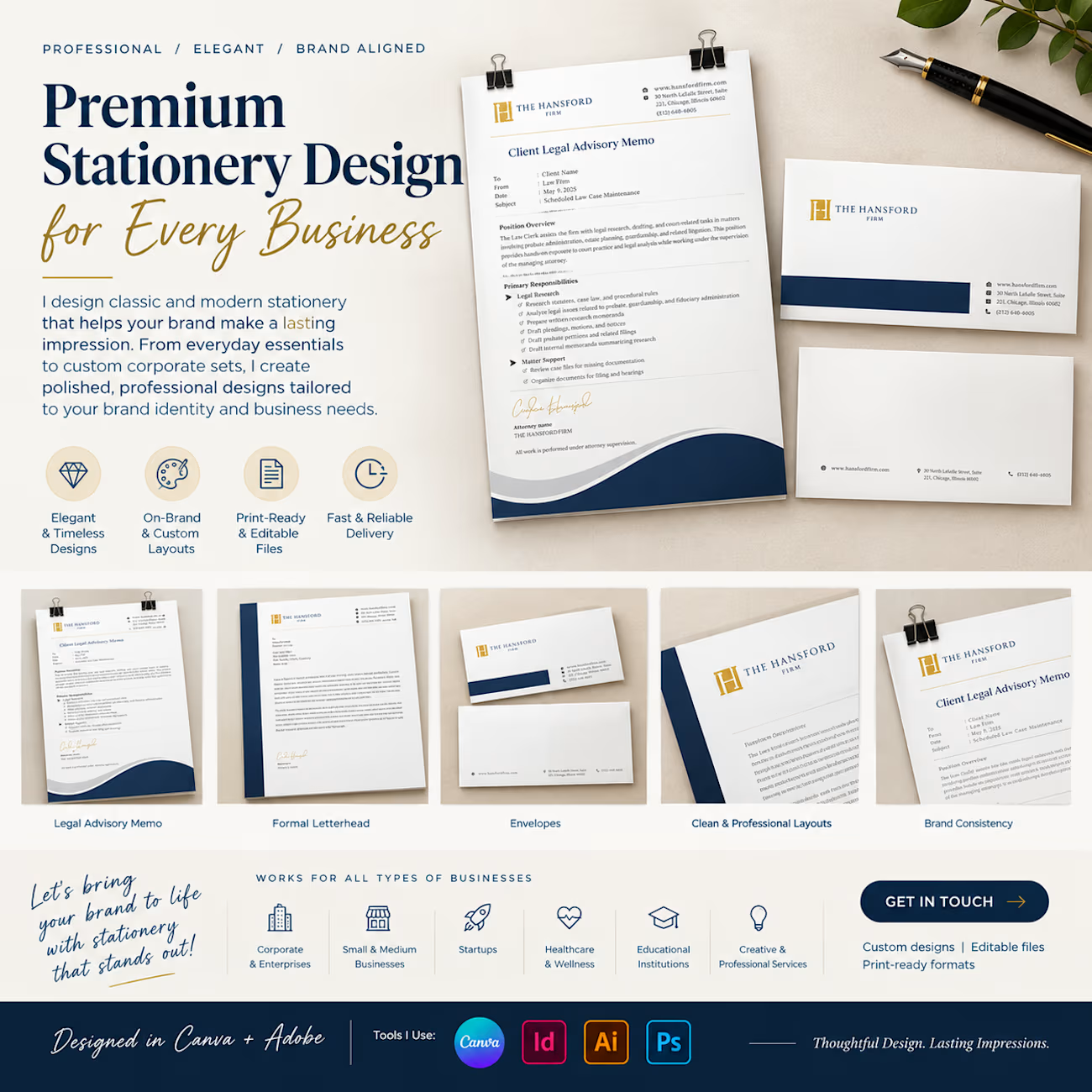

Clean layouts and a very cohesive brand look across every piece. The Hansford set looks really polished. Nicely done, Sheena!


A fresh and elegant coffee design crafted with creativity in Canva.


A refreshing color palette inspired by each flavor, paired with bold yet minimal typography, creates strong shelf presence while maintaining a natural and premium feel.



Flavor-led palettes are such a smart system for soda packaging, Umar. The SunSip strawberry can reads bright and playful while that bold minimal type keeps it feeling premium rather than loud.