The network for creativity
Join 1.25M professional creatives like you
Connect with clients, get discovered, and run your business 100% commission-free
Creatives on Contra have earned over $150M and we are just getting started
Back to feedPost

Communication Skills for Job Readiness
Client: Sri Venkateshwara College of Engineering (SVCE), Bengaluru
Engagement: Offline / In-person Student Development Session
Role: Leadership & Communication Coach
Overview
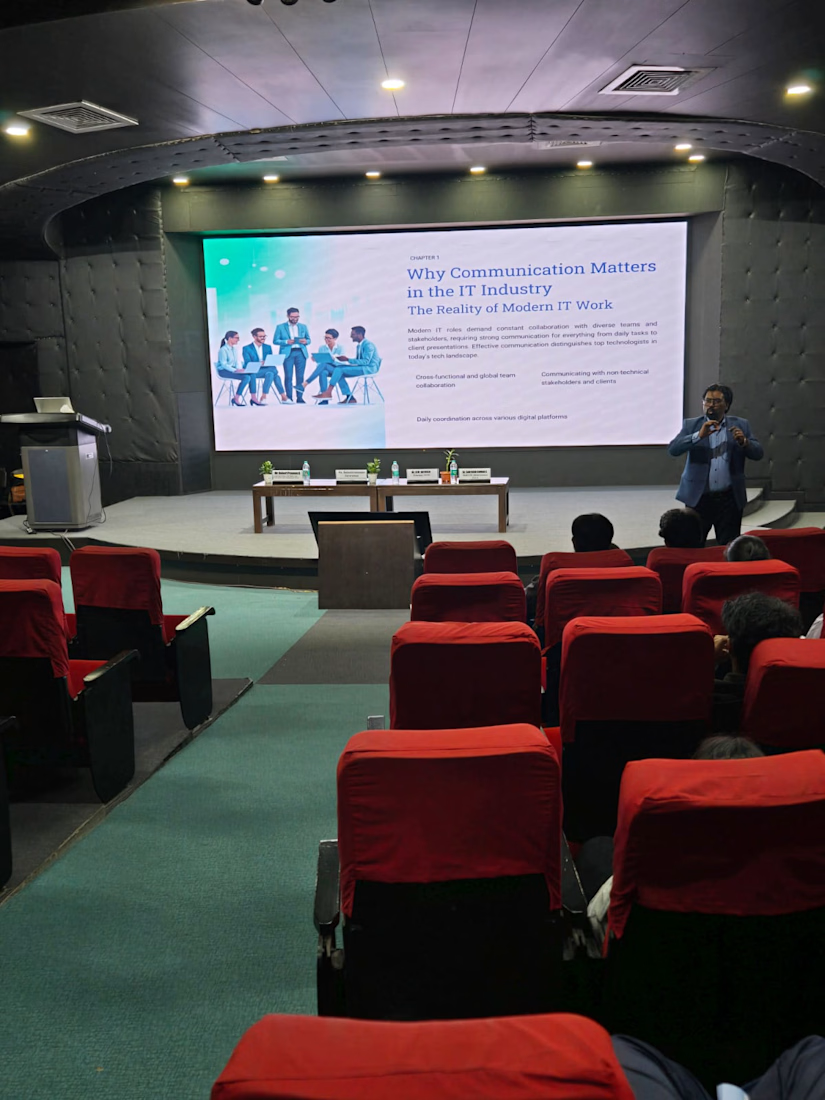
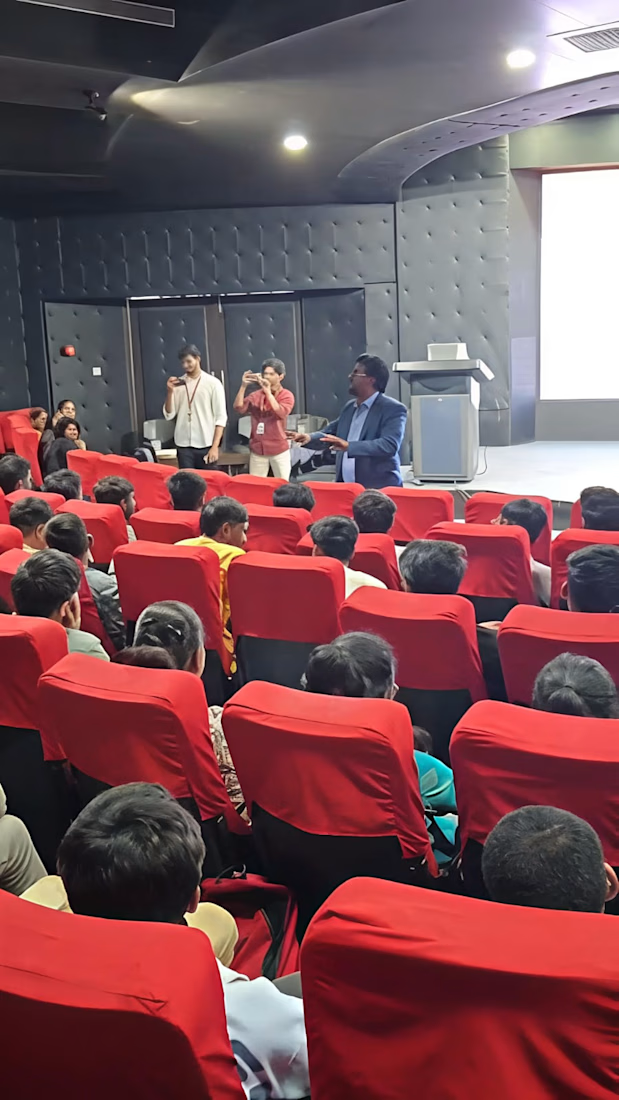
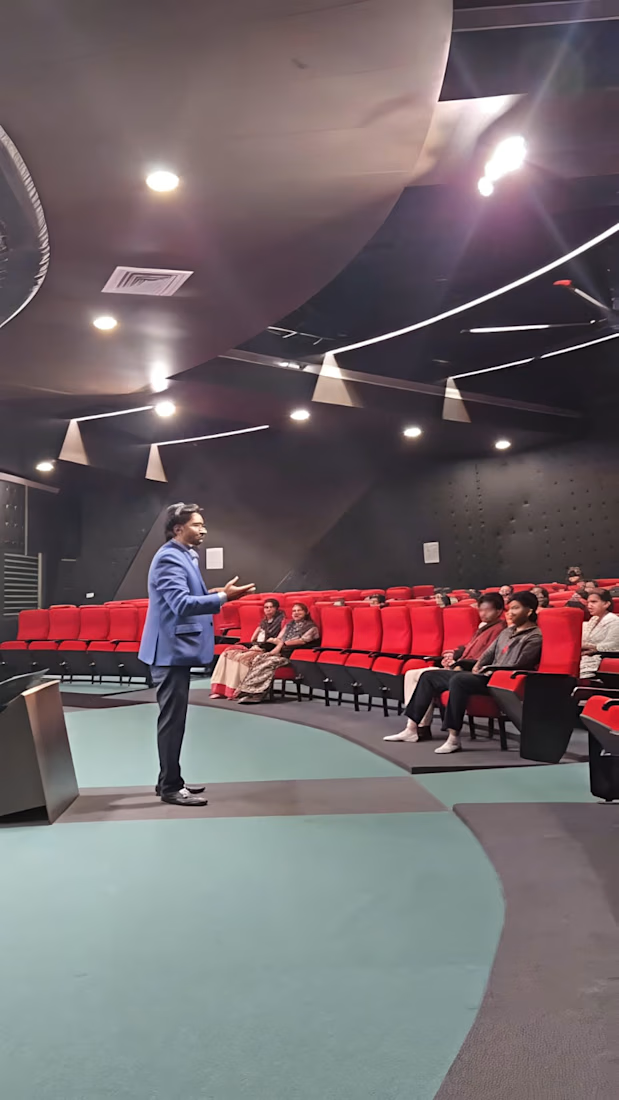
Delivered an interactive session for students at SVCE Bengaluru focused on developing the communication skills needed to transition successfully from college to the technology workplace.
The session explored how strong communication complements technical capability and helps young professionals stand out in today's competitive job market.
What the session covered
Understanding Job Readiness
Technical skills
Professional communication
Teamwork and collaboration
Confidence, attitude and growth mindset
Written Communication
Professional emails and chat messages
Technical documentation
Bug reports and tickets
Client communication
Before-and-after examples of professional writing
Verbal Communication
Job interviews
Team meetings and stand-ups
Technical presentations
Explaining complex technical concepts to non-technical stakeholders
Non-Verbal Communication
Body language and professional presence
Eye contact
Facial expressions
Tone of voice
Professional posture
Communicating effectively in virtual meetings
Practical Learning
The session used real-world workplace scenarios to help students understand how communication affects professional credibility and career opportunities.
A key interview scenario contrasted two technically capable candidates and demonstrated how voice, eye contact, posture, confidence and overall presence can influence interview outcomes.
Key Message
Technical skills can get you in the door. Communication skills can determine how far you go.
The session encouraged students to start developing communication, confidence and professional presence before entering the workplace, rather than treating these as skills to learn later.
My Role
As a Leadership & Communication Coach with 20+ years of corporate experience, I connected workplace expectations with practical communication behaviours that students can immediately apply in interviews, presentations, team interactions and their first professional roles.
Focus: Communication | Job Readiness | Leadership | Professional Presence | Career Development


The network for creativity
Join 1.25M professional creatives like you
Connect with clients, get discovered, and run your business 100% commission-free
Creatives on Contra have earned over $150M and we are just getting started



Related posts

It's one of those projects that reminds me how much psychology goes into the decisions we make as designers.
One of the things I enjoyed most about working on Charsev was realizing that selling executive transportation isn't really about showing beautiful vehicles.
Imagine arriving in a country you've never visited before. What would make you feel comfortable trusting a transportation company you found online?
That question shaped much of my approach to this project, from the communication strategy and art direction to the UX/UI design, video editing, and WordPress development.
I wanted the website to feel elegant and professional, but more importantly, to communicate a sense of safety, reliability, and confidence before the passenger even begins their journey.
I'm curious, fellow designers: when you're designing a website where trust is essential, what do you prioritize most — visual design, messaging, or the overall user experience?


Nice deisgns

An existing employee interview, reworked into a vertical social video.
The original was a straightforward introduction created to the client's brief. For the re-edit, I removed the interviewer questions, rebuilt the sequence around a stronger opening hook and added kinetic typography, contextual B-roll and sound design.
Same interview. A different approach to storytelling.
Work: Vertical Brand Storytelling | Talking Head Editing | Social Content


Smart re-edit — cutting the interviewer questions and rebuilding the sequence around a stronger opening hook is exactly what makes a talking head hold up vertically. The kinetic typography and contextual B-roll do a lot of heavy lifting here. Same interview, much stronger story.