The network for creativity
Join 1.25M professional creatives like you
Connect with clients, get discovered, and run your business 100% commission-free
Creatives on Contra have earned over $150M and we are just getting started
Back to feedPost

Before switching to Play for native prototyping, I usually built high-fidelity product prototypes in Framer and tested them directly on an iPhone by opening the web prototype in the browser.
This particular prototype included both the Yango Pay app experience and a landing page, allowing me to test not only the core product flows but also how the product was presented and communicated outside the app itself.
Framer was especially useful at this stage because it let me move quickly from interface design to a realistic interactive prototype that could be tested on an actual device, without waiting for a production build. Later, I started using Play for more native-feeling mobile prototypes and more detailed interaction testing.


The network for creativity
Join 1.25M professional creatives like you
Connect with clients, get discovered, and run your business 100% commission-free
Creatives on Contra have earned over $150M and we are just getting started

Challenges
View all


Related posts




the scroll recording felt too plain, so i had opus 5.5 make a launch film for eave. it used the real pages, wrote a storyboard and coded every frame
sound on 🔊


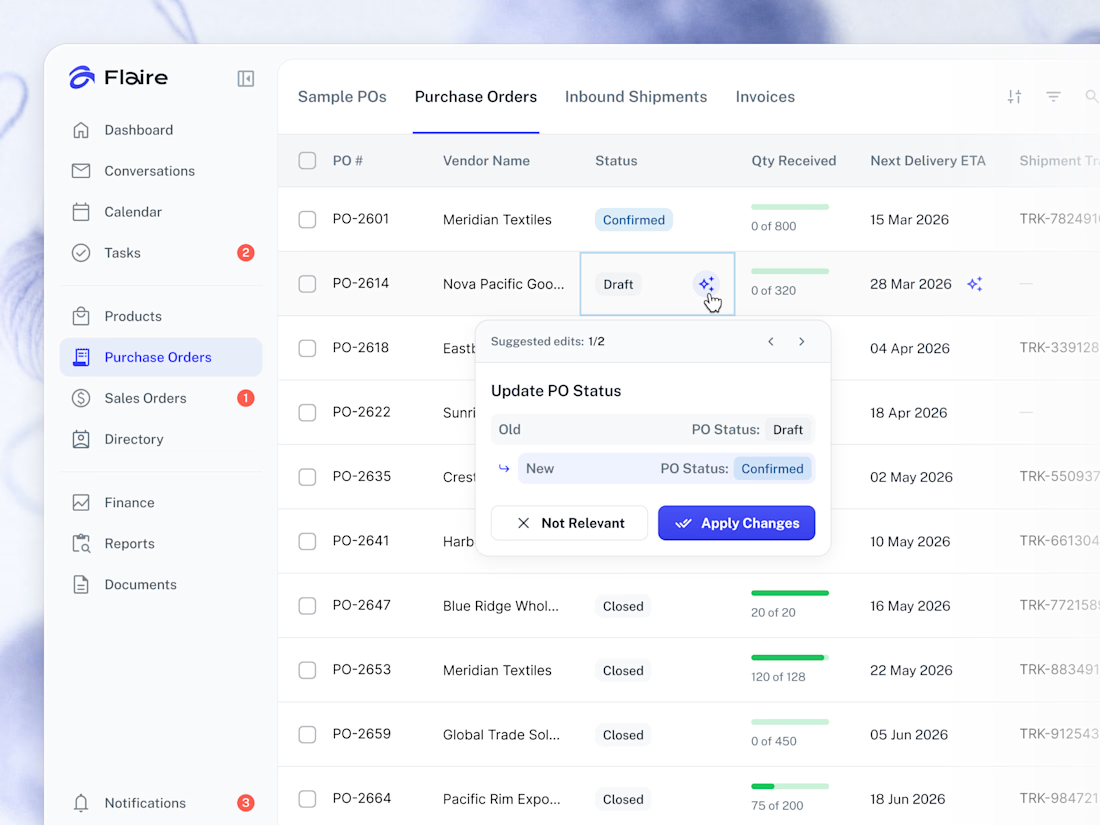
✨ AI Suggestions on the Purchase Orders list. Proposed record edits surface inline for the user to apply or dismiss in one tap.


Great work