The network for creativity
Join 1.25M professional creatives like you
Connect with clients, get discovered, and run your business 100% commission-free
Creatives on Contra have earned over $150M and we are just getting started
Back to feedPost

AI-Powered Content Automation Pipeline
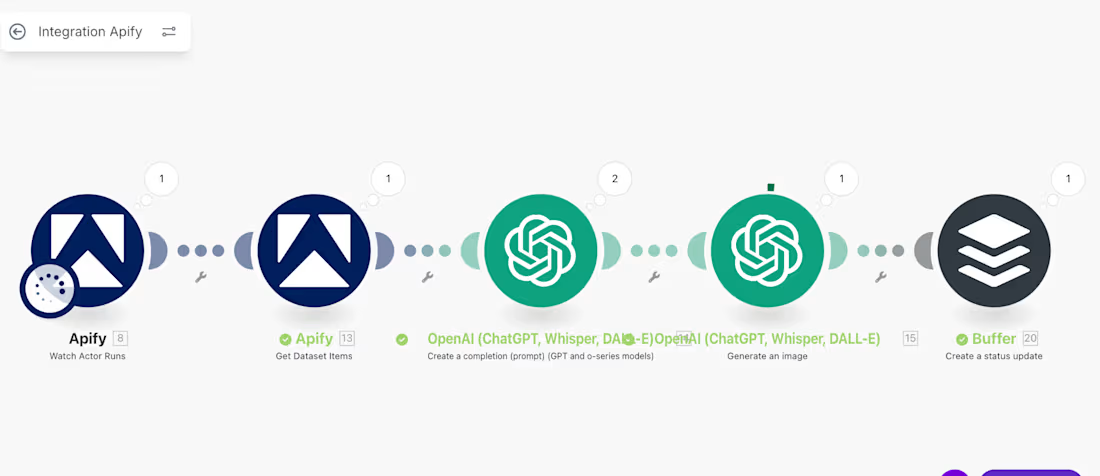
Integration: Apify → OpenAI → Buffer
I built an automated content pipeline using Apify, OpenAI, and Buffer.
The flow watches the Apify actor run from a scraper I rented on Apify, pulls the structured dataset items, uses OpenAI to generate text and images, and automatically publishes the final output via Buffer.
Key capabilities:
It monitors real-time Apify actor executions
AI-generated text using OpenAI (GPT models)
AI-generated visuals for social content
Automated scheduling and publishing through Buffer
It is designed to turn scraped or structured data into publish-ready content with no manual intervention.


The network for creativity
Join 1.25M professional creatives like you
Connect with clients, get discovered, and run your business 100% commission-free
Creatives on Contra have earned over $150M and we are just getting started



Related posts

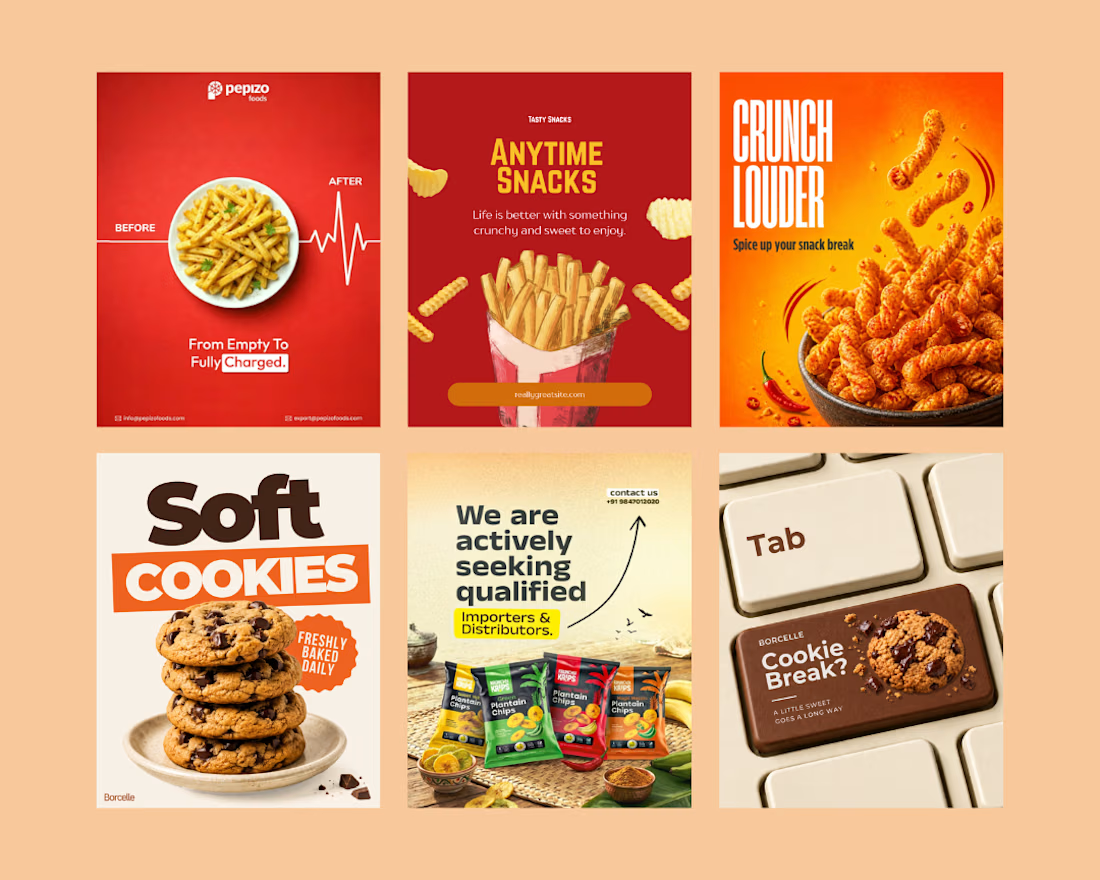
Created eye-catching social media creatives for a snack brand, focusing on mouth-watering visuals, bold typography, and engaging layouts.
The designs highlight product appeal, grab audience attention, and help the brand promote its snacks, offers, and new launches effectively across social media.
Social Content DesignphotoshopposterdesignSocial Media MarketingTypographyAdobe PhotoshopCanvaChatGPT



great job🙌

Turning everyday business problems into technology solutions.
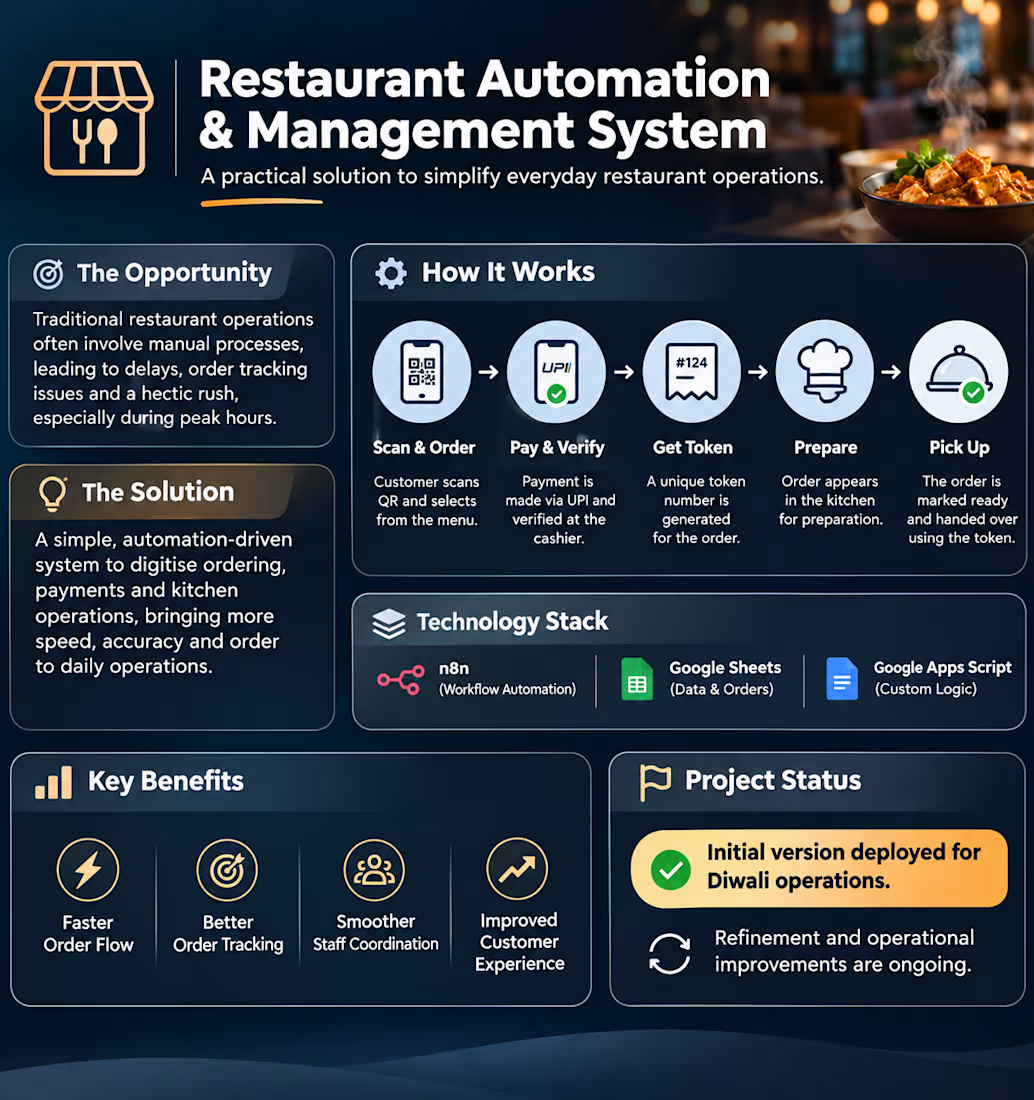
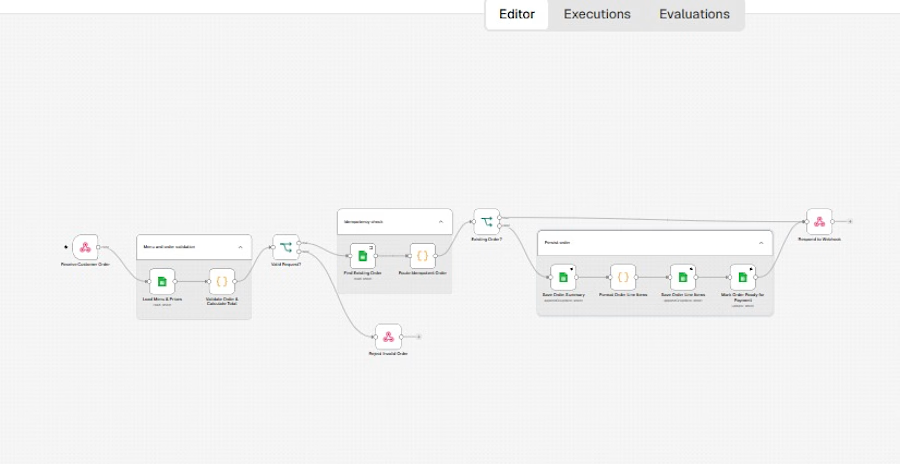
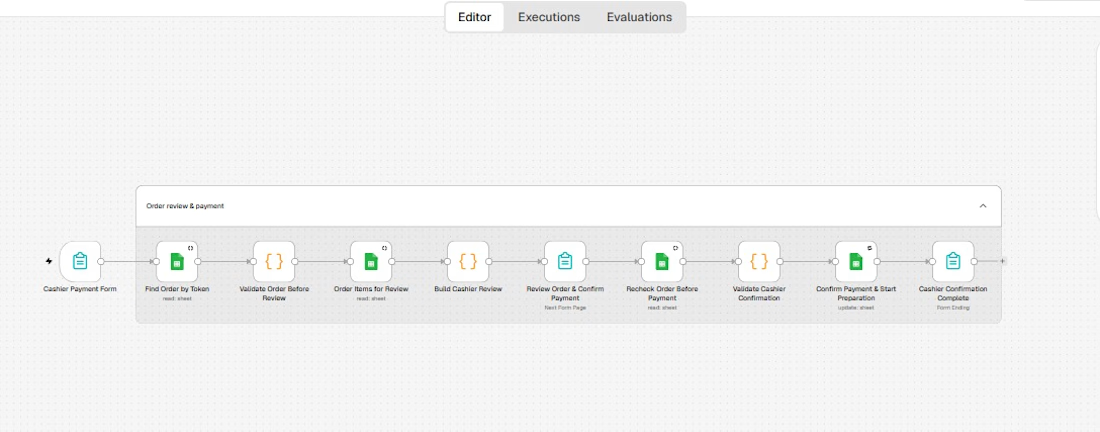
I've been working on a restaurant automation project, and it's been quite an interesting experience.
The idea started with observing how a restaurant manages its everyday operations and thinking about how technology could make things simpler.
Over the past few days, I've worked on designing, developing and integrating the different parts of the system.
The initial version is now deployed for Diwali operations. There are still a few things to refine, but it's exciting to see something that started as an idea actually being used in a business.
What I particularly enjoyed about this project was that it wasn't about building technology for the sake of it. It was about understanding an existing process and finding a practical way to improve it.
That's the kind of problem-solving I want to spend more time doing.
#BusinessAutomation #WorkflowAutomation #n8n #AIandAutomation #DigitalTransformation #BusinessSolutions #NoCodeAutomation #BuildingInPublic



Great work 👏🏻

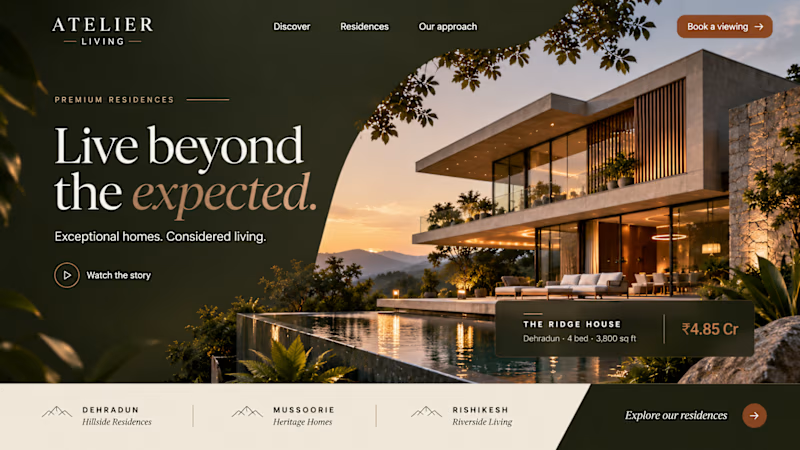
Two concepts. One vision. What makes a property worth coming home to?
A home is more than its walls. It’s the feeling of being exactly where you belong.
For this real estate concept, I explored a more considered approach to digital property experiences, combining strong visual storytelling with a clear, focused user journey.
The goal was simple: make discovering a home feel as meaningful as finding one.
Which direction would you choose for a premium real estate brand?
A or B?
6 voted
100%

0 voted
0%
6 votes
Closed

Second one feels more premium.