The network for creativity
Join 1.25M professional creatives like you
Connect with clients, get discovered, and run your business 100% commission-free
Creatives on Contra have earned over $150M and we are just getting started
Back to feedPost

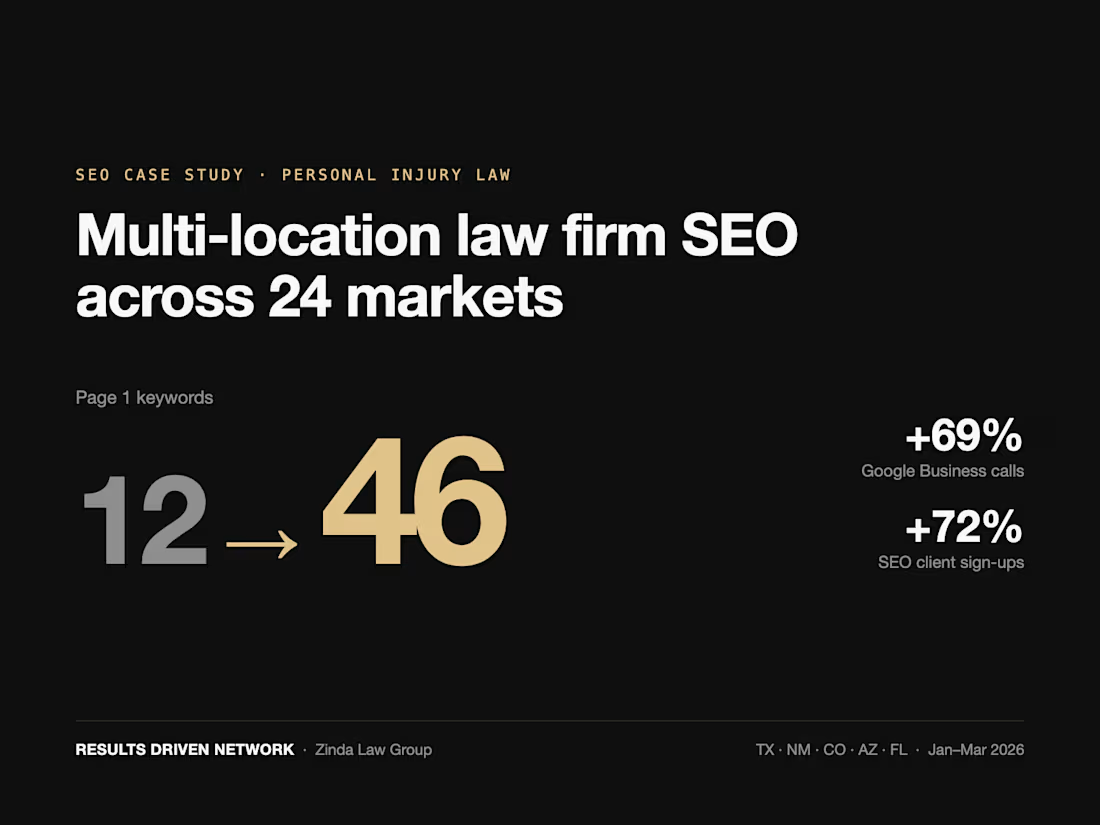
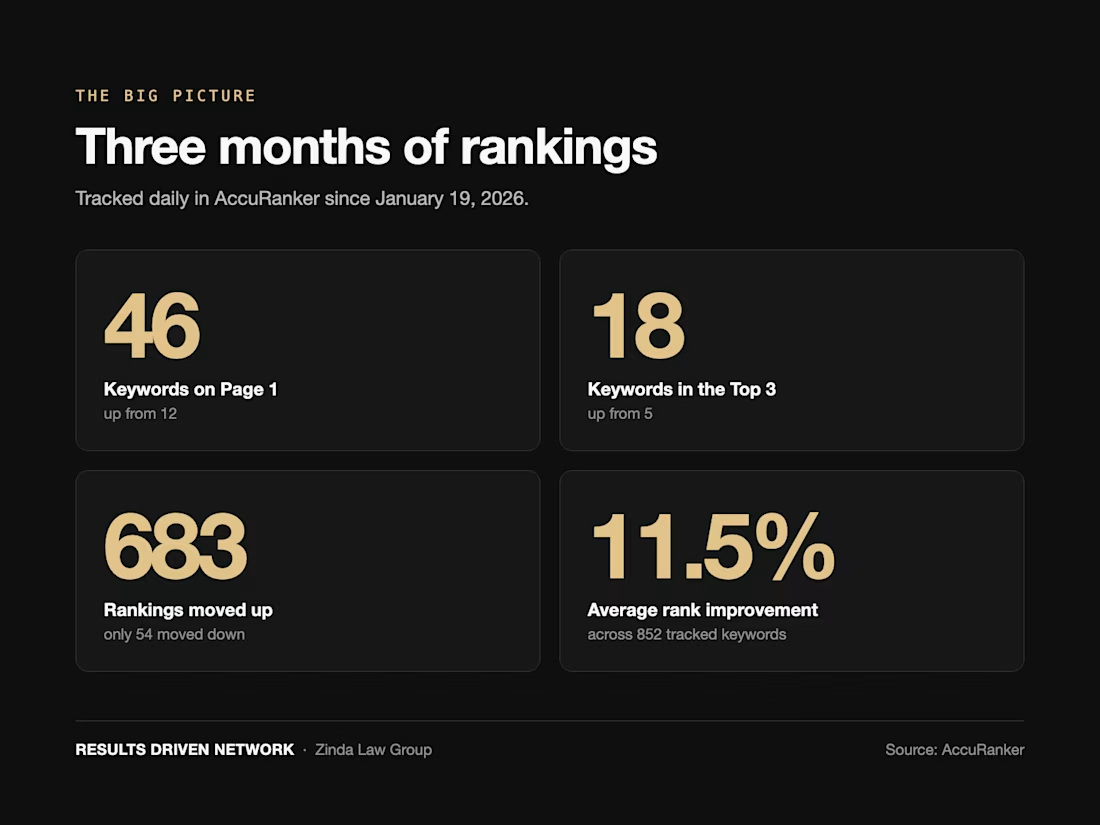
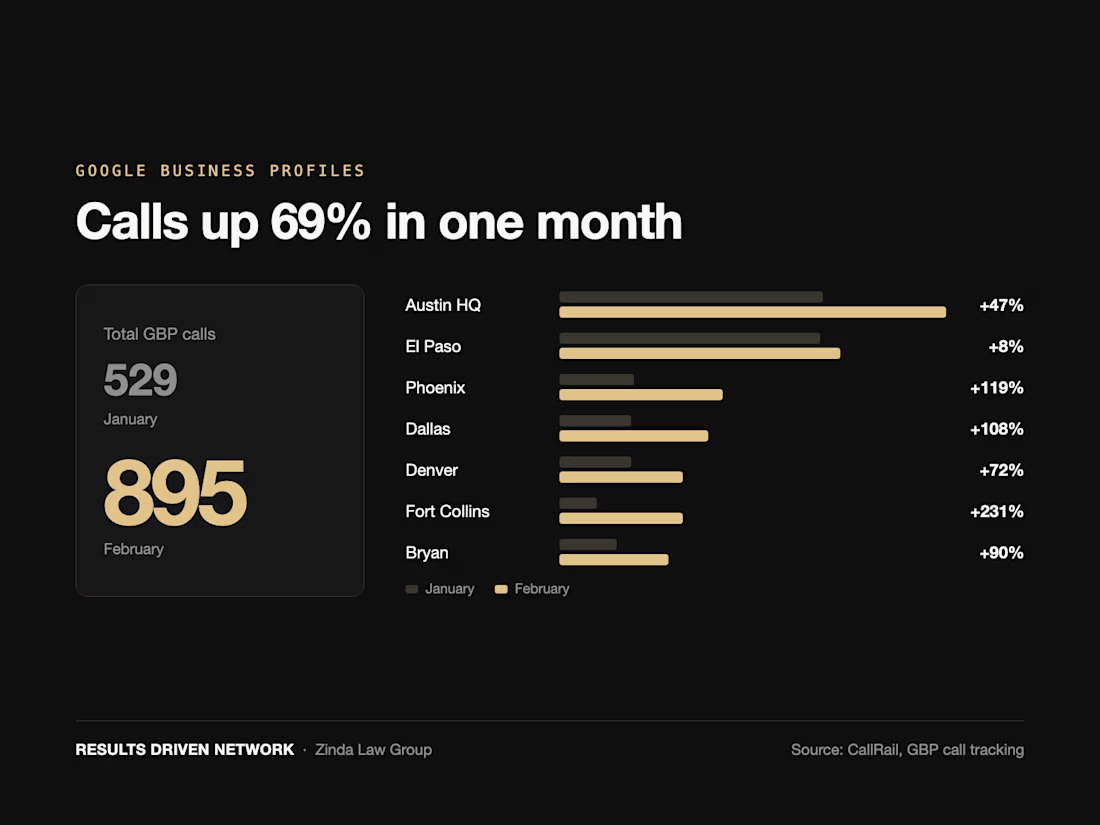
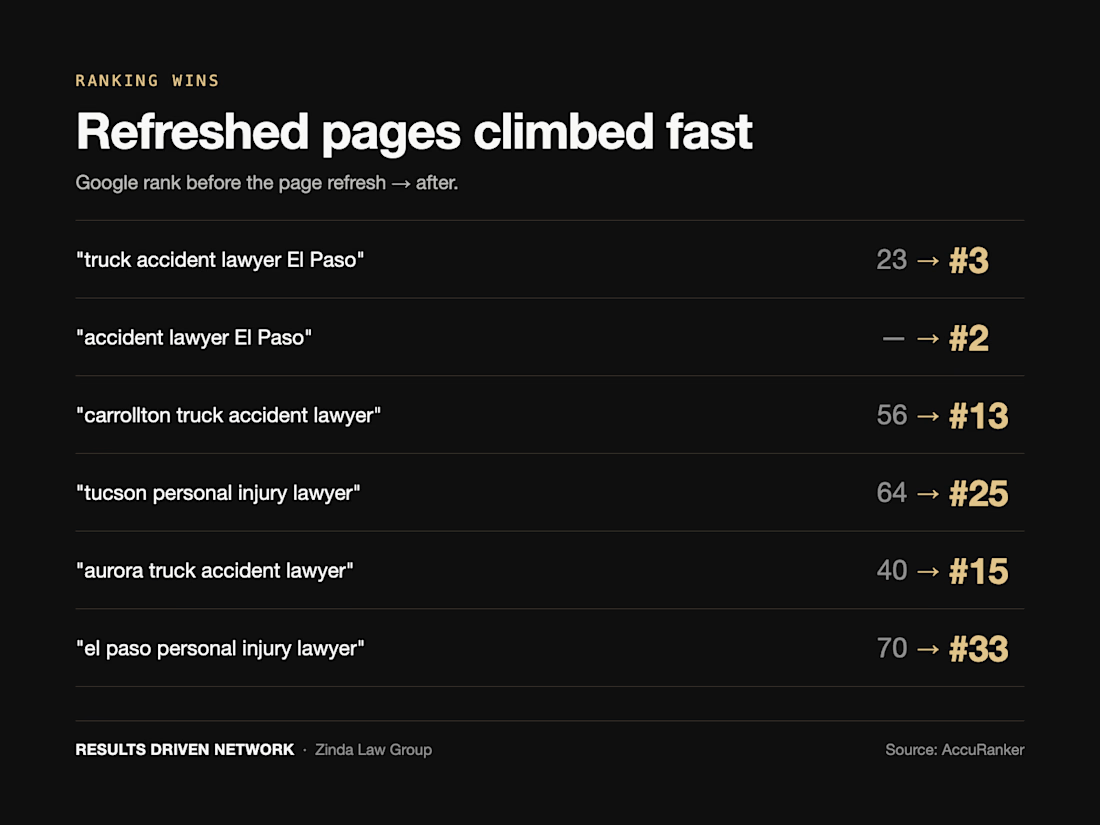
Hi There! New to Contra. As an Organic Marketing Expert who focuses on SEO, AEO, GEO, local and Social Marketing, one thing that will always work is refreshing or updating your existing content.
I did it for this Lawfirm and ended up getting higher rankings just off of page updates alone.
The basics still win.


The network for creativity
Join 1.25M professional creatives like you
Connect with clients, get discovered, and run your business 100% commission-free
Creatives on Contra have earned over $150M and we are just getting started
Related posts

Search Intent: Why the Same Keyword Doesn't Always Mean the Same Thing
Two people can search for the same topic and need completely different answers.
And that's something worth understanding when creating SEO content.
Let's say two people search for "best project management software."
One might be looking for information about what project management software does. Another might be comparing different tools before making a decision. A third might already know what they want and be ready to subscribe.
Same topic. Different intentions.
This is where search intent comes in. It refers to the reason behind a search query and helps explain what someone actually expects to find.
There are three important types to understand:
- Informational intent: People want to learn something. They need guides, explanations, tutorials, or answers.
- Commercial investigation: People are researching and comparing options before making a decision. They need reviews, comparisons, and recommendations.
- Transactional intent: People are ready to take action. They need product pages, pricing information, offers, or clear calls to action.
And here's my take: SEO isn't just about choosing the right keywords. It's about understanding the people behind those searches.
You can target a relevant keyword, write a well-structured article, and follow SEO best practices, but if your content doesn't match the user's search intent, it may fail to satisfy what they're actually looking for.
Good SEO content doesn't just answer a search query. It answers the right question, at the right stage of the decision-making process.
When planning content, do you think more about the keywords you're targeting or the intent behind them?


This is exactly what I see with Meta Ads too. Same keyword "best project management software" but 3 different funnels.
I learned it the hard way - I was targeting transactional intent with informational content, CTR was good but no conversions.
Your 3 types breakdown is clean. I...

Traditional SEO is officially dead! If you're still obsessing over the old 10 blue links, you're already losing the game .
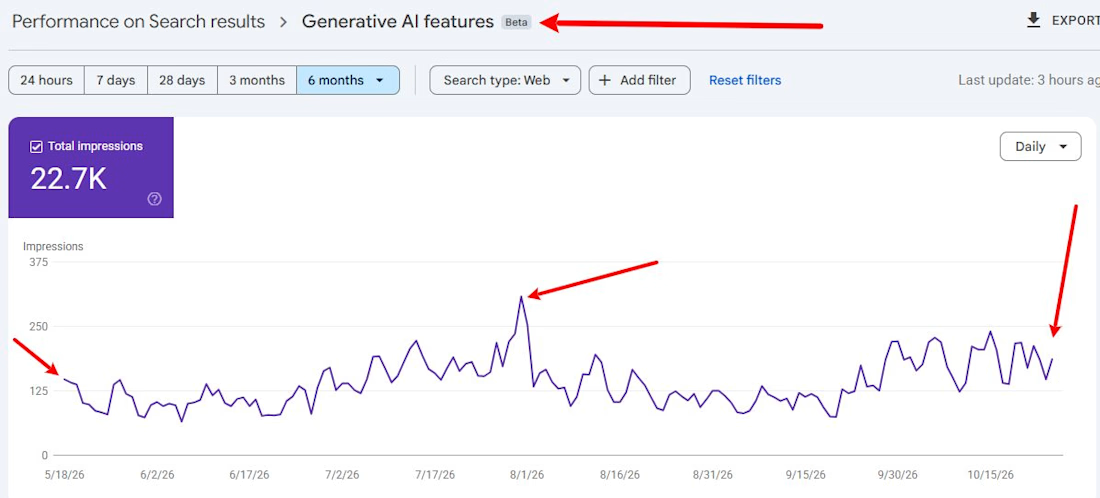
I recently implemented custom GEO (Generative Engine Optimization) and AEO (Answer Engine Optimization) strategies for my client, and the live Google Search Console data speaks for itself, 22.7K total impressions generated directly from Generative AI features!
AI search engines (ChatGPT, Perplexity, Claude, and Google Gemini) are completely reshaping discovery. If you aren't optimizing for GEO right now, your client's search visibility is going to vanish.
Here’s how I drove this AI visibility for the client:
Advanced JSON-LD Schema: Providing AI crawlers with crystal-clear entity context.
Topical Authority Clusters: Establishing the brand as an authoritative, cited source for AI models.
Conversational Intent Mapping: Optimizing content structure for natural language and prompt-based queries.
Are you tracking AI features in your Search Console reports yet? Let’s connect in the comments! 👇
#SEO #GEO #AEO #GenerativeAI #GoogleSearchConsole #DigitalMarketing #TechSEO




Follw for More Job posts.