The network for creativity
Join 1.25M professional creatives like you
Connect with clients, get discovered, and run your business 100% commission-free
Creatives on Contra have earned over $150M and we are just getting started
Back to feedPost

AI-Powered B2B E-commerce Lookbook Generator
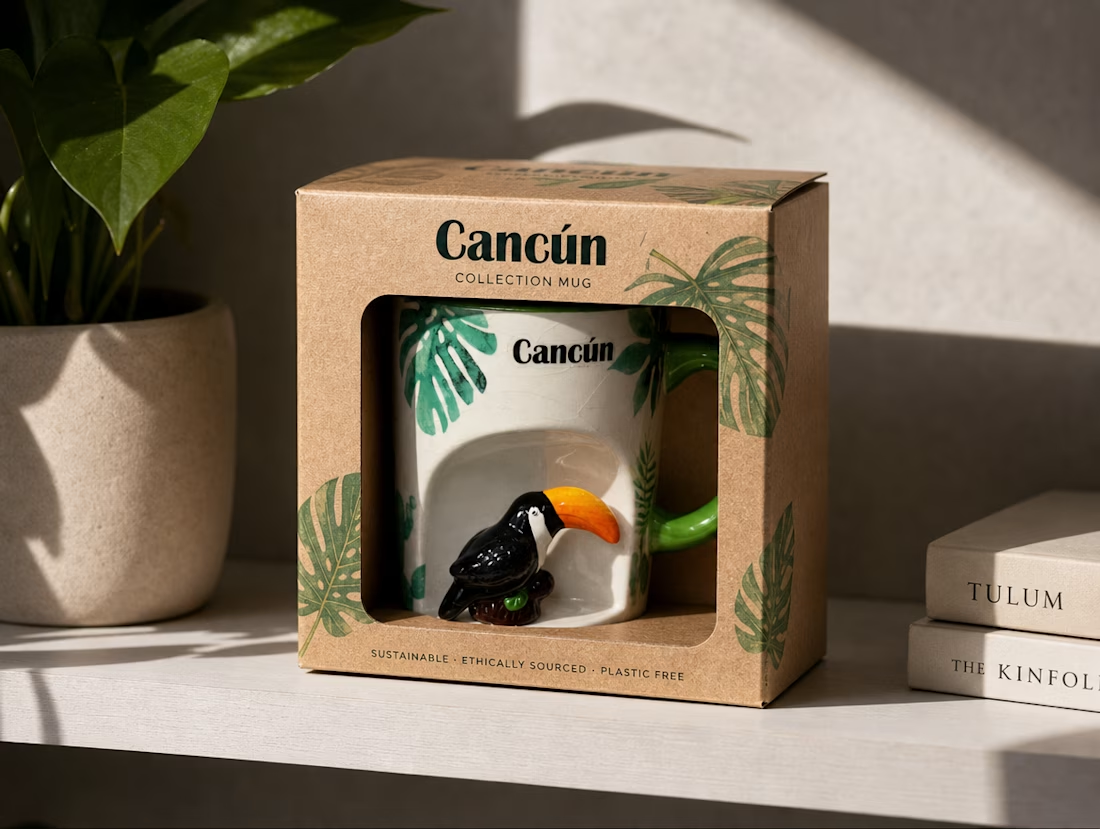
As an E-commerce specialist, I often see retail brands struggling to create high-end, "Retail Ready" lifestyle imagery for national buyers quickly. I built this Melius workflow to solve that. It’s an automated canvas that takes raw product images, processes them through specialized AI agents with tailored prompts, and outputs publication-grade B2B lookbook assets in minutes instead of weeks.
My Process Steps:
Input Node: Uploaded base product layouts (e.g., sustainable retail packaging).
Melius Agent Prompting: Configured a creative agent to analyze the asset and apply a high-end, editorial lifestyle background with strict whitespace rules.
Refinement Node: Passed the generated output through an upscaling and color-grading node to match national retail compliance and premium aesthetics.
Feedback on Melius:
Melius completely turns the thrash of traditional prompt-and-pray AI workflows into a structured visual canvas. Being able to see the node-by-node execution allowed me to tweak specific parameters instantly without losing the design direction. The speed at which it generates production-ready imagery is a game-changer for digital marketers and agency owners!


Thanks!

Wow this looks neat and premium! Did you design this using Melius?
Much deserved 🤝 Will also give it a go
The network for creativity
Join 1.25M professional creatives like you
Connect with clients, get discovered, and run your business 100% commission-free
Creatives on Contra have earned over $150M and we are just getting started





Related posts

👋 I'm new to Contra and I did my first post without realizing I hadn't even introduced myself!
Hey I'm Katya, I'm an AI Systems Architect, marketer and yoga teacher.
I build AI systems that bring in business and handle the work behind it. A voice agent that calls new leads back within seconds and books the appointment. A pipeline that traced 16,900+ leads to the ads that brought them. Listing videos made from the photos a real estate agent already has.
The marketing side came first. I built the multi-channel campaign for Jay Shetty's launch (22 million followers). After that I discovered the tech world and when AI came along, I realized I'm a builder at heart and never looked back! Building is so much fun 🤍
Here's what I've shared:
My first post: on building a fully AI-made YouTube video, end to end, because I'm camera shy 🙈 https://contra.com/community/MP9mFRuT-im-building-my-first-fully-ai-made
Last thing, if you're building with AI video or automation, I'd like to see what you're working on
And if you're hiring: I may be new to Contra but definitely not new to this work. Reach out for AI agent builds, apps, websites or anything in between.
P.s The video below is my AI avatar. My profile video is the real me :)


Nice Portrait....Has everything from a great pose, great composition and lighting and perfect environment setting.

AI Sales Agent SaaS Landing Page
A modern AI Sales Agent & Sales Intelligence SaaS website designed for startups and growing businesses looking to automate sales workflows, streamline lead management, and boost revenue through intelligent automation and real-time insights. The design combines a premium SaaS aesthetic with a conversion-focused user experience, featuring clear product messaging, interactive sections, and a scalable interface built to support modern sales teams.


Amazing design

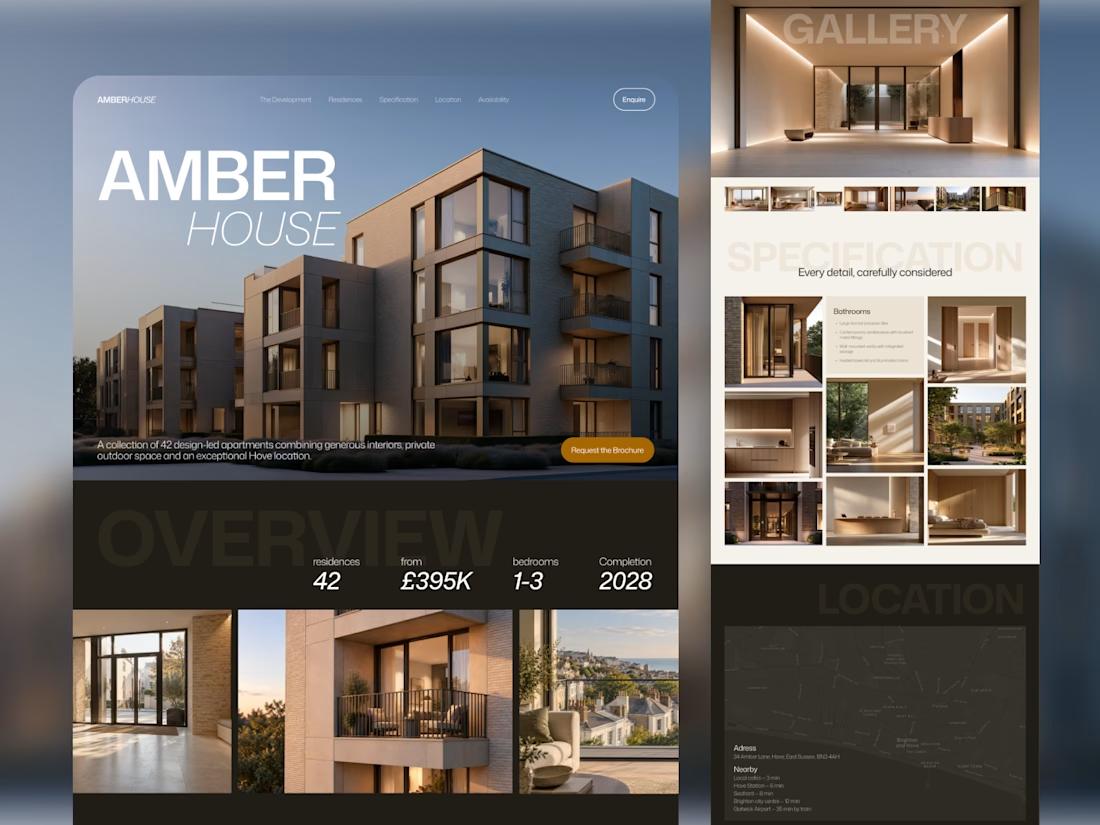
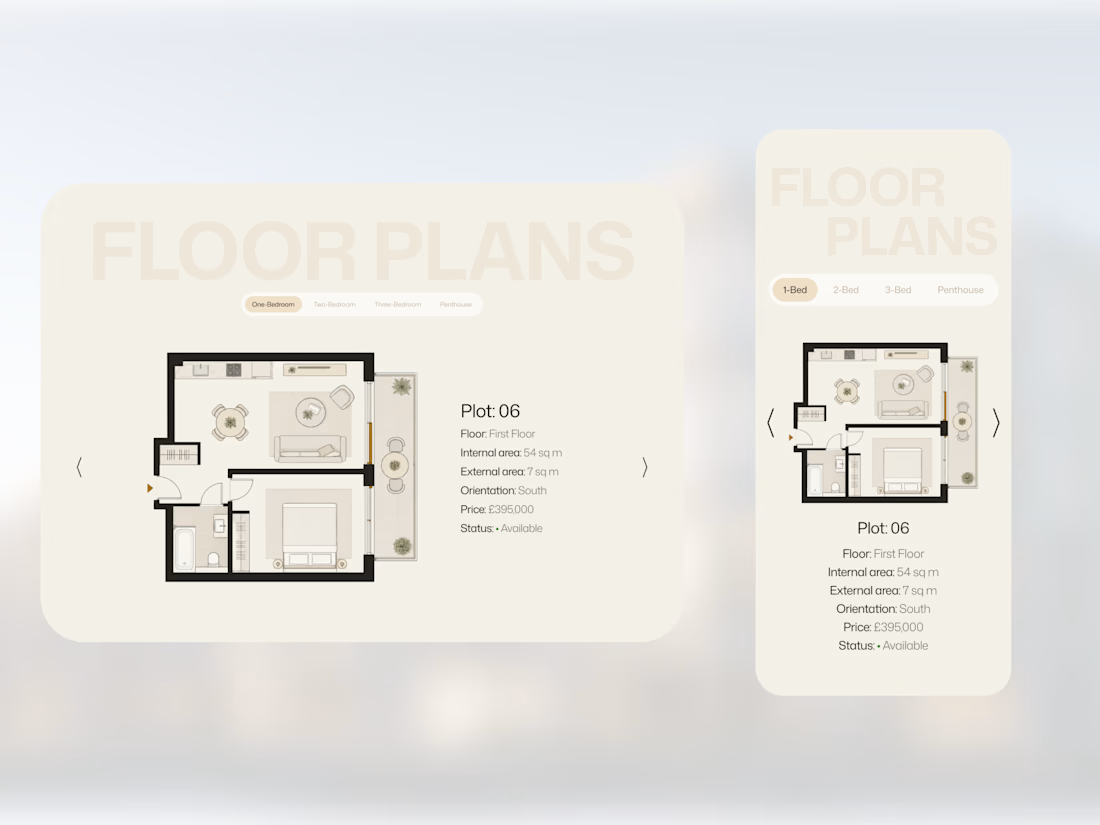
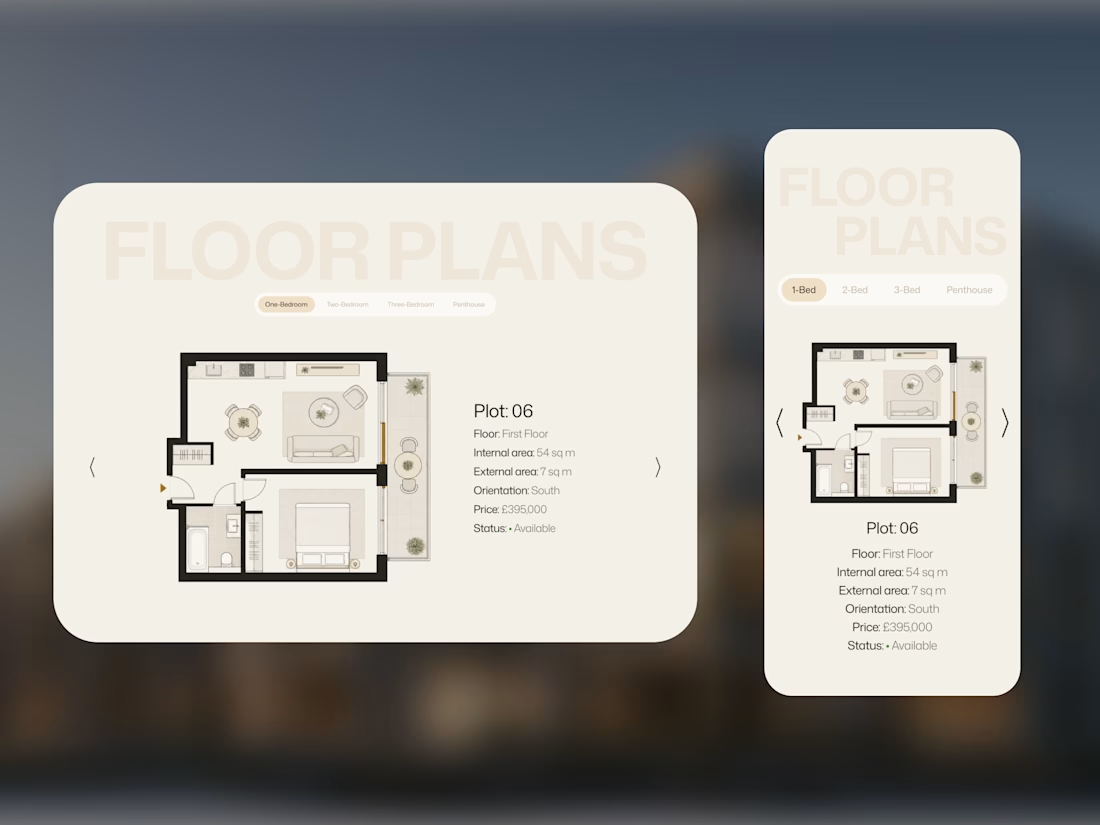
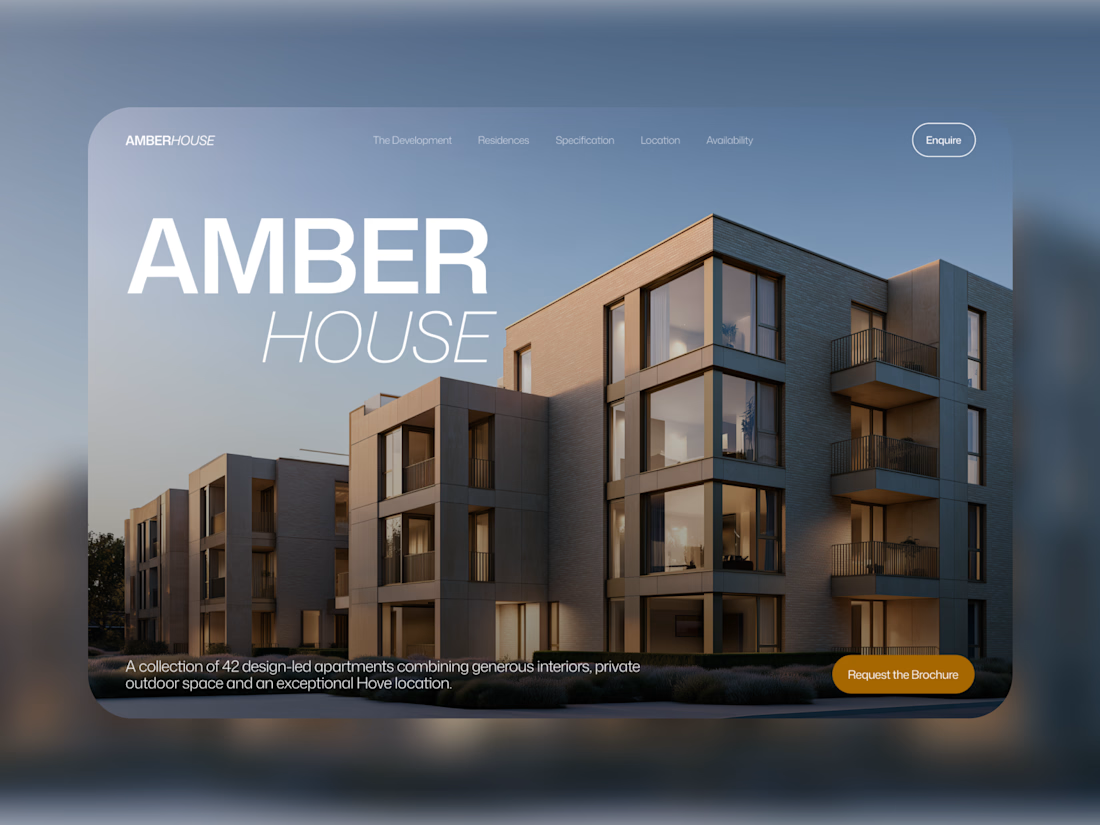
A Webflow template for a new-build residential development: one sales page that takes a buyer from first impression to enquiry.
Includes residence types, a floor-plan browser filtered by apartment type, an availability table that switches to cards on mobile, a gallery, specification, location, FAQ and an enquiry form with residence preference. Plots and floor plans run on the CMS, so a sales team can update prices and status without touching the layout.
Built on reusable components and a variables-based style system, with a style guide page, SEO meta and Open Graph setup, and responsive behaviour across all breakpoints.
Concept project — brand and content are fictional.


well done