The network for creativity
Join 1.25M professional creatives like you
Connect with clients, get discovered, and run your business 100% commission-free
Creatives on Contra have earned over $150M and we are just getting started
Back to feedPost

AI tools. BIIM platforms. EdTech launches. Social commerce infrastructure. 🌍
The briefs keep changing. The standard doesn't.
Every one of these products needed to earn trust in under 8 seconds — with buyers who are skeptical, busy, and comparing three other options in the next tab.
That's not a design challenge. That's a conversion challenge.
And conversion challenges don't get solved by making things prettier. They get solved by making things clearer — faster — with every element doing exactly one job.
Strategy before aesthetics. Architecture before visuals. Every time. ⚡
500+ projects. 10+ countries. The bar doesn't drop.
→ Recent work at my profile.

Good work
The network for creativity
Join 1.25M professional creatives like you
Connect with clients, get discovered, and run your business 100% commission-free
Creatives on Contra have earned over $150M and we are just getting started











Related posts

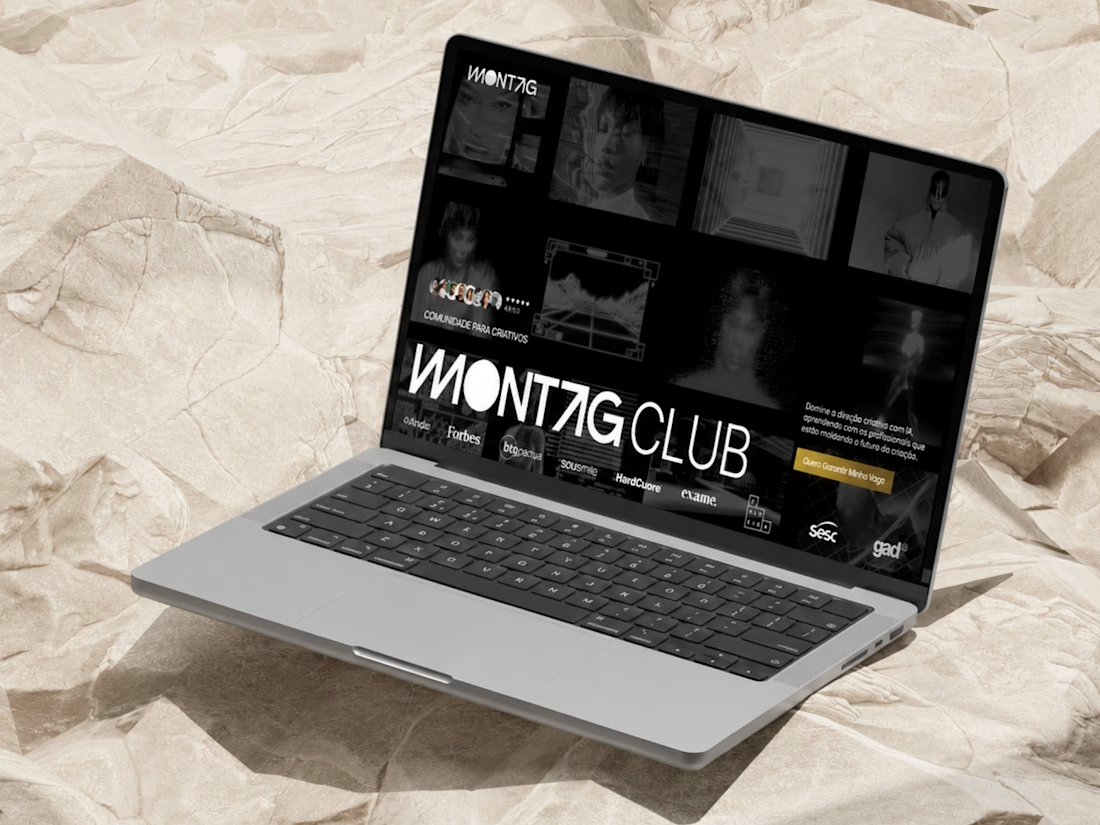
its my creation using fully AI of a intro video into my digital products (check the link)



Insane work with branding and AI!


One prompt → a whole store. We designed what that should feel like 😉🛒✨
WithNation is an AI platform that builds and runs your online store for you.
⚡ We went bold: oversized type, editorial product shots and a product wall that counts up to 2000+ items as you watch.
What do you think of the concept?
Rate it 1-10 👇

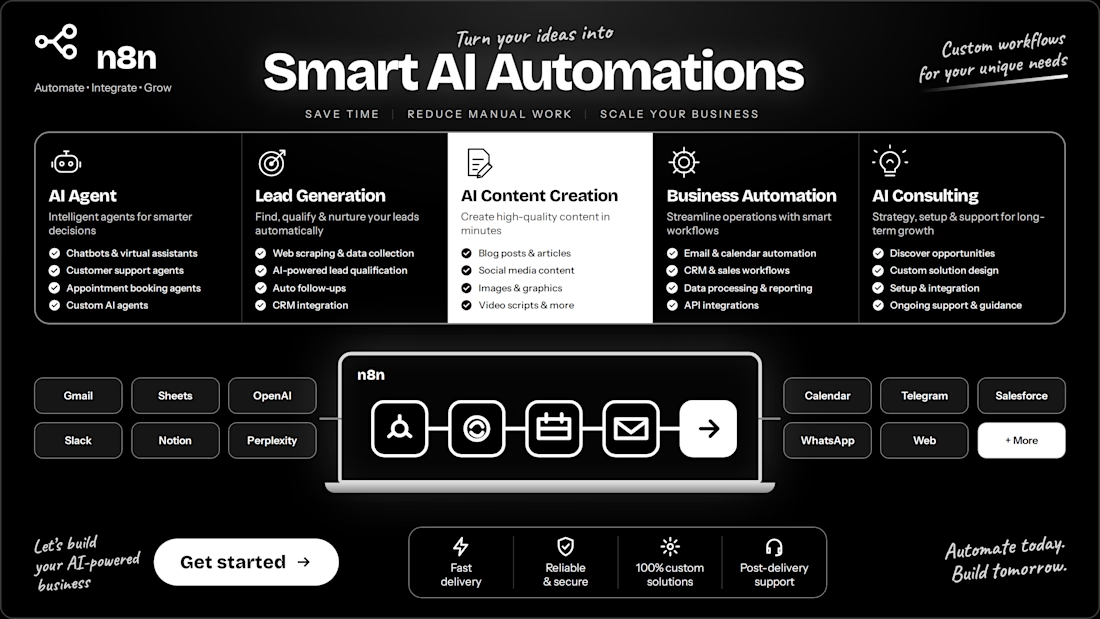
I help businesses automate repetitive work using n8n and AI. Instead of generic templates, I design and build custom workflows that connect your tools and run on their own.
What I build
AI agents: chatbots, virtual assistants, customer support agents and appointment booking agents
Lead generation: web scraping, AI-powered lead qualification, automatic follow-ups and CRM integration
AI content creation: blog posts, social media content, images, graphics and video scripts
Business automation: email and calendar automation, CRM and sales workflows, data processing, reporting and API integrations
AI consulting: finding opportunities, designing custom solutions, setup and integration, and ongoing support
Why work with me
Fast delivery Reliable and secure workflows 100% custom solutions Support after delivery