The network for creativity
Join 1.25M professional creatives like you
Connect with clients, get discovered, and run your business 100% commission-free
Creatives on Contra have earned over $150M and we are just getting started
Back to feedPost

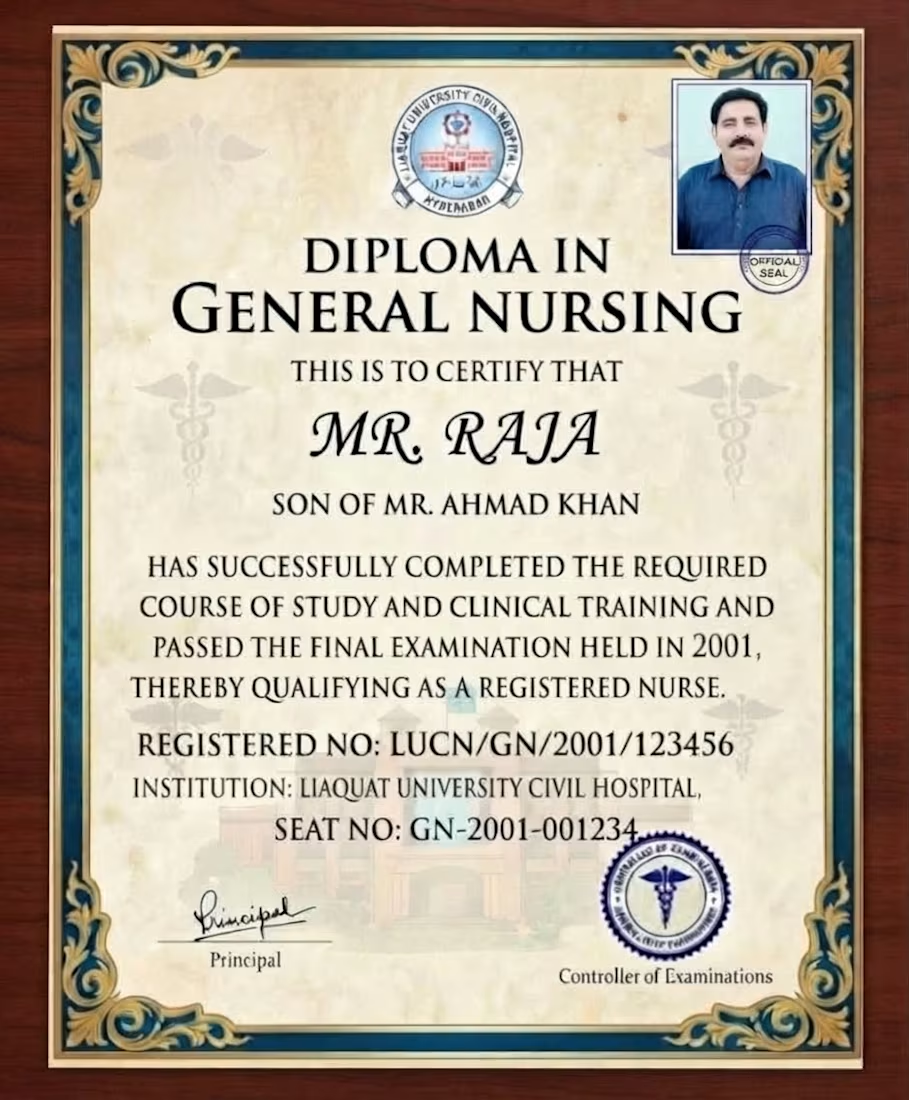
Diploma in General Nursing & 30 Years of Clinical Care Experience"
Healthcare ITMedical WritingTechnical WritingAprima Medical SoftwareFirebase AuthenticationInformatica


The network for creativity
Join 1.25M professional creatives like you
Connect with clients, get discovered, and run your business 100% commission-free
Creatives on Contra have earned over $150M and we are just getting started





Related posts


Entered the Claude program 🙌

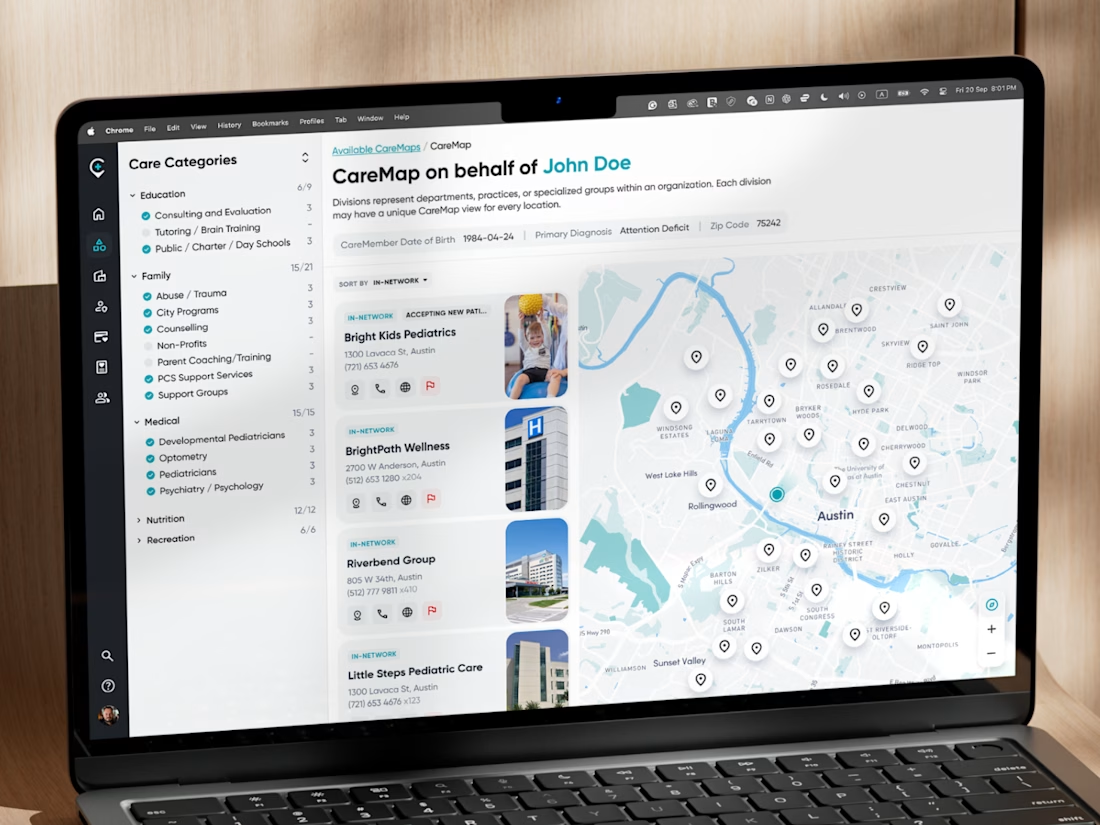
Reliqio built a care coordination platform for CSR to shorten one number: the three to six months a family waited for help after their child's diagnosis.
CSR connects families of children with special needs to therapists and care providers. The search ran on phone calls, paperwork, and referrals passed from office to office.
How it works:
One intake. A family completes a single guided form online instead of a chain of calls and paperwork.
Matching. The platform pairs each child with providers by need and availability.
Provider portal. Therapists manage their own availability and referrals, so the network stays current without constant follow-up.
Azure foundation. A React web app on Azure, with a SQL database underneath.
What changed:
Time to care: three to six months down to one week.
Families who book within 48 hours: 67%.
Families served: more than 40,000.
Time spent managing providers: down 75%.
Provider participation: 89%.
Savings: $2.3M.
For these families, speed isn't a convenience. It's months of a child's development.
Full case study: https://reliqio.com/case-studies/csr
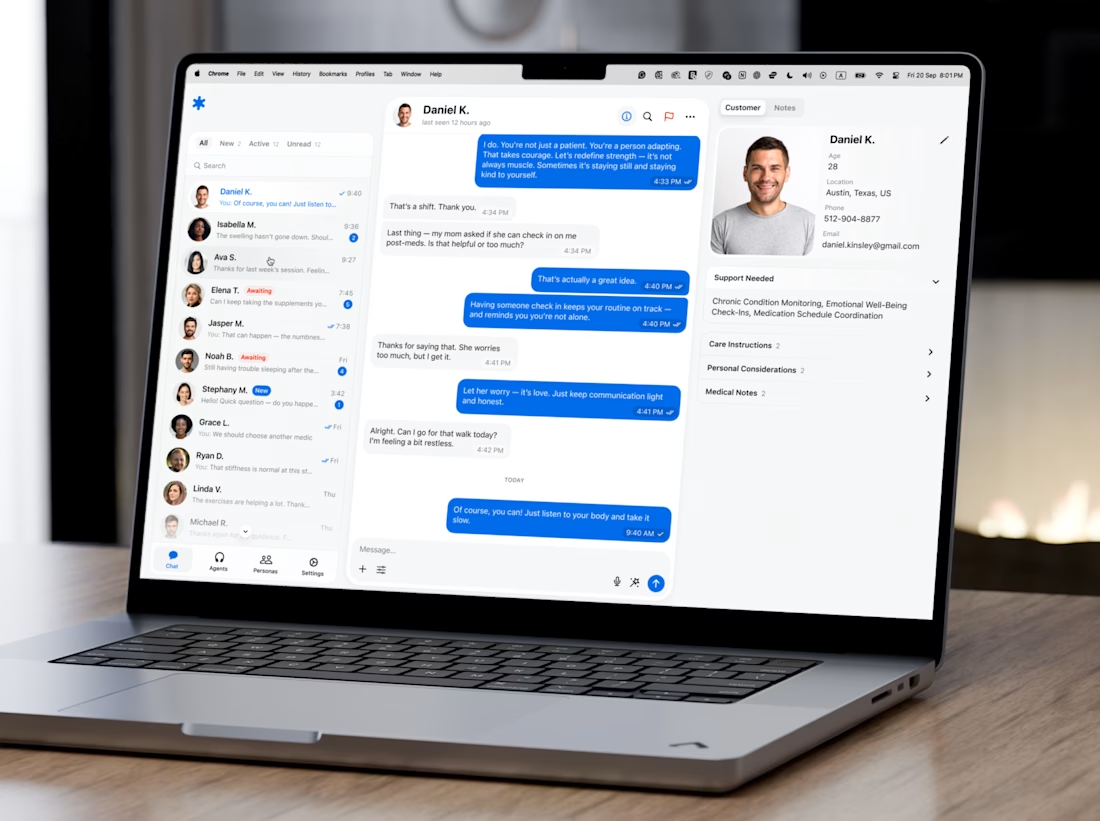
Reliqio's telehealth app development for MDC followed one rule: in medicine, AI drafts and people answer.
MDC is a physician messaging platform. Before it, a patient message waited one to two days for a reply, and the inbox had become a second shift for doctors. In 2023, Reliqio designed and built the system that changed that.
How it works:
Care agents. More than 100 trained agents handle routine questions, so patients hear from a person, not a bot.
AI in the physician's voice. OpenAI models suggest replies in each doctor's style for the agent to use.
Escalation. Anything clinical, uncertain, or urgent goes straight to the physician.
One workspace. A React and TypeScript web app on Node.js, NestJS, and MongoDB, with WhatsApp and Telegram integrations.
What changed:
Response time: one to two days down to about three minutes.
Messages resolved without escalation: 80%.
Physician capacity: tripled, from 25–30 to 75–90 patients.
No-shows: down 60%.
Patient retention: up 30%.
MDC now supports more than 500 physicians and carries over 15,000 messages a day.
Full case study: https://reliqio.com/case-studies/mdc