The network for creativity
Join 1.25M professional creatives like you
Connect with clients, get discovered, and run your business 100% commission-free
Creatives on Contra have earned over $150M and we are just getting started
Back to feedPost

Dijkstra's 1978 essay on natural language programming describes vibe coding.
He argued that programming needs a formal symbolism because plain language hides mistakes, and that a machine taking instructions in English would make silly errors harder to catch, not easier. Forty-eight years later the machine exists, and the thread about it on Hacker News is split between people who say he's been proven wrong and people who say every failed prompt proves him right.
Both miss where the formal part went. It didn't disappear, it moved. In my own setup the English goes into the brief, and the precision lives in two places I still write by hand: the interfaces, and the tests that have to pass before a change merges. The model fills in the bodies. When the brief is vague the tests catch it, which is the error message Dijkstra wanted instead of a wrong answer.
Where does the precision live in your workflow, the prompt or the tests?
The essay, from 1978: https://www.cs.utexas.edu/~EWD/transcriptions/EWD06xx/EWD667.html and today's thread about it: https://news.ycombinator.com/item?id=50203161
The network for creativity
Join 1.25M professional creatives like you
Connect with clients, get discovered, and run your business 100% commission-free
Creatives on Contra have earned over $150M and we are just getting started











Related posts
Stop reading every line of AI-written code.
You can't keep up, and reading isn't understanding anyway. The Meta engineer who said it all feels like a black box skipped the step that matters, the design. I decide the interfaces and the plan, and the model fills in the bodies. Then I know what each part is for without reading it twice.
Then I make it write the tests I'd have written, and nothing merges without a check from something that didn't write the code. In my own Claude Code setup that's a review gate: a second pass reads the diff cold and has to say yes, and a commit hook blocks secrets and client names before they leave my machine.
The black box isn't the tool. It's what you get when the model writes the design as well as the code. If you let it do both, how did the code look three months in?

Messy. Now I write the interfaces myself and let it fill in the bodies. Way easier to come back to later.


Badge Placement: Consistency or Visual Balance?
Even a small indicator can change how the entire interface feels
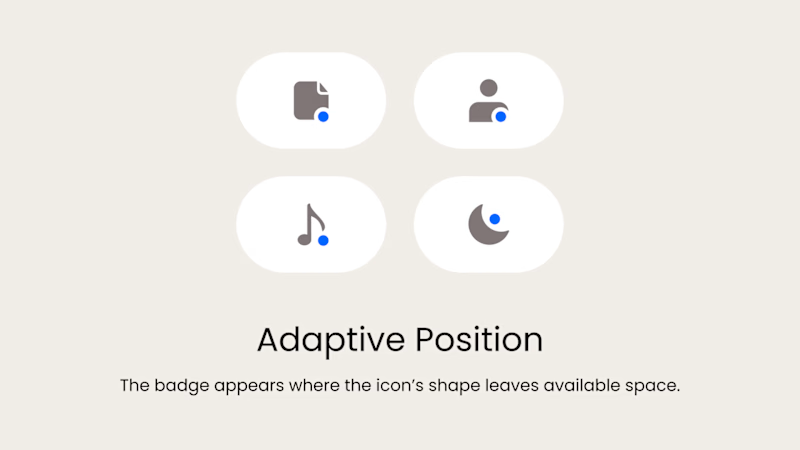
Adaptive Position
The badge placement changes depending on the icon’s shape and available space. The result feels more visually balanced but requires individual adjustments.
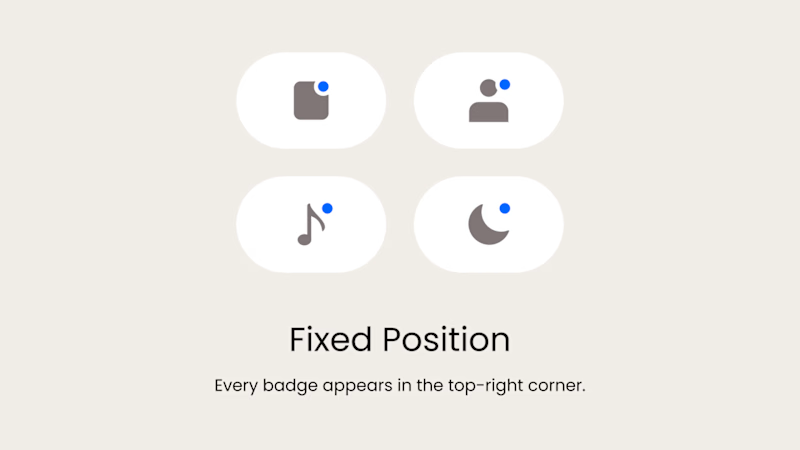
Fixed Position
The badge always appears in the top-right corner. This creates a consistent and predictable system, but on some icons it may feel disconnected or awkwardly placed.
What matters more in a design system: consistency or optical balance?
17 voted
43%
23 voted
57%
40 votes
Closed

Fixed for me. In a system, people learn where to look. I'd tweak the odd icons before breaking the rule.

A creative technologist takes an idea and works out what technology can do for it. Then builds the way it gets made, so it works a second time too.
That's the short version, as a 39-second pixel film. I'm the one with the hat.
In my own work it goes two ways. Creative workflows make the work: the images, clips and films. Operational ones keep it running, like the setup behind a team using AI every day. For both, the loop is the same: test it, break it, build it better.
The voice in the film is a synthetic version of mine. The animation is drawn in code.


Love this definition! "Works a second time too" is the real difference between a cool experiment and actual creative technology. Building the system so it repeats is where the craft is. That 39-second pixel film sounds fun - love that you put yourself in it with the hat! 😄